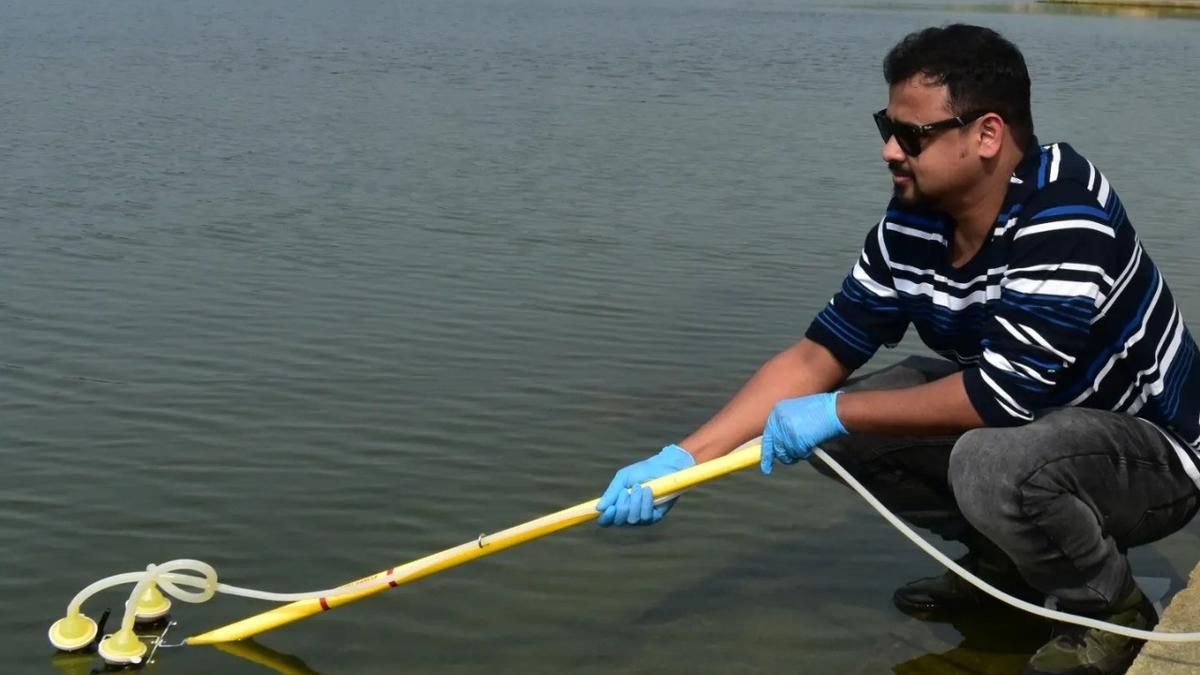
A first-of-its-kind large-scale study of bacterial communities across lakes and reservoirs in the Eastern Ghats by scientists from LaCONES, CSIR–Centre for Cellular and Molecular Biology (CCMB) in Hyderabad, has revealed striking patterns of microbial diversity. Lakes inside protected areas showed significantly higher bacterial richness, while those near industrial zones exhibited reduced diversity.
The research provides a comprehensive microbial map of the Eastern Ghats, underscoring the pivotal role of bacteria in sustaining water quality, nutrient cycling, and ecosystem resilience, said LaCONES CSIR-CCMB chief scientist G. Umapathy on Monday (December 1, 2025).
The Eastern Ghats, a discontinuous mountain range along India’s eastern coast, is intersected by major rivers such as Krishna, Kaveri, Mahanadi, and Godavari. Climate change is a key driver of microbial shifts, altering biogeochemical cycles in aquatic systems, yet its impact on Eastern Ghats lakes remains poorly understood, he noted.
Unique bacterial signature in each lake
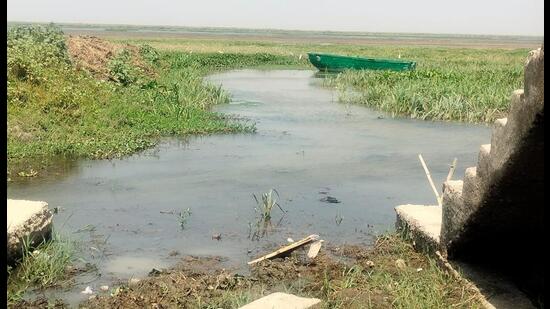
Using environmental DNA (eDNA) from 40 sites across 23 waterbodies in Telangana, Andhra Pradesh, Tamil Nadu, and Odisha, the team generated over a million DNA reads per sample to uncover hidden bacterial diversity. The study, published in Global Ecology and Conservation, found that each lake harboured a unique bacterial signature with minimal overlap, indicating strong spatial structuring.