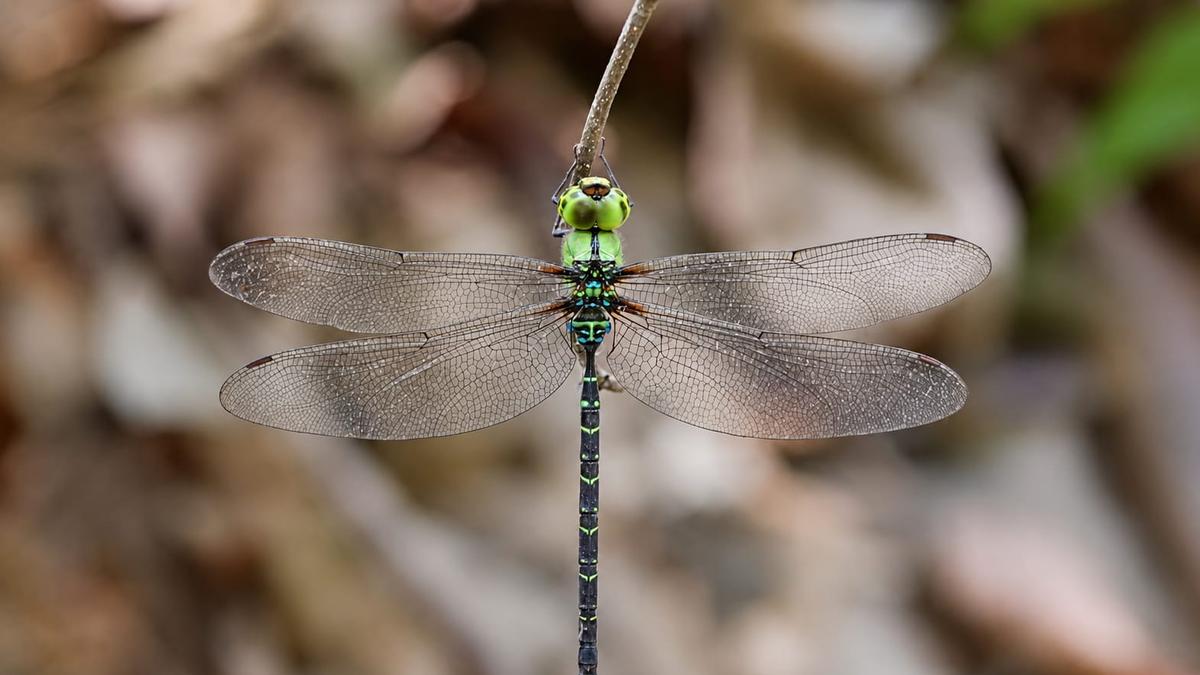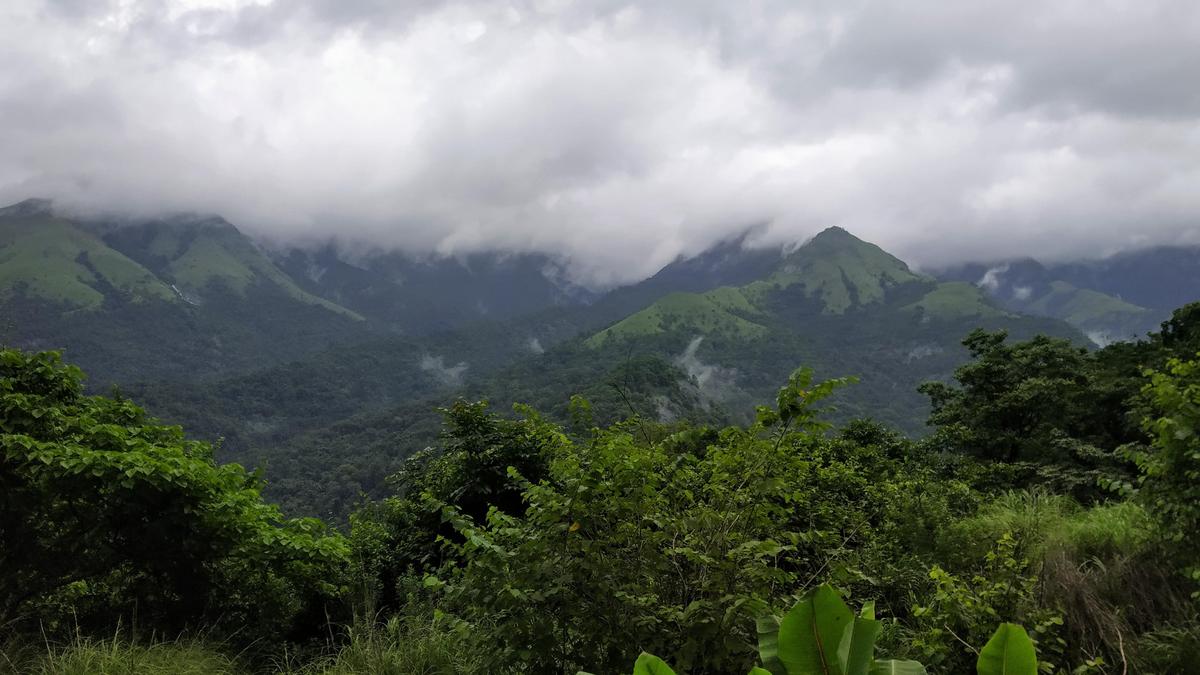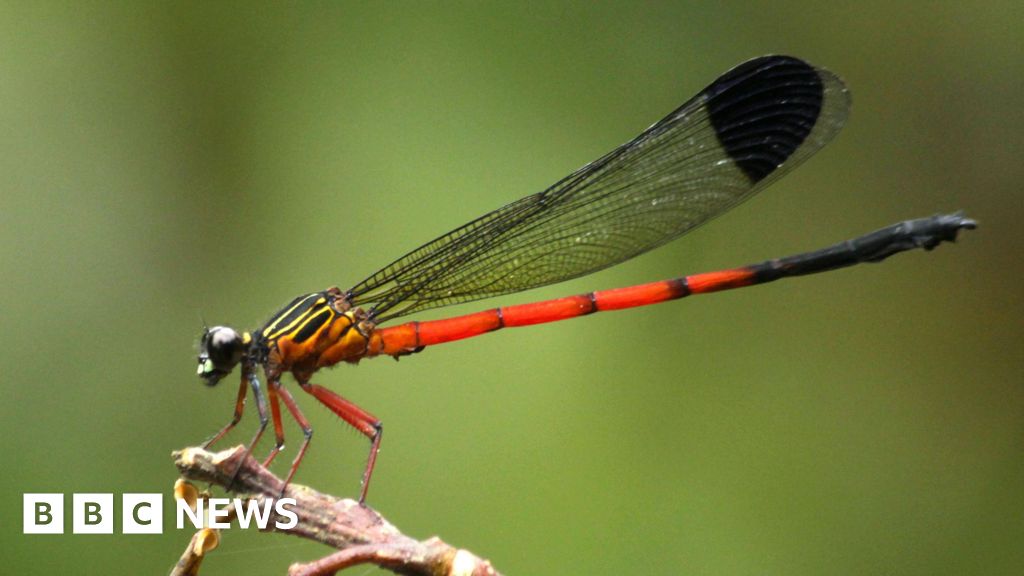
A first-of-its-kind study of dragonfly and damselfly species in India's Western Ghats - one of the world's most important biodiversity hotspots - has revealed findings that are both fascinating and worrying.
The study, which was funded by the Indian government's Department of Science and Technology and held across two years (2021-2023) and five Indian states, found that 143 different species of dragonflies and damselflies inhabit the Western Ghats, with at least 40 of them being endemic to the region, meaning they are found nowhere else in the world.
But the researchers also discovered something troubling - at least 79 additional species that were previously reported in the region were not found, an almost 35% decline in the number of dragonfly and damselfly species in the Western Ghats.
Pankaj Koparde, an evolutionary ecologist who led the study, says that this could be because some of these species are extremely rare or active only in certain seasons, and were missed by the researchers. But he also says that the decline could be due to a potential loss of species, meaning some of them have become extinct.
"Dragonflies and damselflies are good indicators of the health of a region. Consequently, when their numbers drop, it could signal the potential degradation of an ecosystem," Koparde says.