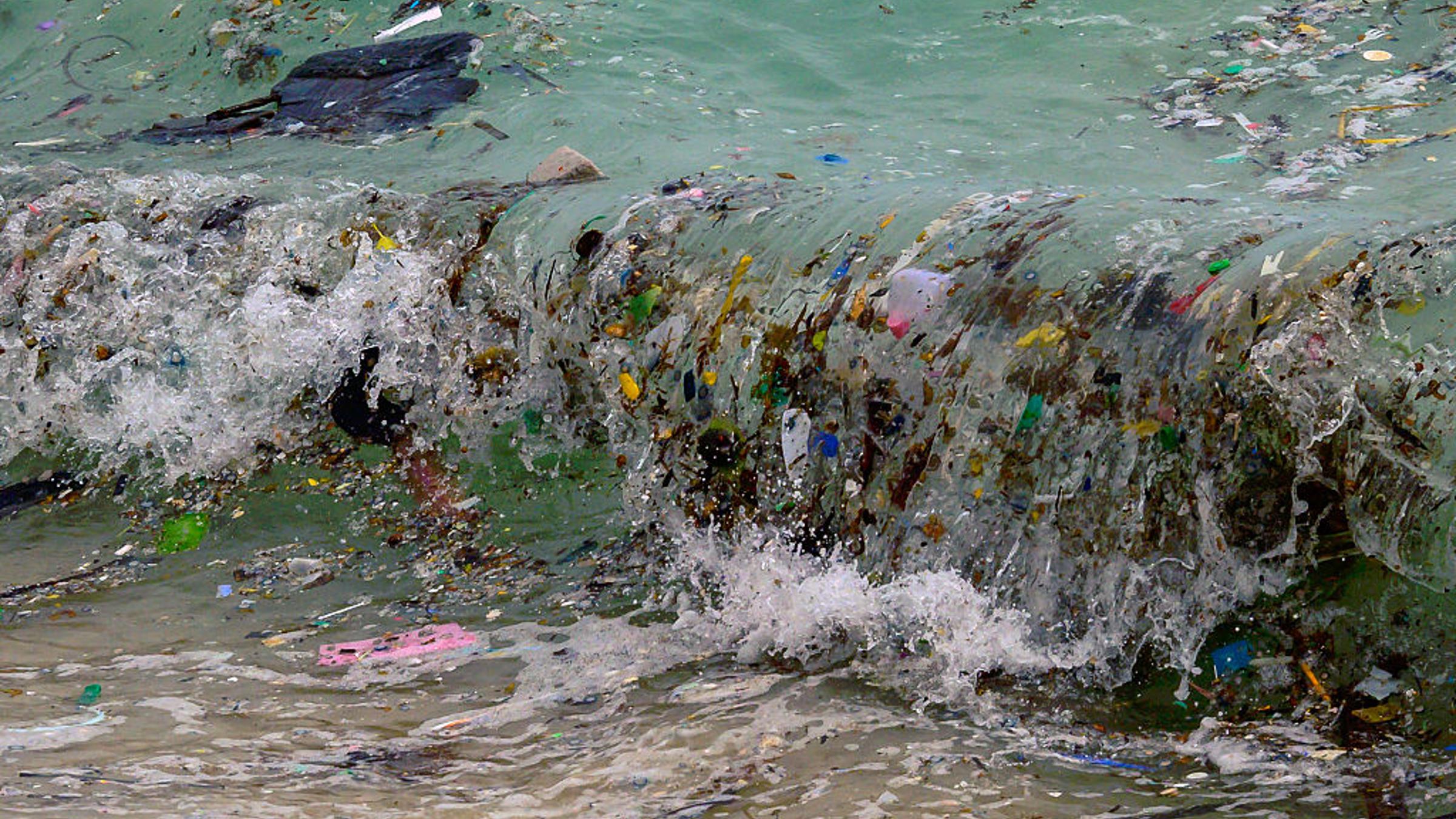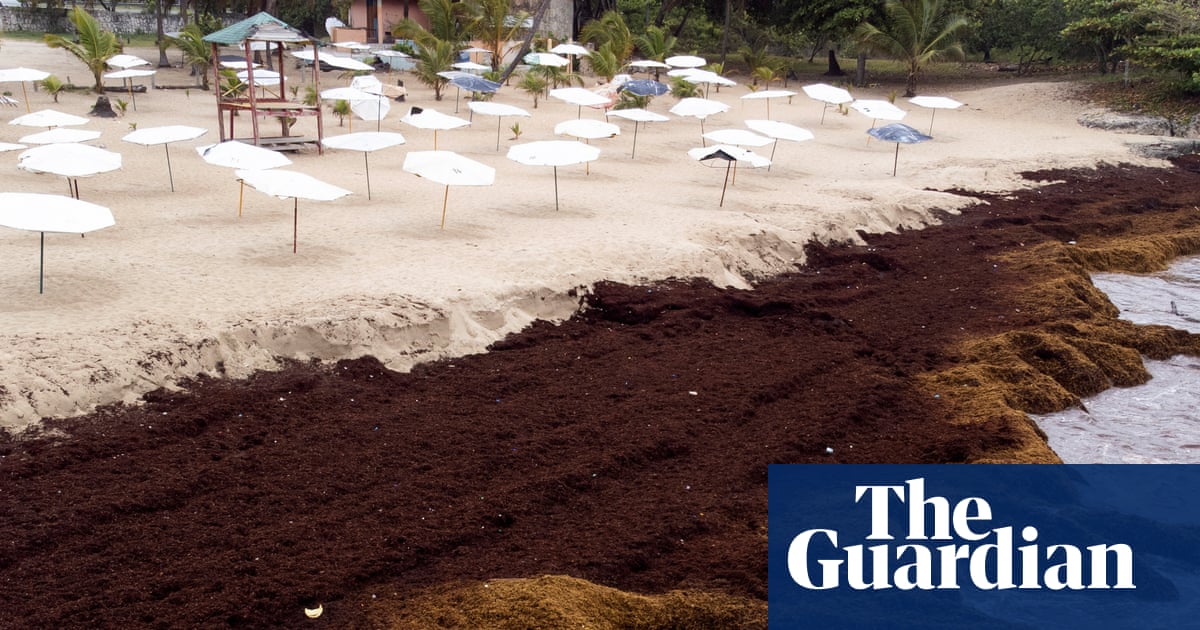
Study links rapid growth of ocean macroalgae to global heating and nutrient pollution
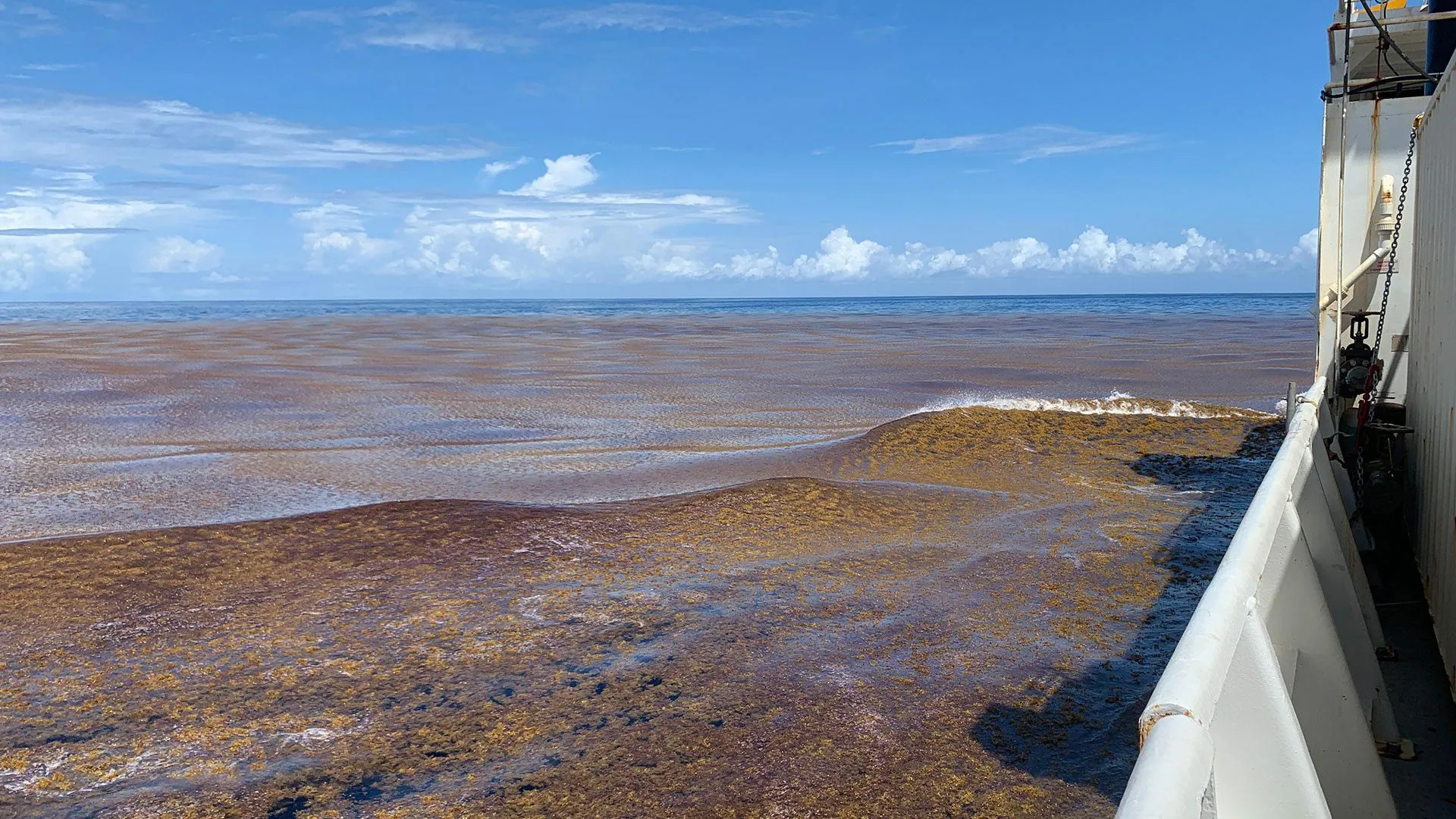
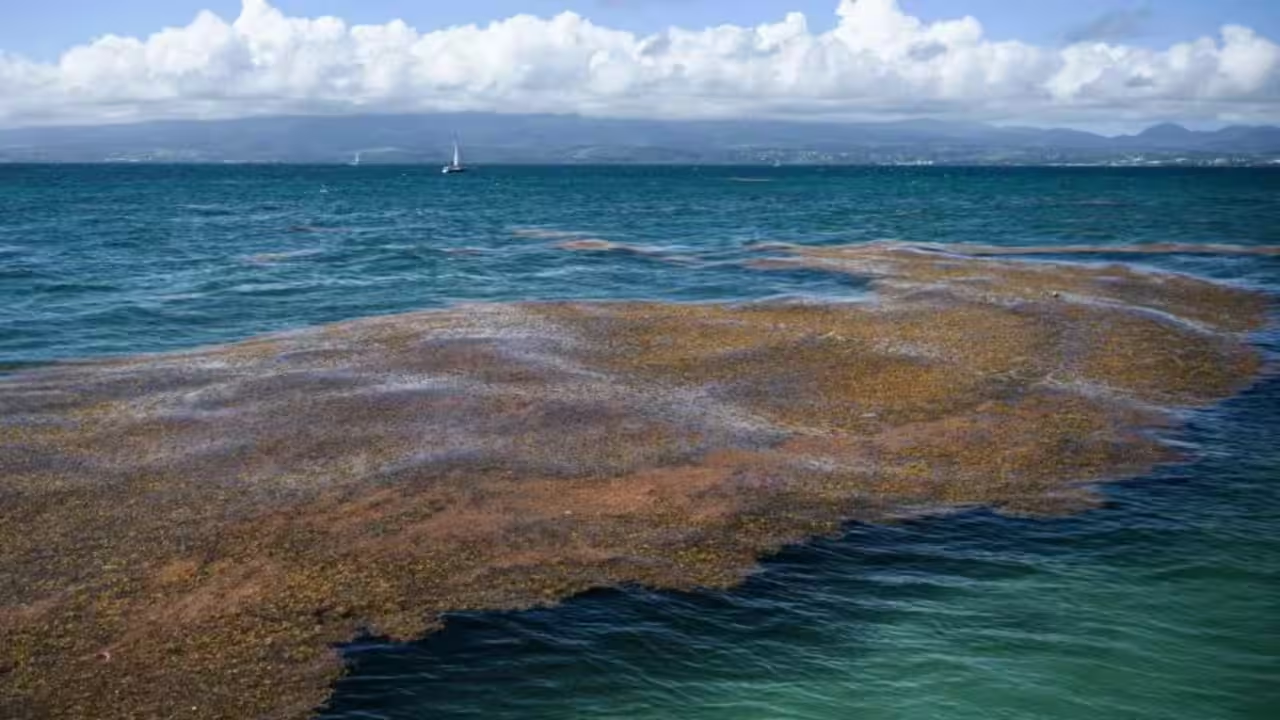
Scientists have warned of a potential “regime shift” in the oceans, as the rapid growth of huge mats of seaweed appears to be driven by global heating and excessive enrichment of waters from farming runoff and other pollutants.
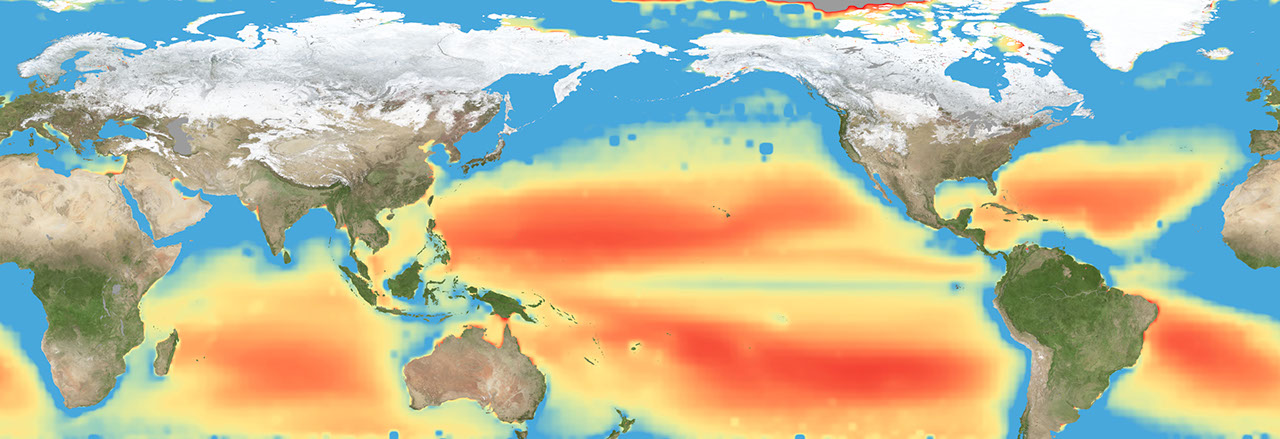
Over the past two decades, seaweed blooms have expanded by a staggering 13.4% a year in the tropical Atlantic and western Pacific, with the most dramatic increases occurring after 2008, according to researchers at the University of South Florida.
In a new paper, they say this shift could darken the waters below, changing their ecology and geochemistry, and may also accelerate climate breakdown.
“Before 2008, there were no major blooms of macroalgae [seaweed] reported except for sargassum in the Sargasso Sea,” said Chuanmin Hu, a professor of oceanography at the USF College of Marine Science and the paper’s senior author.