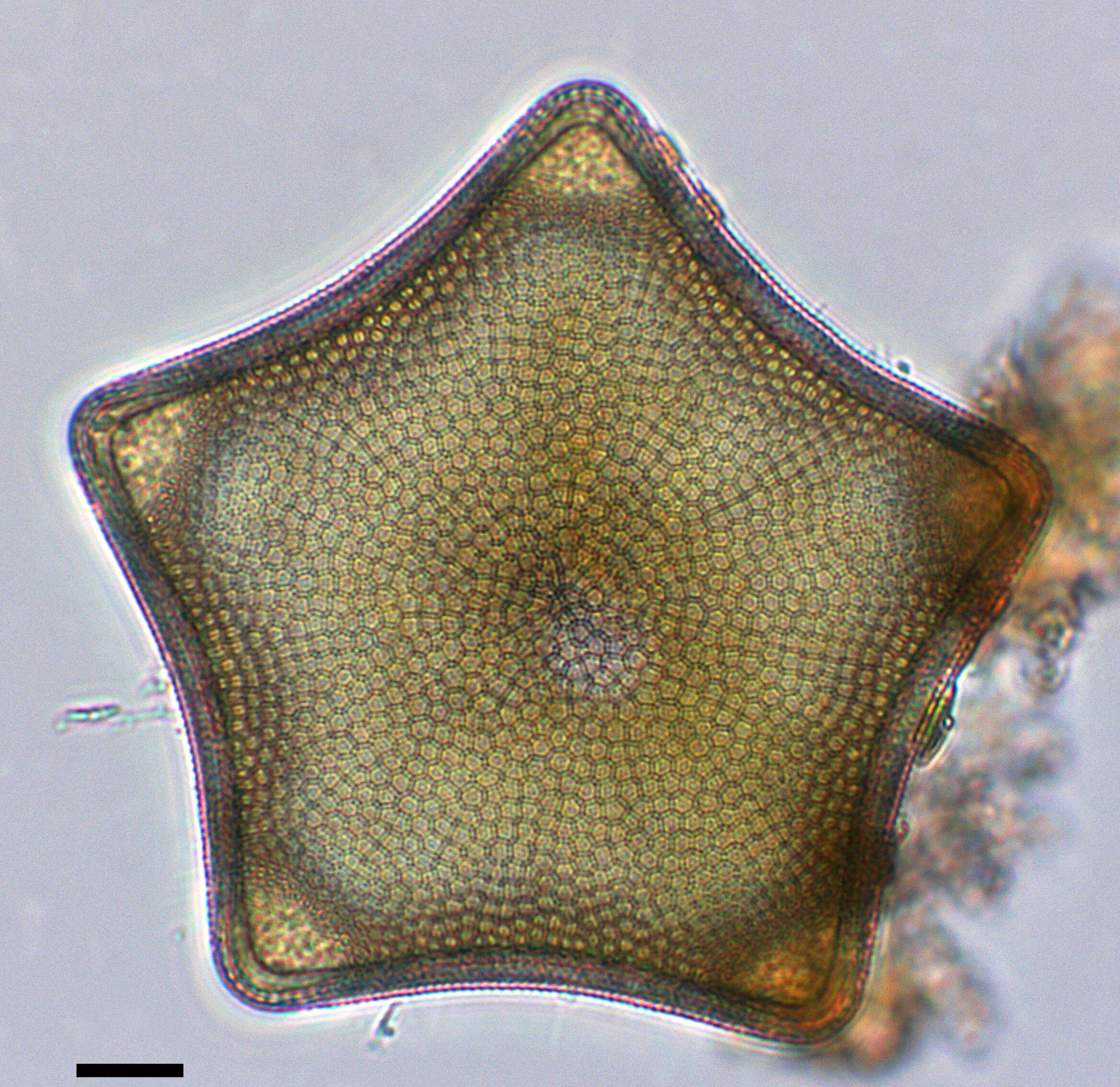
Trigonium quinquelobatum, live cell, valve view. LM. Scale bar: 20 µm. Credit: Biodiversity Data Journal (2026). DOI: 10.3897/bdj.14.e189060
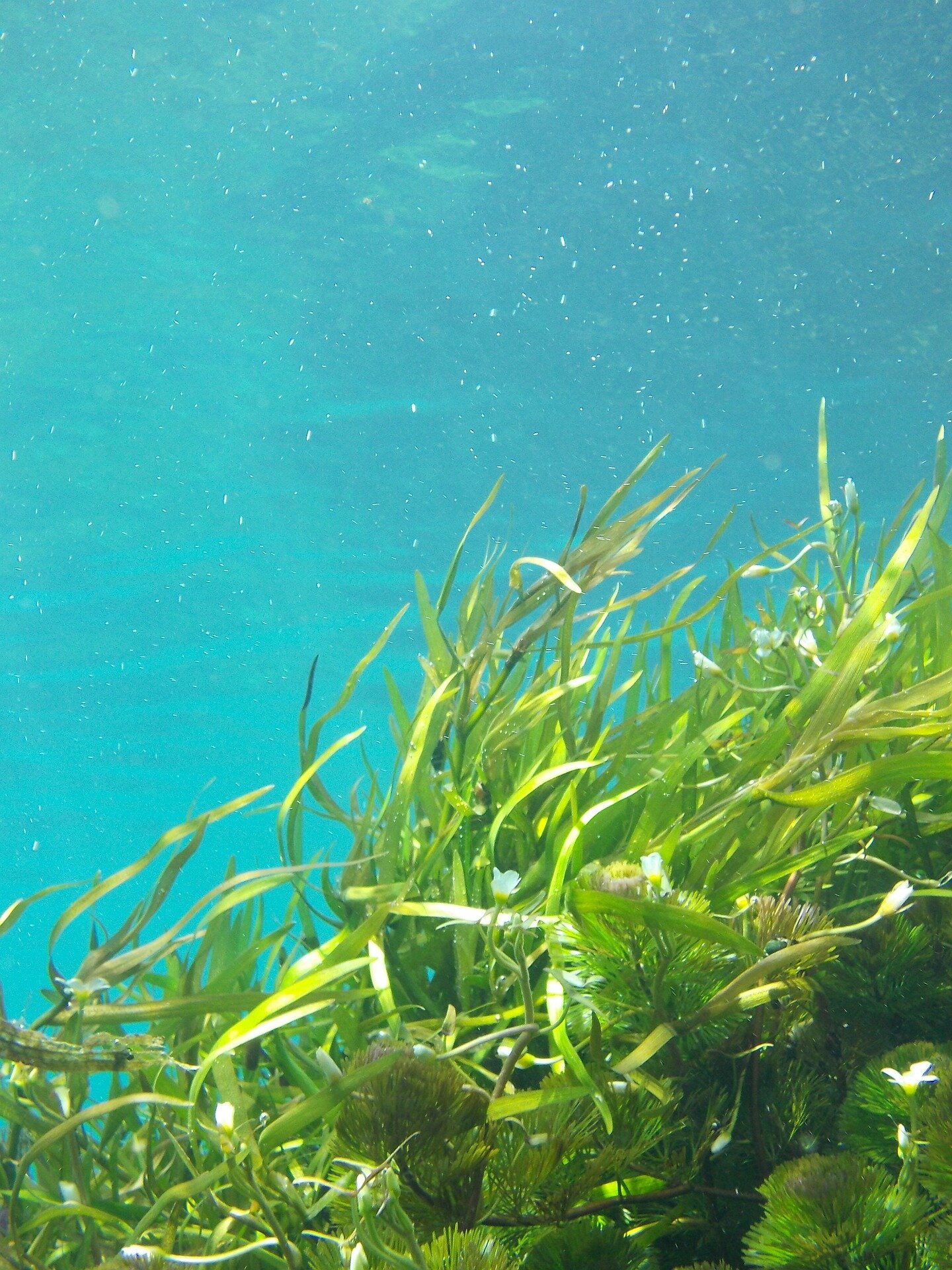
As primary producers at the base of marine food webs, diatoms are key indicators of environmental change, providing critical insight into the health and resilience of the Salish Sea bioregion. A team of Canadian scientists has recently compiled a new, consolidated checklist of diatoms—a major group of photosynthetic microalgae—for the Salish Sea, northeast Pacific. Integrating historical records with new reports, this first comprehensive baseline establishes a foundation for assessing diatom diversity in the region. The checklist appears in the Biodiversity Data Journal.
Though invisible to the naked eye, the ecological importance of phytoplankton continues to be underestimated. Recently, the UN Global Compact released "The Plankton Manifesto," highlighting how these microscopic organisms are crucial for addressing the "triple planetary crisis" of climate change, biodiversity loss, and pollution. Diatoms, a major group of photosynthetic microalgae, are particularly powerful in driving roughly 20% of global photosynthesis and forming the very base of marine food webs.