view more
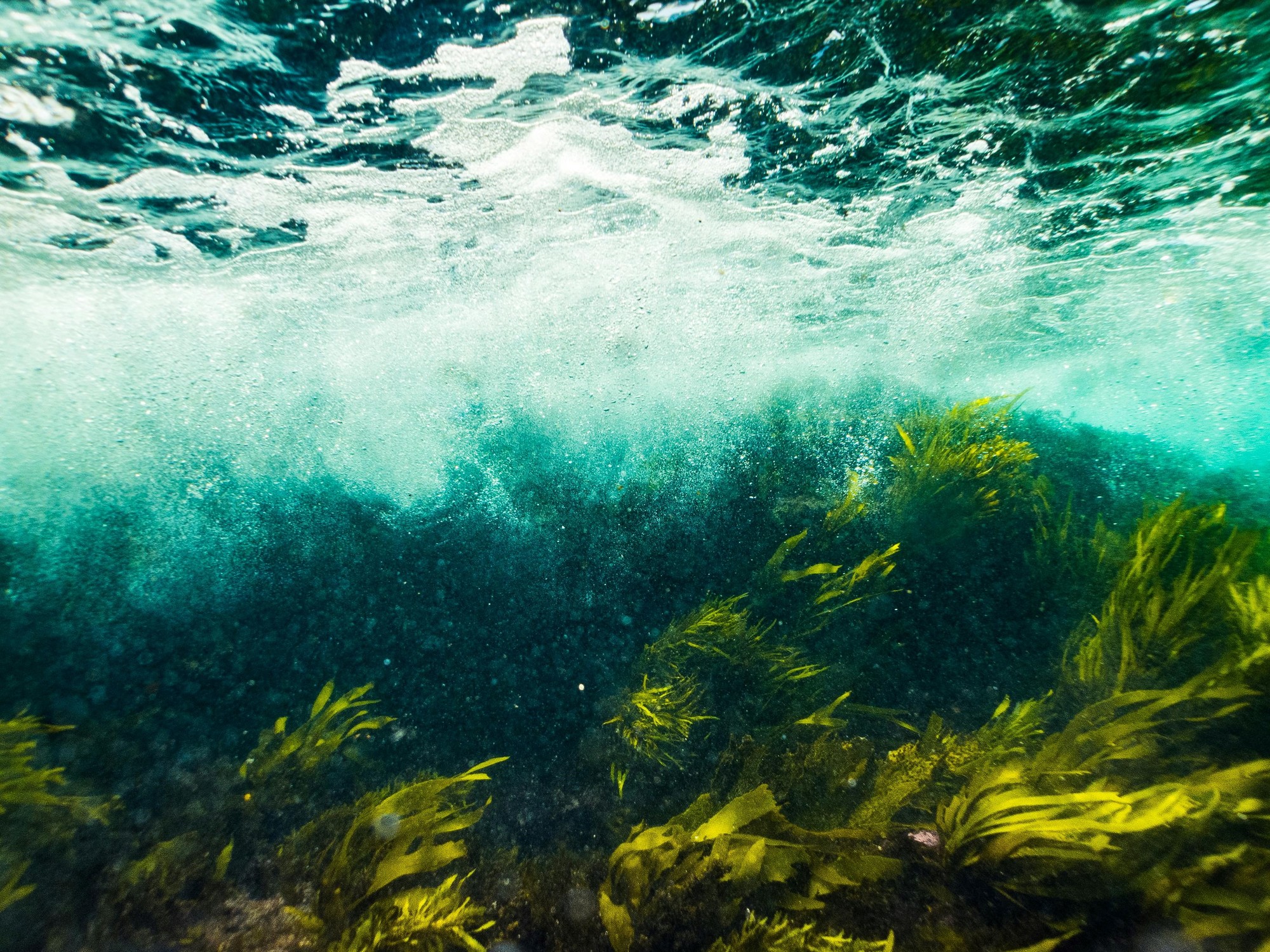
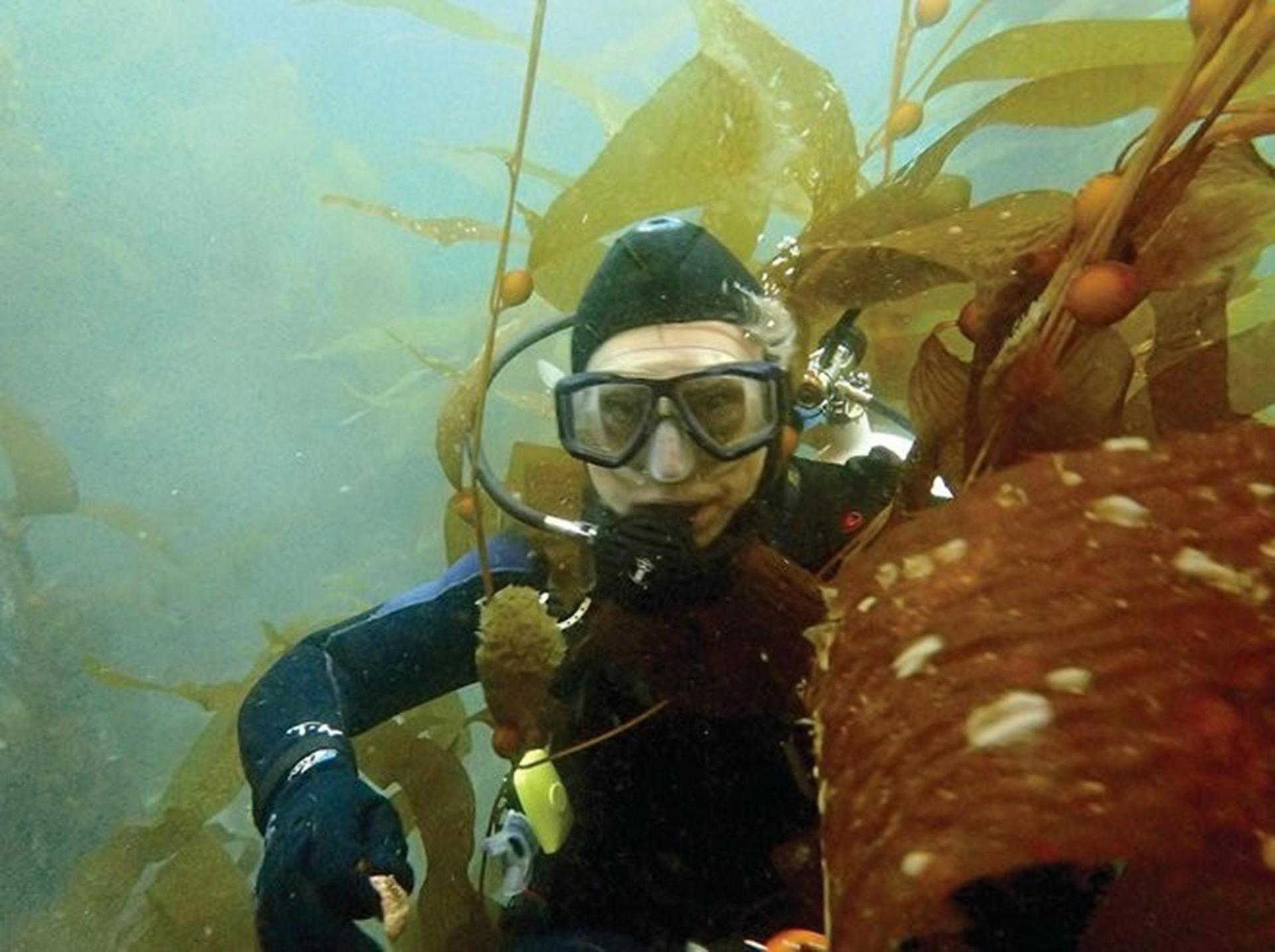
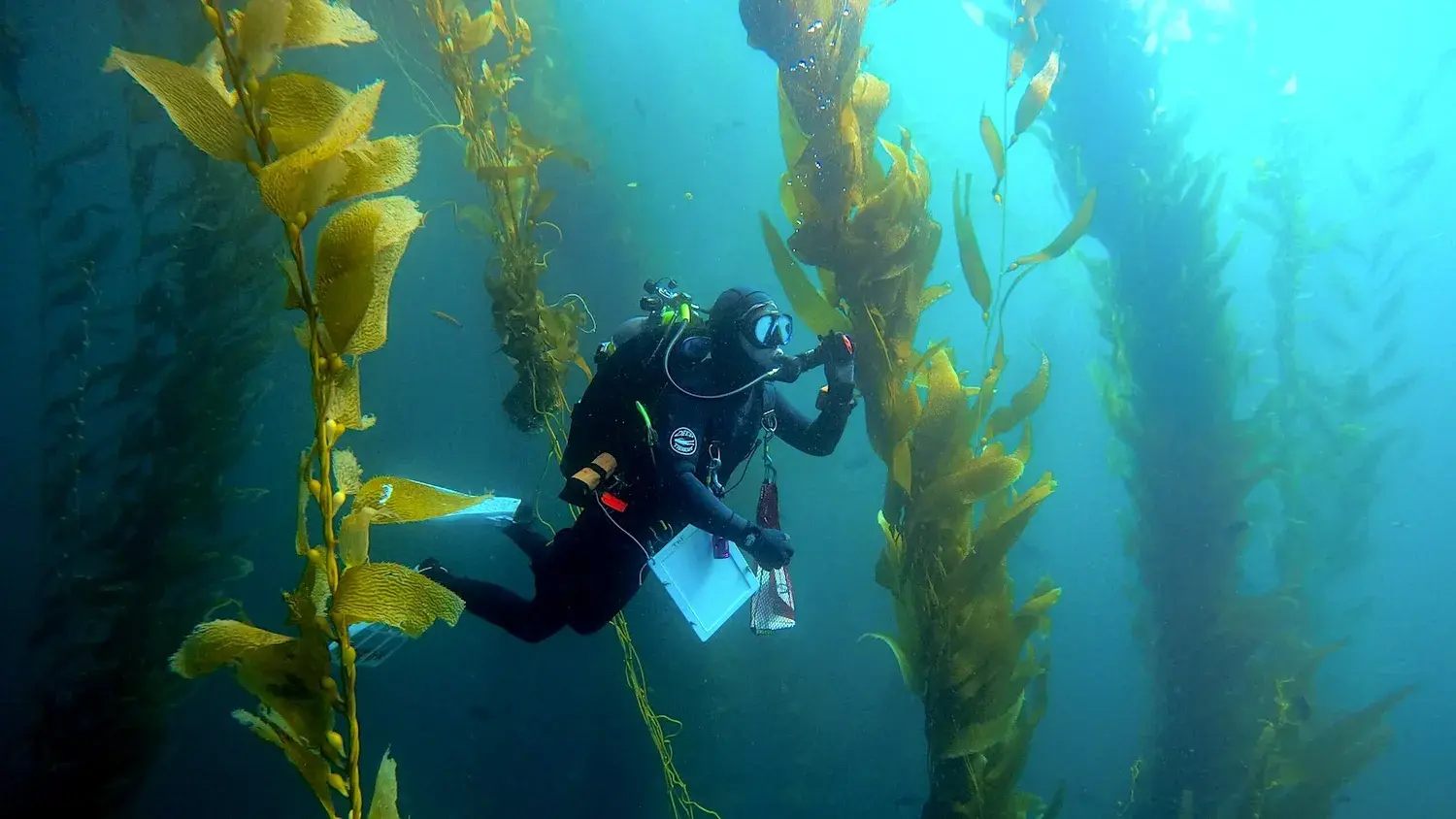
The loss of dense kelp forests along the Maine coast — and the northward proliferation of small, carpet-like turf algae in its place — is accelerating as the ocean warms, according to new research by scientists at Bigelow Laboratory for Ocean Sciences.
Published recently in Ecology, the research shows that warming is facilitating the arrival of new species into the Gulf of Maine, and that the transition from kelp forests to turf reefs has progressed rapidly in recent years. The study, which covers some of the hottest years on record in the region, highlights both the direct and indirect impacts of environmental change on temperate reef ecosystems and the vital services they provide.
“The progression of this shift from kelp forests to turf algae played out right before our eyes,” said Senior Research Scientist Doug Rasher, the senior author on the paper. “We’re digging into what’s driving this transition, and what’s being gained or lost as a result, which allows us to speak more to the future of this ecosystem.”
The new paper builds on previous research published by Rasher’s team, including a study published in 2024 that provided a coastwide assessment on the state of Maine’s kelp forests up to 2018. That analysis, combined with long-term monitoring data from the Department of Marine Resources, drew a causal link between kelp forest decline and rising ocean temperatures. It also documented a widespread shift to turf algae in the southern reaches of the coast. Subsequently, the team examined several of the consequences of that state shift, including changes to the reef’s chemical environment and its food web dynamics.