The third year of a global Ocean Census has revealed 1,121 potentially new-to-science marine species, including a worm that lives inside a “glass castle,” a ghost shark, and a carnivorous sponge.
The Ocean Census, launched in April 2023, aims to discover and describe marine life “at speed and at scale” before it is lost. The initiative is a joint mission of the Nippon Foundation, a nonprofit philanthropic organization in Japan, and Nekton, a marine science and conservation institute in the U.K.
In just three years, scientists from around the world have discovered more than 2,000 marine species. Of these, roughly half were found between April 2025 and March 2026, Michelle Taylor, head of science at the Ocean Census, told Mongabay by email.
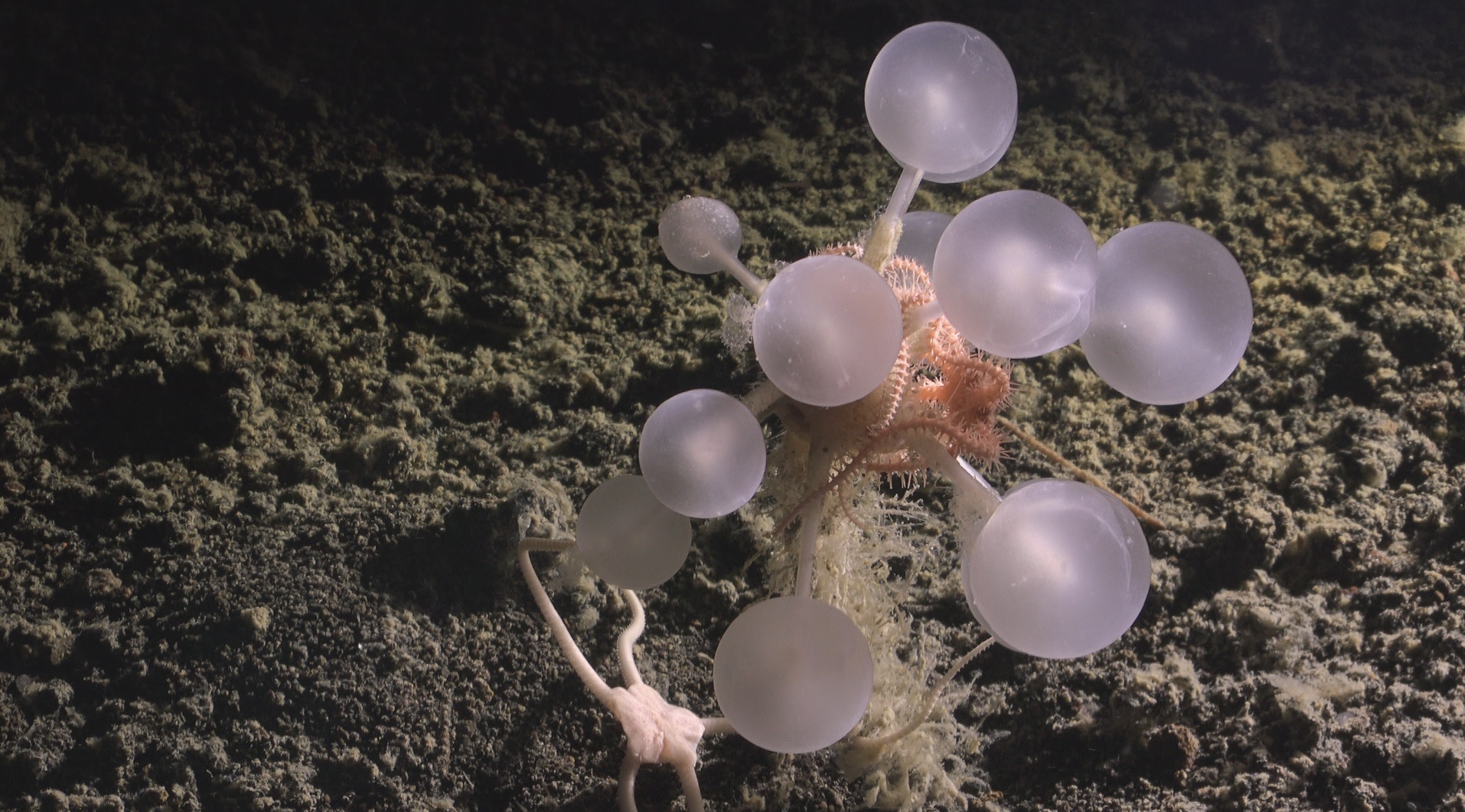
Among the newly described species is a polychaete worm, Dalhousiella yabukii, discovered last year during a deep-sea expedition off Tokyo. The worm, found at a depth of 791 meters (2,595 feet), lives in symbiotic relationship within a glass sponge. These sponges build castle-like structures using silica, the same material in glass.
“The polychaete gains protection from the spiky glass silica spines that form the sponge architecture and the sponge gains nutrients from the polychaete. A match made in deep-sea heaven,” Taylor said.