ByDavid Bressan,
Senior Contributor.
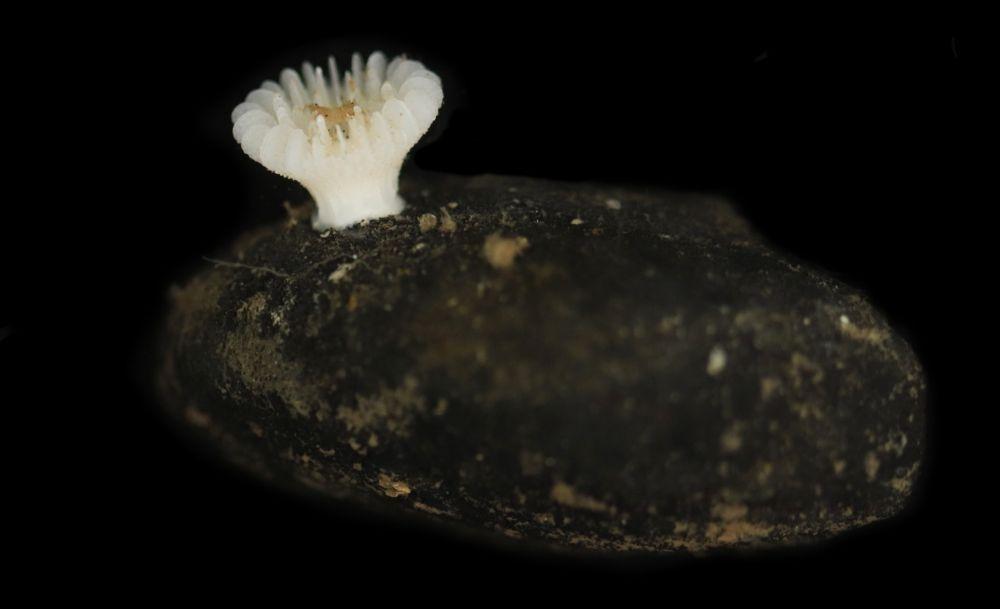
An international research team led by Senckenberg scientist Dr. Nadia Santodomingo and Dr. Guadalupe Bribiesca-Contreras from the U.K. National Oceanography Centre (NOC) have discovered a new species of deep-sea coral that lives attached to polymetallic nodules – the same mineral-rich rocks that are the focus of growing international interest for deep-sea mining.
Deltocyathus zoemetallicus was found more than 4,000 meters below the sea surface in the Clarion–Clipperton Zone (CCZ), an area of the eastern Pacific Ocean where the seafloor is covered by black, roughly fist-sized concretions known as polymetallic nodules. This is the first known Scleractinian coral to live directly attached to such nodules, as reflected in the species’ name meaning zoe = life and metallicus = metal.
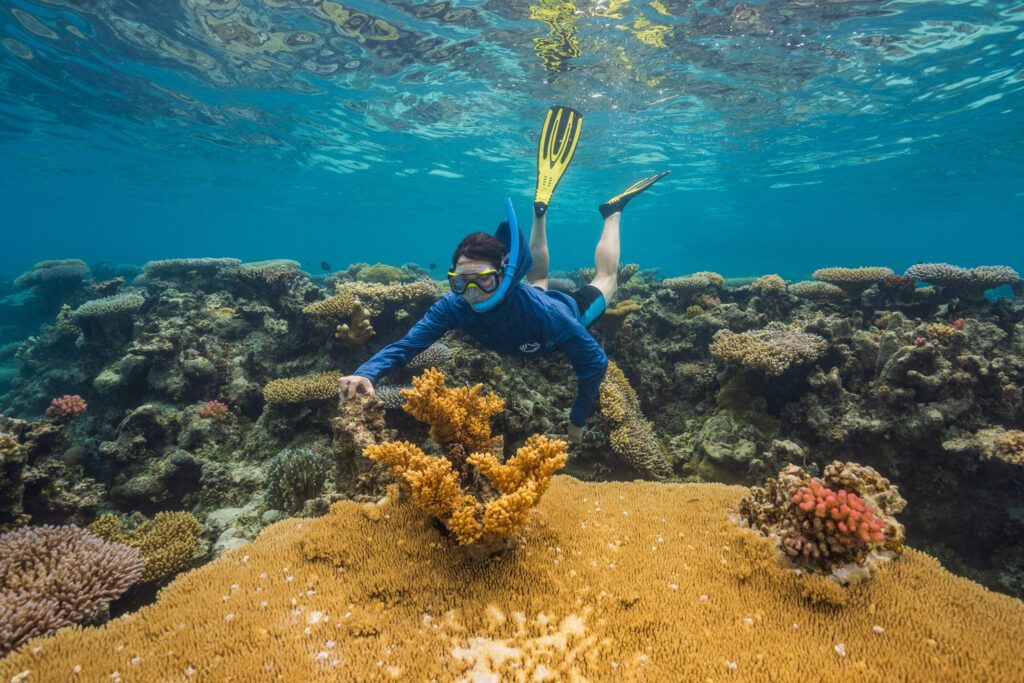
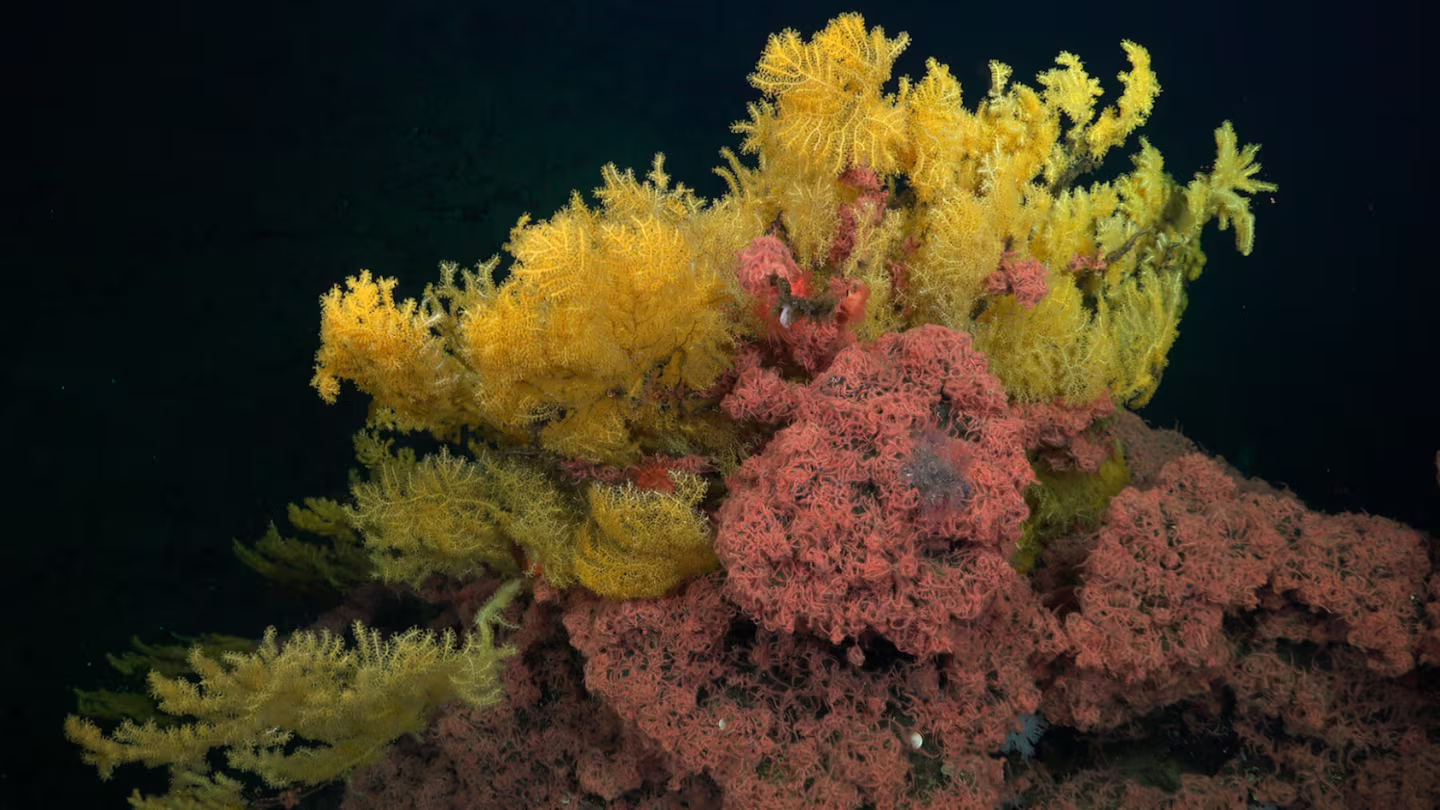
Scleractinian corals, also known as stony corals, are marine animals that build hard skeletons made of calcium carbonate. While most people associate them with shallow tropical reefs, many species live isolated on the seafloor, survive in cold waters and even thrive in the deep sea.