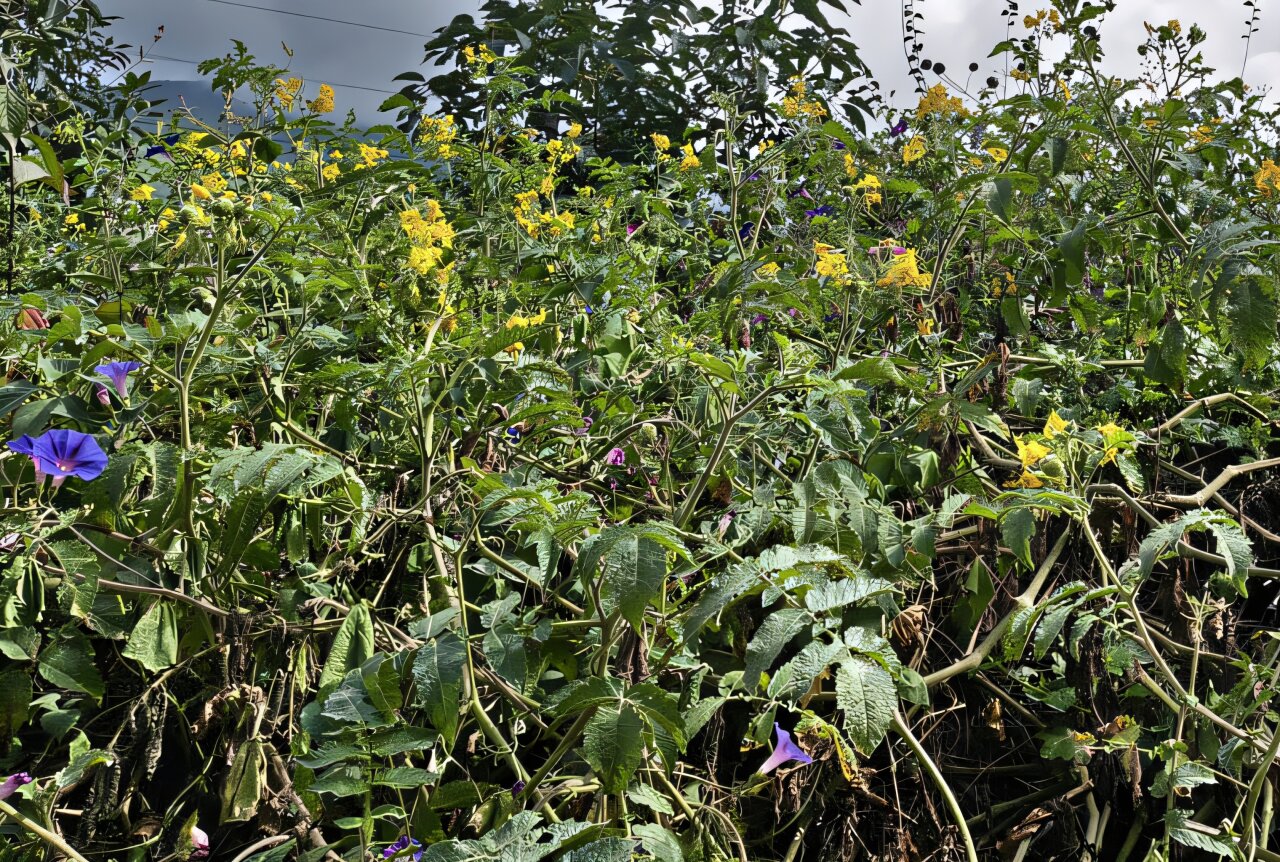
An international team of researchers has uncovered how the wild ancestors of modern crops hold the key to preserving and restoring the planet’s hidden soil biodiversity. The study found that crop wild progenitors (CWPs) foster unique and ecologically vital underground communities of microorganisms, offering valuable insights for sustainable agriculture and climate-resilient ecosystems.
Led by María José Fernández-Alonso of the Universidad Autónoma de Madrid, Spain, the consortium included 25 research groups from 11 countries — Spain, India, Australia, Mexico, the United States, Argentina, China, Germany, Switzerland, Israel, and Chile.
From India, Appa Rao Podile of the University of Hyderabad’s Department of Plant Sciences, along with his team members Ch. Danteswari and P.V.S.R.N Sarma, participated in field studies involving wild relatives of the ‘little millet’ crop, according to a press release issued here on Thursday.
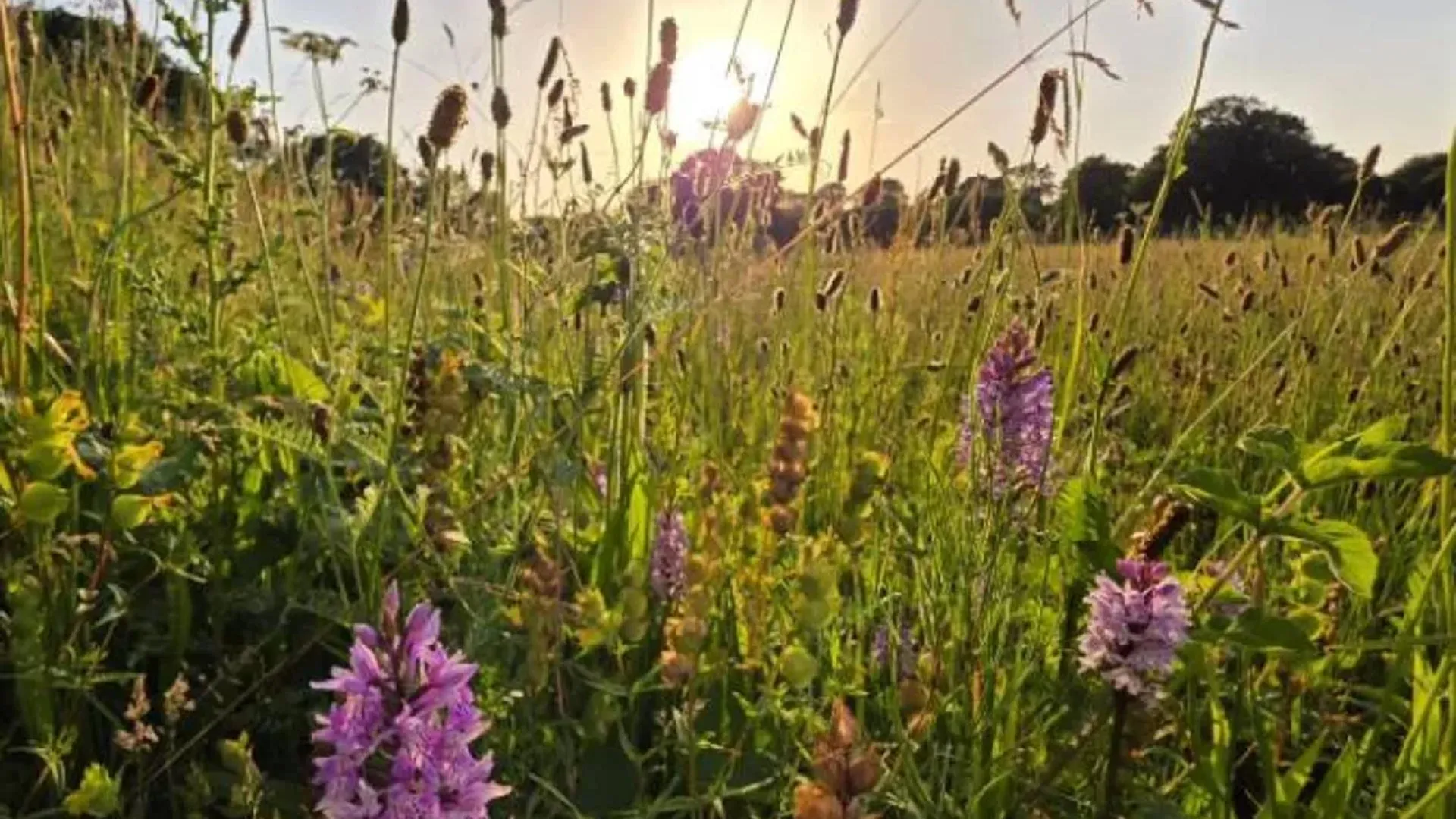
Researchers studied 125 populations representing 10 CWPs collected from their native habitats across diverse global environments. Detailed analyses of soil samples revealed that these wild relatives host rich and distinct microbial ecosystems — including bacteria, fungi, protists, and invertebrates — each finely adapted to their specific environmental conditions.