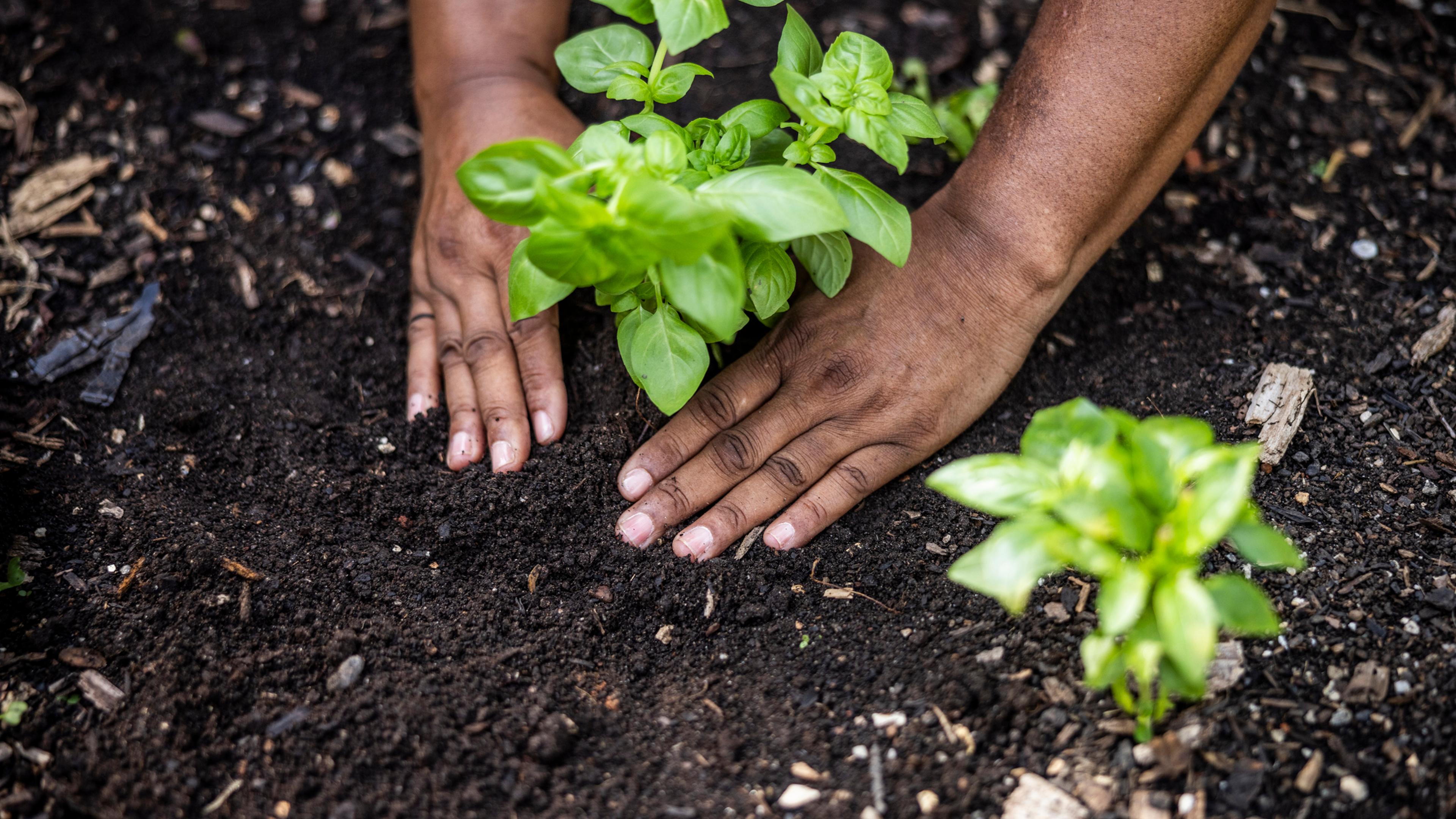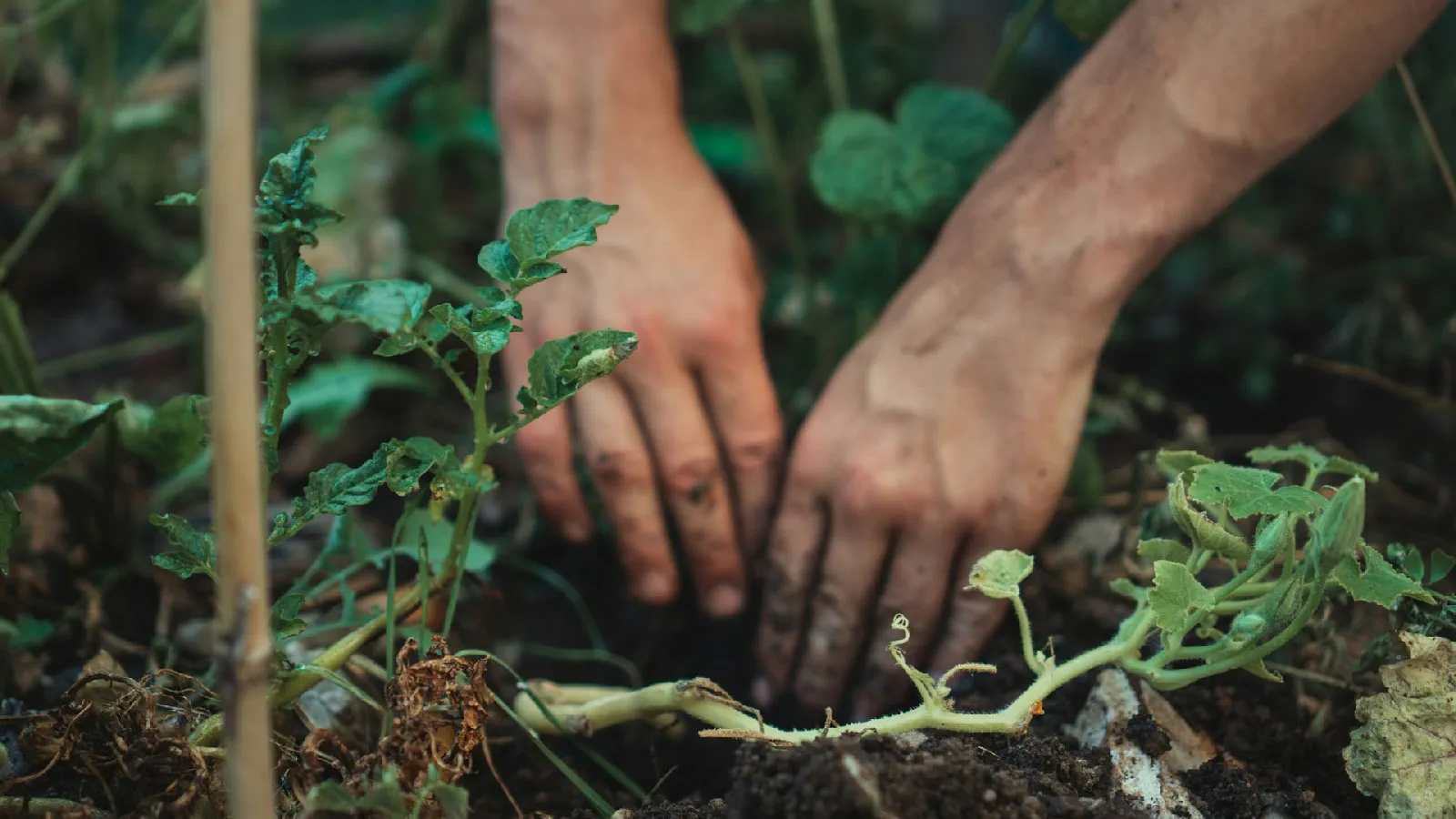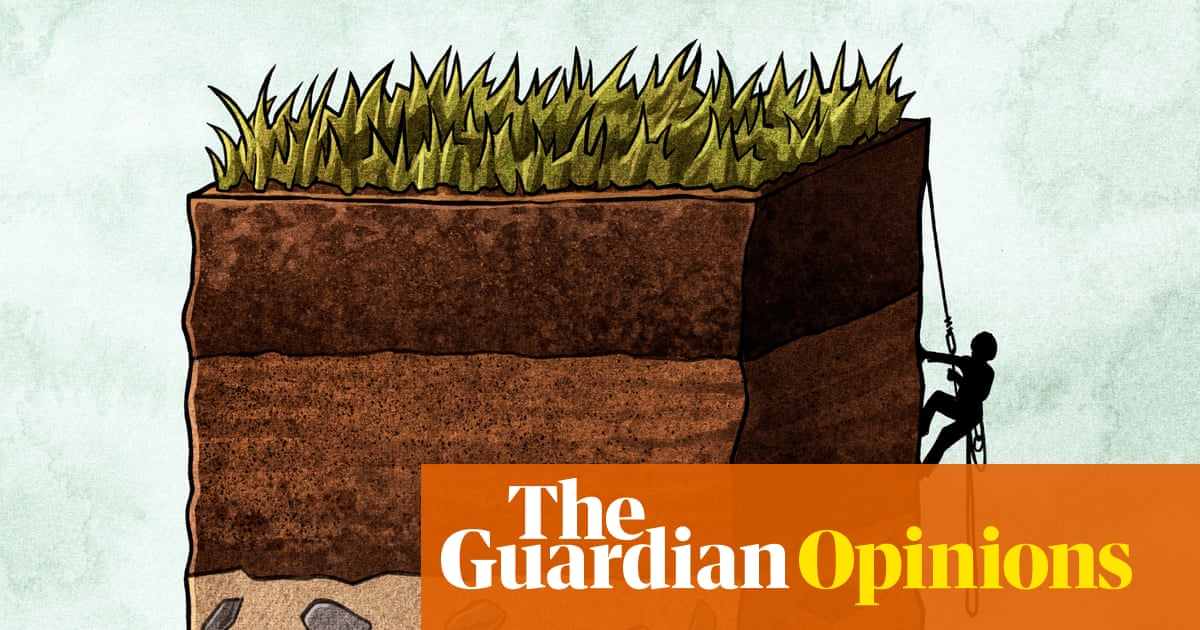
Many people think of soil as dirt, but it is much, much more. Healthy soil is full of life, and we depend on it for the food we eat and many aspects of the air we breathe and the climate we live in. I think a lot of people do not see soil in this way, particularly if you have grown up and live in an urban environment, and that’s a broken relationship we need to address.
Soil is a dynamic system where microbes like bacteria and viruses and tiny animals and plants interact in all sorts of ways. We see a lot of these interactions in the “rhizosphere”, which is the narrow zone of soil surrounding plant roots. For example, the plant roots release food for microbes, and in return, the microbes can help plants by supplying specific nutrients and by suppressing organisms that cause disease or harm to the plant. It is a busy, highly interactive space that plays a crucial role in plant health and soil function.
Soil plays a crucial role in storing and releasing carbon and other greenhouse gases. This means it can act as both a sink, storing carbon, and as a source, releasing it into the atmosphere. And because soil is alive and constantly “breathing”, understanding these processes is essential for predicting and managing climate change.