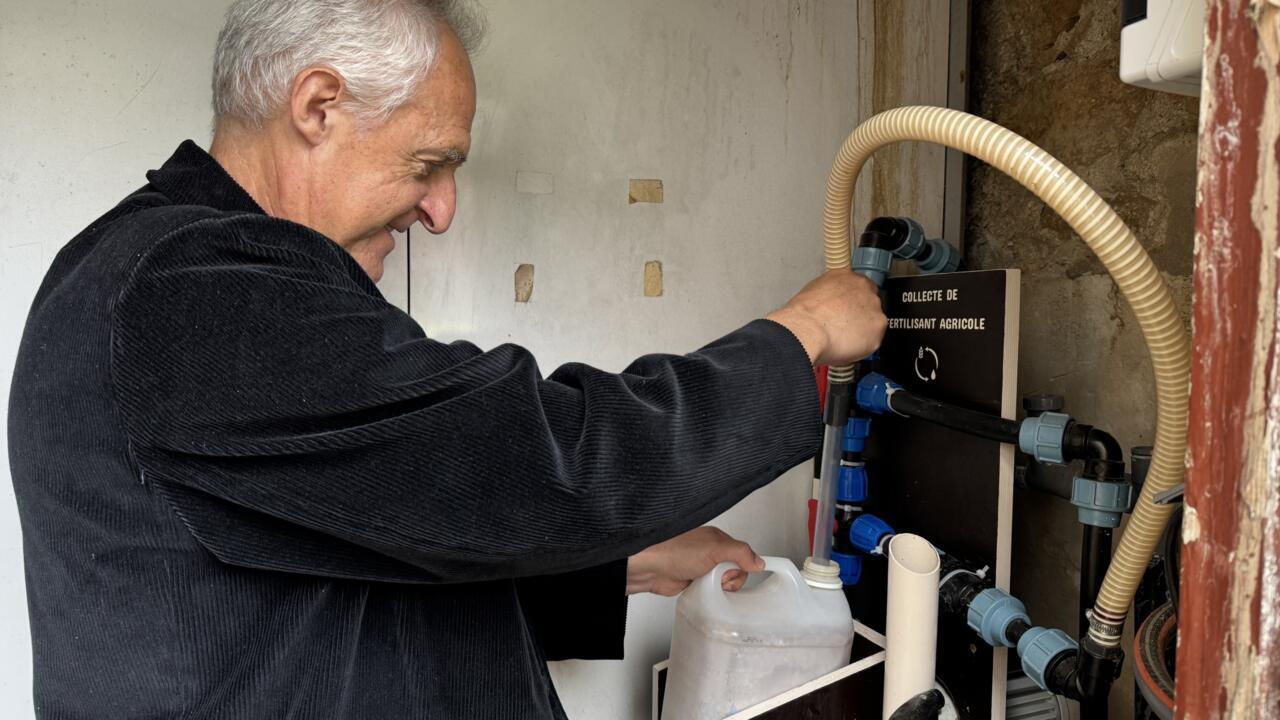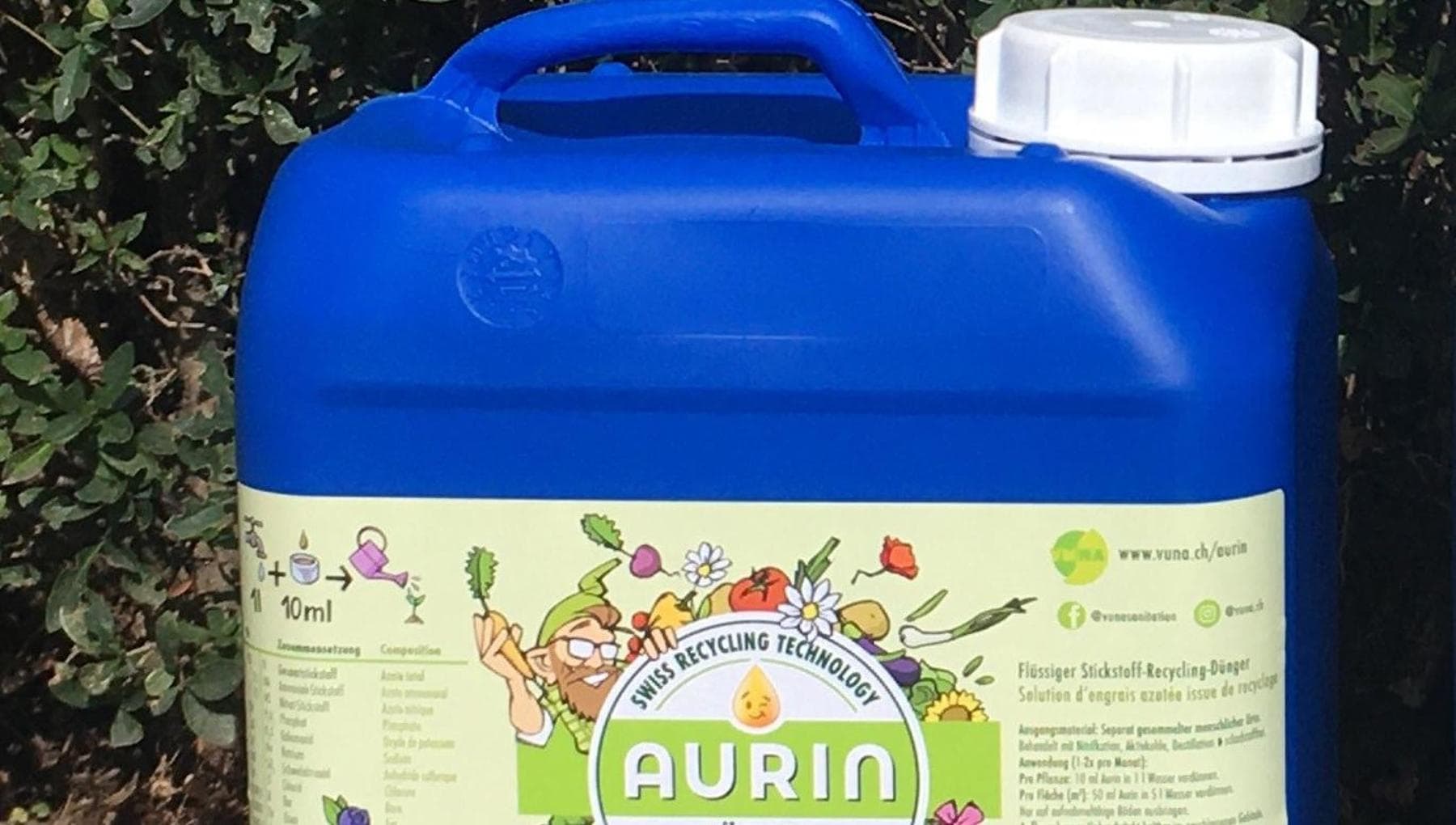
A researcher at the École Nationale des Ponts et Chaussées (France's prestigious civil engineering school), Fabien Esculier has spent the past 20 years working on the agricultural recovery of human excrement. In 2014, he founded the OCAPI program (Organization of Carbon, Nitrogen and Phosphorus Cycles in Local Areas), which is reinventing millennia-old practices that have been forgotten for 50 years. In Une Autre Histoire des Excréments ("A Different History of Excrement"), he traces the fate of this vital resource, now a costly and troublesome waste.
You are working to rehabilitate human-derived fertilizers. Why is this important?
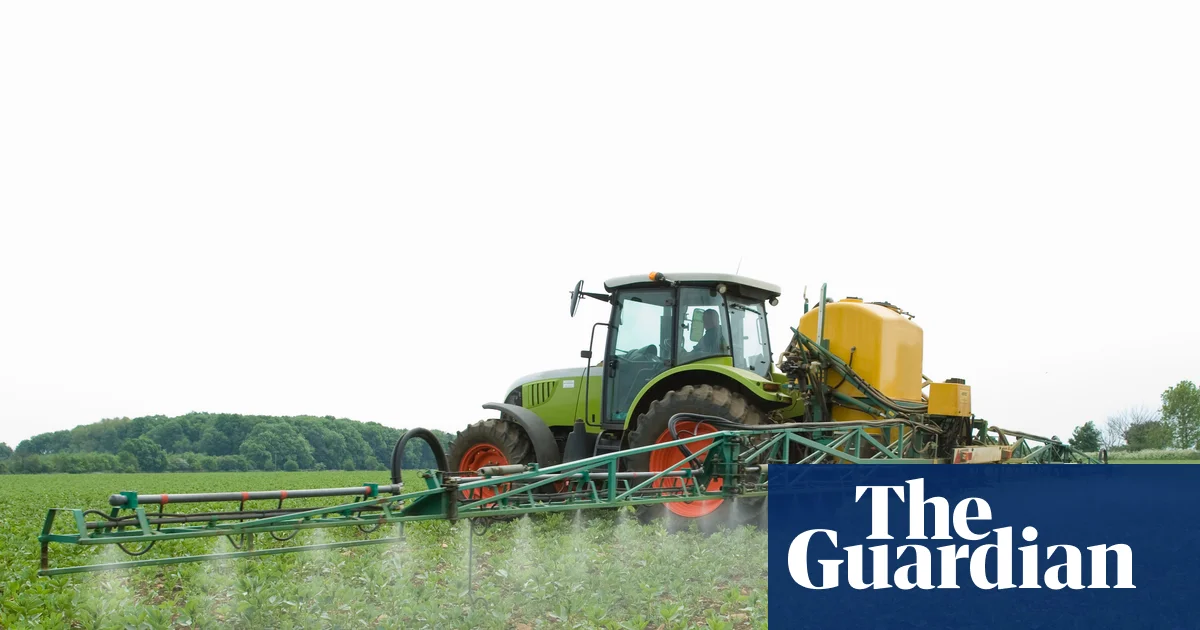
We spend enormous sums destroying the nitrogen in our waste at water treatment plants. And we dedicate just as much energy and money to manufacturing the same amount of nitrogen in the form of fertilizer to feed ourselves. The wars in Ukraine and the Middle East have exposed the disastrous effects of dependence on fossil fuels for our food security. France purchases nitrogen fertilizer or imports the gas needed to produce it from Russia or Qatar. As long as we remain dependent on fossil-based fertilizers for our survival, our food sovereignty will be an illusion.