Excrement contains nutrients needed for crop growth and a new source of them could cut farming’s huge CO2 output
Charcoal made from human waste could help solve fertiliser shortages as well as reduce pollution and energy use, a study has found.
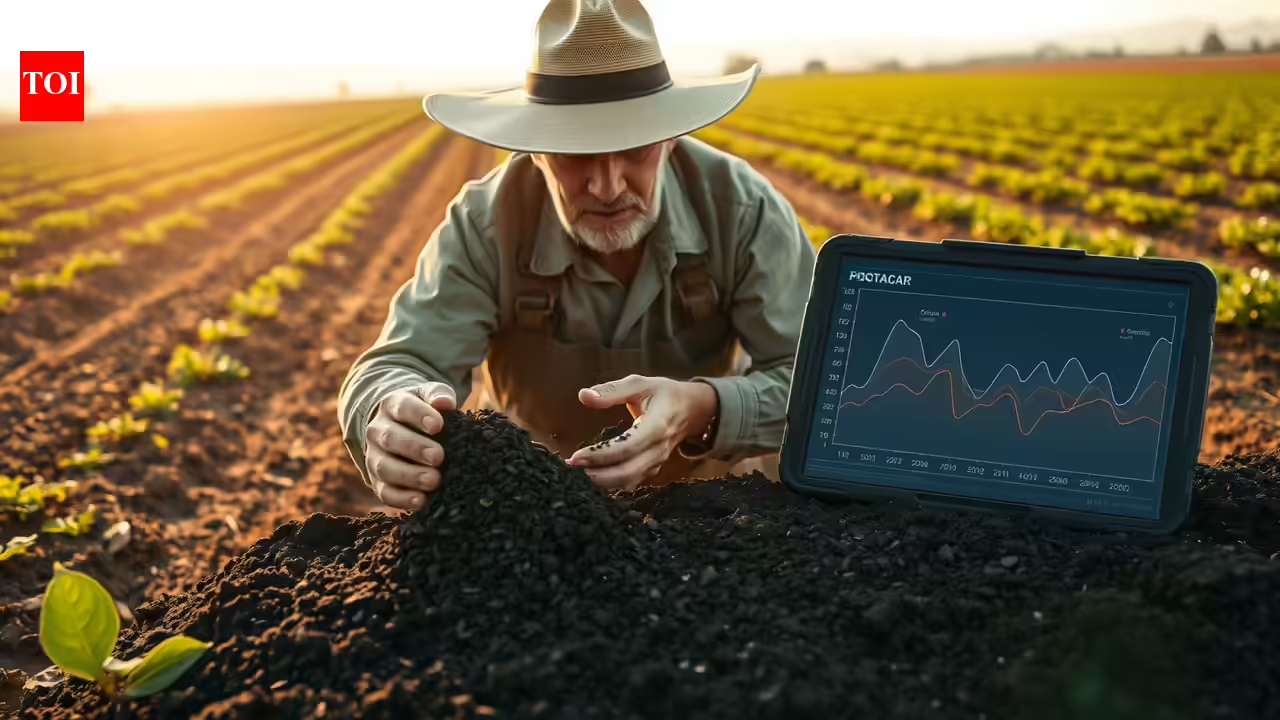
Biochar is a form of charcoal made from organic matter treated at high heat, which is often used on farming soil as a fertiliser. The process also removes carbon from the atmosphere, making it a useful carbon sink.
The study estimated that biochar made from solid human excrement could provide up to 7% of the phosphorus used around the world each year. Although the biochar process converts only solids, nutrients taken from urine could be added to it, and the researchers found this could provide for 15% of annual phosphorus application, 17% of nitrogen, and up to 25% of potassium.
Treated sewage sludge is already spread on farmland, but its use is controversial as it often contains microplastics, heavy metals, Pfas forever chemicals, pathogens, and pharmaceuticals.The researchers say biochar can avoid this problem by separating the waste at source.