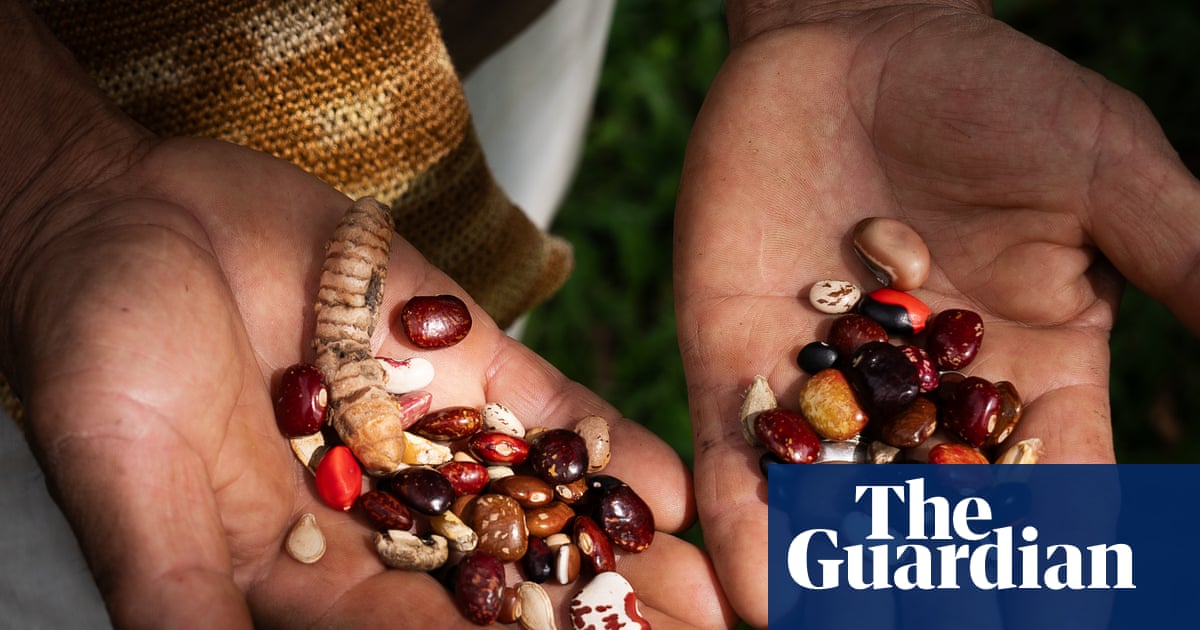
Biotech companies say genetically modified plants give higher yields and reduce pesticide use. But in rural communities, questions are growing over who really benefits – and the threat to native varieties
O
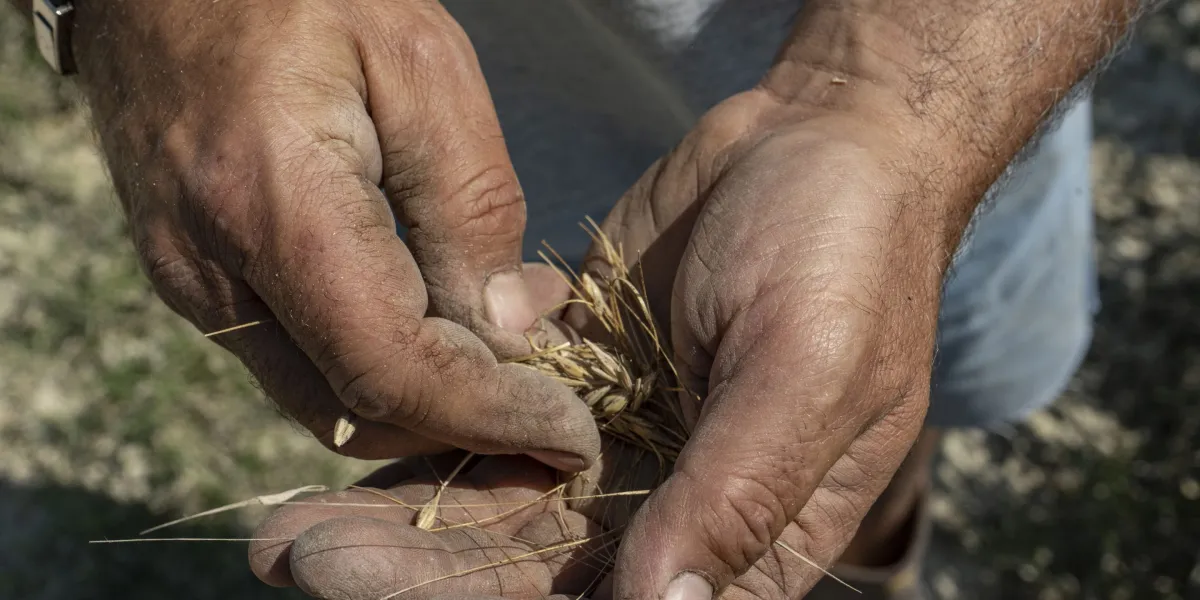
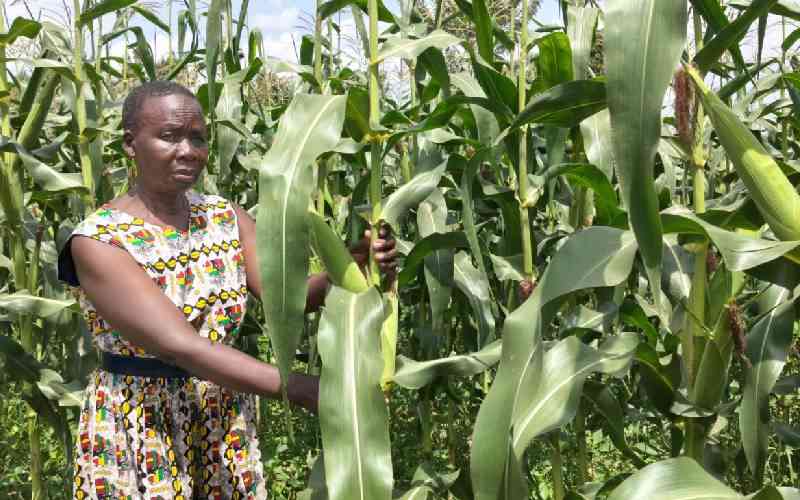
n a hillside farm in San Lorenzo, in the mountains of Colombia’s southern Nariño department, Aura Alina Domínguez presses maize seeds into the damp soil. Around her, farmers Alberto Gómez, José Castillo and Javier Castillo arrive with their selected seeds, stored in shigras – hand-woven shoulder bags – as has been done for generations.
In San Lorenzo, they call themselves “seed guardians” for their role in protecting this living heritage and passing it down the generations. “Each seed carries our grandparents’ story,” says Domínguez, arranging the dried cobs that hang from her rafters.
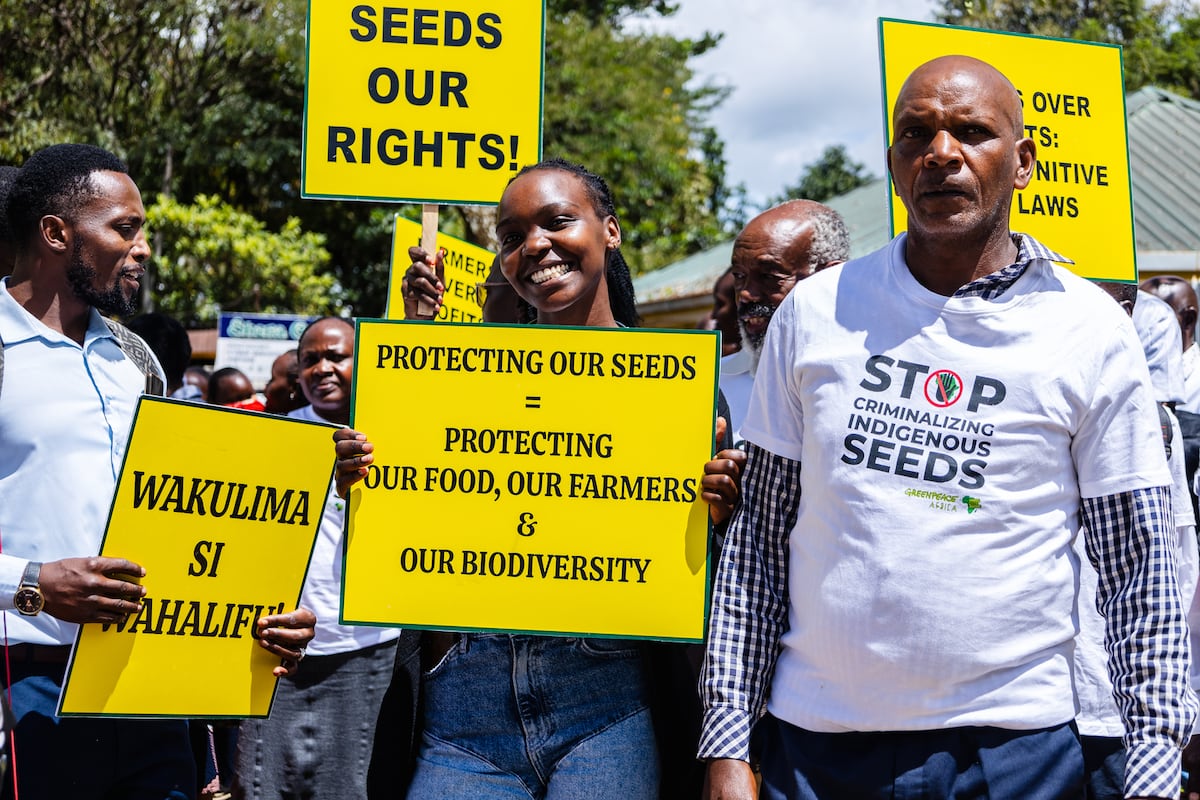
Domínguez, Gómez, and the Castillos are among the farmers supporting draft legislation, under review by the lower house of the Colombian parliament, that would ban genetically modified (GM) seeds, which they claim threaten their traditions, livelihoods and food sovereignty.