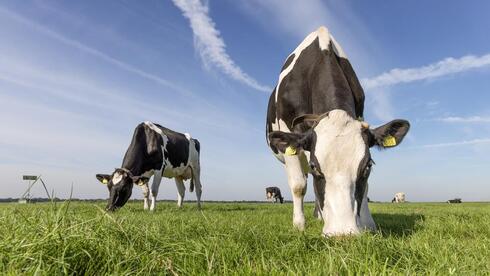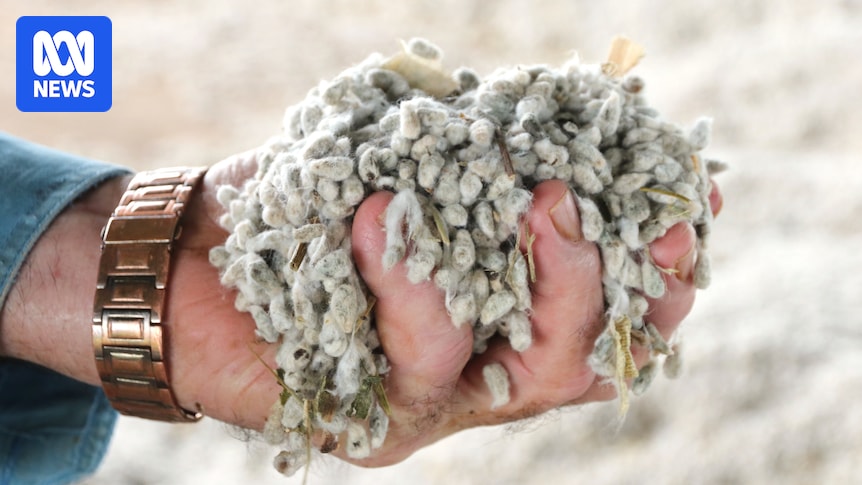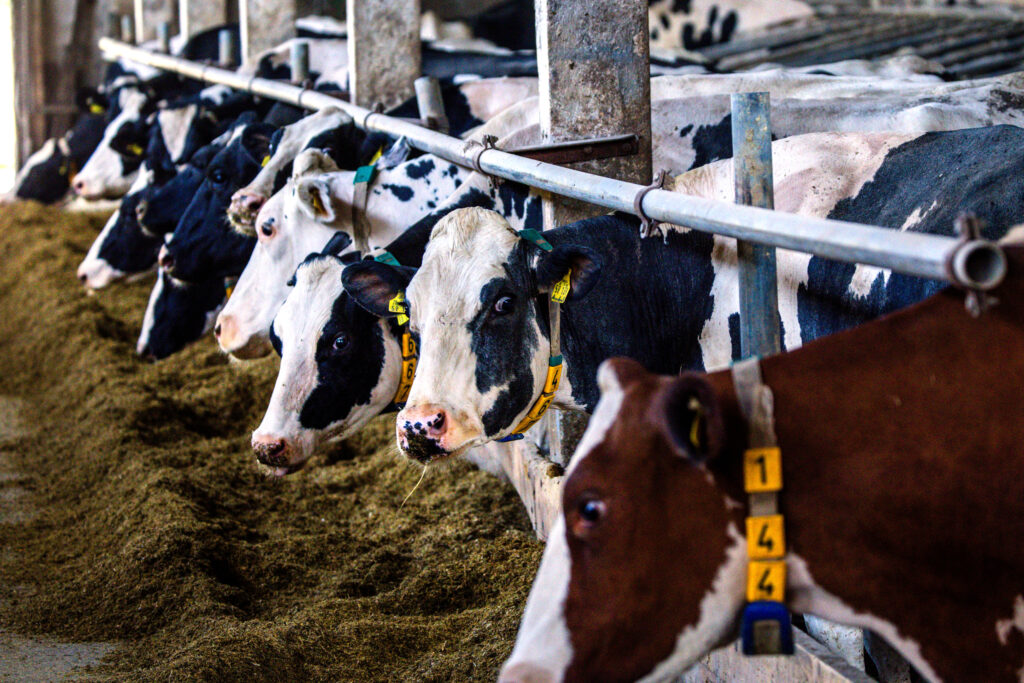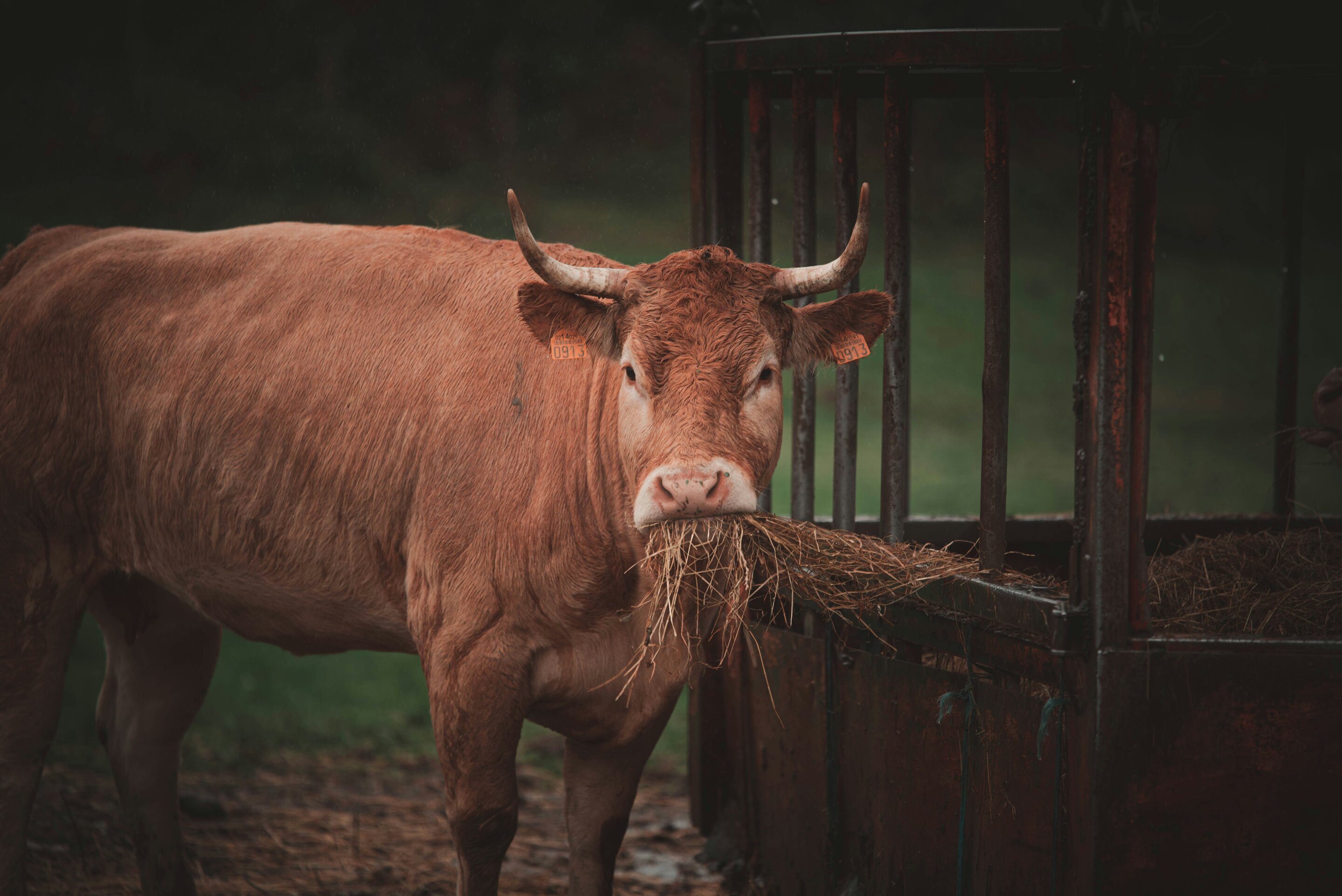
Cows eat grass...everyone knows that. But climate change is forcing producers and scientists to rethink some of our long-held assumptions about livestock nutrition. Crop costs are climbing. Traditional pastures are under pressure. And researchers are casting a wider net for unconventional feed sources that might help the industry adapt.
Wade Abbott, a research scientist with Agriculture and Agri-Food Canada based in Lethbridge, Alberta, was curious about whether cattle can digest seaweed. And if they can, what's happening inside their guts to make it work? Abbott and his colleagues used the Canadian Light Source (CLS) at USask to answer those questions. Seaweed is fundamentally different from grass or hay at the molecular level. Breaking it down requires entirely different enzymes, ones that land-plant digesters wouldn't normally need.
The researchers looked at what happened inside the gut of cows that were fed seaweed. They observed a bloom or proliferation of bacteria they believe was involved in digestion—which suggested the cattle were successfully breaking down and digesting the marine material.
Abbott and colleagues have named this the "latent trait hypothesis": Beneficial microbe digesters persist at very low levels in the gut, essentially waiting, ready to rapidly multiply when the right dietary signal arrives. "Crystallography (at the CLS) gave us the molecular blueprint for how these enzymes work," Abbott said. "We could finally see exactly how the bacteria crack the code of seaweed digestion." The team's findings are published in Nature Communications.