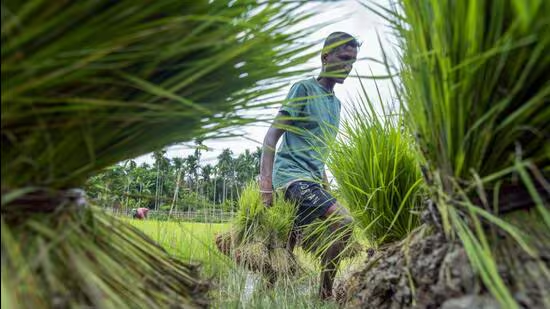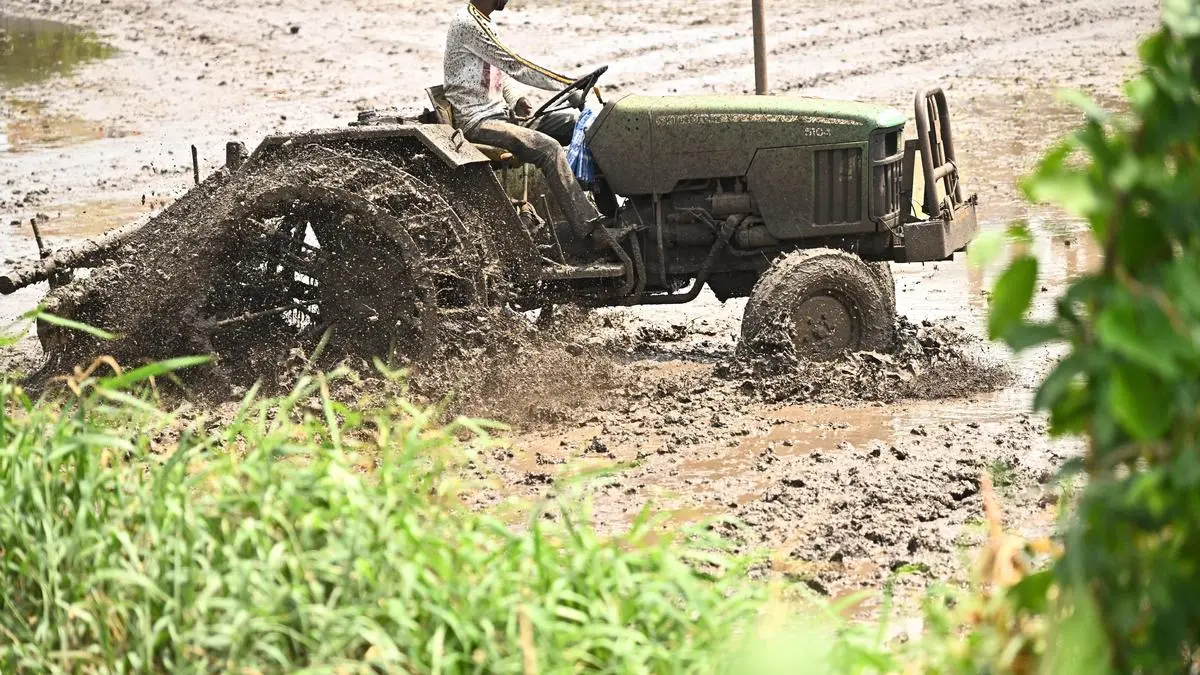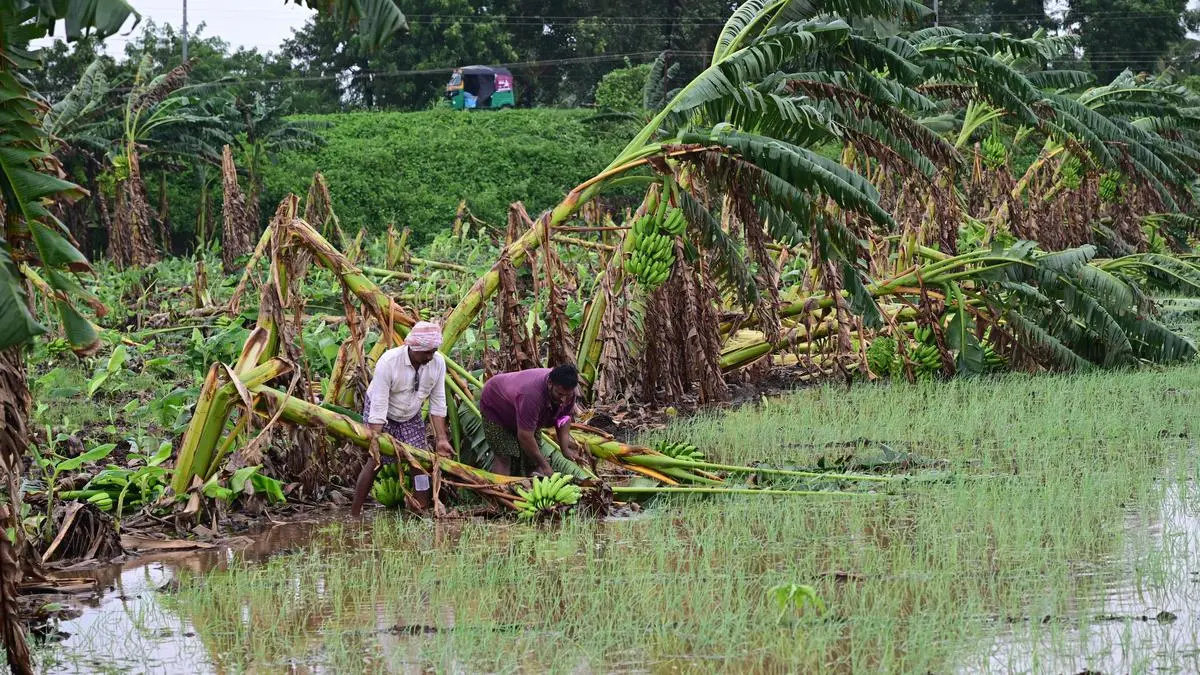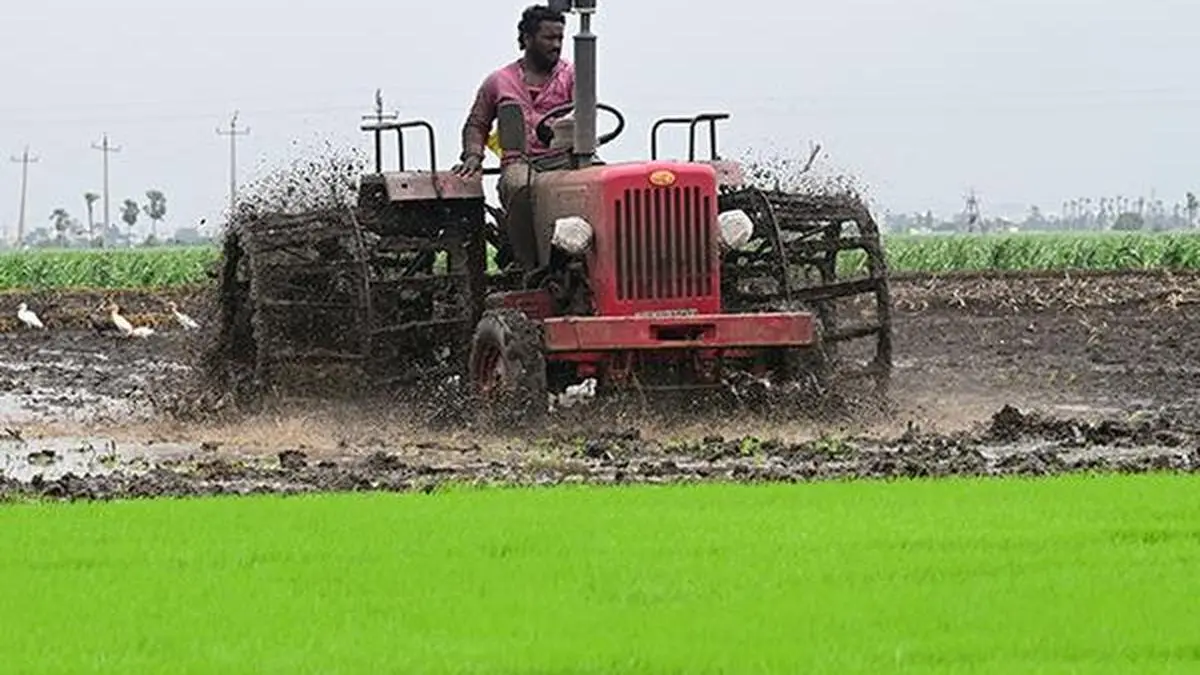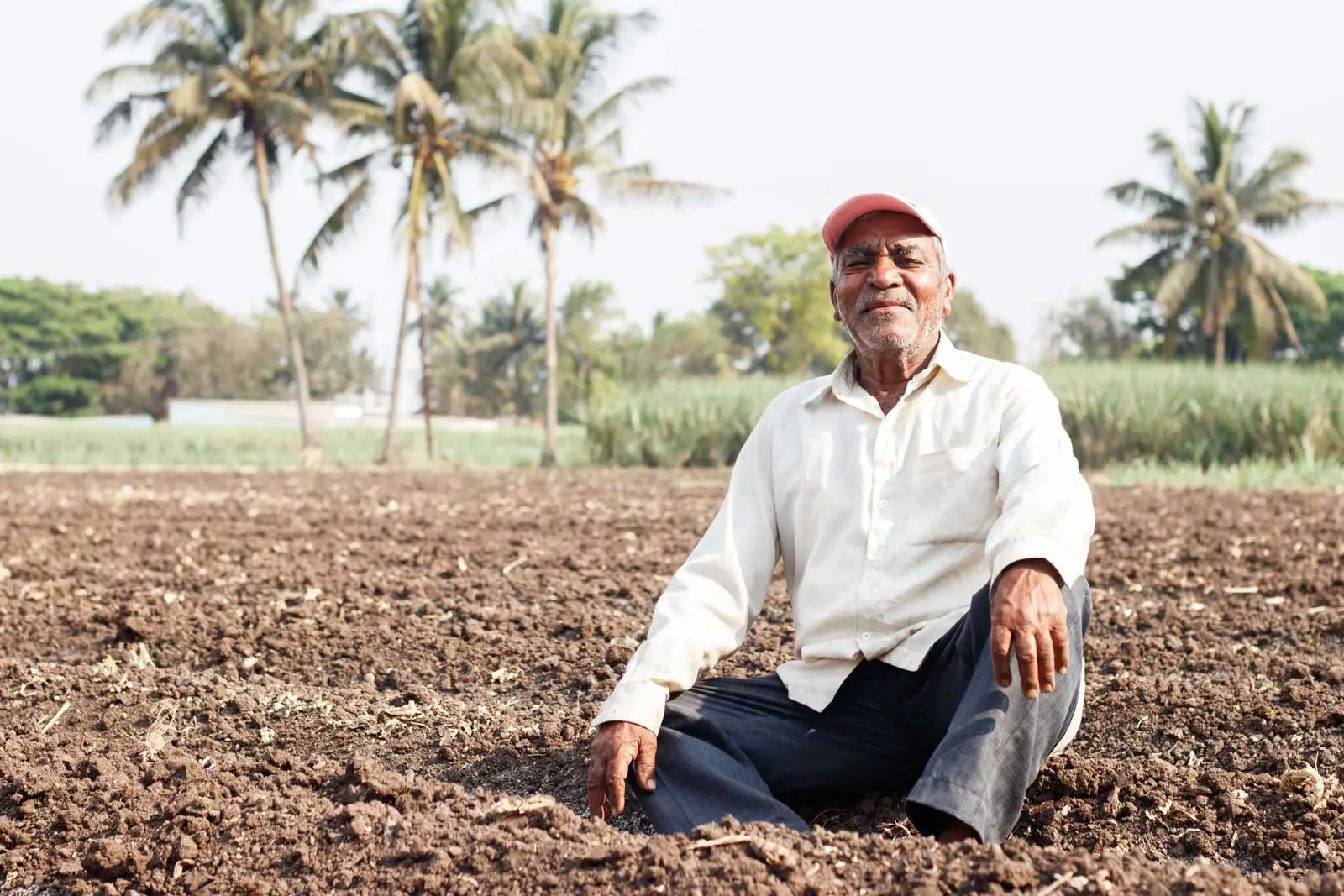
Farmers in Jambhali, a village of 5,000 in western India, have long turned to 80-year-old Satgonda Patil for advice on when to plant or harvest their crops. For more than six decades, his deep knowledge and uncanny instincts helped him and his neighbors succeed and avoid weather-related losses.
That started to change about five years ago. Rains arrived late, then early. Summers stretched on longer, and pests appeared at unfamiliar times. Financial losses soon followed.
In October 2025, Patil grew cauliflower on his 1.5-acre field, but he couldn’t harvest the crop. It wilted as a result of a soilborne fungal disease favored by warmer temperatures. A month later, Patil tried growing cabbage, but pests arrived early and spread quickly. He spent over 50,000 Indian rupees ($527) on pesticides but couldn’t save the crop.
The problem, Patil said, is no longer just one bad season.
“As temperatures are increasing every year, so are the pest attacks,” he explained. “No matter how much I spray, these pests just don’t go away.”