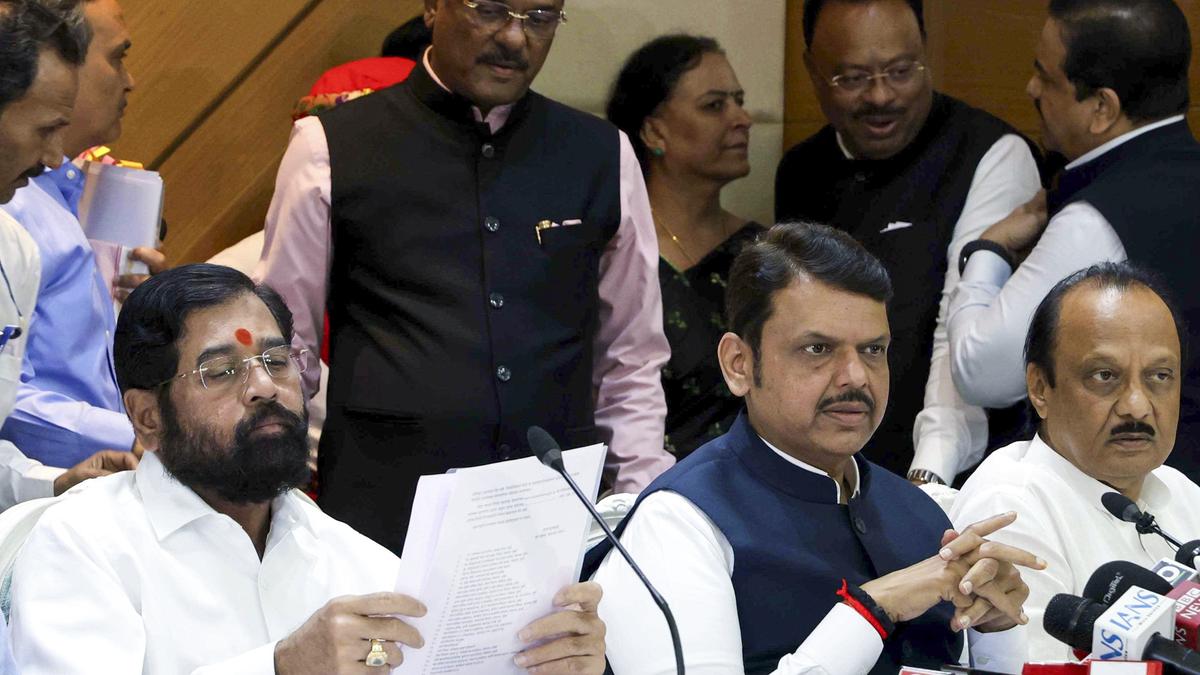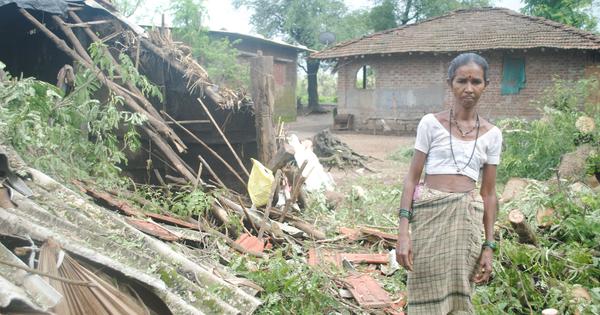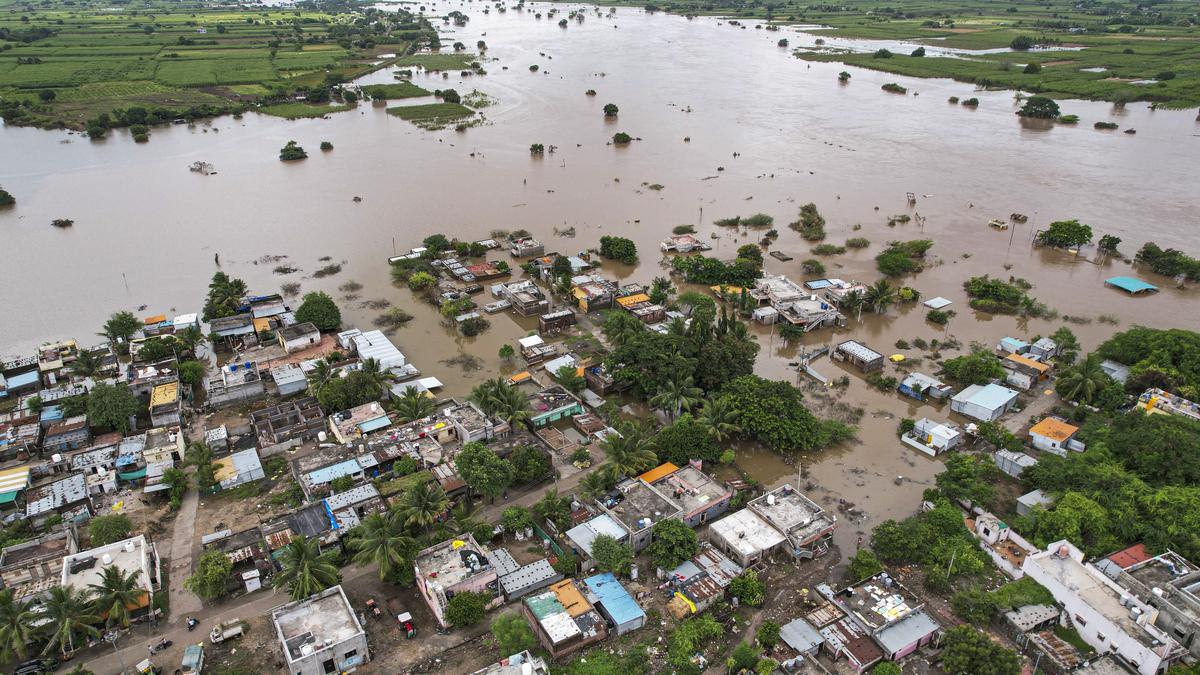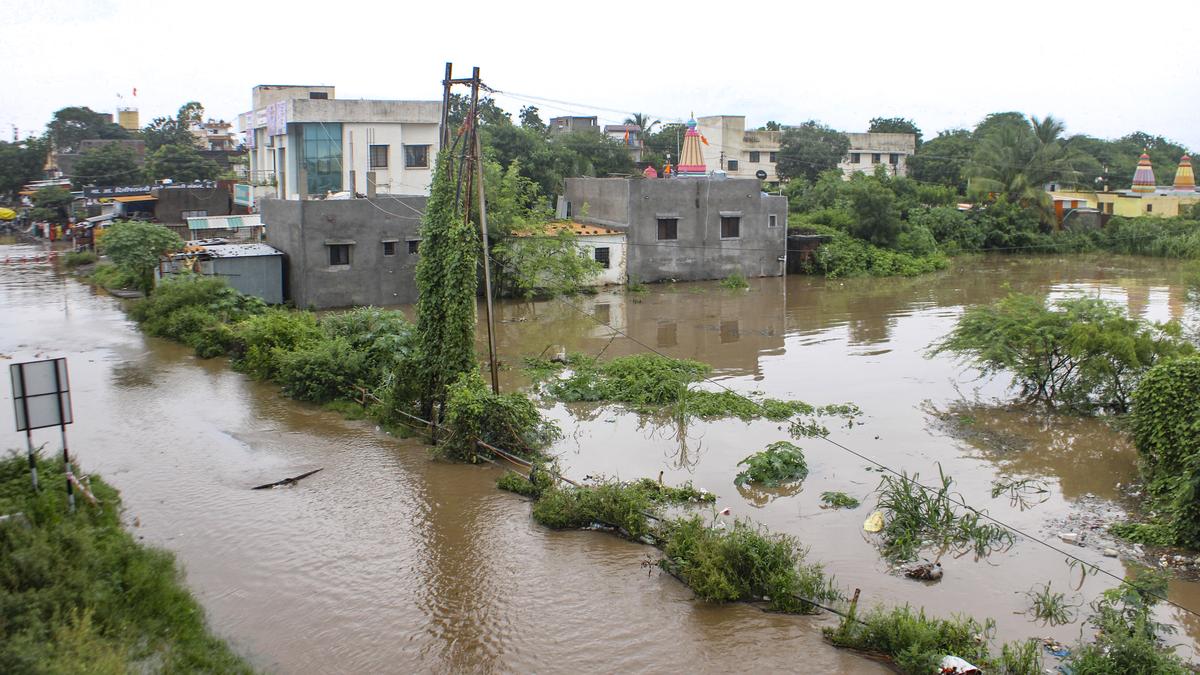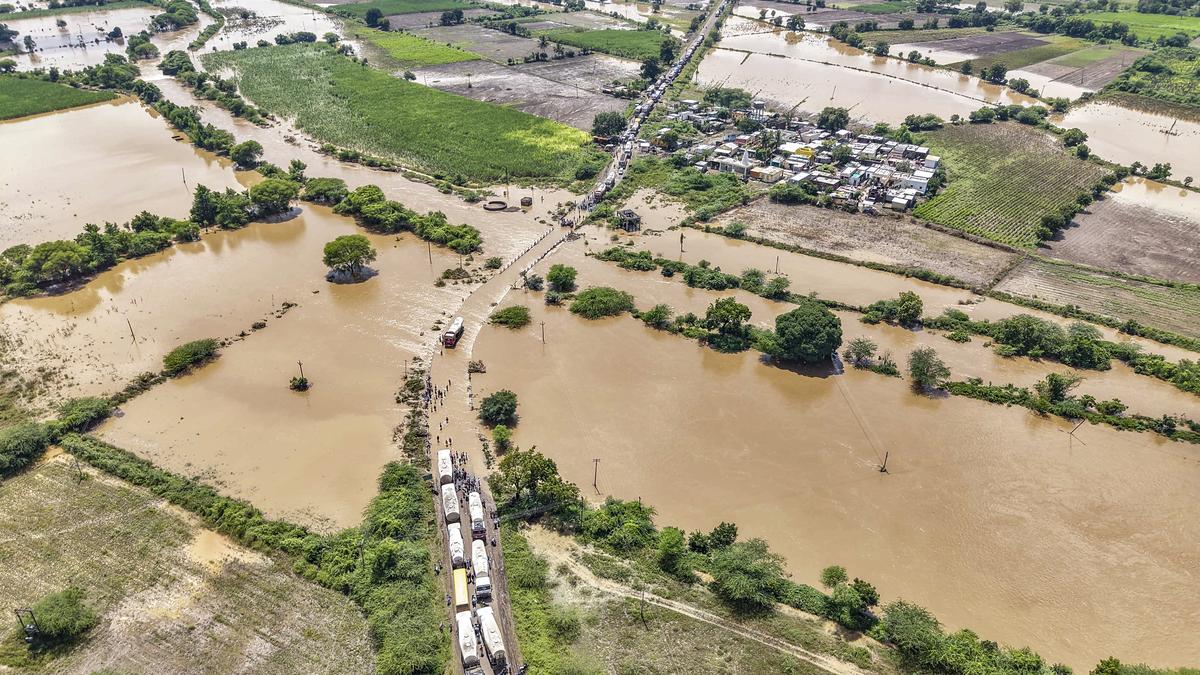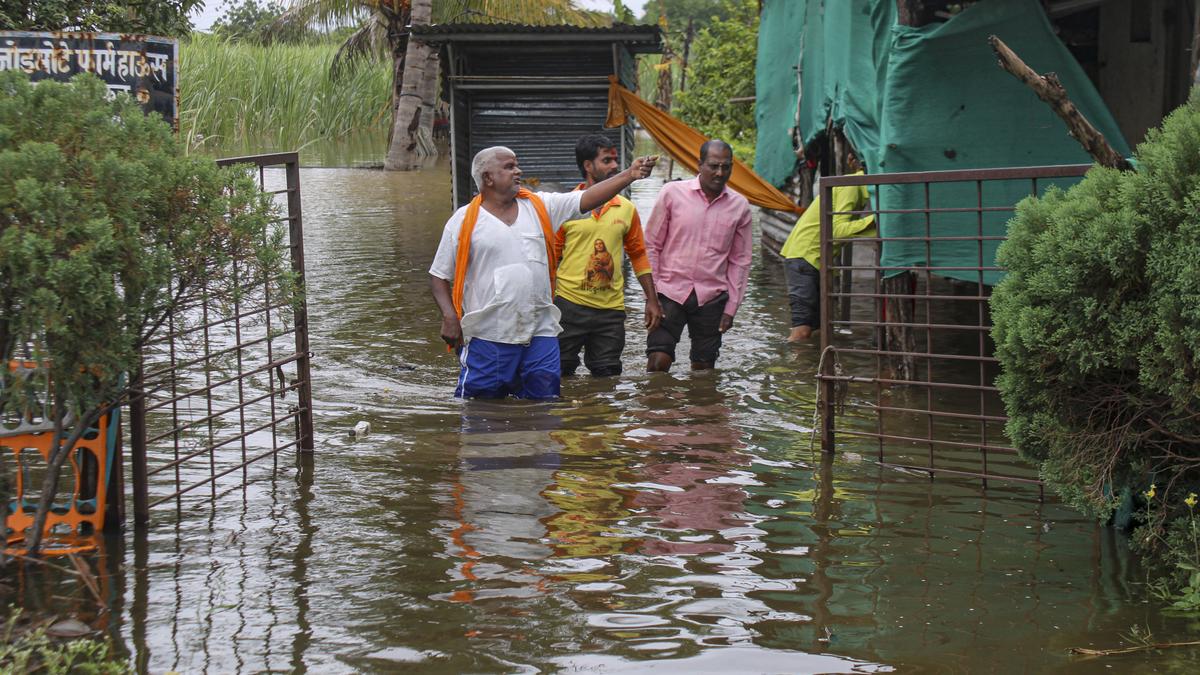
Nagubai Chaudhary, 52, had always believed that the land would take care of her, and it did. For as long as she can remember. But in 2025, unseasonal rains lashed parts of western and central Maharashtra. The flash floods that ensued devastated the kharif crop.When the land began to dry, Nagubai and her husband, Malinath, 60, had to quickly think of how to survive the season. “We paid to level the damaged topsoil, and sowed onions. They usually give a quick yield. But the crop failed. It created more debt,” said Nagubai, wiping her tears with the end of her floral pink saree.Then, her husband died. She needed to clear a debt of ₹14 lakh, taken to fund farming and the bills from Malinath’s hospitalisation.Nagubai and her husband owned 1.5 acres of land in Chincholi village in Maharashtra’s Dharashiv district. She was forced to sell an acre to repay the debts. “I have lost my husband, the land, and a crop,” she says.Maharashtra’s Agriculture Department estimated that last year 3 million farmers were affected by floods that devastated 6.5 million hectares of crop area through August and September. The rains flattened soyabean fields in Vidarbha, rotted onions in Nashik, destroyed pulses in Marathwada, and flooded paddy plots across the low-lying belts.The Maharashtra government announced a ₹31,628-crore relief package on October 7. In the following months, several farmers say they have no clear idea of how much they are due, despite a government assessment. Nagubai says she was promised only ₹2,500 two months before her husband died. Sitting in a pink small room, one corner of which is designated as a kitchen, she explains: “Even this money is stuck as I still don’t have my husband’s death certificate.”According to the State Relief and Rehabilitation Department, the compensation for crop loss was ₹18,500 per hectare (1 hectare is 2.5 acres) for rainfed land, ₹27,000 per hectare for irrigated land, ₹32,500 per hectare for horticulture or perennial land (like orchards). In addition, if the topsoil had been washed away, a farmer was to get ₹47,000 per hectare.To help restore the topsoil, the government promised to employ people through the Mahatma Gandhi National Rural Employment Guarantee Act (MNREGA) scheme that guarantees 100 days of work to the unemployed.Nagubai is now surviving on money left from the land deal, ₹1,500 per month from the Sanjay Gandhi Niradhar Anudan Yojana for those below the poverty line, and paid work under MNREGA. A part of the topsoil of her land was washed away, she says, but she has spent ₹14,000 to restore it. There has been no government help. Several farmers from Marathwada’s six most impacted districts, as well as from western Maharashtra’s Solapur, say they have not received the whole compensation. Many farmers have now paid from their pockets or taken another loan to improve their lands and get ready for rabi crops.In Dharashiv, the Maharashtra government identified 7.03 lakh farmers affected by the floods. So far, 5.2 lakh have been compensated, says Collector Keerthi Kiran Pujar. “The rest will receive the funds after the e-KYC (Know Your Customer) is done. Most of the farmers have received relief. The relief under MNREGA and topsoil-replacement money will be given as per the claims raised by farmers with the grama panchayat.” Mantralaya, Maharashtra’s administrative headquarters located in Mumbai, has not responded to queries on data from across the affected areas.During the relief package announcement, Chief Minister Devendra Fadnavis had said, “The package will be distributed to the farmers in 29 (out of 36) districts, covering 253 (out of 358) talukas and over 2,000 revenue circles before Deepavali (in 2025). However, no one can provide 100% compensation to farmers’ financial and mental crisis.”From January to April, 2026, in Dharashiv, 36 farmers took their lives, while from July to December 2025, up to 78 farmers died by suicide, according to the Collector’s office.The lost farmsA group of farmers from Rajegaon village have gathered at one of the classrooms of the government zilla parishad school. Narayan Deshmukh,52, sits on a chair in front of a wall with photographs of India’s leaders from different eras: Fatima Shaikh, Savitribai Phule, Indira Gandhi. “Time is ticking. Slowly my land size will shrink. The rain caused heavy damage. What about our lost farmland? The restoration will cost more than the government’s aid,” he says, then concedes, “But every little amount counts.”
Relief out of reach
Farmers in Maharashtra struggle with delayed flood compensation and rising debts nearly a year after devastating floods impacted their livelihoods.
1,645 words~7 min read