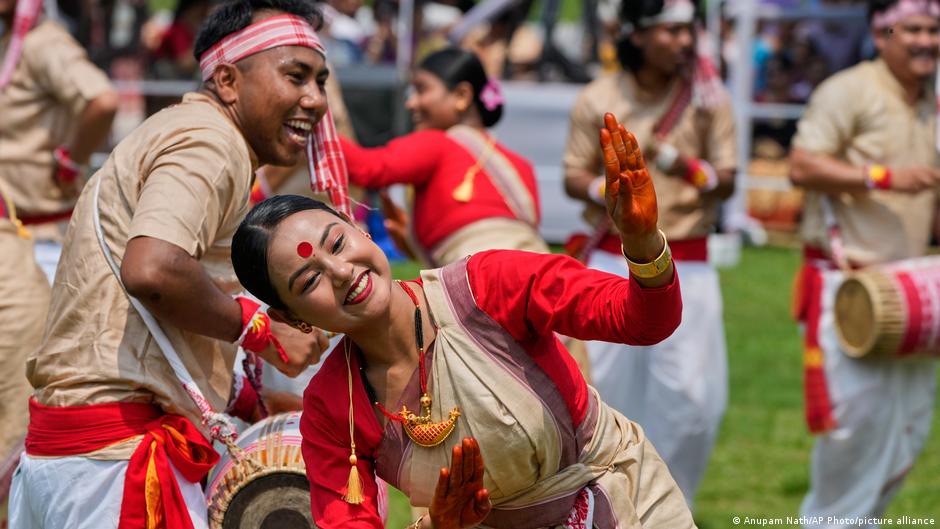
As many Indians celebrate spring festivals, climate change has become an unwanted guest at the table. What does this mean for harvests, water and rural life?
Parts of rural northern India are currently exploding in color. Not just from the coming of spring, but seasonal festivals characterized by folk music, dancing, farmers in traditional dress, and dishes like sweet saffron rice.
Among them is Vaisakhi, which is an important festival date on the Sikh calendar. Held in the northern province of Punjab, it marks the successful growth of winter wheat, and crops like mustard, chickpeas, lentils, barley and sunflower seeds.
"When the crop is fully ready for harvest, all the farmers come together to celebrate," Ashwani Ghudda, a local social worker, told DW. "They offer prayers, visit fairs, and then prepare to begin the harvesting."
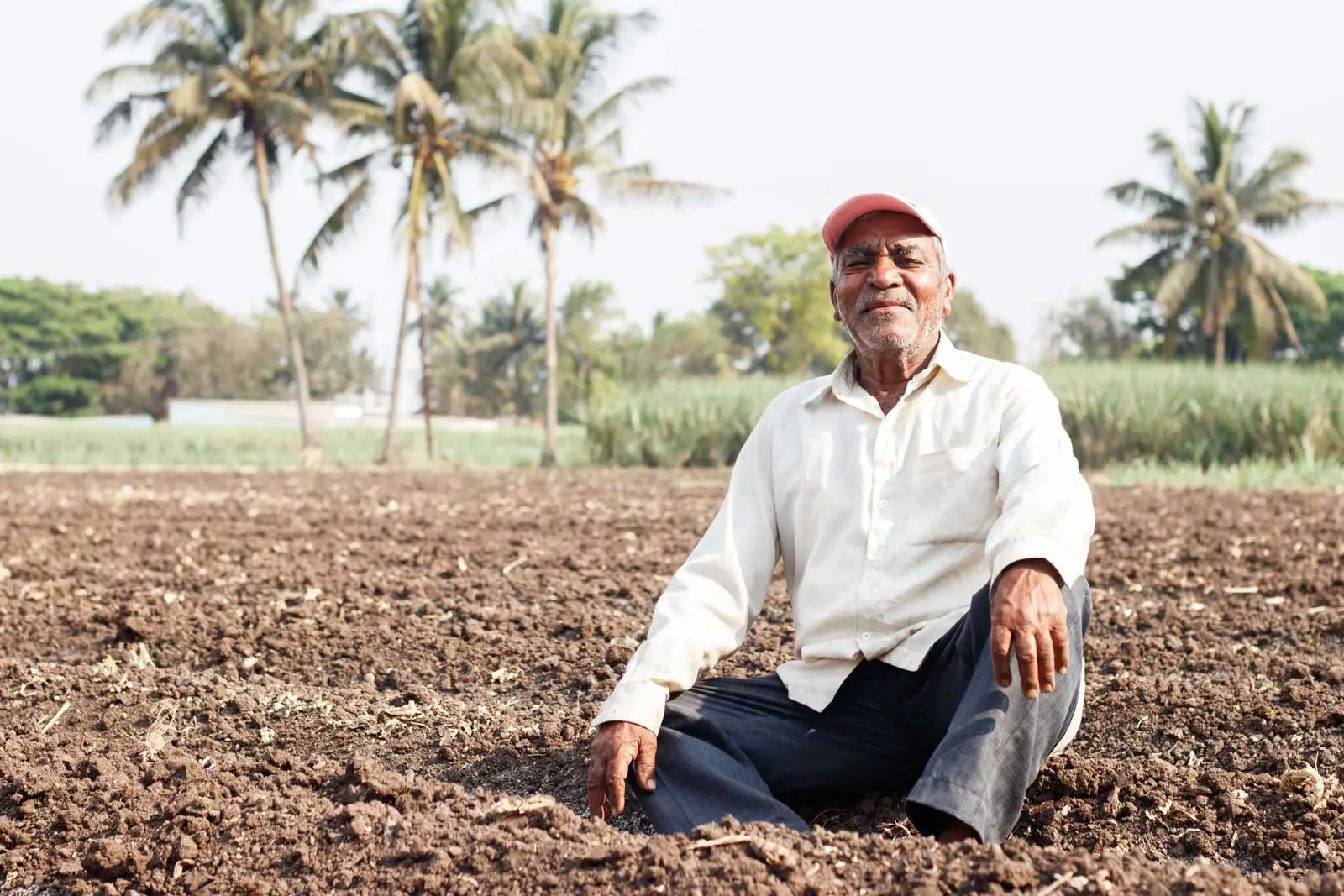
Punjab, which currently produces 10% of India's wheat and 15% of its rice, is a historically agrarian state, so farming has long been a way of life.