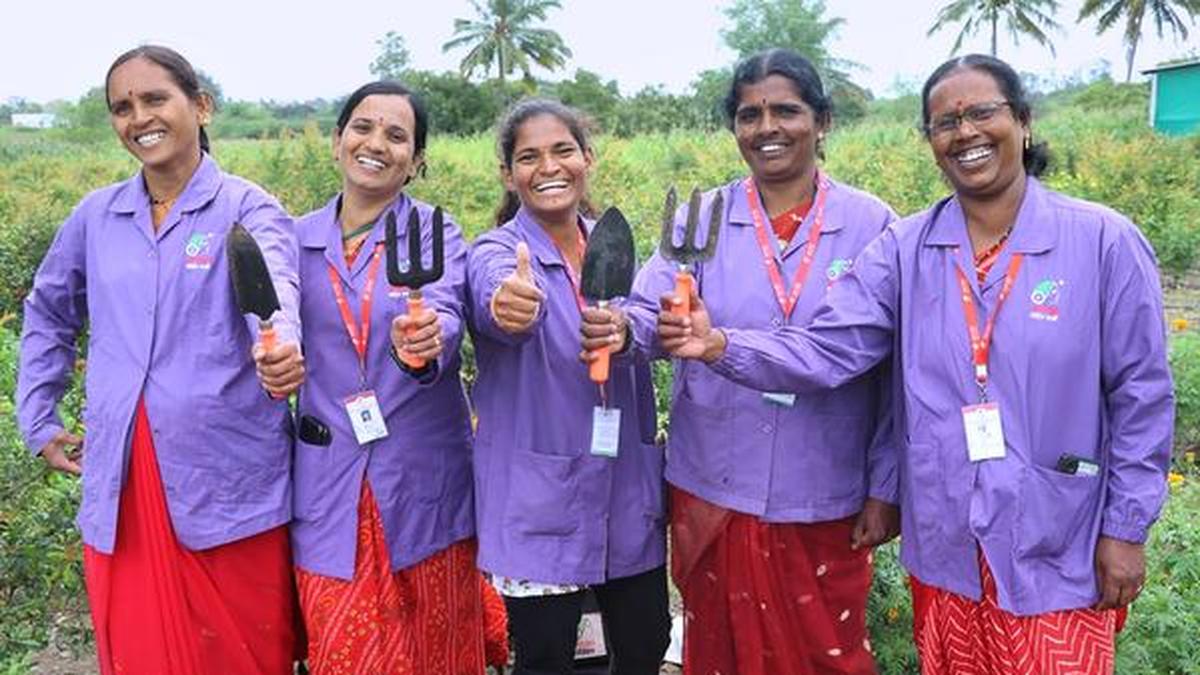
NEW DELHI: When Bibi Jaan started learning agriculture in 2018, she became the first woman in her family in rural Karnataka to do so. Little did she know that a few years later, she would be leading a collective that is gaining global recognition for pioneering sustainable farming.
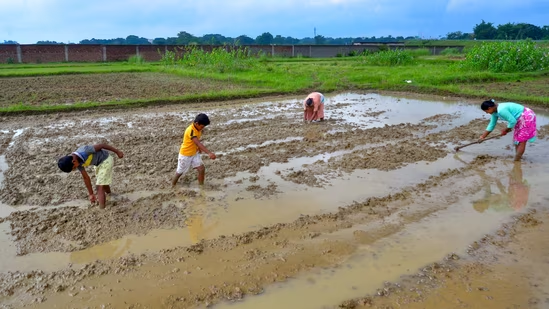
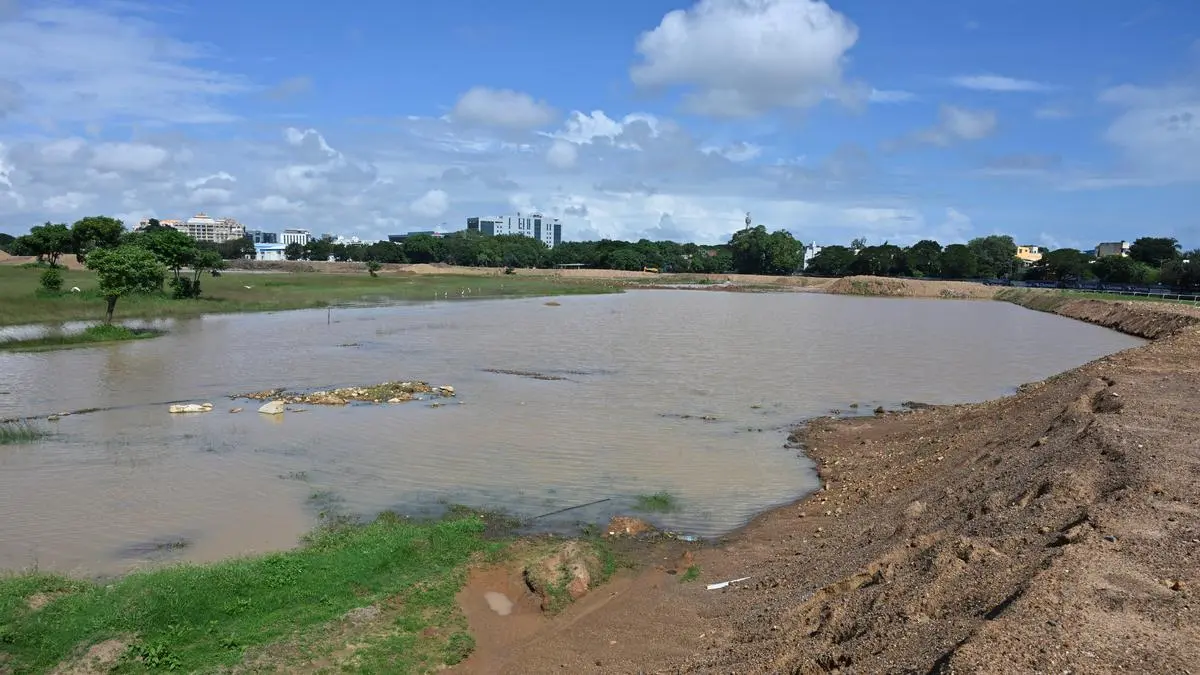
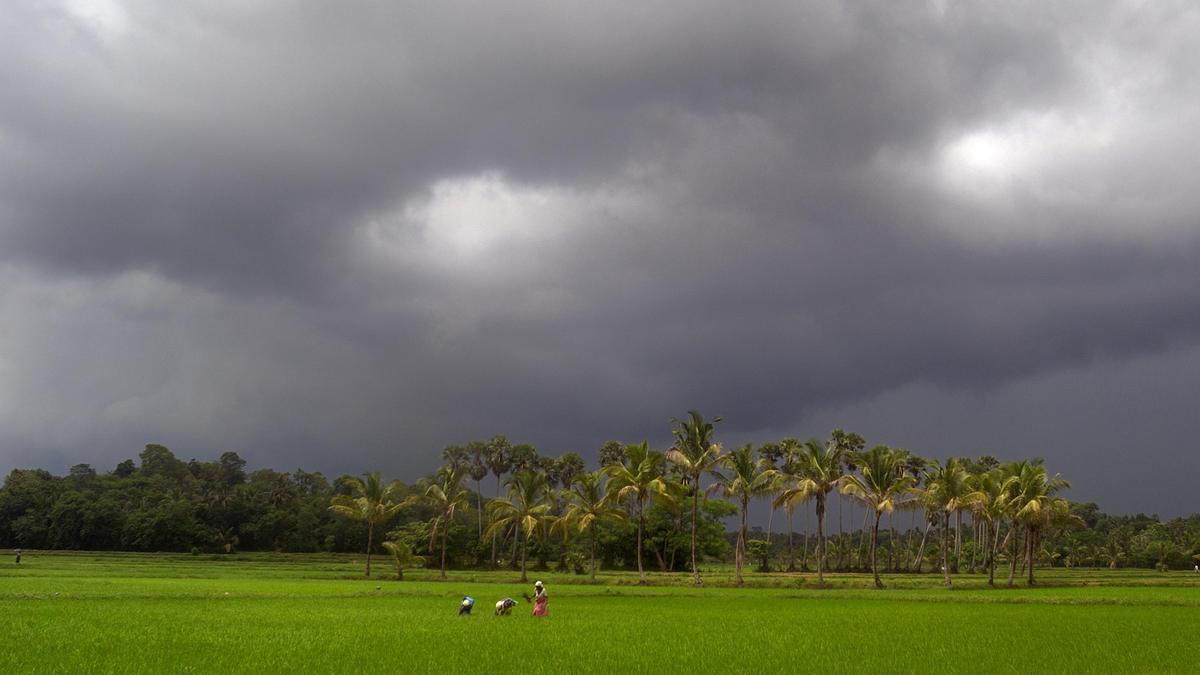
Agriculture has been increasingly difficult in the southwestern Indian state due to unpredictable weather patterns. Located some 100 km from the Arabian Sea coast, the region is semi-arid, and crops largely depend on the monsoon, which means that delays caused by the changing climate directly reduce yields.
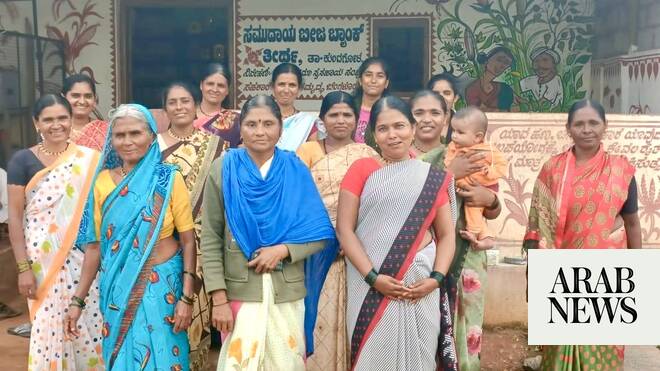
To address these challenges, Bibi Jaan and her 15-member women’s team — Bibi Fatima Self-Help Group in Teertha village, Dharwad district — reintroduced traditional farming methods and millets.
These are drought-tolerant crops, which decades ago were staples in drylands as they require little water, input, and do not degrade the region’s already vulnerable soil.
The women received training from Sahaja Samrudha, a nonprofit organization based in Karnataka, which is dedicated to empowering rural communities through sustainable agriculture and agrobiodiversity.