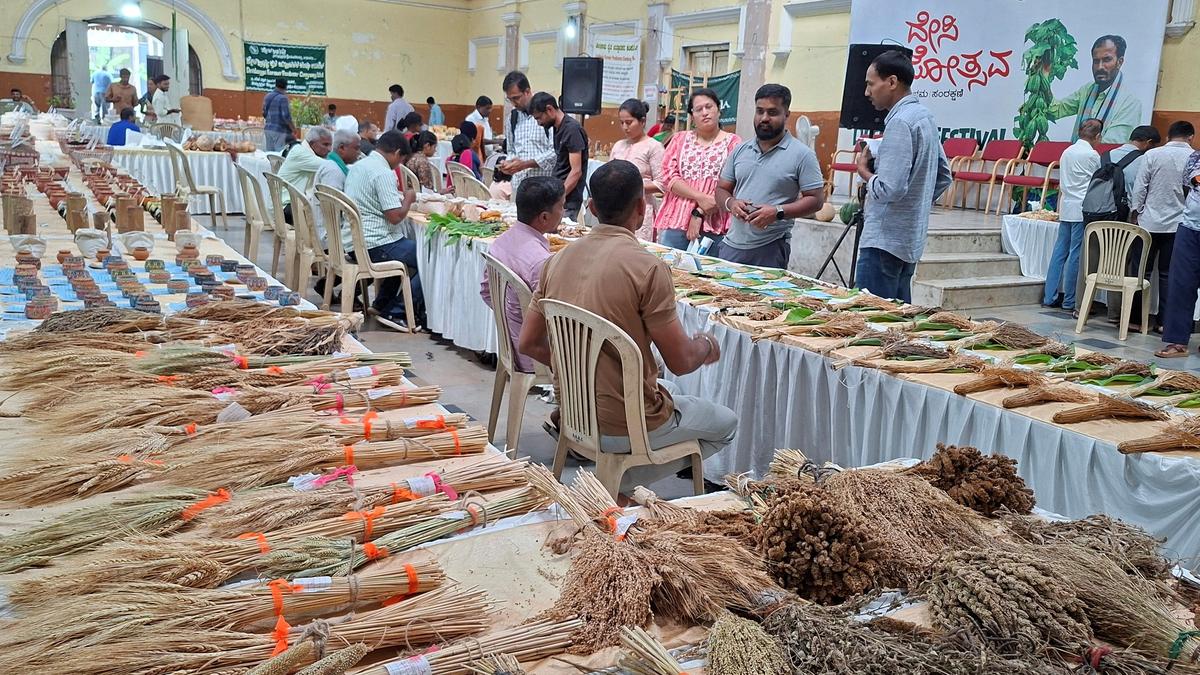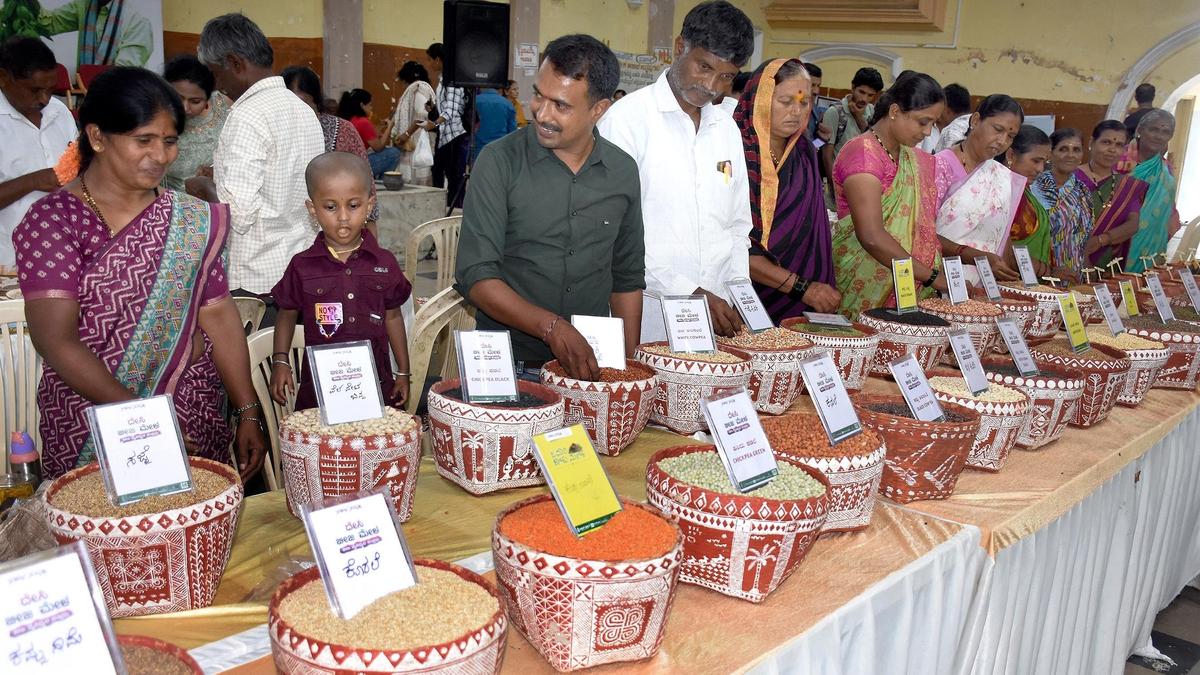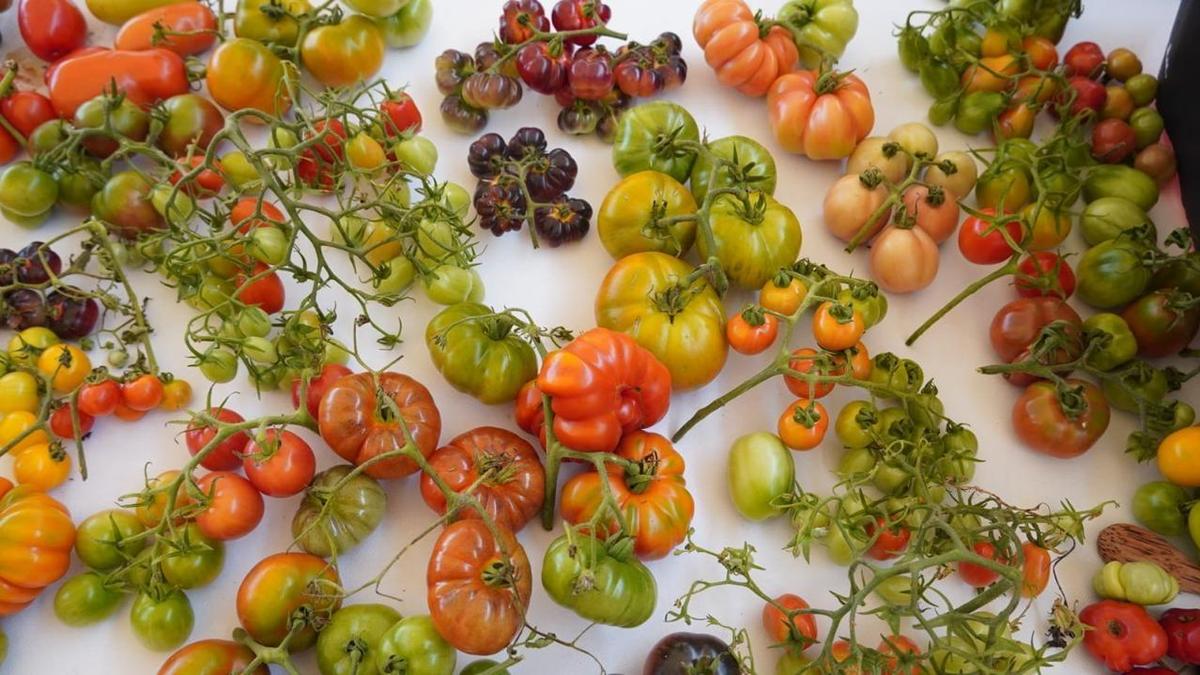
A four-day-long ‘Beej Utsav’ (seed festival) held in the tribal belt at the tri-junction of Rajasthan, Madhya Pradesh, and Gujarat earlier this month highlighted the role of indigenous seeds in agricultural sustainability. Tribal farmers took a pledge to rebuild community-led seed systems.
Over 9,400 members of tribal communities, including women and children, participating in the events during the festival, learned the techniques of preserving indigenous seeds for use in different crop seasons. They were apprised of the significance of seed heritage, biodiversity, and climate consciousness.
The festival was organised simultaneously in over 60 village panchayats spread across the three States, with activities including ‘Beej Samvad’ (seed dialogue), biodiversity fairs, ‘seed ball’ making, and plantation drives. Community honours, including ‘Beej Mitra’ (seed friend), and ‘Beej Mata’ (seed mother) were awarded to exemplary seed-preserving farmers.
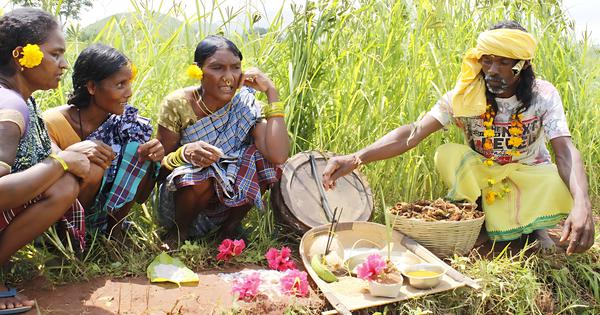
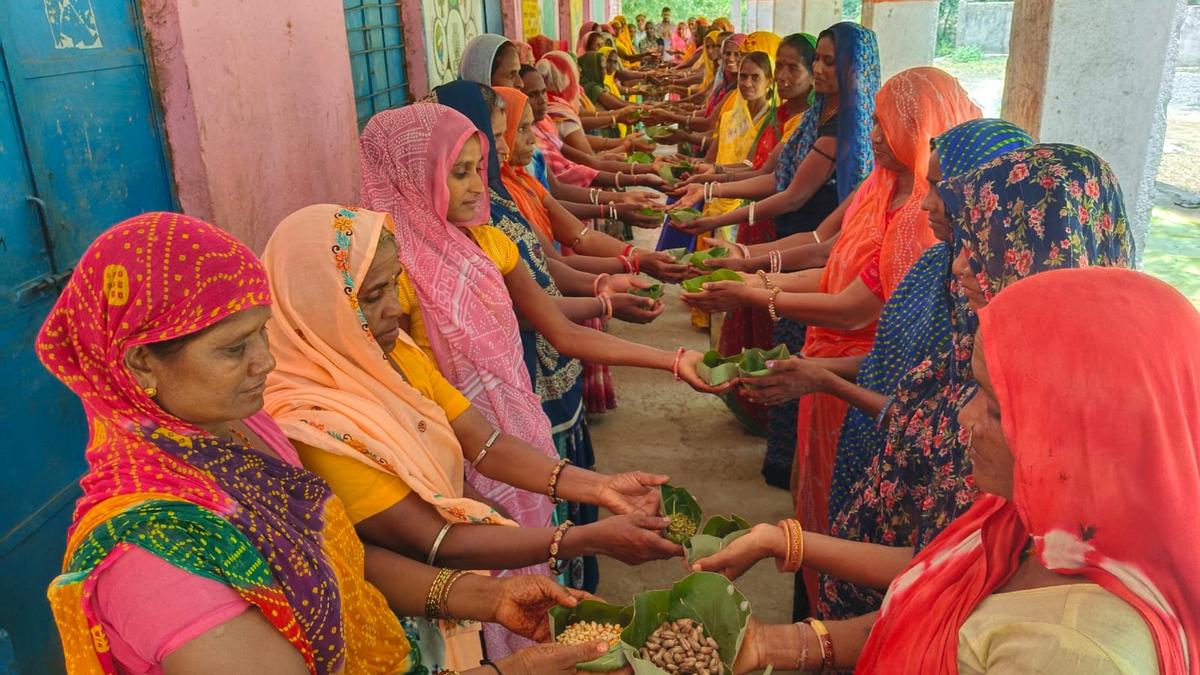
Tribal women participating in the events during the ‘Beej Utsav’ held in Banswara district. Photo: Special Arrangement
Community-led institutions, including Krishi Evam Adivasi Swaraj Sangathan, Gram Swaraj Samooh, Saksham Samooh, and Bal Swaraj Samooh were instrumental in organising the festival. They were supported by Banswara-based voluntary group Vaagdhara, which works on the tribal livelihood issues.