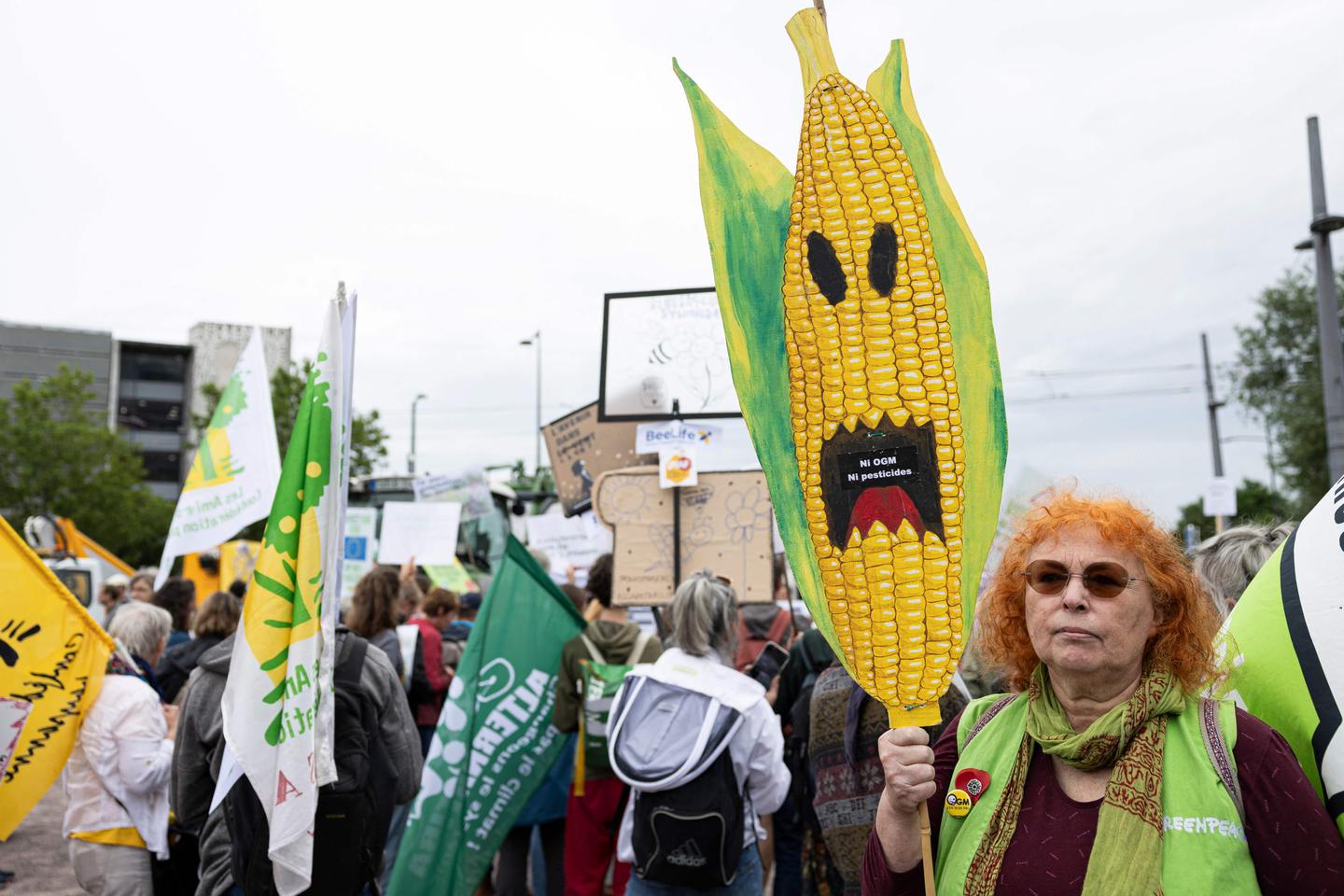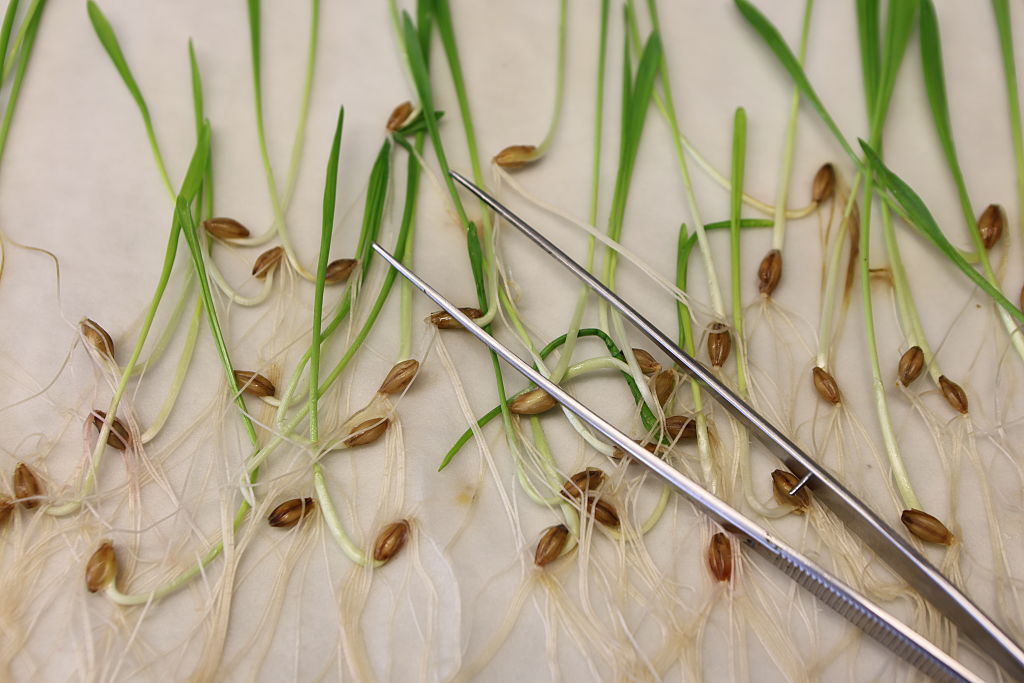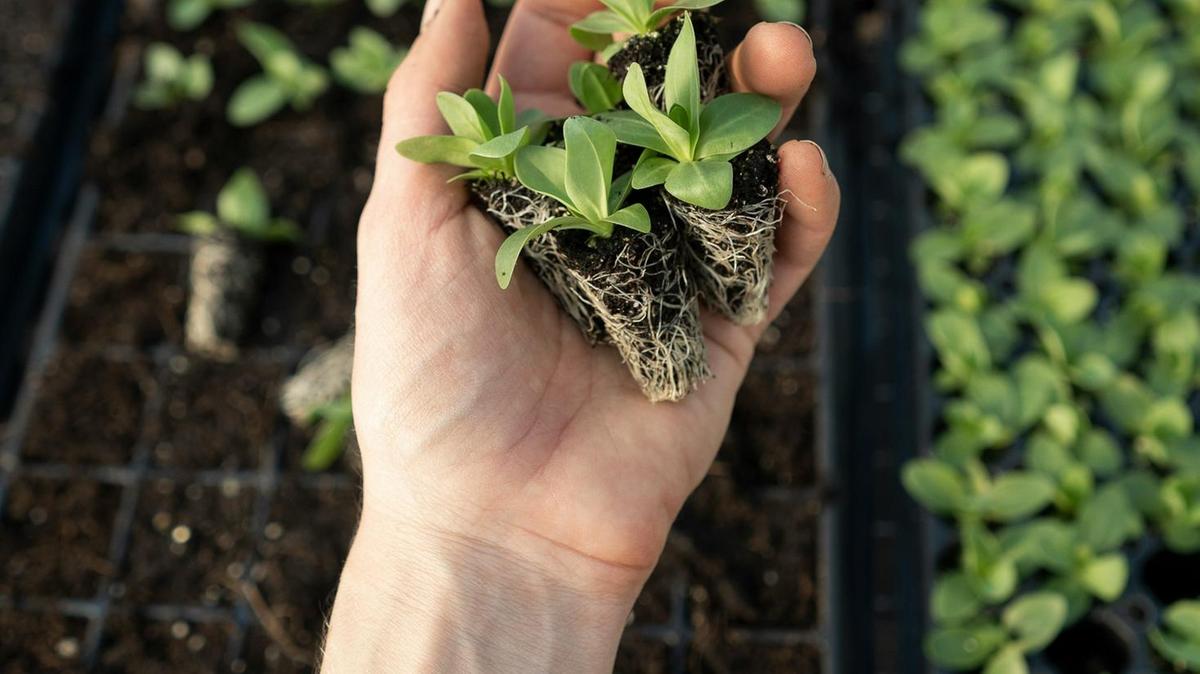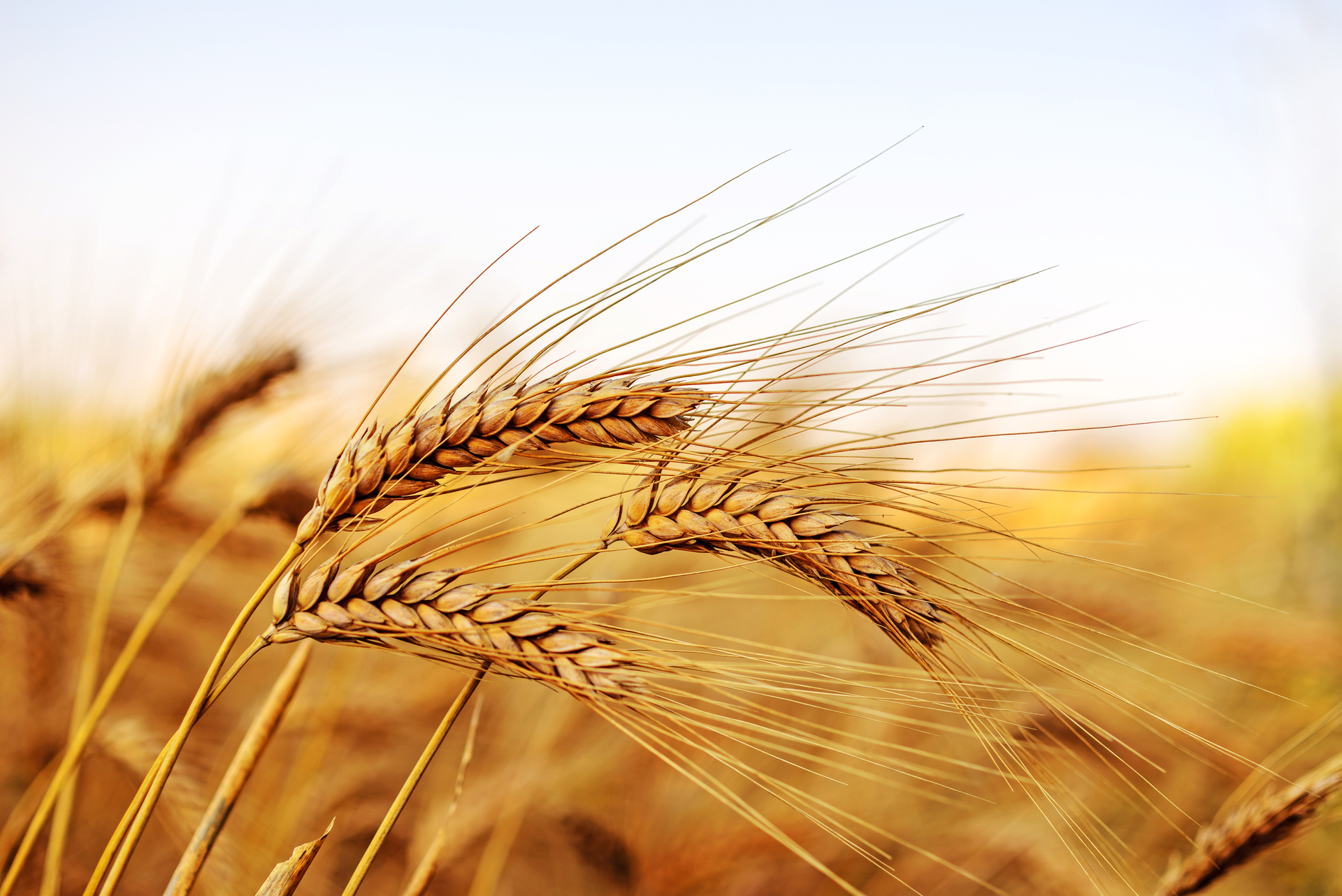
Europe has just done something it hasn’t done in a very long time: today it chose innovation. After years of debate, the European Parliament today voted to adopt the New Genomic Techniques (NGT) regulation, concluding the European legislative process for NGTs. This is the first genuinely pro-innovation piece of legislation this sector has seen, and it deserves to be recognised as such. It is a step change for plant breeding in Europe, and for the farmers, scientists and plant breeders who have spent years making the case for it.
The adoption of the NGT regulation marks the end of a long conversation in Europe about the future of plant breeding technologies. More importantly, it marks the beginning of a new one: about what kind of agricultural system Europe wants to build, and whether it has the confidence to see it through.
Why this matters
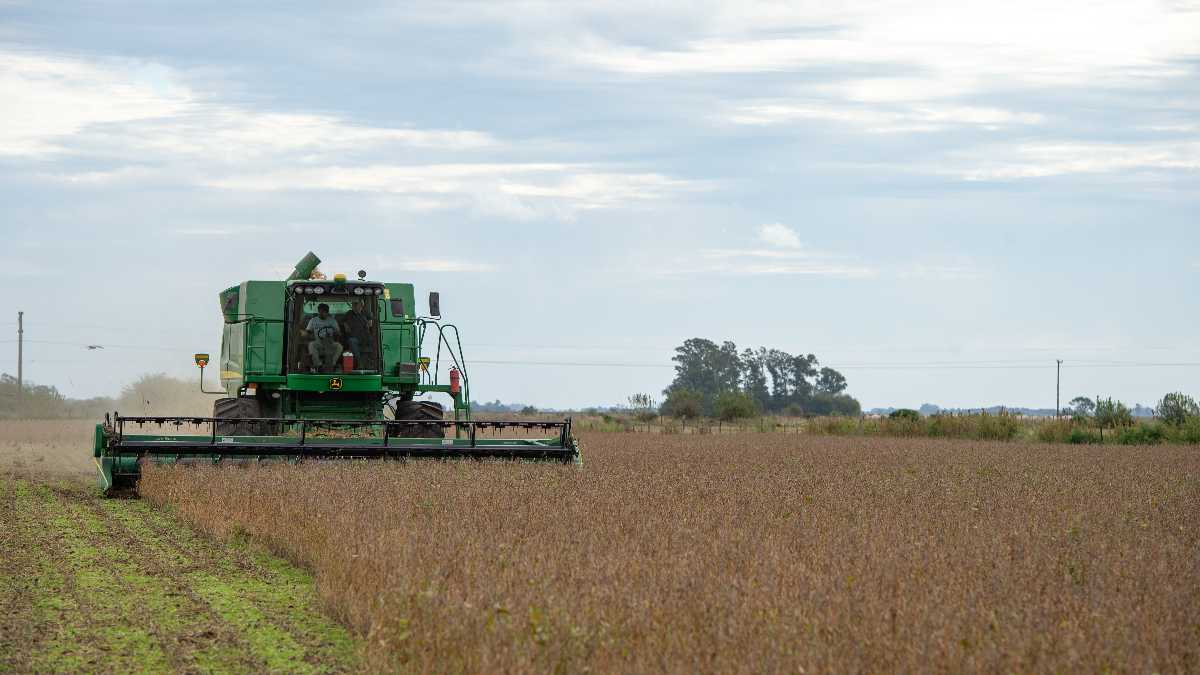
We are not operating in a stable world. Climate volatility is intensifying. Extreme weather events are becoming part of the seasonal calendar for farmers from Finland to Portugal. Southern Europe faces deepening water scarcity. Emerging plant pests and diseases are advancing northwards. And through all of this, farmers are being asked to produce more food, use less water, reduce greenhouse-gas emissions, protect biodiversity, and improve soil health – simultaneously.