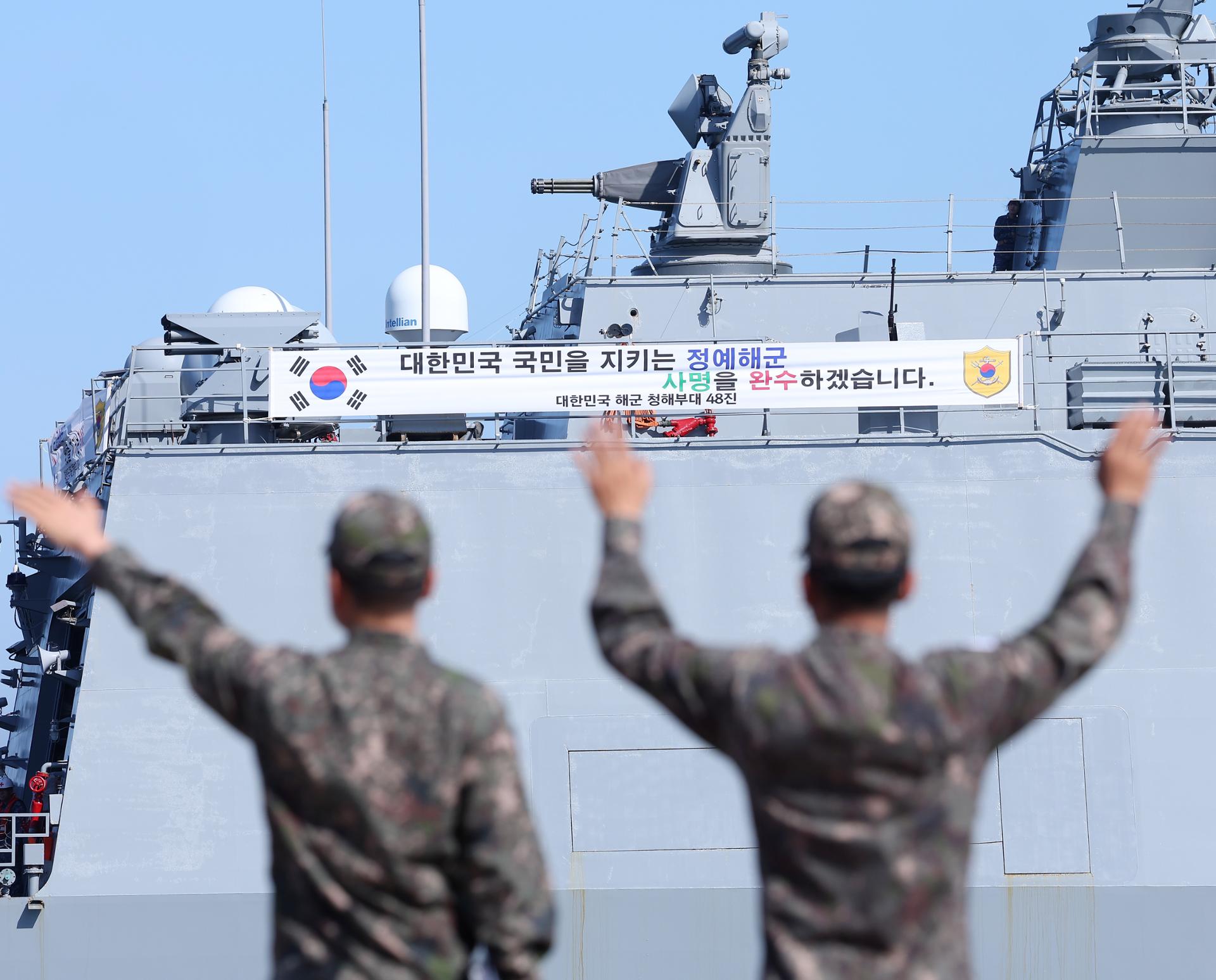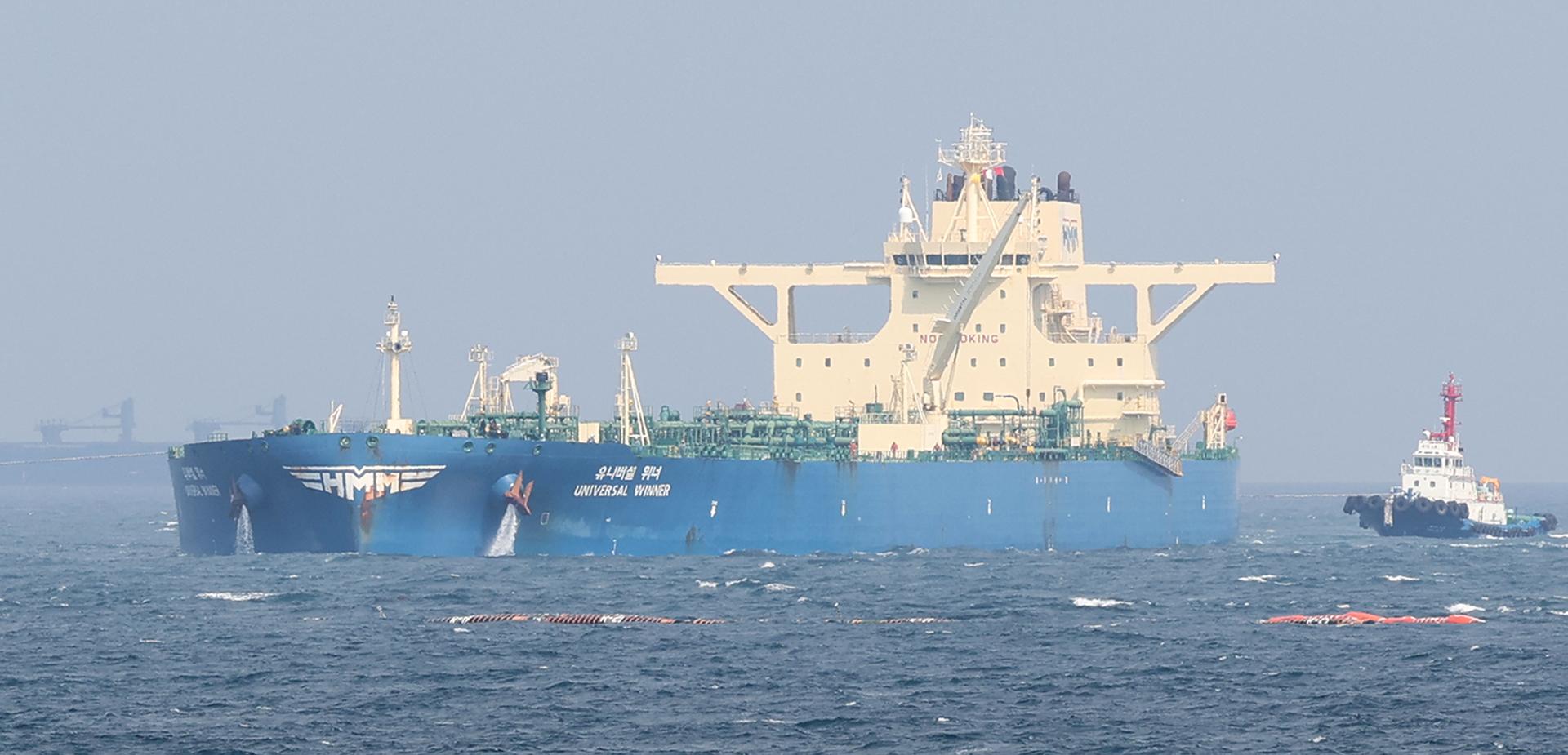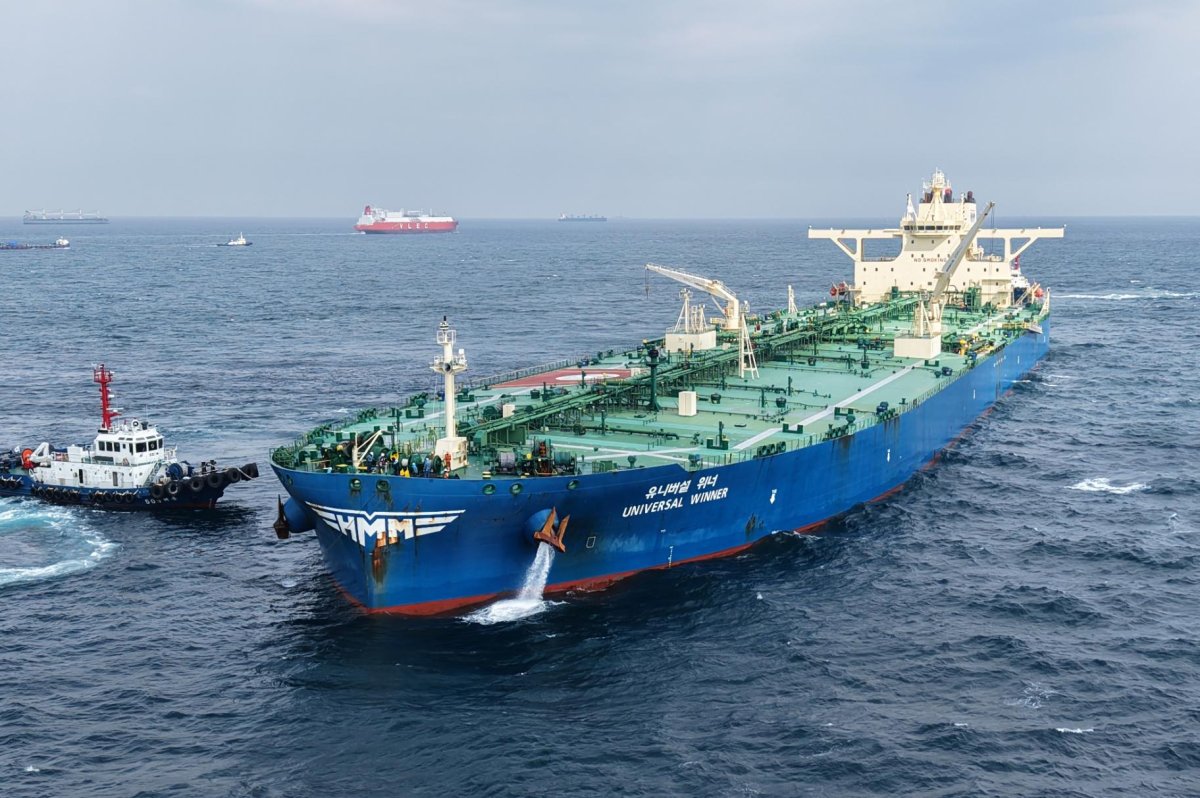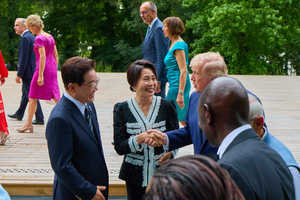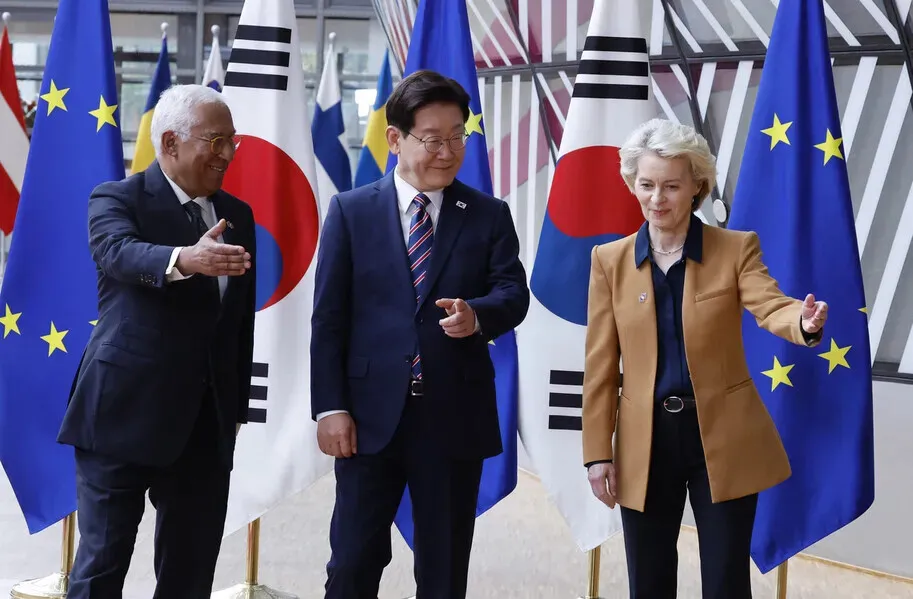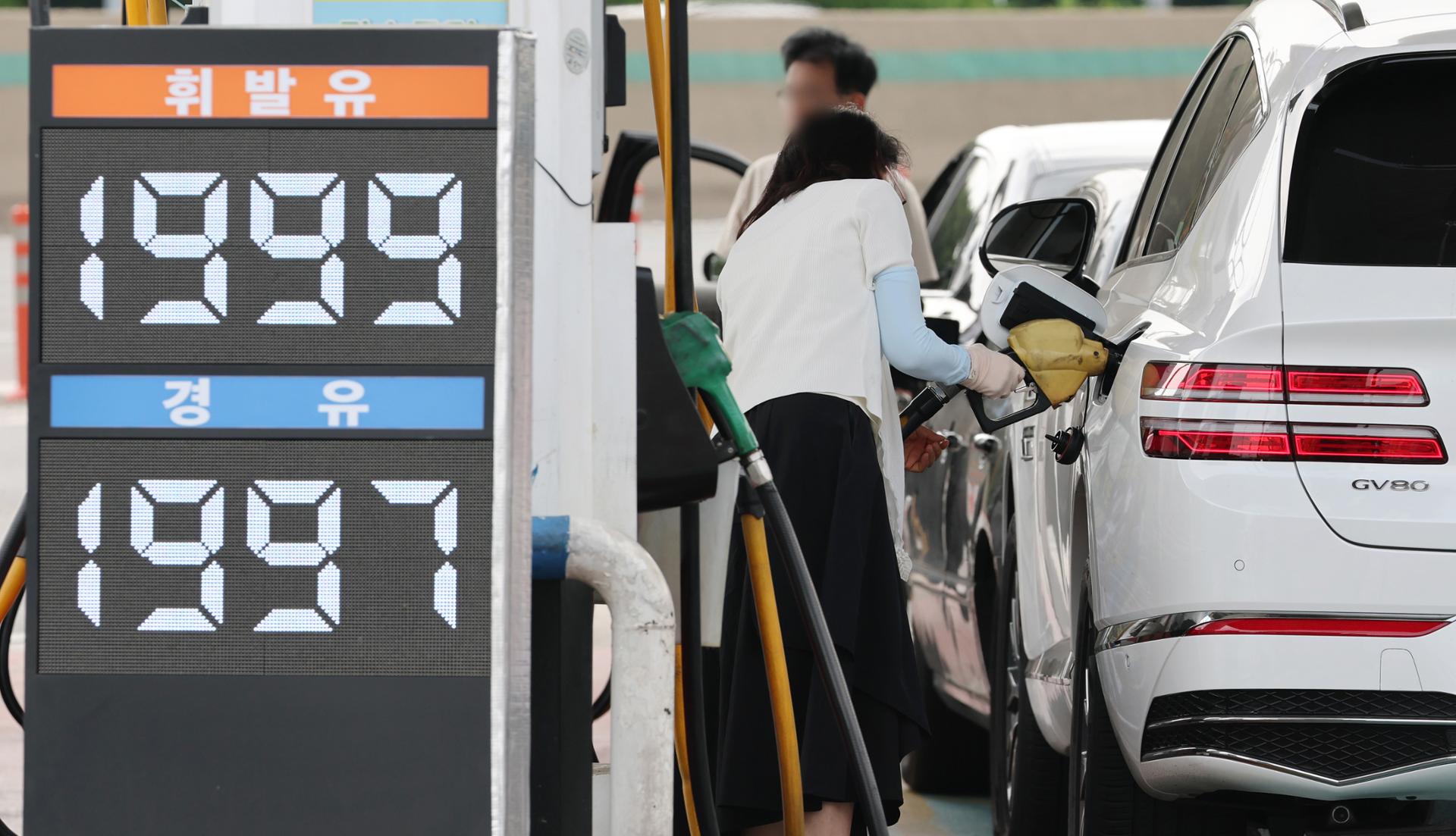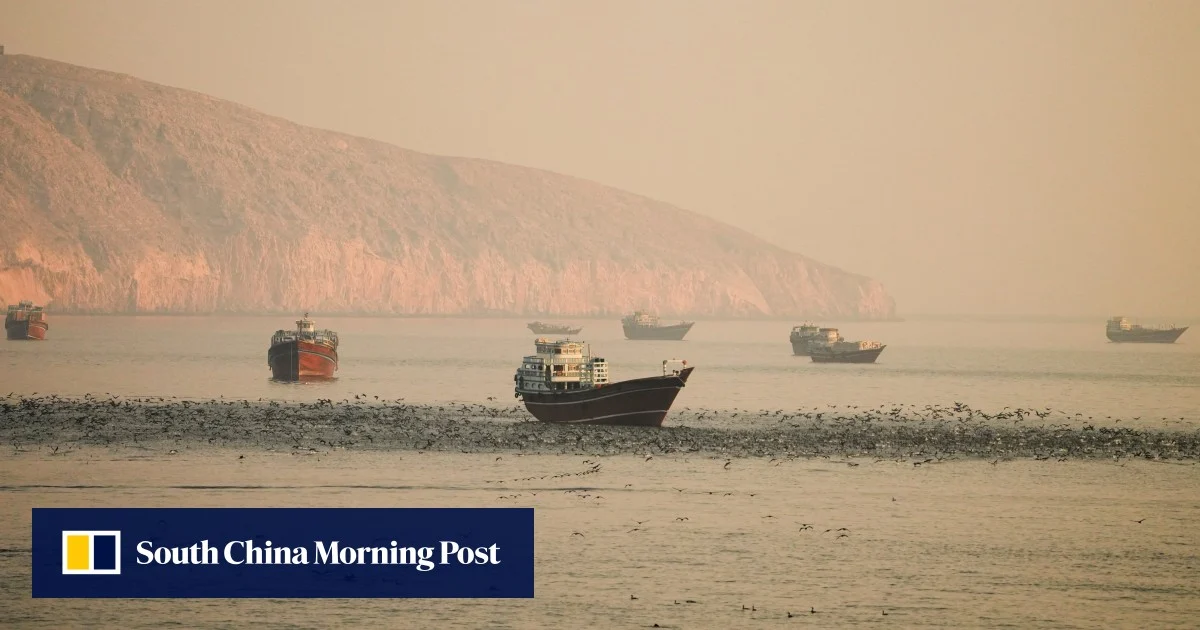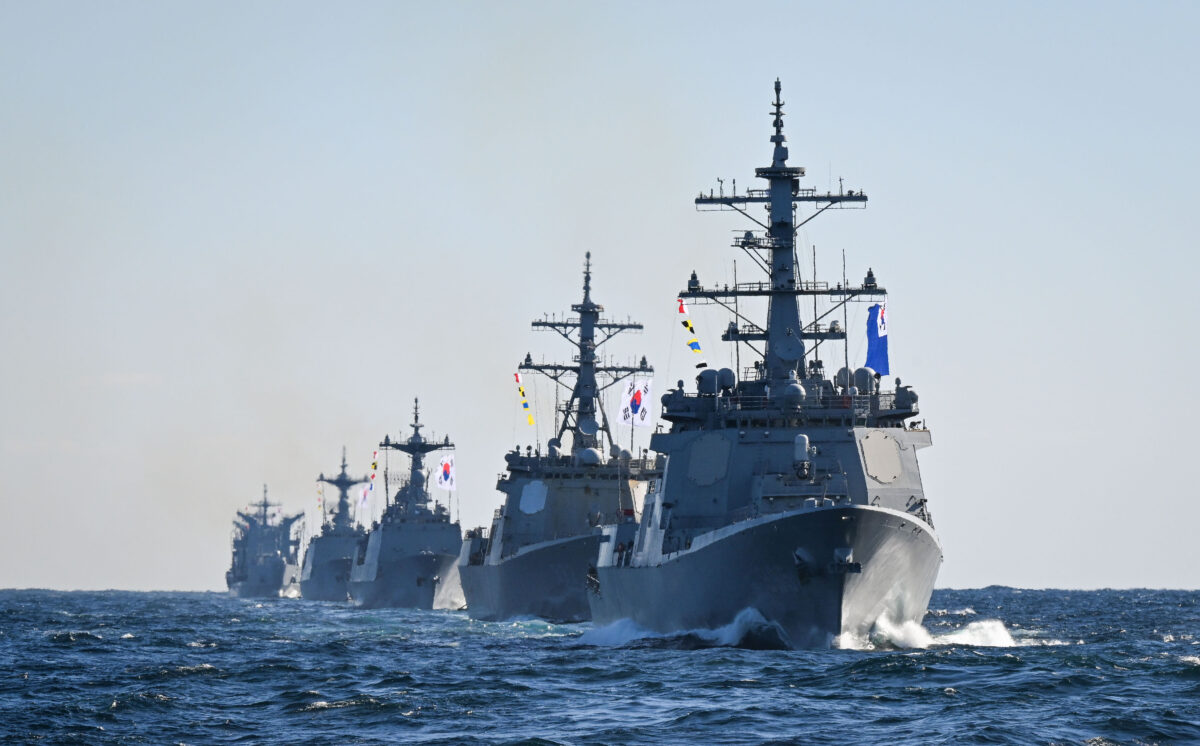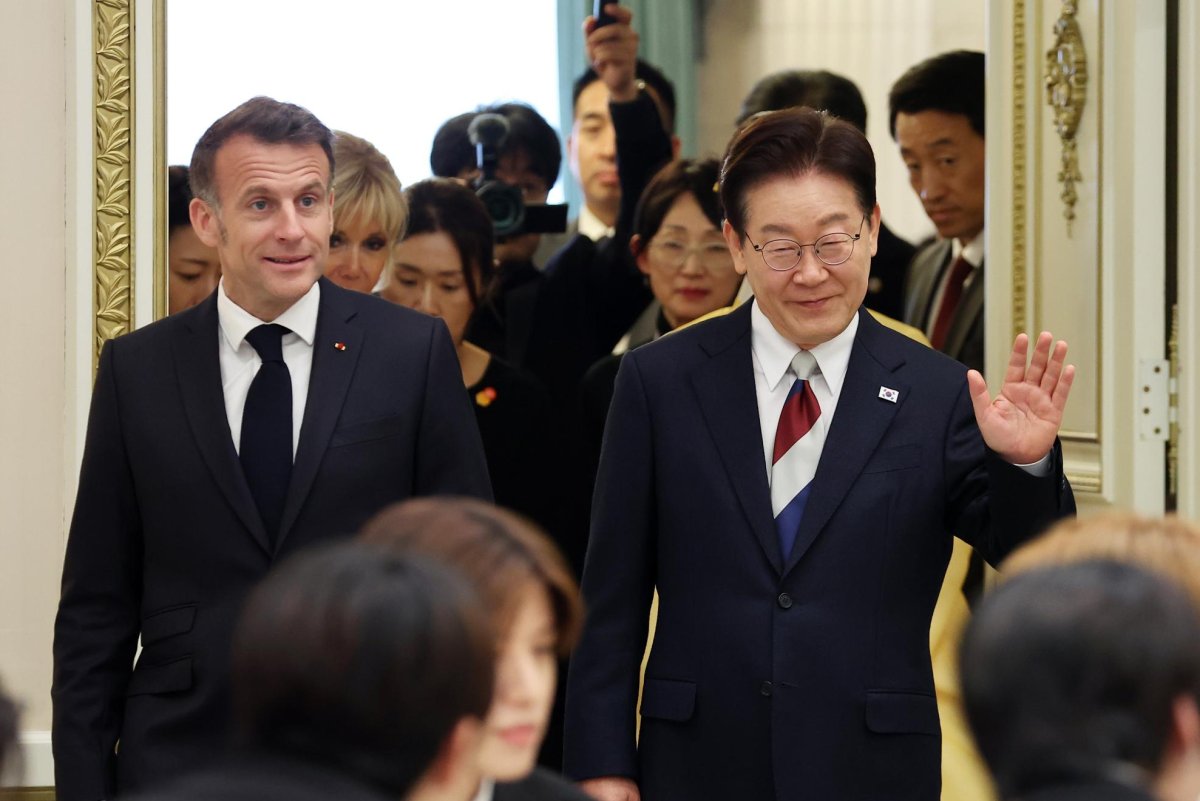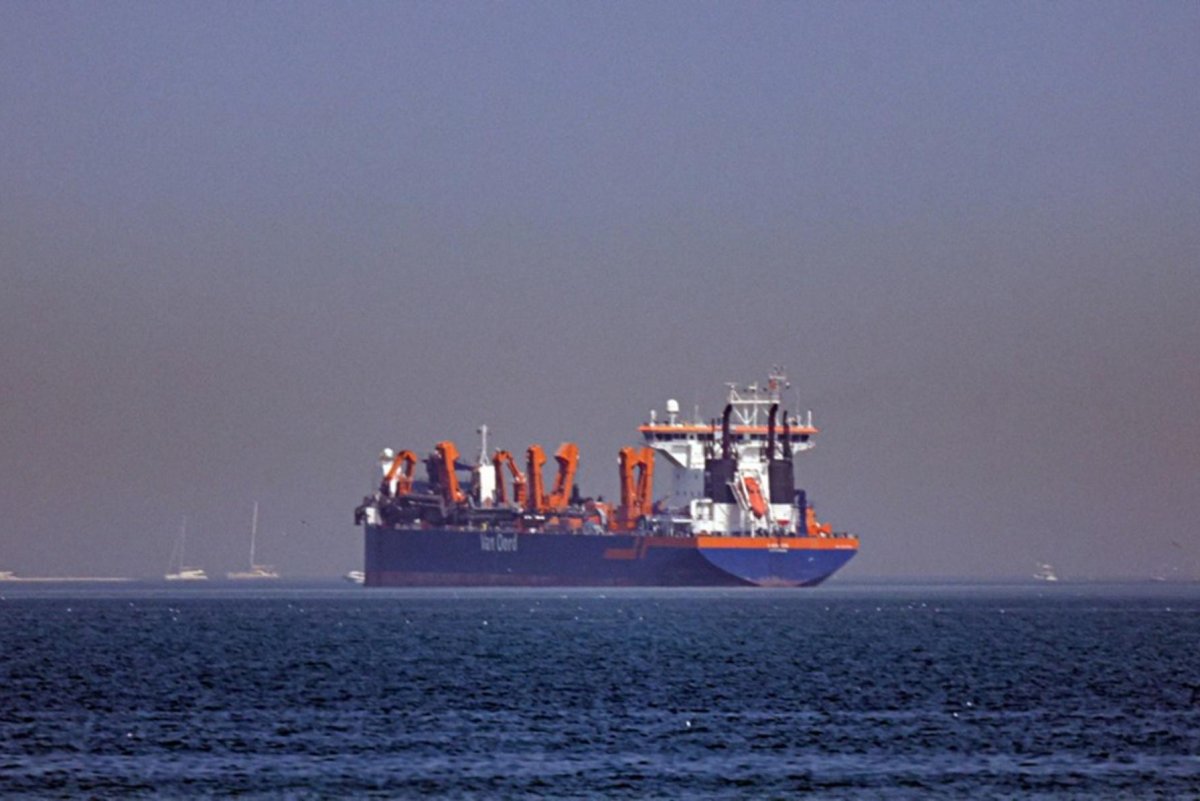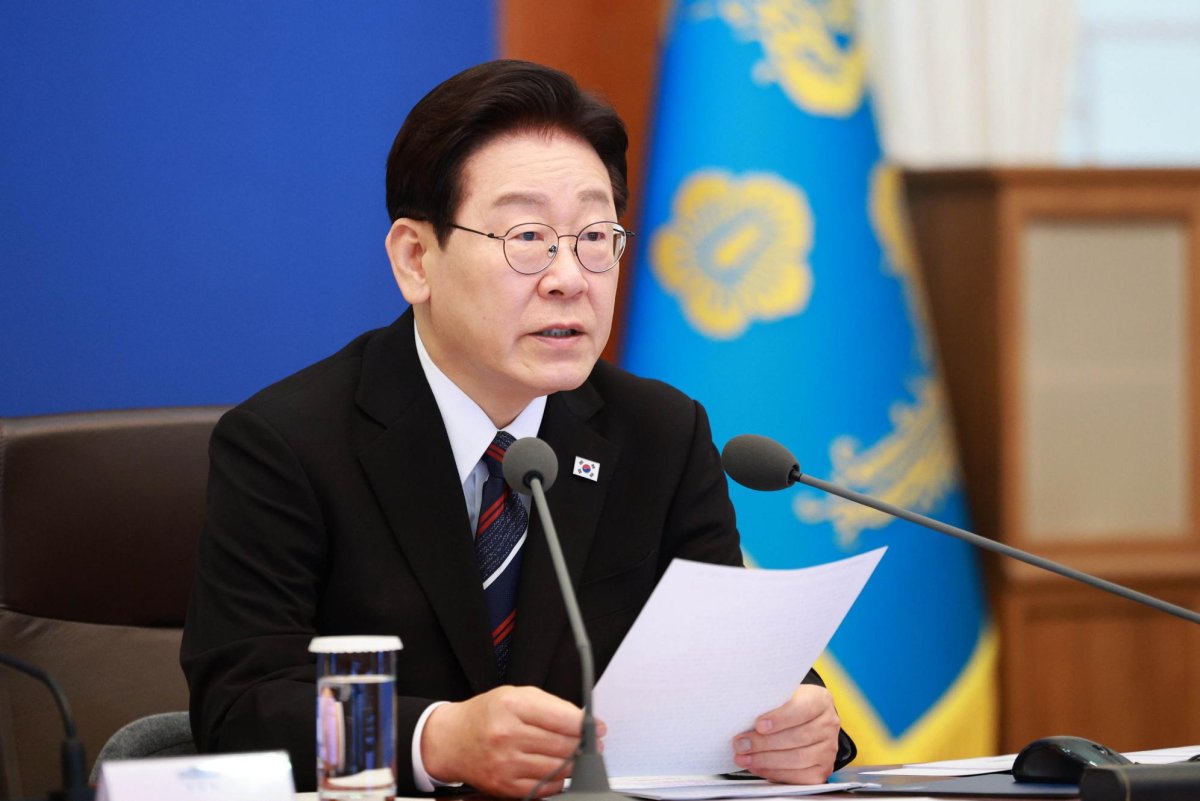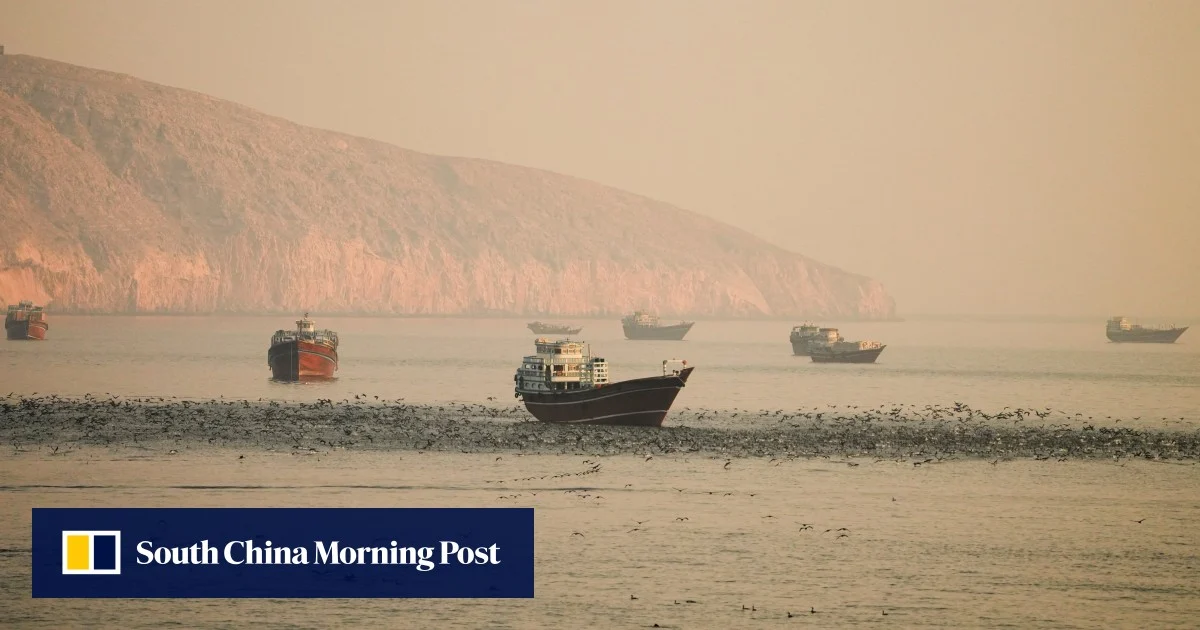
The expected reopening of the Strait of Hormuz under a US-Iran ceasefire framework could ease pressure on South Korea’s energy-dependent economy while creating a thornier diplomatic problem for Seoul: how much should it contribute to securing the waterway?That question is likely to shadow President Lee Jae Myung’s visit to the Group of Seven summit this week in Evian-les-Bains, France, where the wars in Ukraine and Iran are expected to dominate talks among G7 leaders and several invited non-member countries.Observers say the summit could revive pressure on Seoul to join international efforts – potentially including the deployment of naval mine-sweeping capabilities – to safeguard freedom of navigation through the strait, a vital energy chokepoint between the Persian Gulf and the Gulf of Oman.In March, Trump urged South Korea and other affected countries to send ships to help keep the strait open, while Washington later proposed the Maritime Freedom Construct, a framework aimed at improving coordination and information-sharing among partners on maritime security in Hormuz.Seoul has also taken part in discussions around a separate UK- and France-led coalition, forcing it to weigh competing diplomatic expectations against the military and logistical risks of operating in the Gulf.01:32Iran confirms deal struck with US that will lead to reopening of Strait of Hormuz“South Korea is likely to come under renewed pressure to take part in international maritime initiatives”, one led by the United States and the other by the United Kingdom and France, Doo Jin-ho, director of the Eurasia Research Centre at the Korea Research Institute for National Strategy, told This Week in Asia.
Gulf gamble: will South Korea step up for Strait of Hormuz security?
The G7 summit could revive pressure on Seoul to join international efforts to safeguard freedom of navigation through the strait.
259 words~1 min read