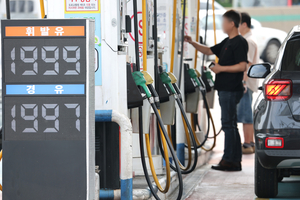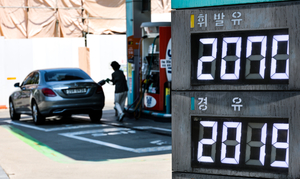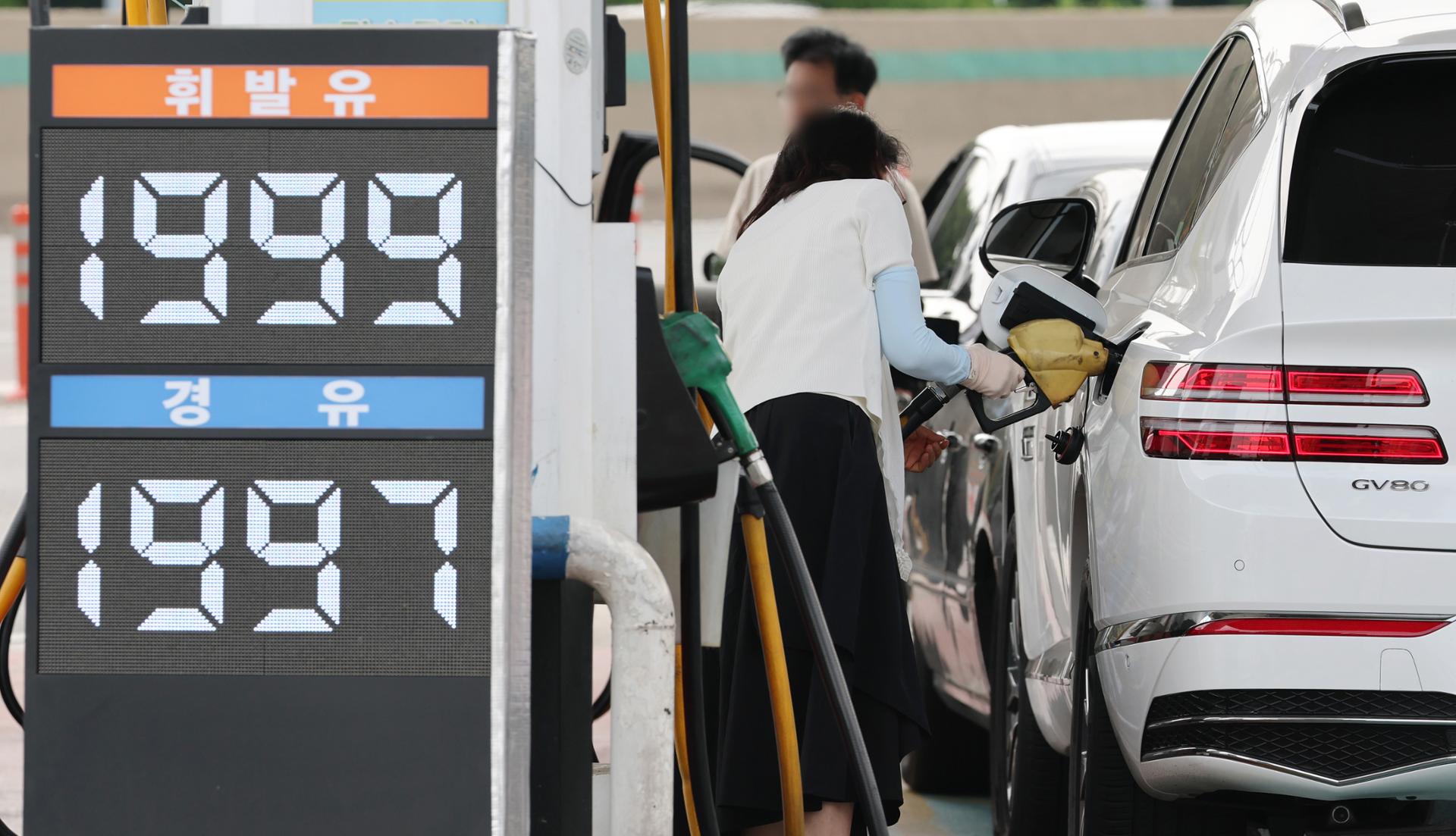
Gas prices are displayed at a gas station in Seoul, Sunday. Yonhap
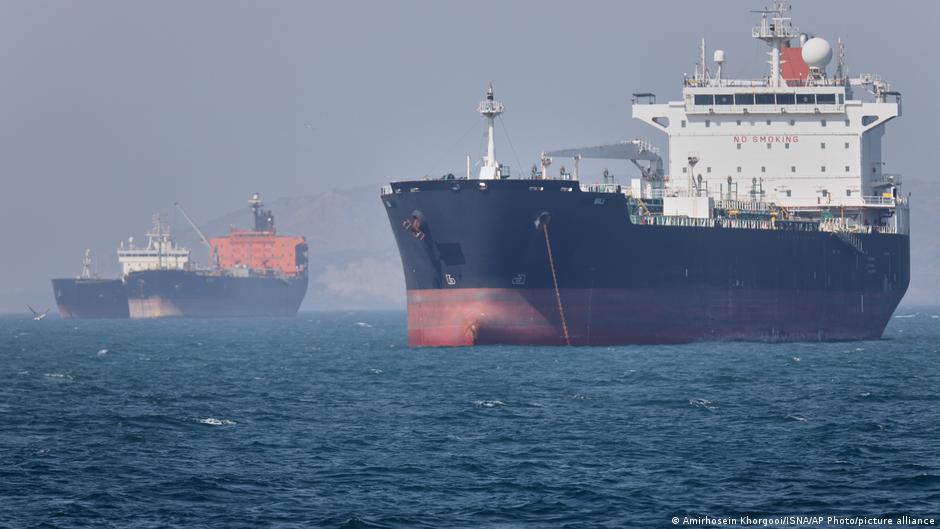
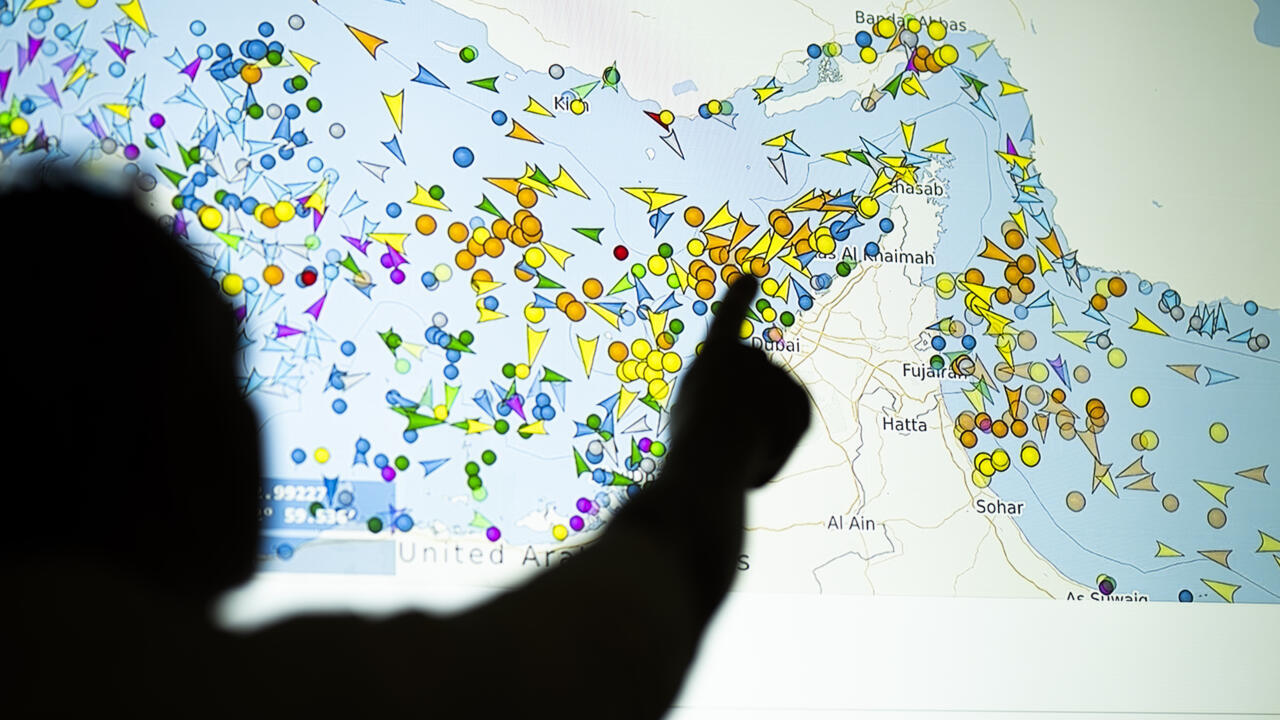
A ceasefire agreement between the United States and Iran and plans to reopen the Strait of Hormuz have eased one of the biggest external risks facing Korea's economy, but oil prices could take time to stabilize and return to pre-war levels, experts said Monday.
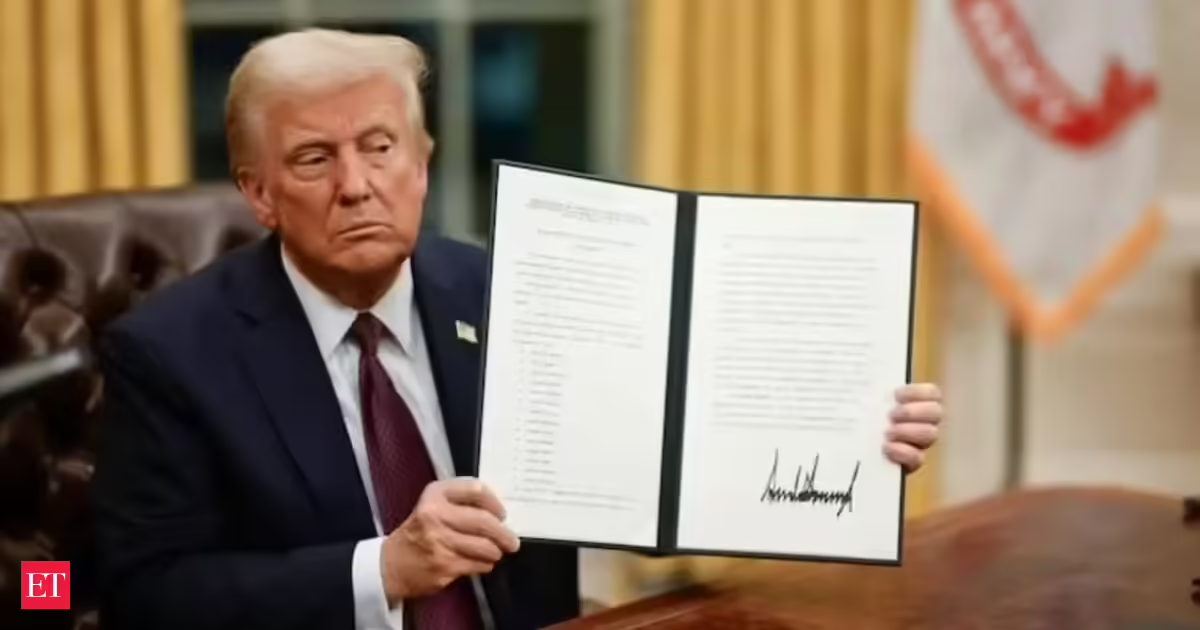
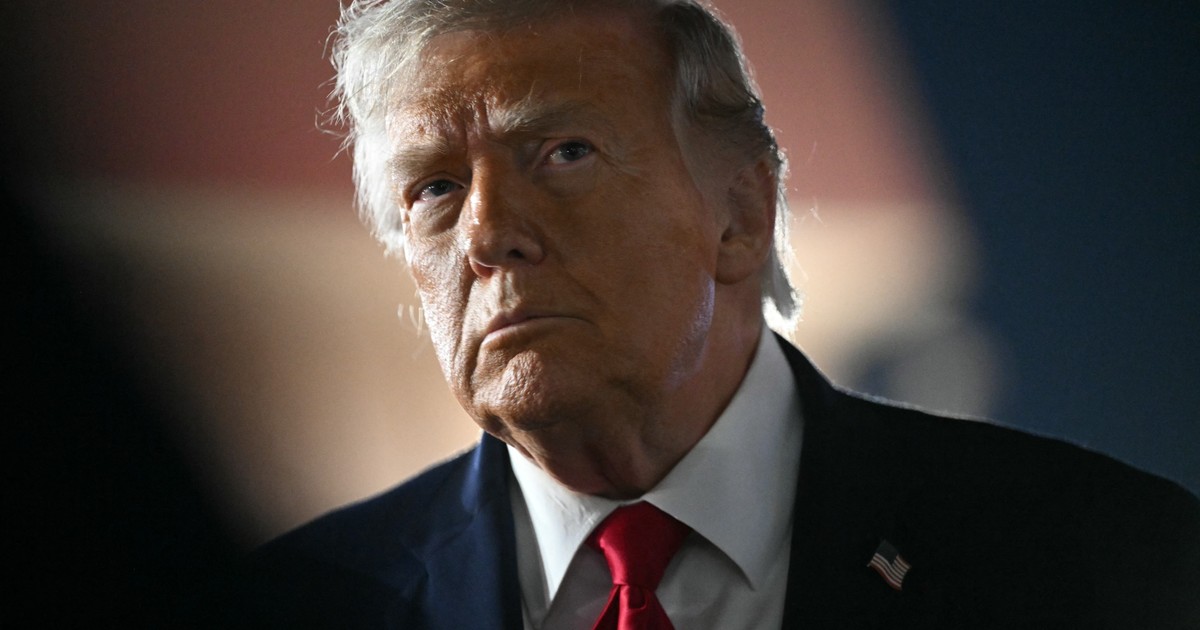
U.S. President Donald Trump announced Sunday (local time) that Washington and Tehran have reached a peace deal aimed at ending their monthslong conflict, saying that the strategically vital Strait of Hormuz will reopen once the agreement is formally signed later this week.
International oil prices retreated after the announcement. Brent crude fell to around $87 per barrel and West Texas Intermediate (WTI) dropped to around $84 per barrel, down from levels that had at one point approached $100 during the conflict.
The latest development is particularly significant for Korea, which imports virtually all of its crude oil, with roughly 70 percent originating from the Middle East and much of it transported through the Strait of Hormuz. Earlier this year, the country scrambled to secure alternative crude supplies and shipping routes.