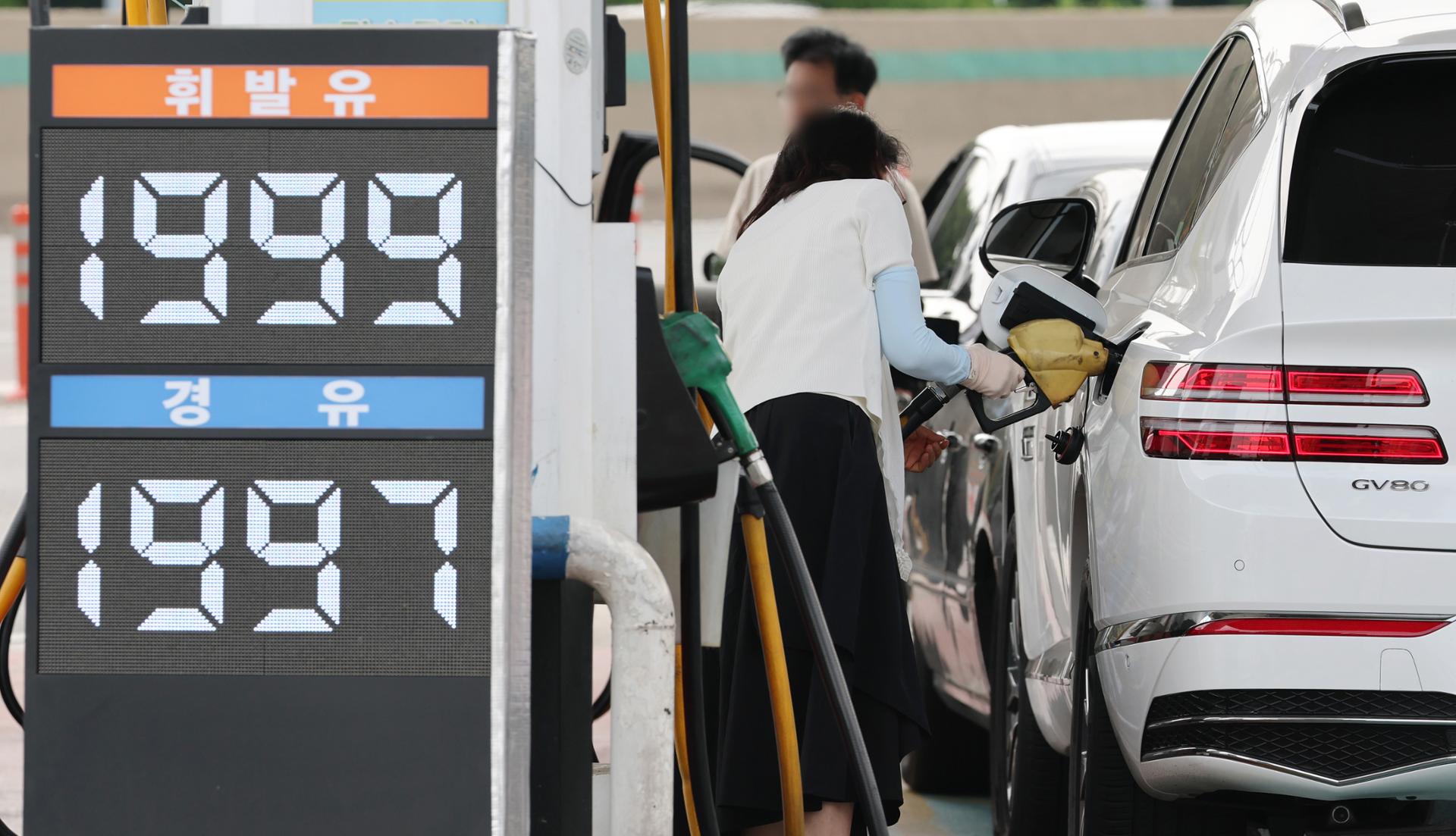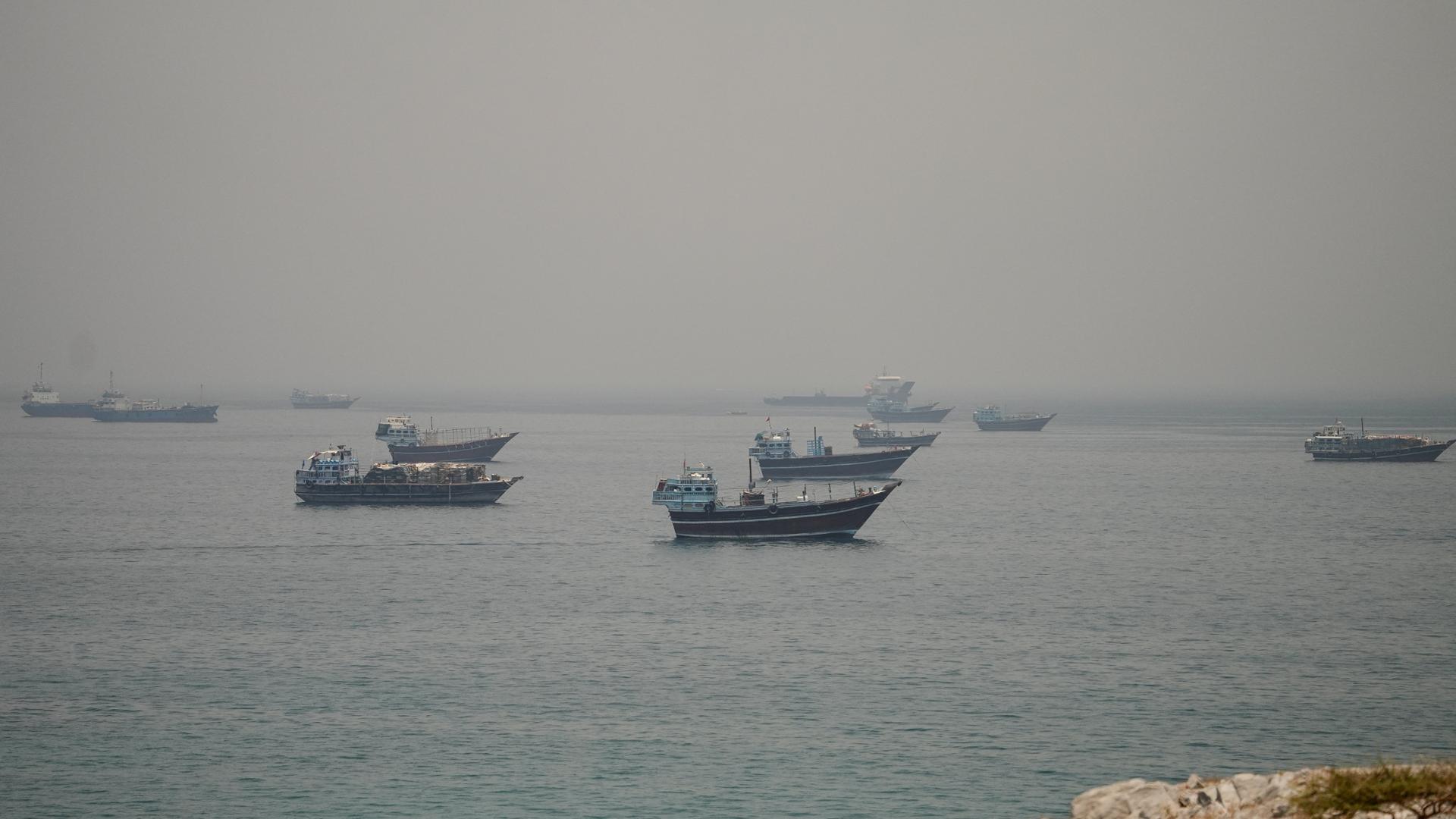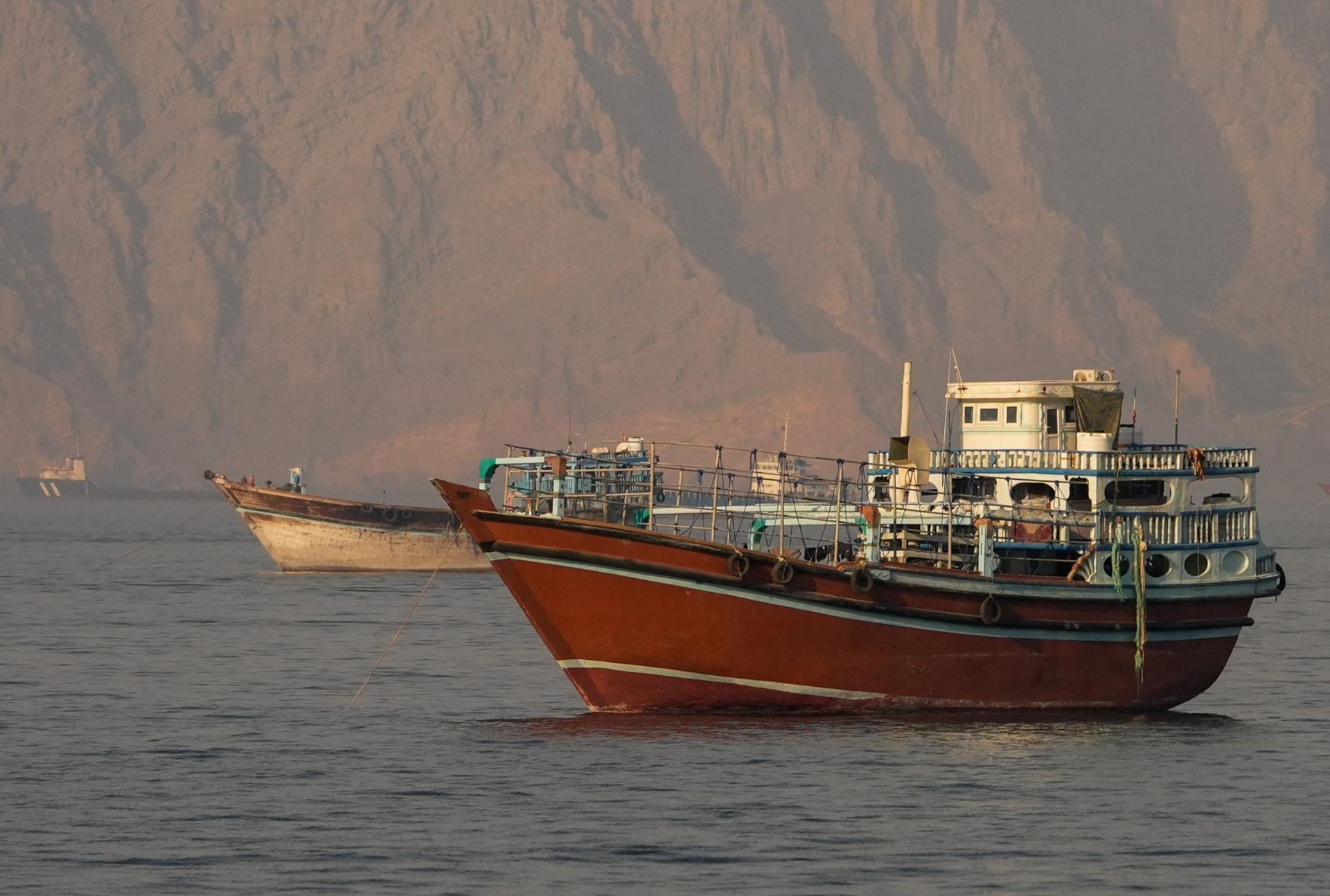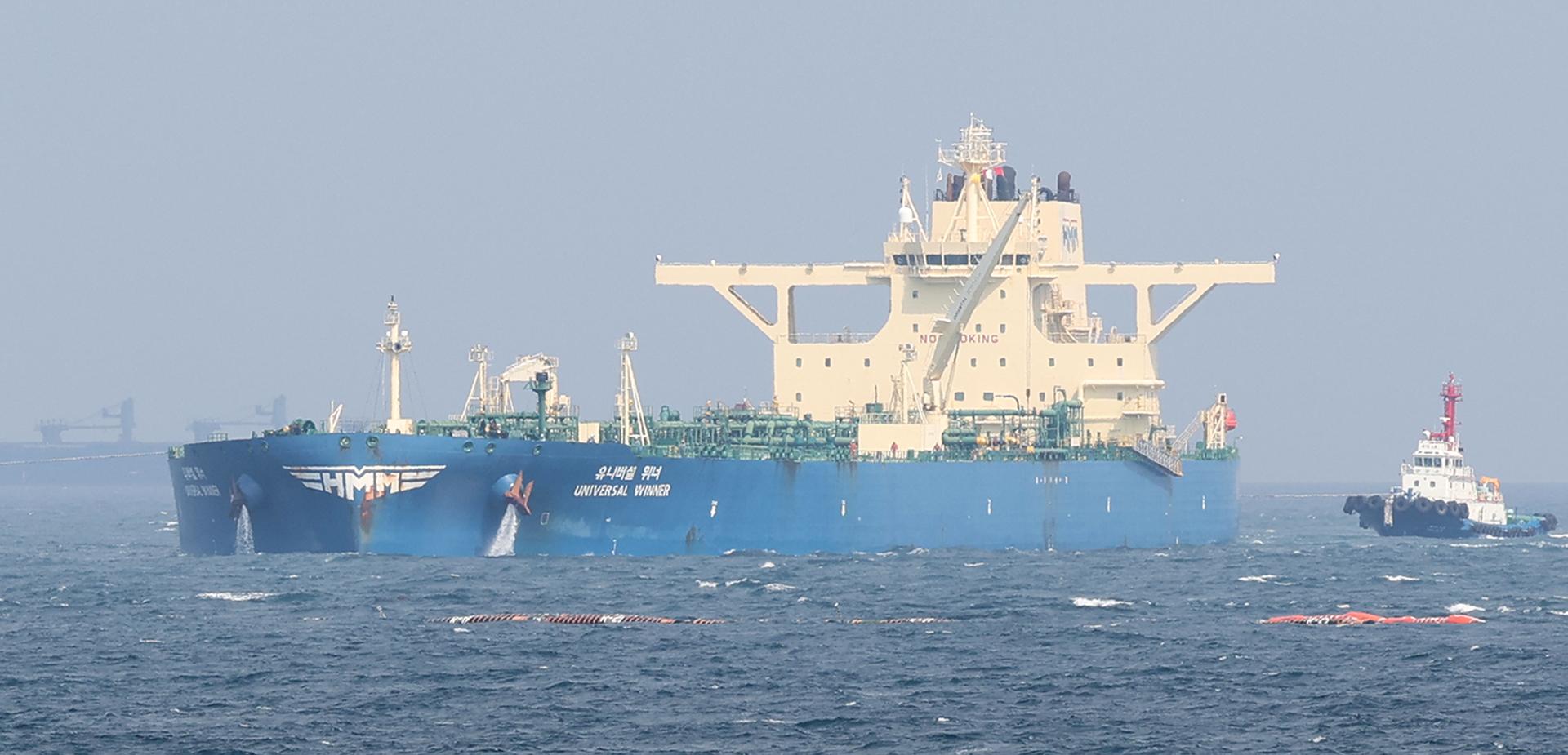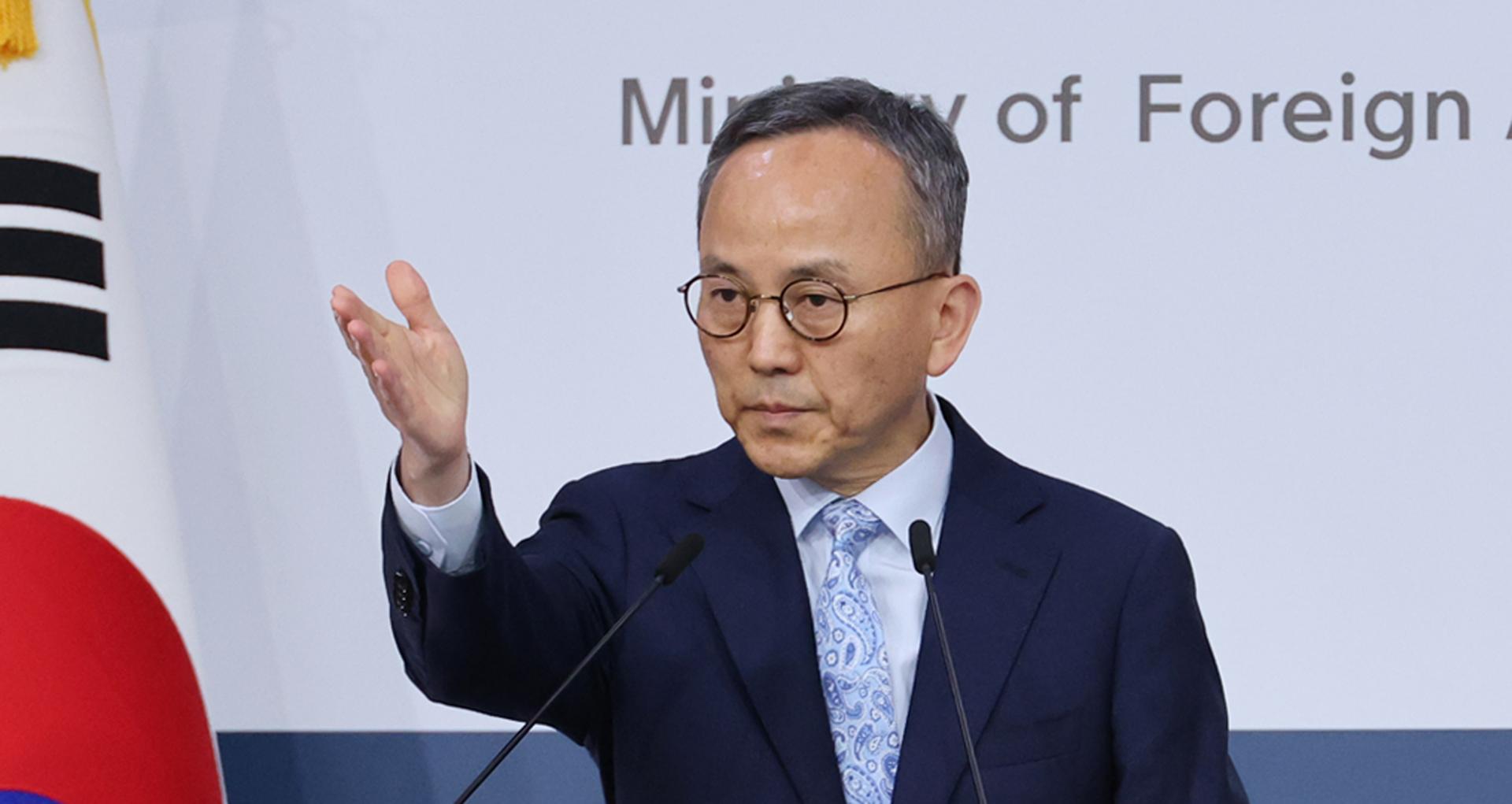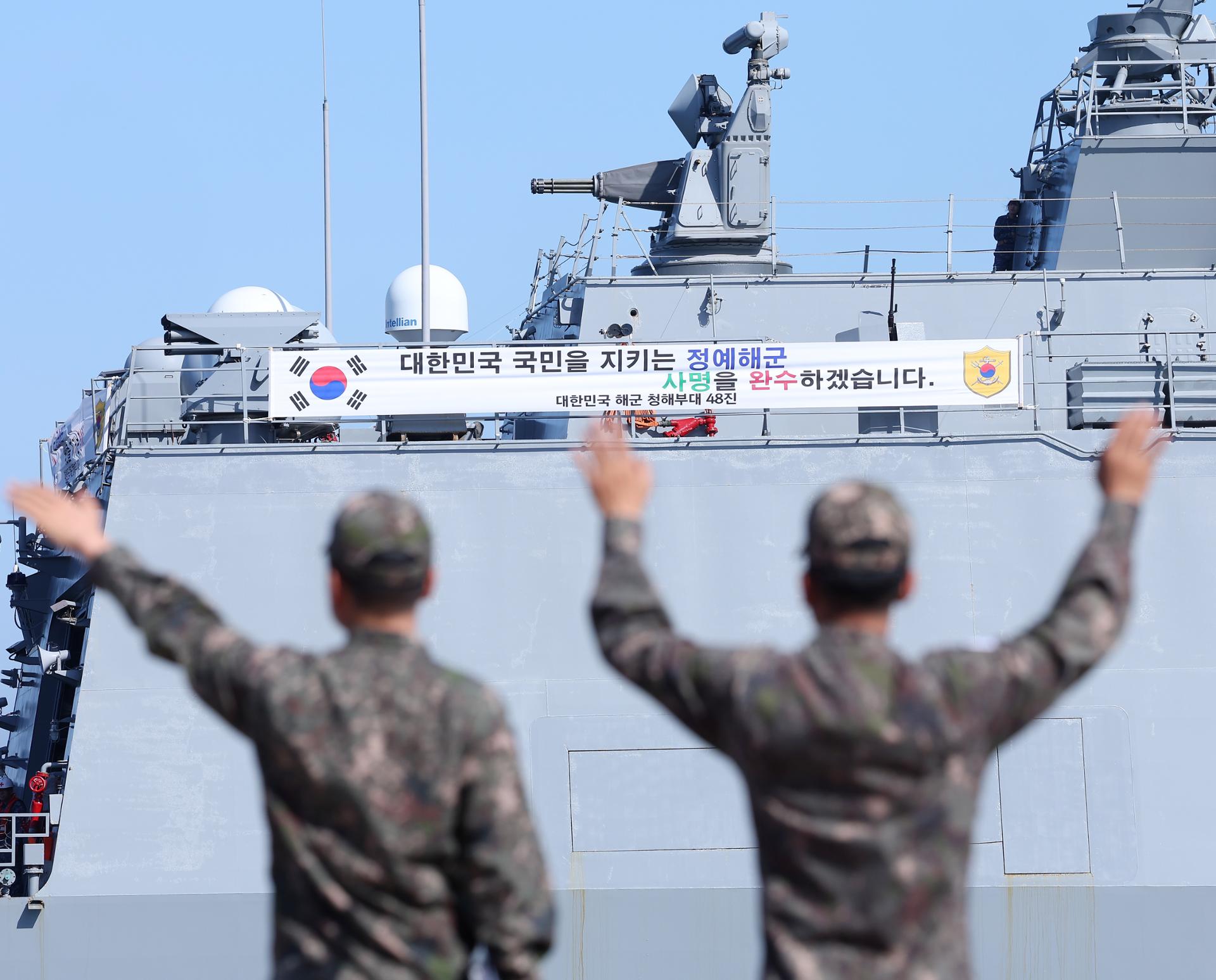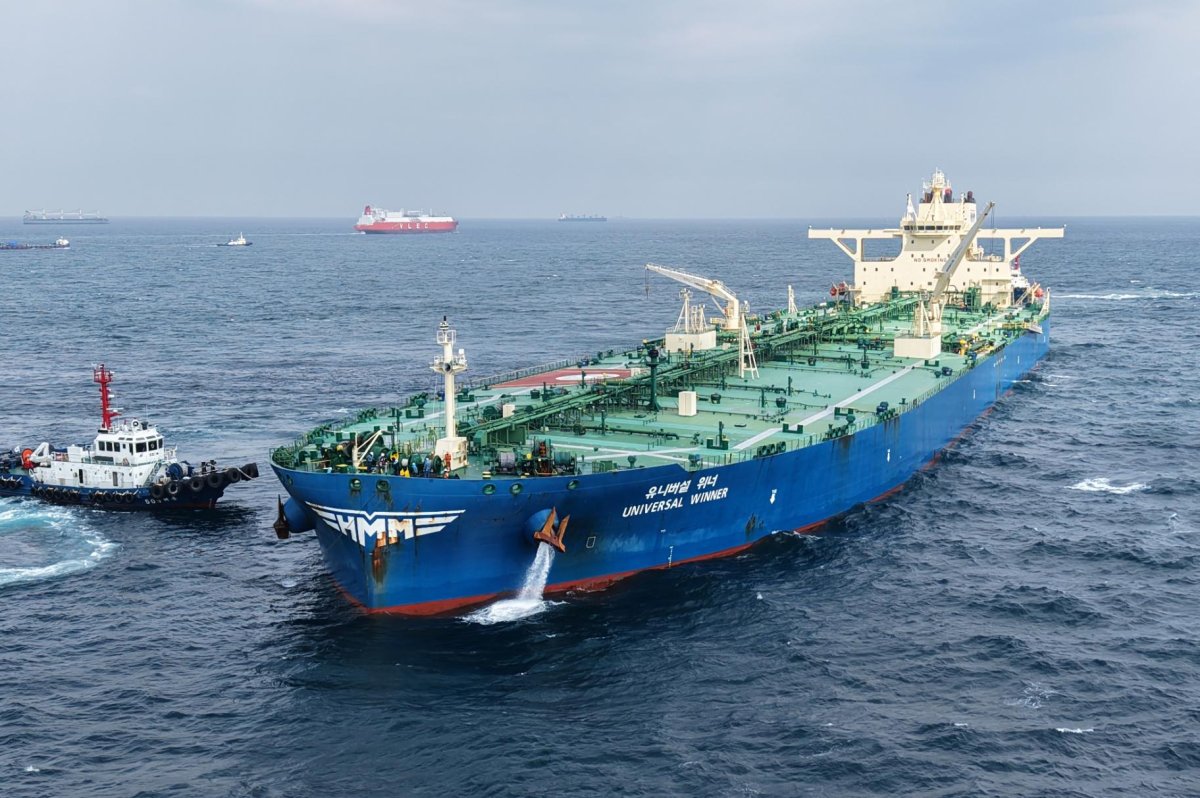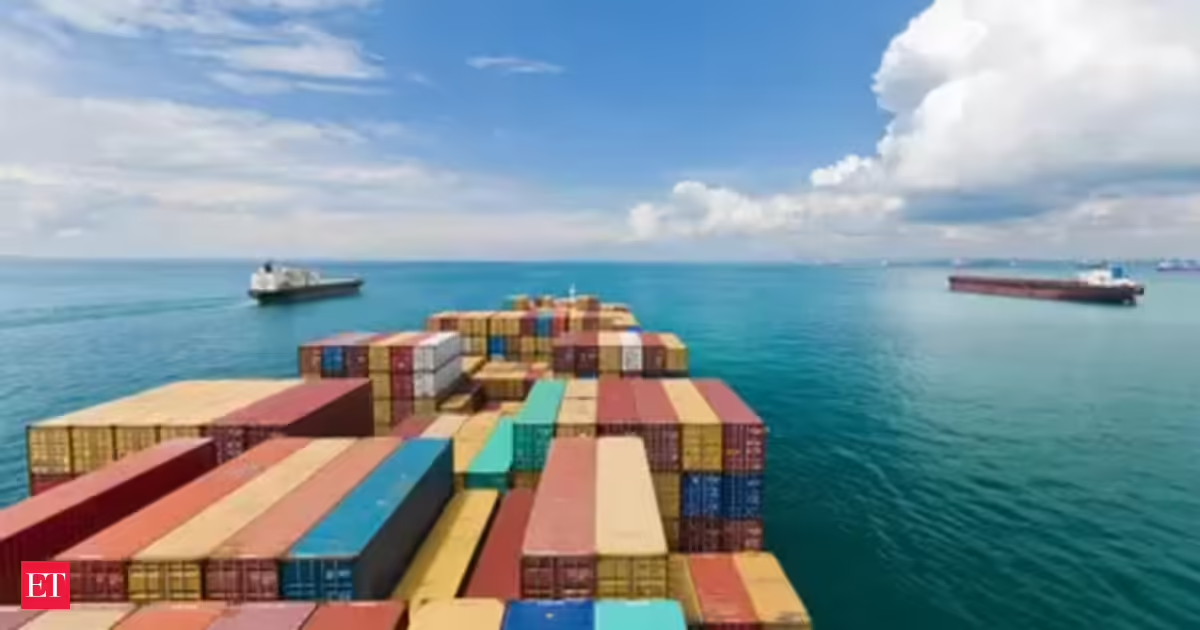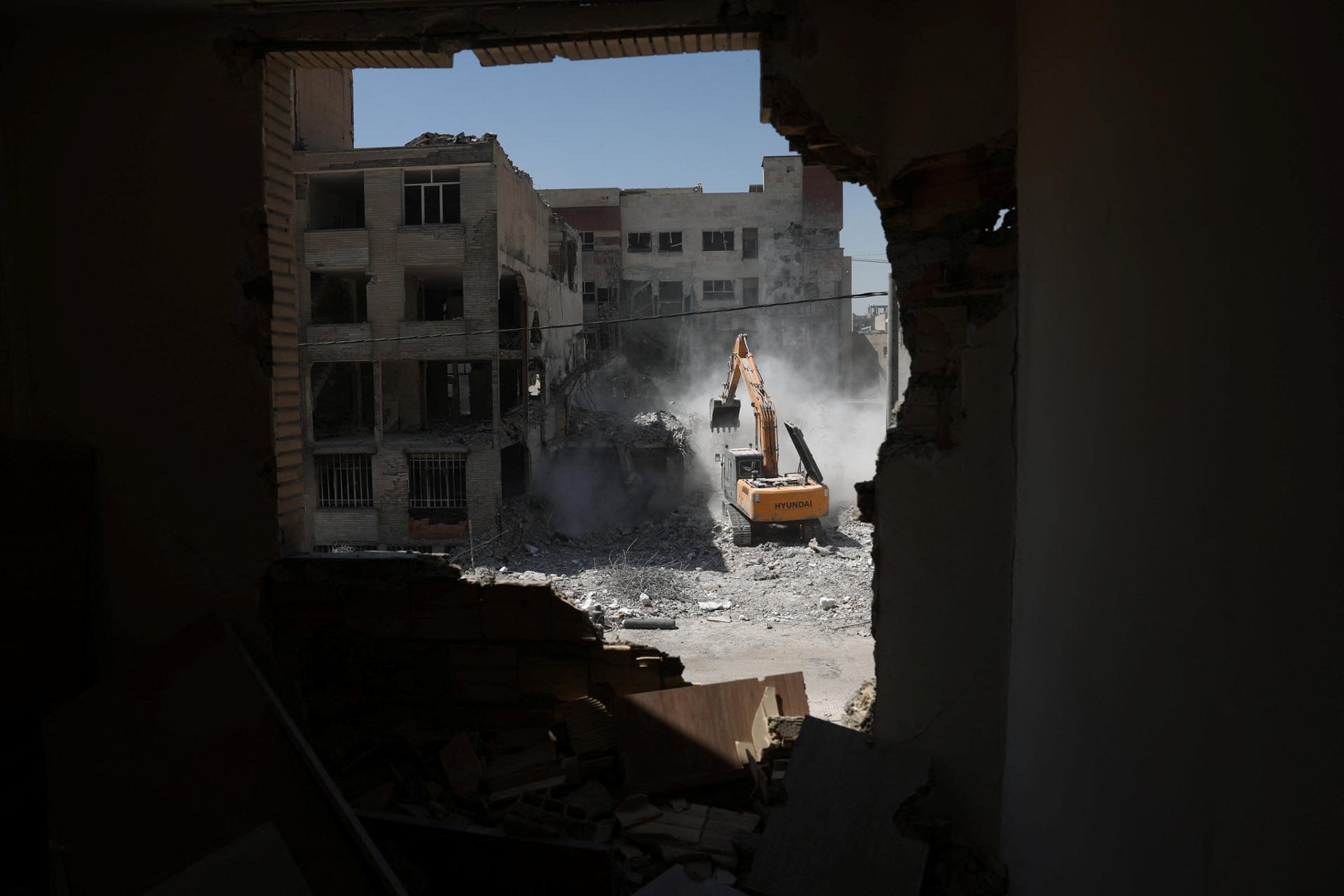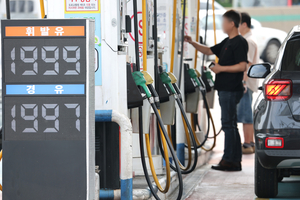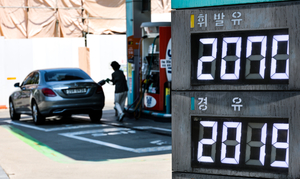
Hormuz reopening raises hope for stranded vessels, energy supply chains, though industry warns recovery could take months An electronic board shows gasoline and diesel prices at a gas station in Seoul on Monday. (Yonhap) The US and Iran agreeing to end their war and reopen the Strait of Hormuz has raised hopes of easing a major external risk for export-dependent South Korea, potentially allowing vessels stranded in the waterway for months to resume voyage and helping normalize global energy supply chains.But industry officials remain cautious, as uncertainties remain ahead of the formal signing of the agreement, warning it may take a while before maritime traffic returns to a prewar level.US President Donald Trump announced Sunday that a peace deal had been reached with Iran, ending all hostilities that were set off by US and Israeli strikes on Iran that began Feb. 28. The prolonged conflict effectively restricted passage through the waterway, one of the world's most important energy and shipping choke points.Iran confirmed the agreement, with both sides committing to reopen the strait upon the signing of the official agreement, which has been set for Friday in Switzerland.All eyes are on when 24 South Korean-managed vessels, with a total of 137 Korean sailors on board, will be able to exit the strait and resume operation. The figure includes ships flying the South Koran flag as well as vessels owned by Korean companies. Among them is HMM's cargo vessel Namu, which was attacked in May and later towed to Dubai of the United Arab Emirates for repairs.South Korean authorities said they have maintained close communication with ship operators and crews and are preparing measures to assist vessels once passage through the strait resumes.But industry officials say security risks remain the biggest obstacle, as commercial vessels faced a heightened threat of attack throughout the conflict and certain areas may need to be cleared of naval mines and other dangers before traffic can safely resume. Shipping companies are likely to wait until there is clear evidence of safety, rather than immediately resume operation following the announcement of the interim agreement."Even if a formal agreement is signed, that does not mean vessels can immediately resume normal operations," said a shipping industry official. "Physical threats need to be removed, safe navigation routes need to be secured and war-risk insurance issues have to be resolved."The official said shipping companies remain cautious about resuming operations given the security risks and elevated insurance costs. With around 2,000 vessels trapped around the waterway, congestion is also expected to slow the recovery of maritime traffic."The agreement is a positive signal, but normalization will likely take months," the official said. "For now, shipping companies are closely monitoring government guidance and developments in the negotiations."South Korea's refining and petrochemical industries also welcomed the prospect of a peace deal, as the reopening of the strait could help ease supply worries that have weighed on the sector throughout the conflict.The industry has been particularly hit hard by the disruptions in the Middle East, as South Korea sources roughly 70 percent of crude oil and 18 percent of its liquefied natural gas imports from the region.A reopening of the strait would likely reduce uncertainty in the global oil market.Global oil prices fell following the news, with Brent crude prices down 3.9 percent to about $84 a barrel. US crude dropped 4.8 percent to about $81 a barrel, marking the lowest price for crude since the first week of the war in March.Fuel prices in South Korea began to show signs of stabilization as expectations of a deal increased. According to the state-run Korea National Oil Corp.'s Opinet database, the nationwide average gasoline price fell 0.5 won per liter from a week earlier to 2,009.9 won ($1.33) during the second week of June, while diesel prices slipped 0.3 won to 2,004.8 won per liter.Despite the improved outlook, industry officials cautioned that a return to prewar conditions could take a while."As a significant number of oil-producing facilities, refineries and infrastructure have been severely damaged during the war, it will take a few months before the facilities are restored," an oil refining industry official said.The Korea Energy Economics Institute said in a report released last month that crude oil prices could remain above $90 per barrel for even if a peace agreement is reached.The attention now turns to when the government will phase out its petroleum price cap, which has been in place since March to ease cost burdens on drivers and industries.As the Middle East war moves toward an end, there is an expectation that the price cap could be withdrawn in the coming months. However, the government has taken a cautious stance, as removing the cap before oil markets and supply chains fully stabilize could trigger a sharp rise in retail fuel prices and add to broader inflationary pressures.
Interim Iran deal eases key risk for Korea's export-driven economy
The US and Iran agreeing to end their war and reopen the Strait of Hormuz has raised hopes of easing a major external risk for export-dependent South Korea, pot
804 words~4 min read