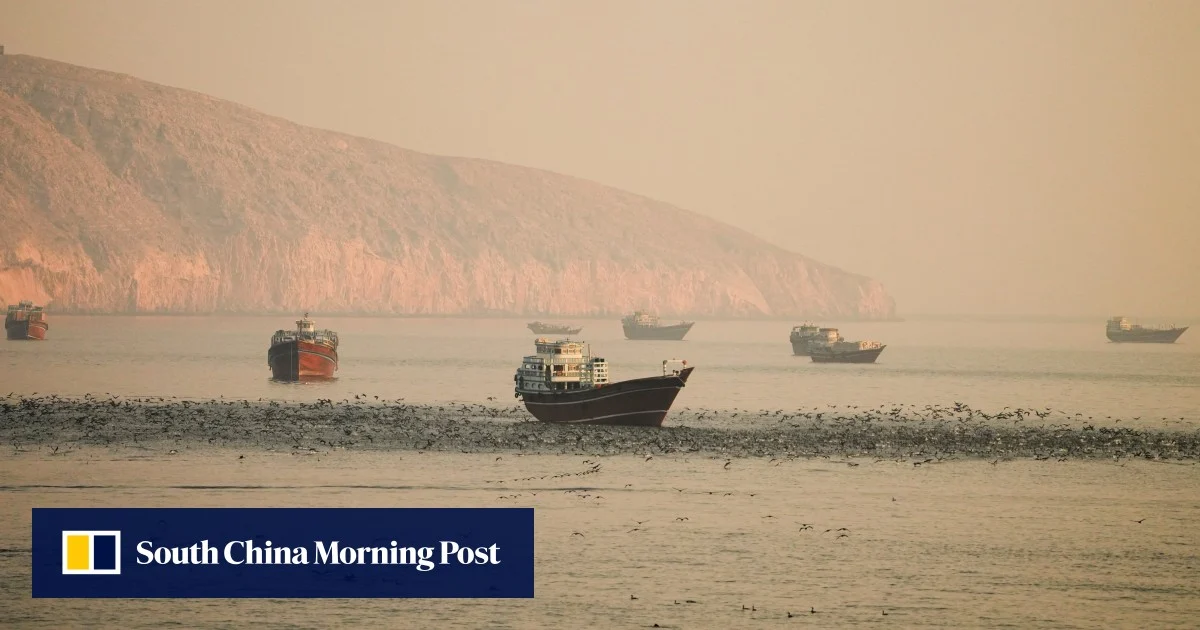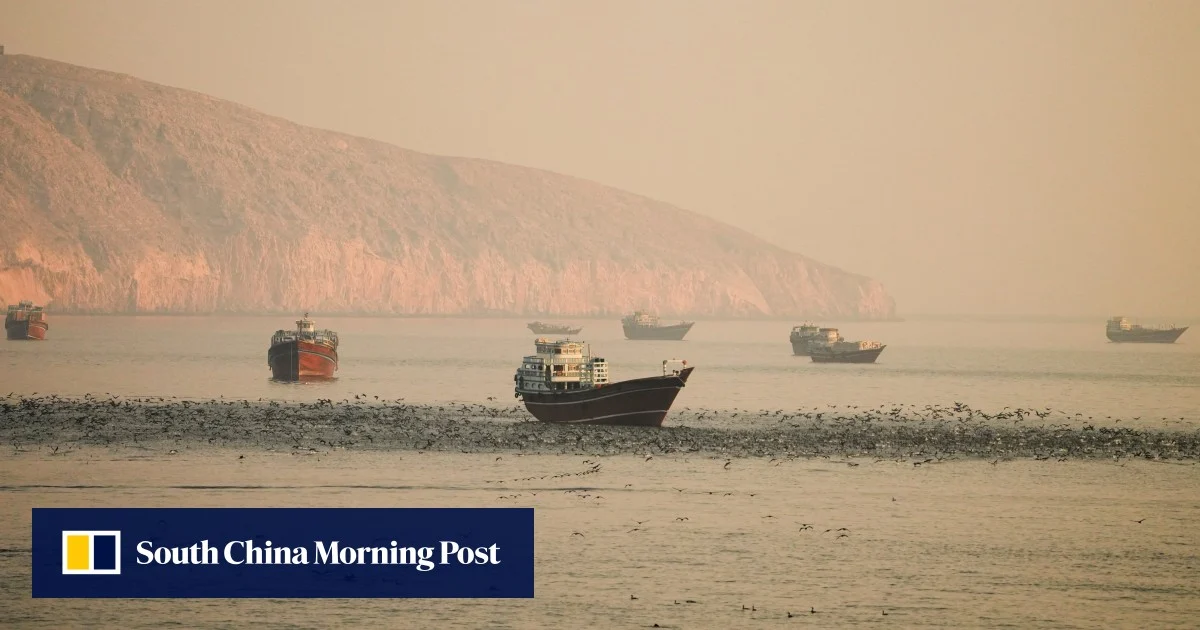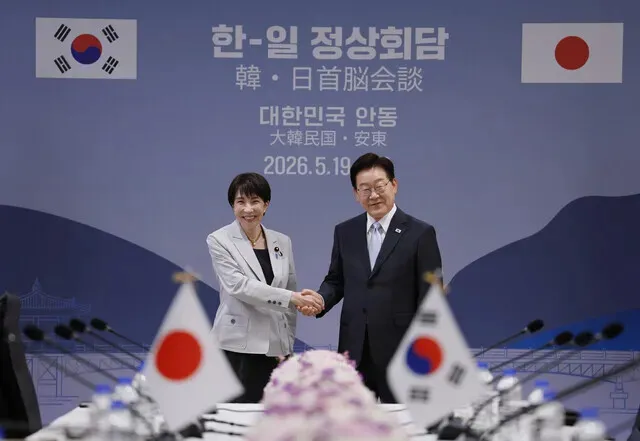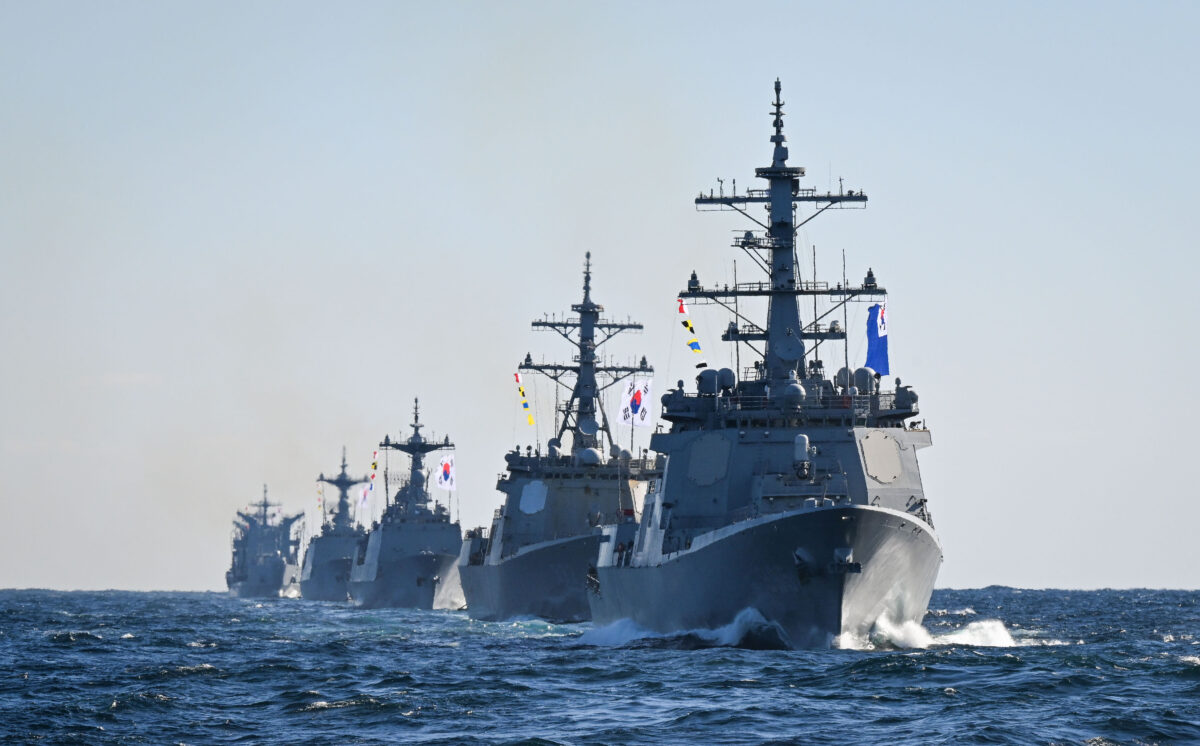
Ongoing instability in the Middle East is exposing structural vulnerabilities in energy-dependent economies. South Korea, whose economic engine relies heavily on Persian Gulf hydrocarbons, has historically outsourced the security of maritime energy routes to the United States. But the 2026 US–Iran conflict has called that arrangement into question. As Washington expects partners to share the burden of maritime security, Seoul must expand its security footprint in the Middle East through pragmatic coalitions with partners like Japan and the European Union.
The scale of South Korea’s exposure is stark. The country sources roughly 70 per cent of its crude oil and 20 per cent of its liquefied natural gas from the Middle East, with 95 per cent of those crude shipments passing through the Strait of Hormuz. Seoul has sought to diversify its energy portfolio to mitigate this risk, expanding imports from the United States and Australia and accelerating domestic investments in renewable and nuclear energy. But replacing the volume of Middle Eastern hydrocarbons is a decades-long endeavour, leaving South Korea heavily dependent on secure maritime transit through the Gulf and exposed to immediate supply shocks.