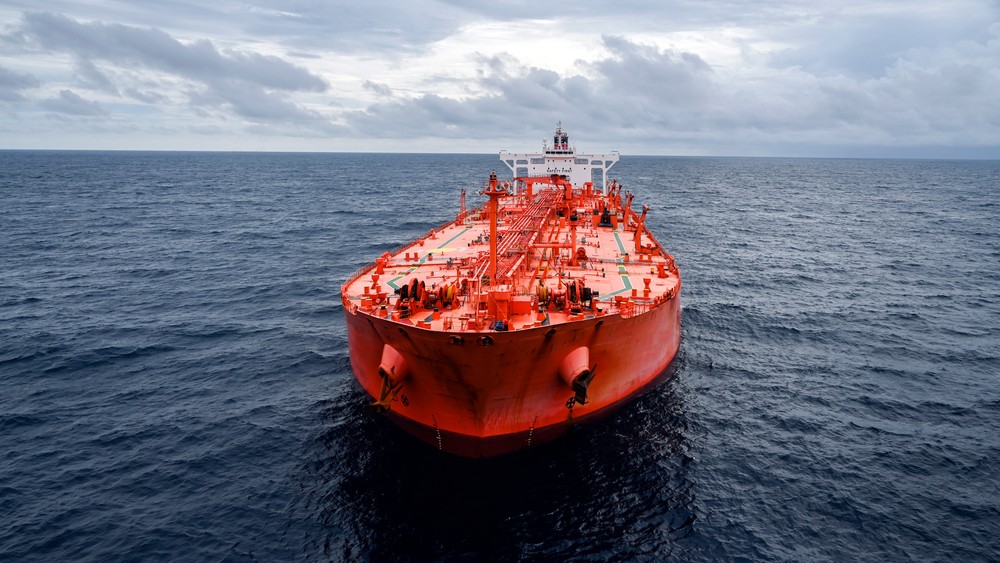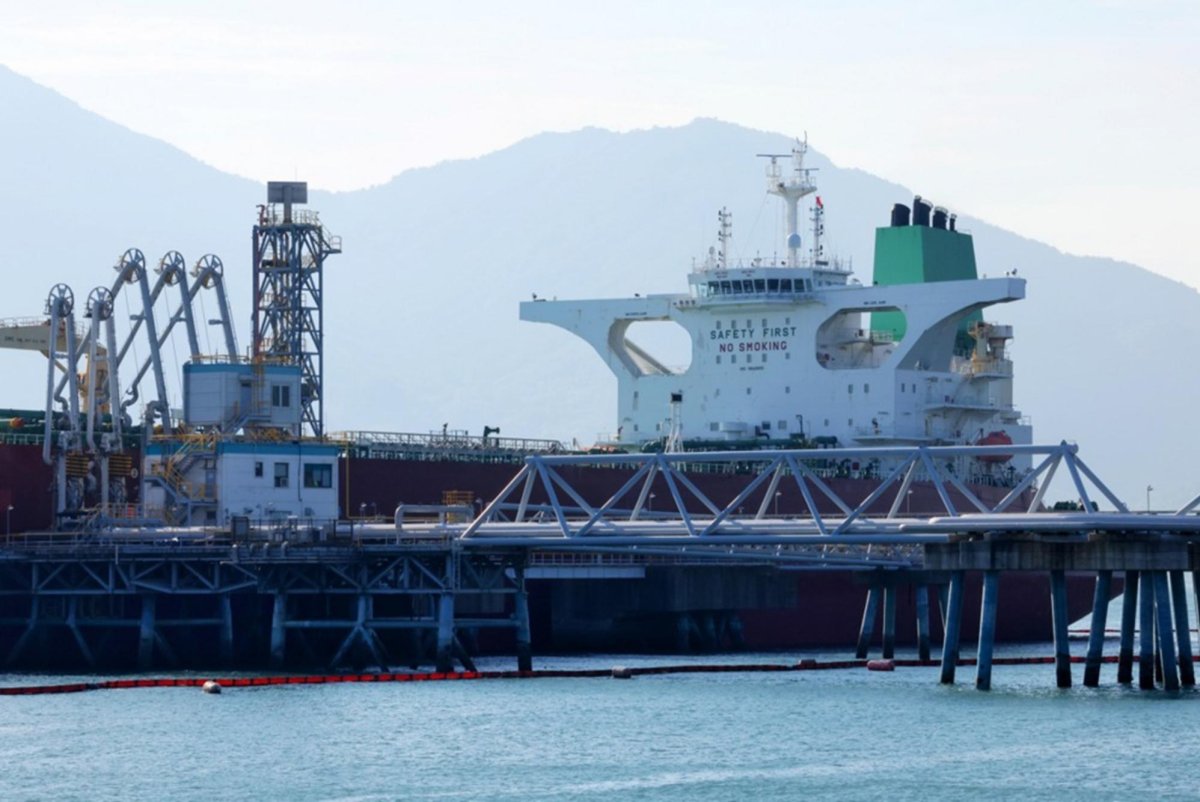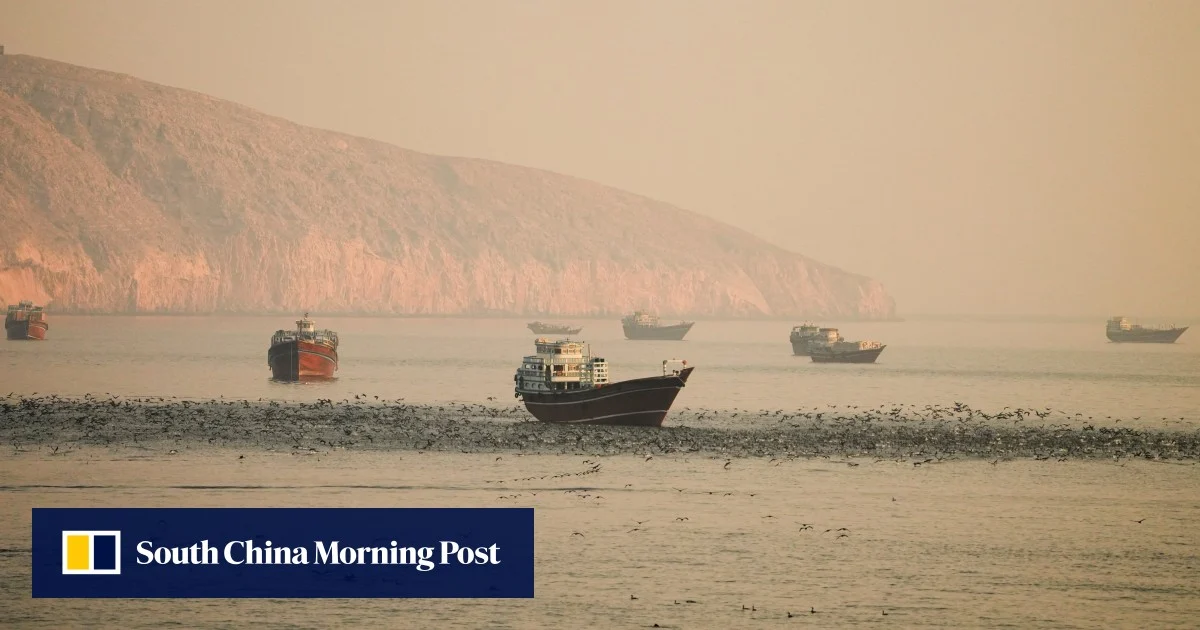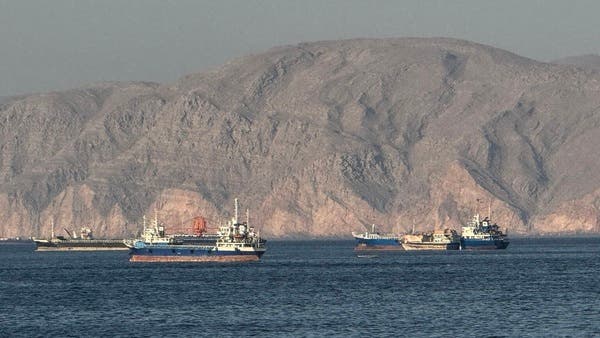
March 5 (Asia Today) -- The start of a blockade in the Strait of Hormuz should be treated in Seoul as more than a Middle East security crisis. It is a direct stress test of South Korea's energy lifeline and a warning about how exposed the country remains to maritime choke points.
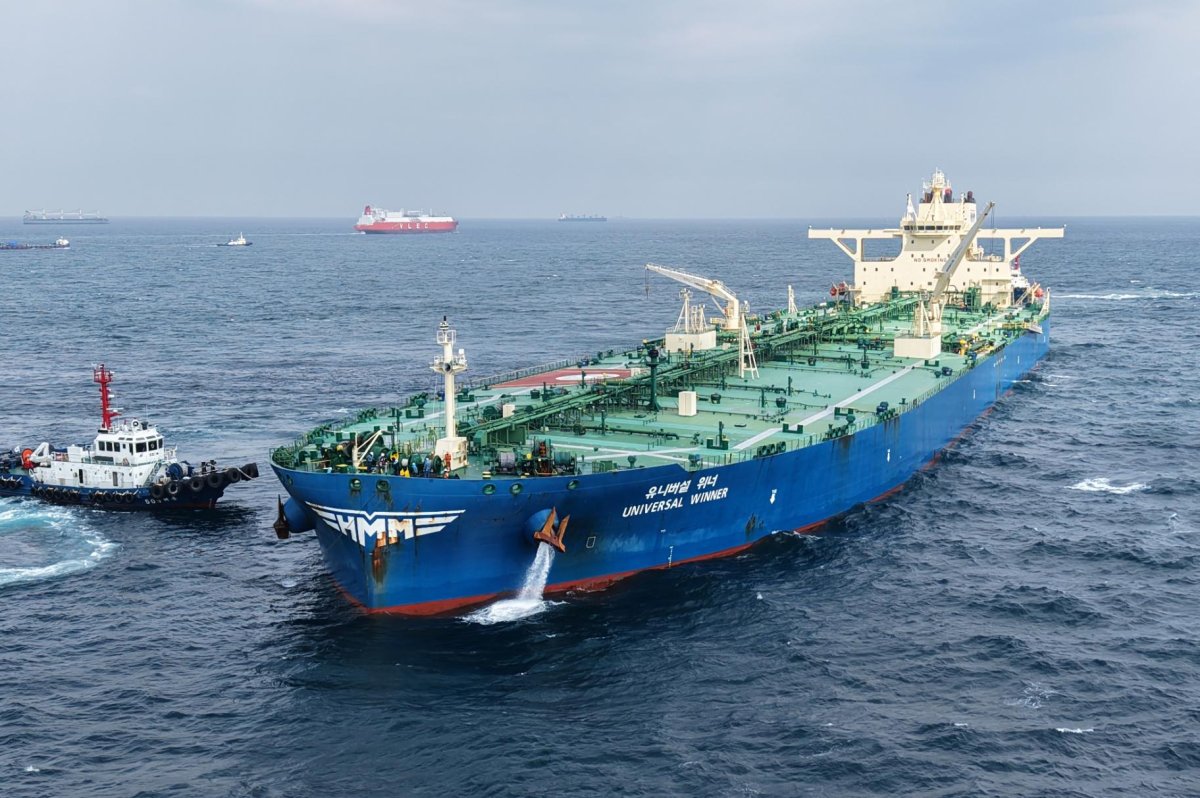
Roughly 20% of global crude oil shipments move through the Strait of Hormuz. For South Korea, the share is far higher: nearly 70% of its crude imports depend on that route. With South Korea ranked as the most crude oil-dependent economy among the 37 members of the Organization for Economic Cooperation and Development, any sustained disruption is not a distant risk. It is an immediate national concern.
U.S. President Donald Trump said Monday the U.S. Navy could begin escorting tankers through the strait "as soon as possible" if needed and pledged to ensure the free flow of global energy. He also suggested oil prices might rise briefly before falling once the crisis ends.
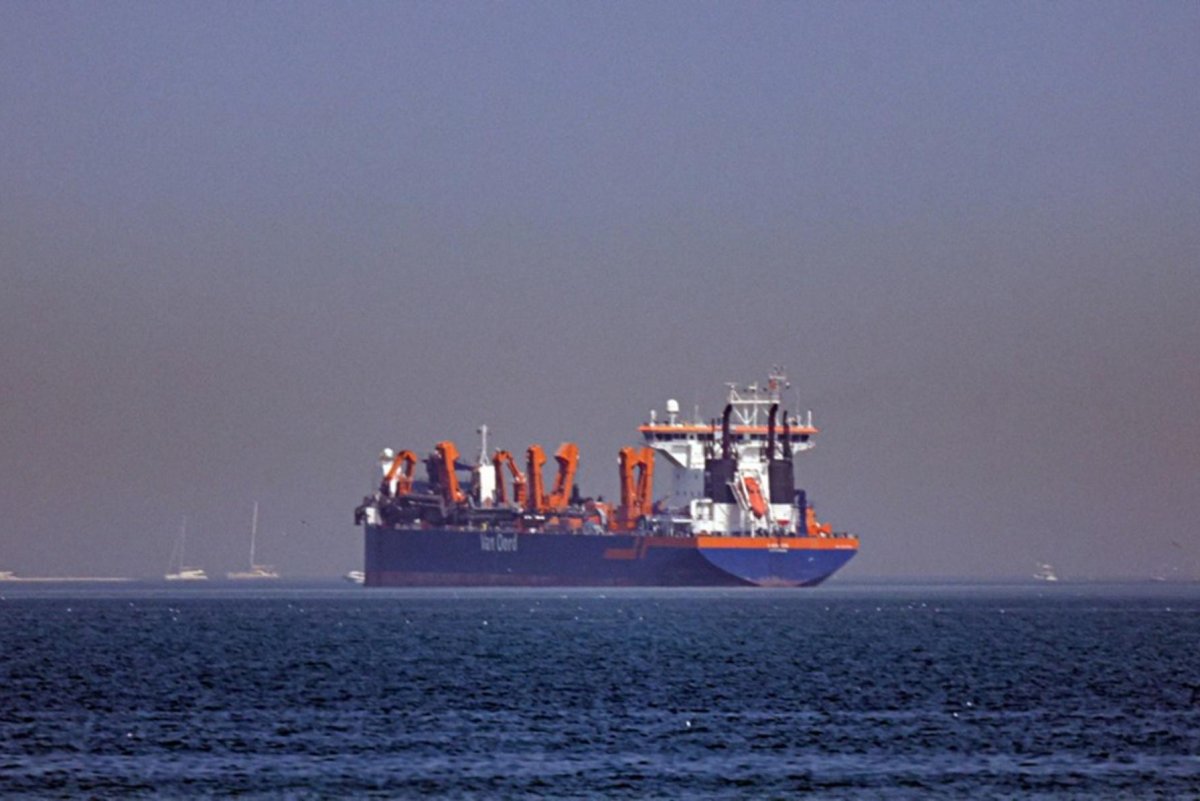
But shipping companies understand what political statements cannot guarantee. Commercial vessels do not have meaningful self-defense capabilities against state-level threats. Iran's Islamic Revolutionary Guard Corps has issued explicit warnings, including threats to sink ships attempting to pass and claims the disruption could push oil prices to $200 per barrel. Even if military escorts are offered, risk perception alone can freeze shipping decisions, drive insurance costs higher and reduce actual cargo movements.