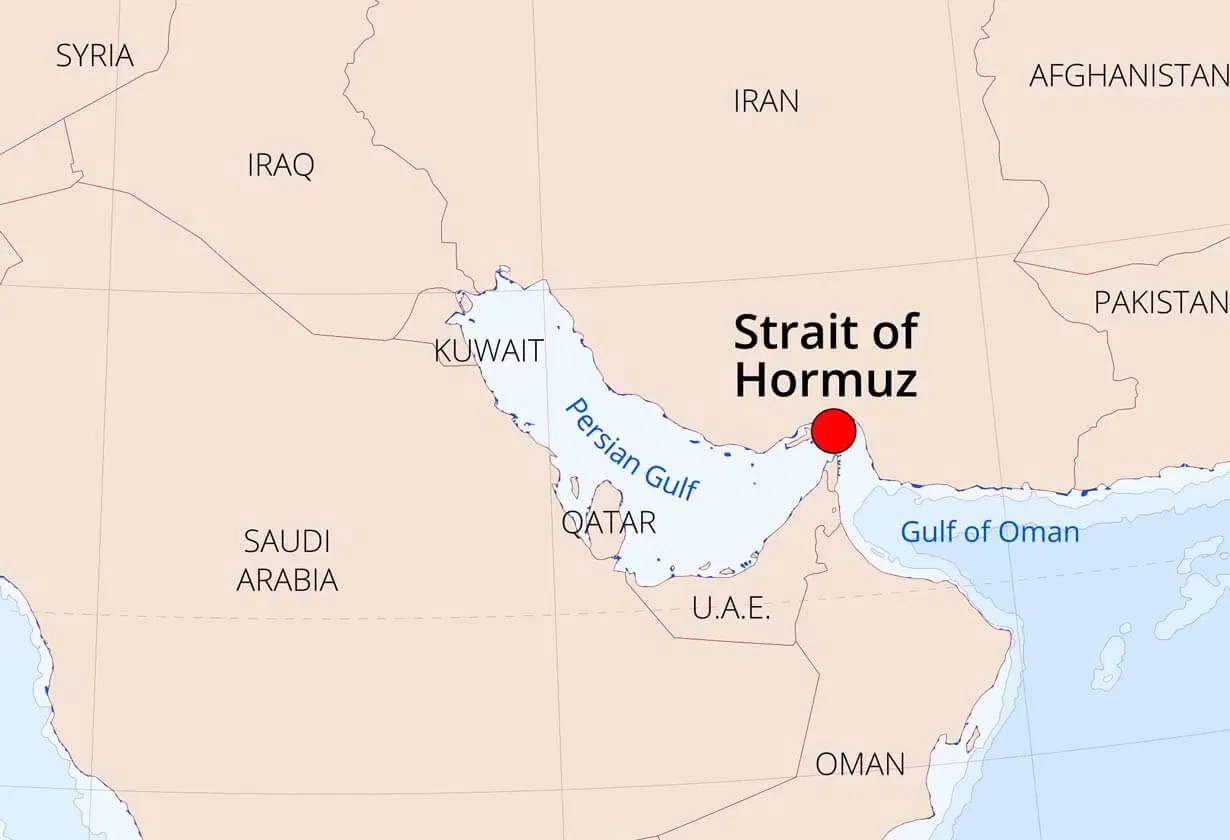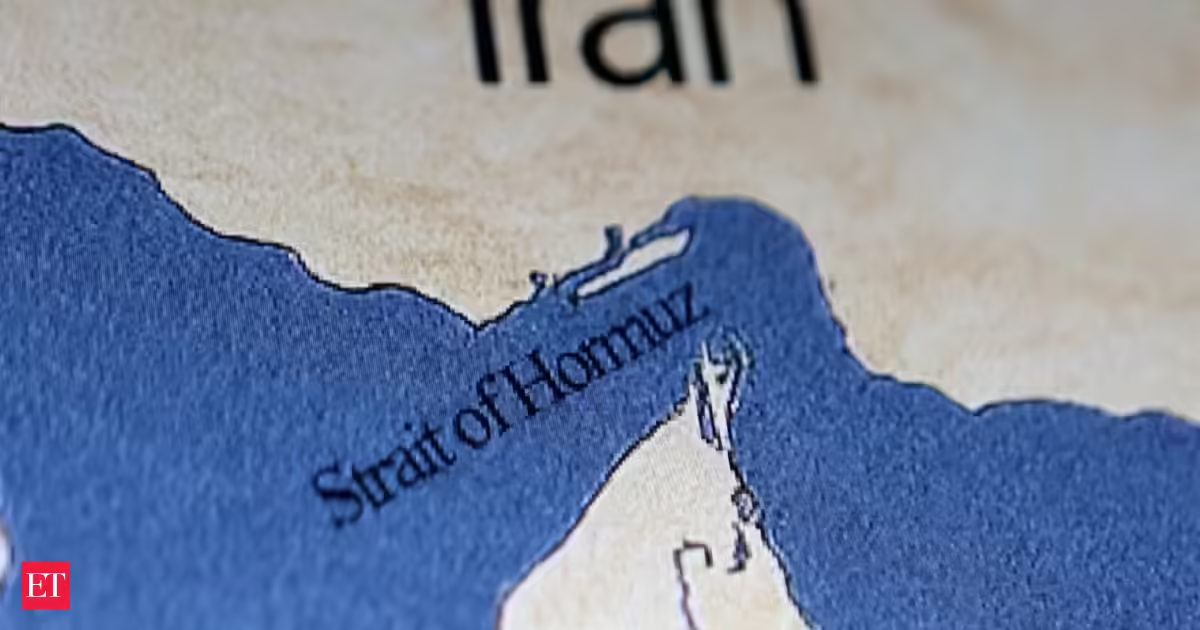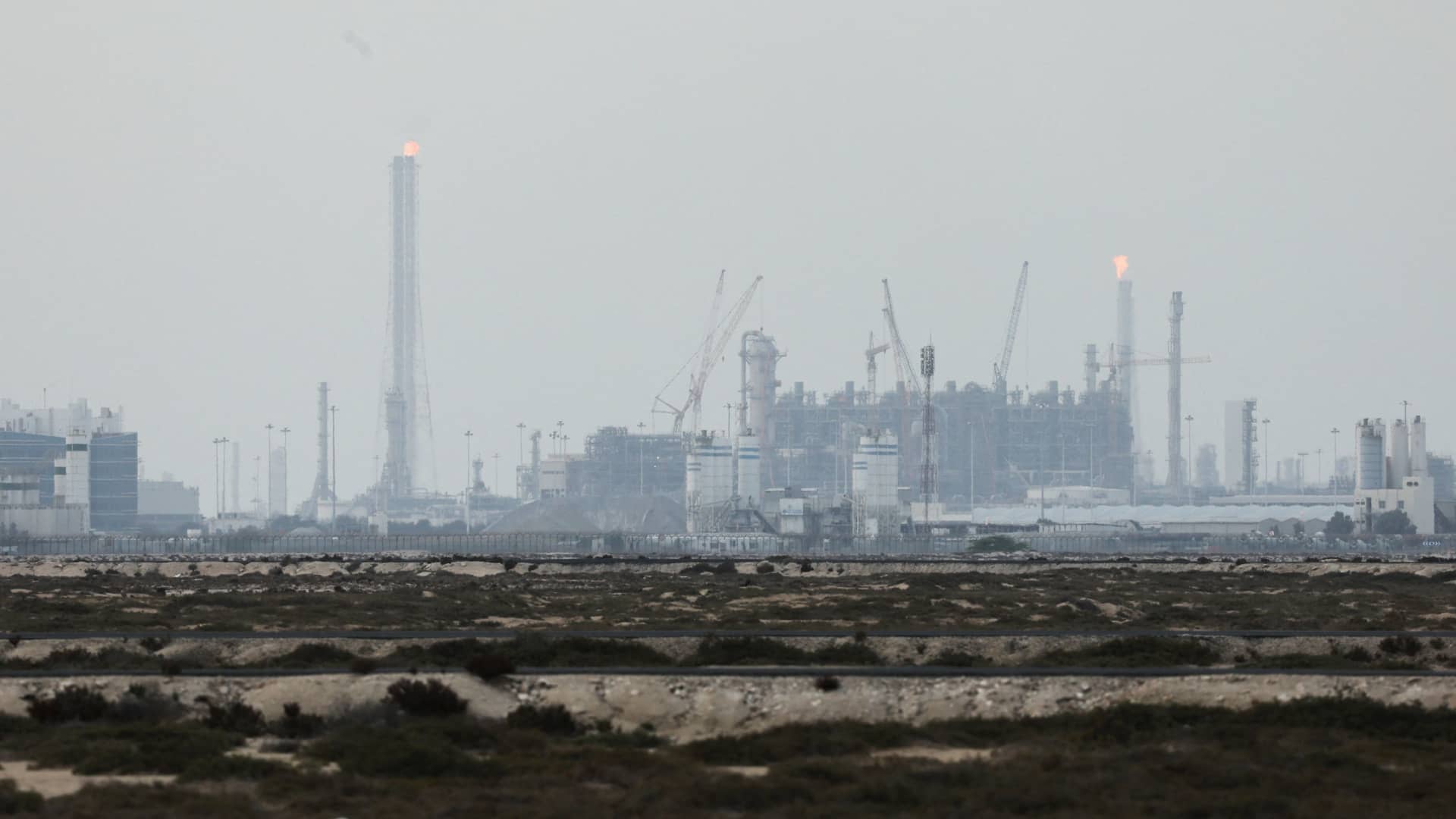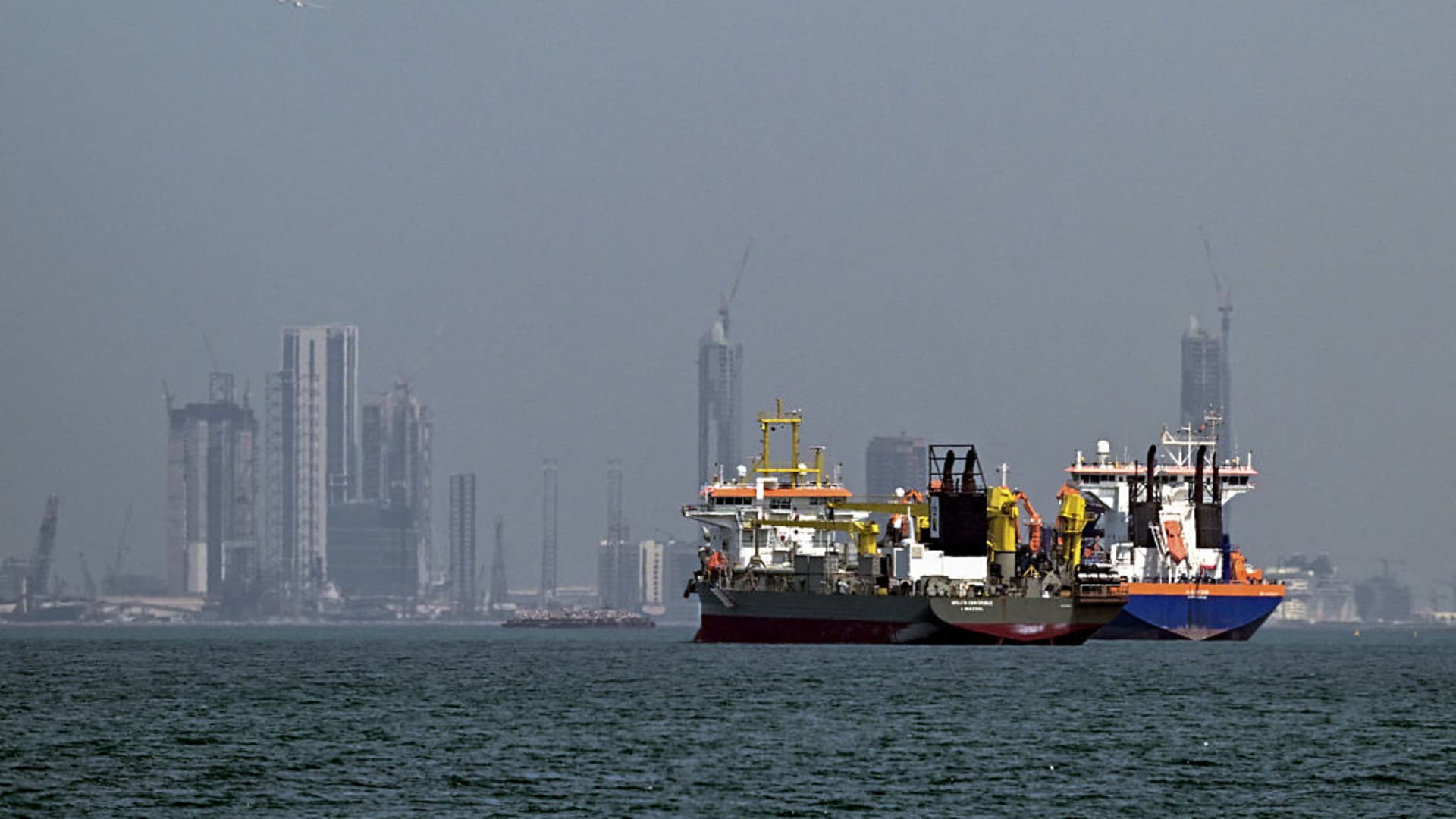
RIYADH: The Strait of Hormuz is one of the world’s most important maritime routes for the energy sector, with roughly 20 million barrels of oil passing through it daily, or about 20 percent of global consumption. Large volumes of liquefied natural gas also transit the strait, particularly from Qatar to Asian markets.
Any disruption in this passage directly affects oil prices and the stability of global supplies.
How did the crisis begin?
Concerns over navigation security in the strait rose with escalating military tensions between Iran and Israel during 2025, followed by reciprocal attacks and threats targeting energy infrastructure and shipping routes.
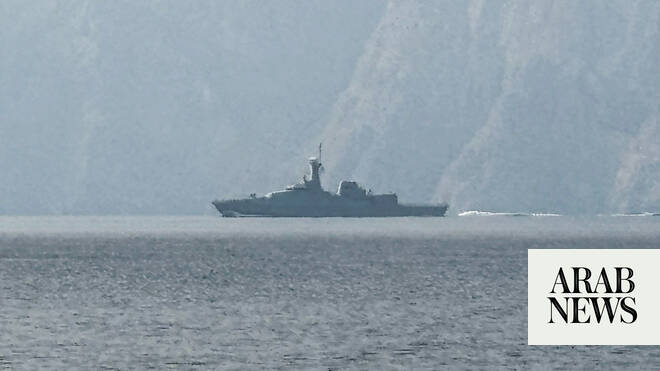
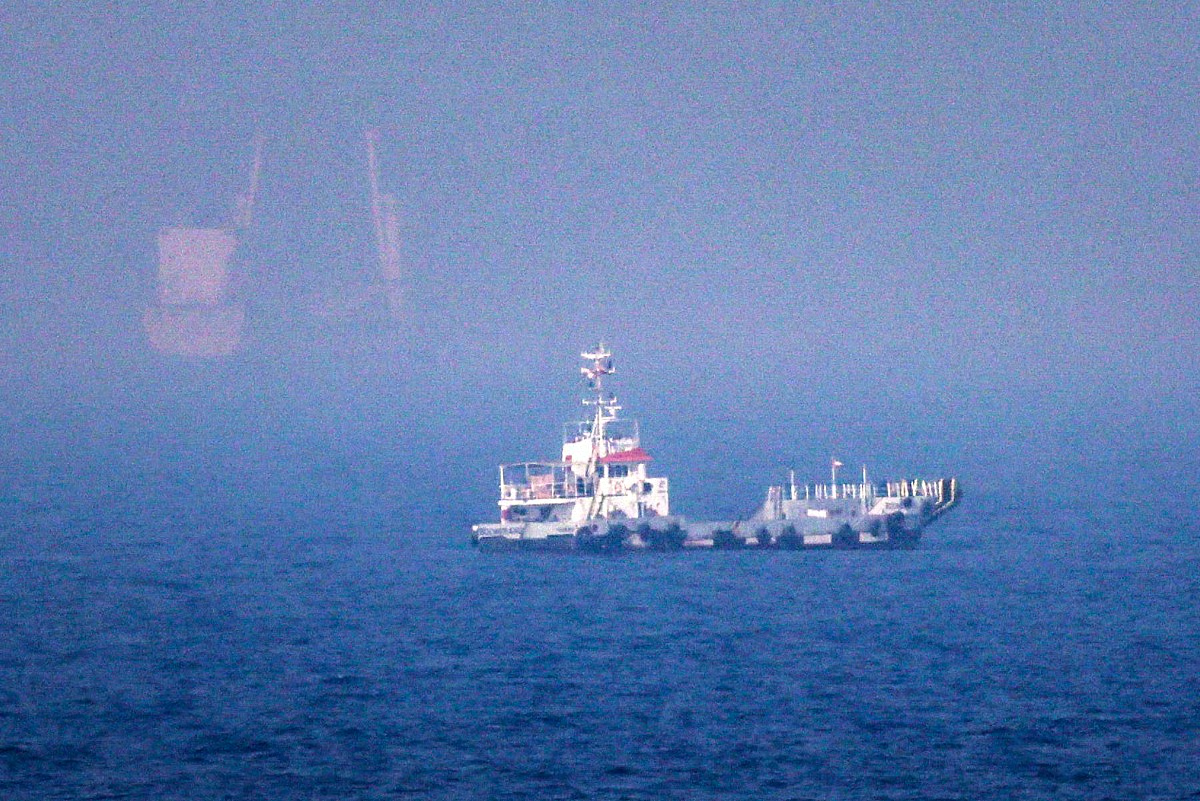
As tensions spread across the Gulf, risks to commercial vessels and oil tankers increased, prompting shipping and insurance companies to exercise greater caution or reroute some ships.