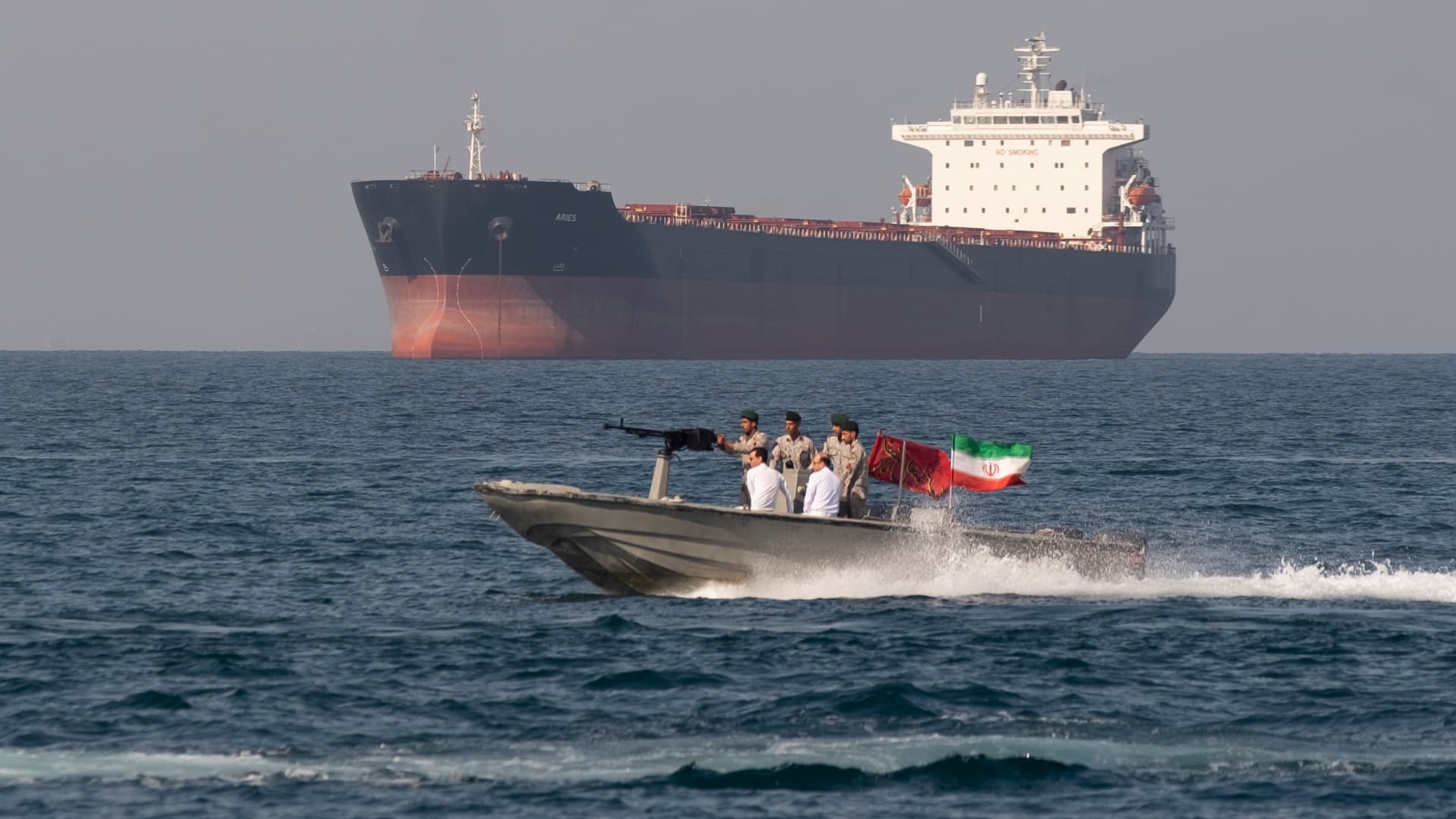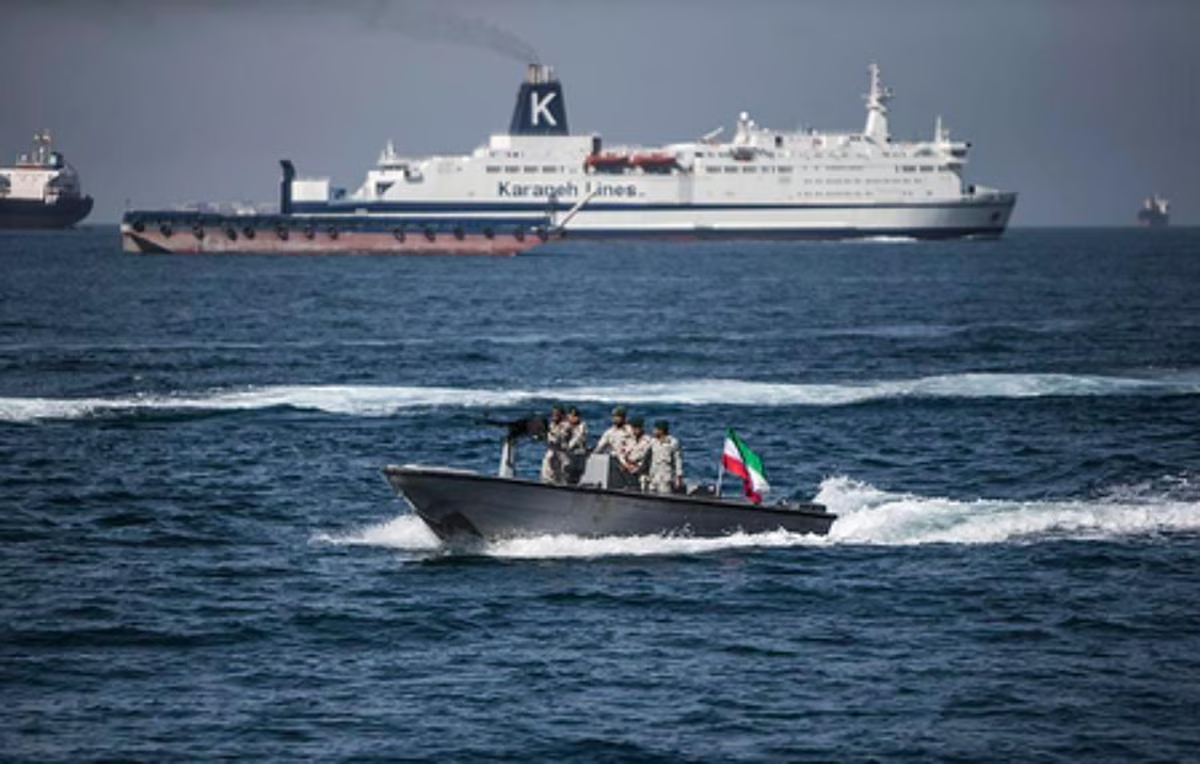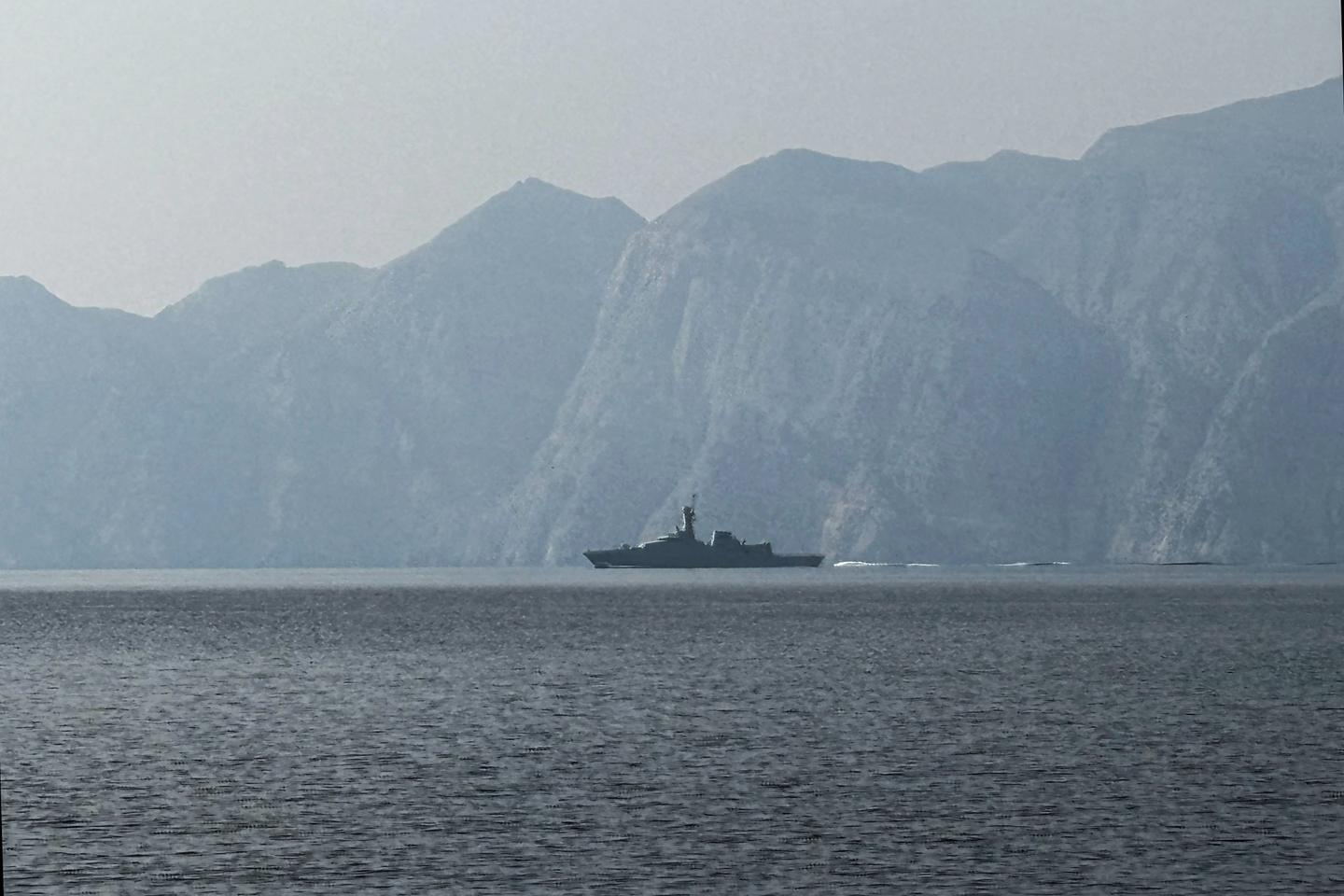
A navy vessel in the Strait of Hormuz, March 1, 2026. SAHAR AL ATTAR/AFP
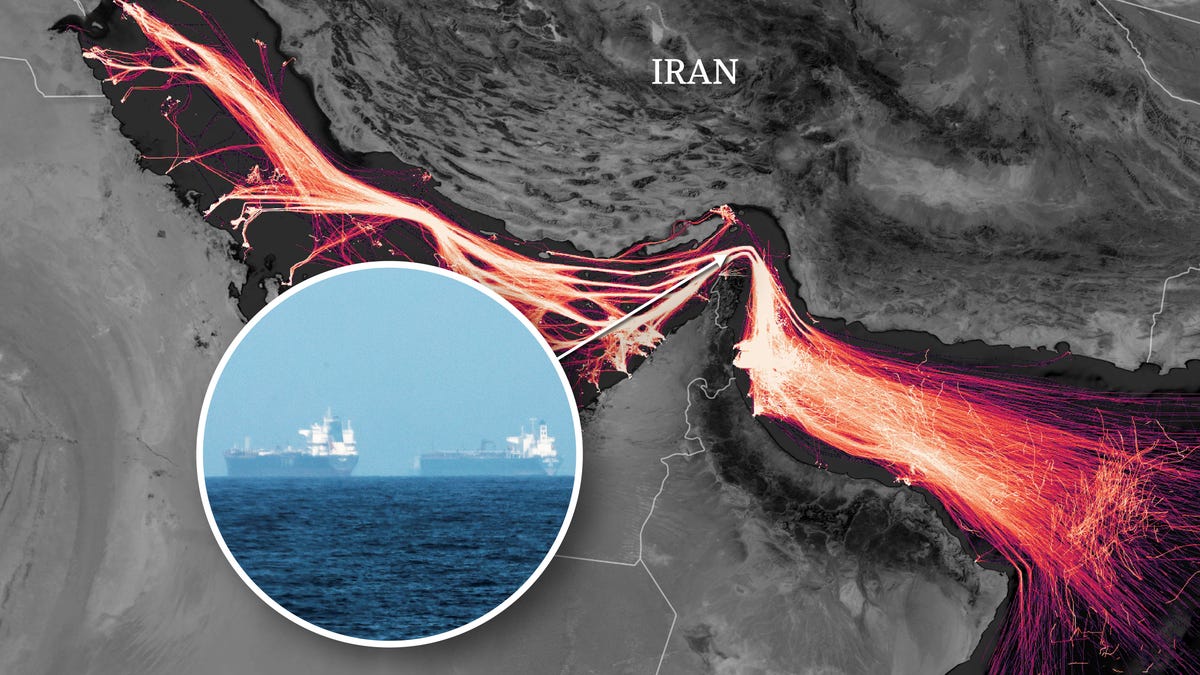
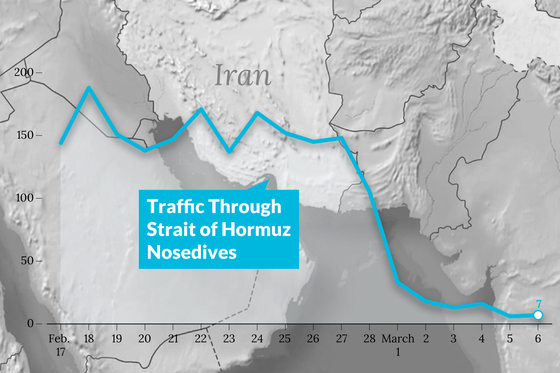
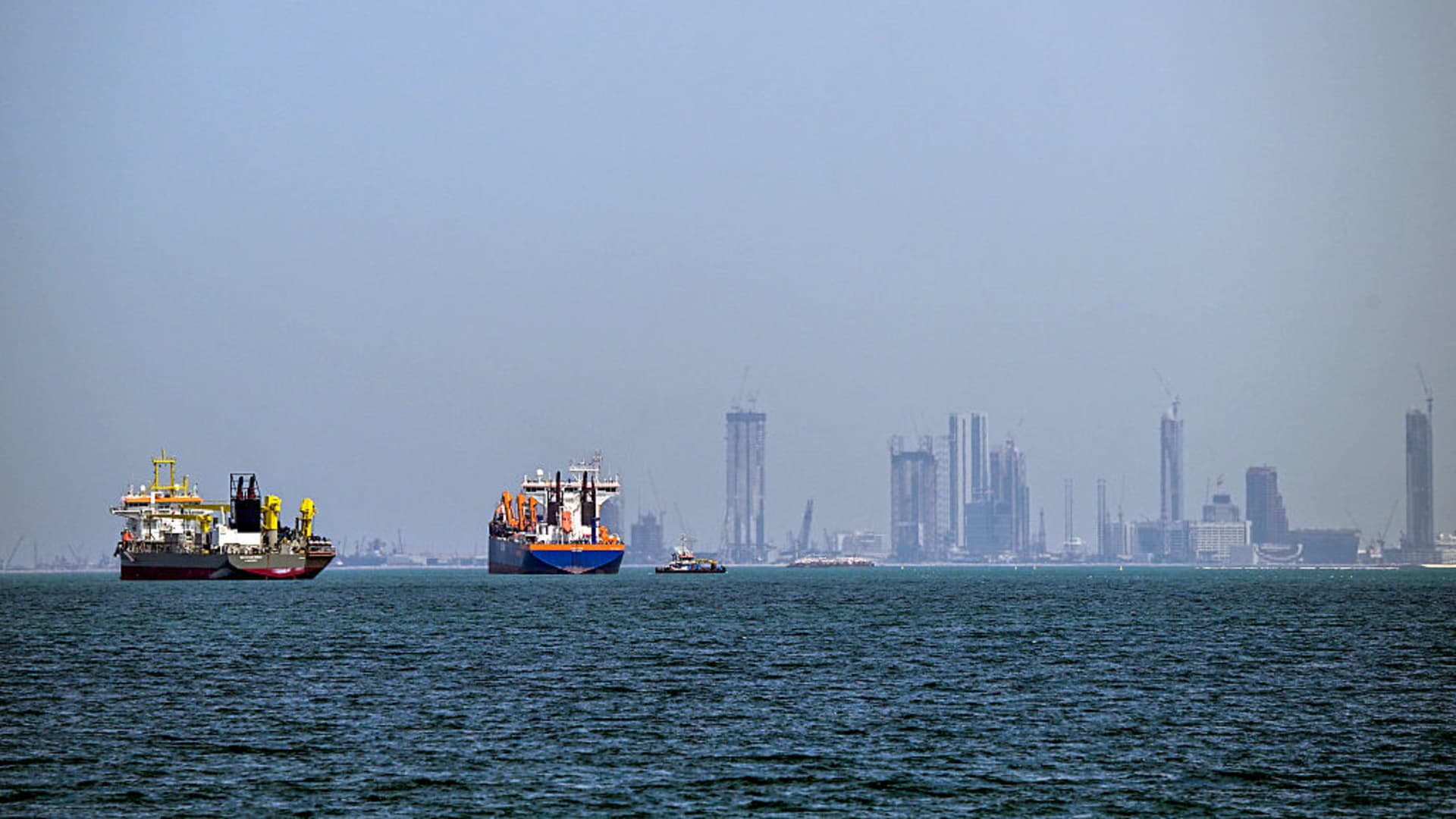
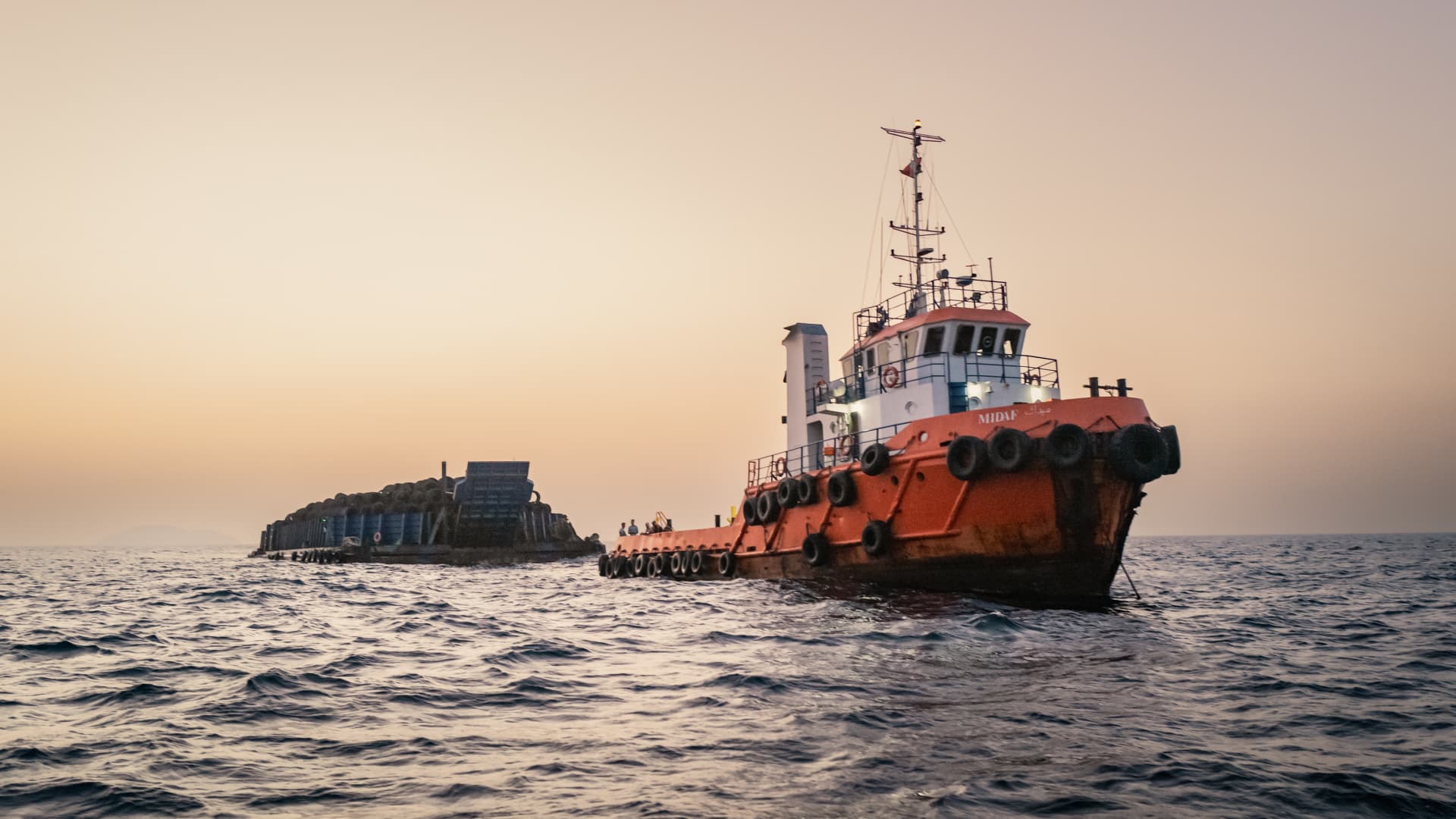
Just hours after the start of US-Israeli attacks on Iran on February 28, maritime traffic in the Persian Gulf froze. With ports closed and ships seeking shelter, the blockade of the Strait of Hormuz – which Iran announced it has taken control of on Wednesday, March 4 – has brought all regional trade to a standstill.
Consulting firm Bernstein, relayed by Dow Jones, forecasts disruption to deliveries and auto sales across the Middle East, one of the most important markets for Chinese automakers such as Chery, SAIC Motor and Great Wall Motor. French agricultural exports, including grain, wine and liqueurs, could also be affected. In addition to hydrocarbons, 27% of global ammonia exports, 22% of phosphates and 45% of sulfur – essential raw materials for fertilizer production – depart from the Gulf aboard bulk carriers.
Within this region, trade relies almost entirely on sea access due to a lack of road and rail infrastructure. Since the start of US-Israeli attacks on Iran, shipping companies have tried to offload containers at secondary ports at the mouth of the Strait of Hormuz, such as Khor Fakkan (United Arab Emirates) or Salalah (Oman), to then transport them by truck to Gulf countries. "Alternative routes are being considered, but so far none have been found to supply the Persian Gulf without passing through the strait," said François Daniel, the director general of TLF Overseas, the French federation that represents freight forwarders and transport commissioners. Most major shipping companies, including MSC and CMA CGM, have ended up suspending all freight bookings to and from countries in the region, namely Bahrain, Kuwait, Qatar, the UAE and Saudi Arabia.