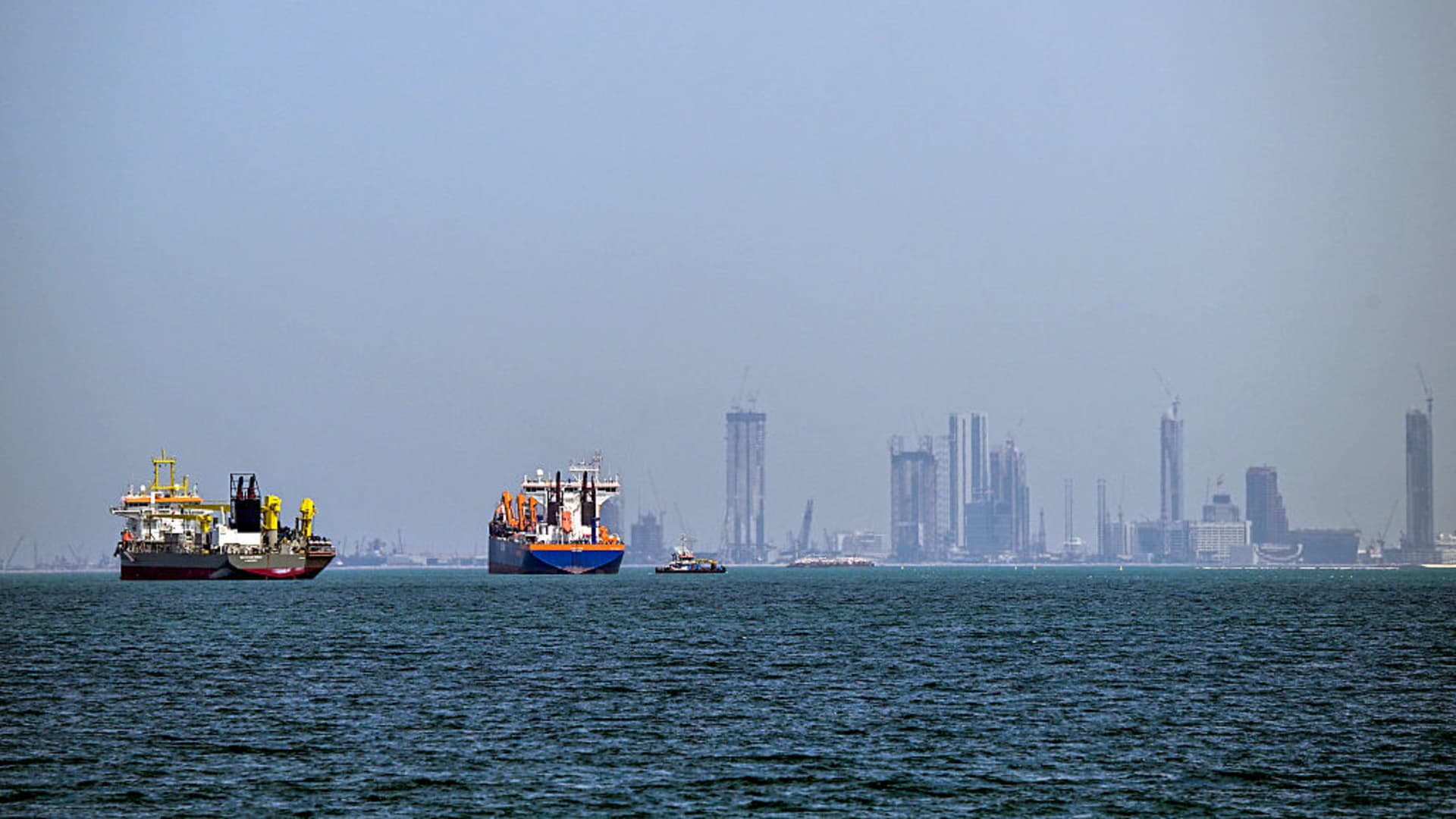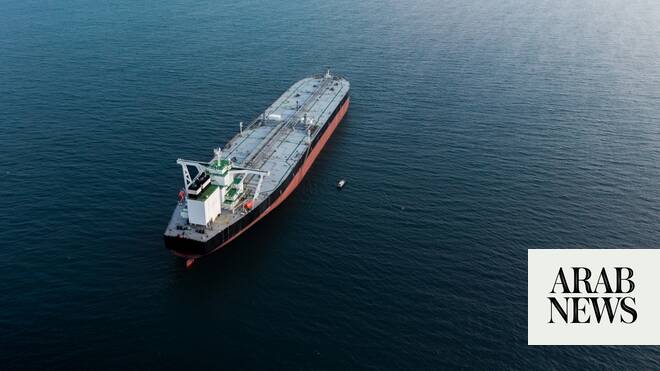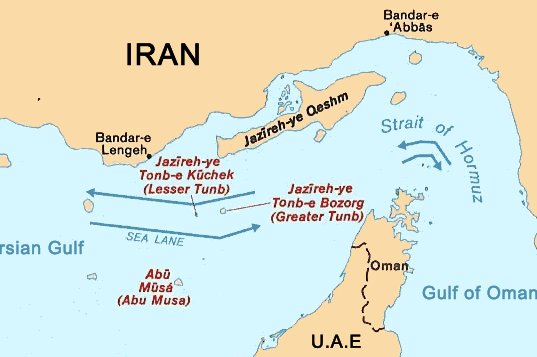
March 3 (Asia Today) -- Concerns about a potential "second oil shock" are spreading as tensions rise around the Strait of Hormuz, but Japanese analysts say a prolonged blockade is structurally unlikely because China and Iran would suffer the greatest damage.
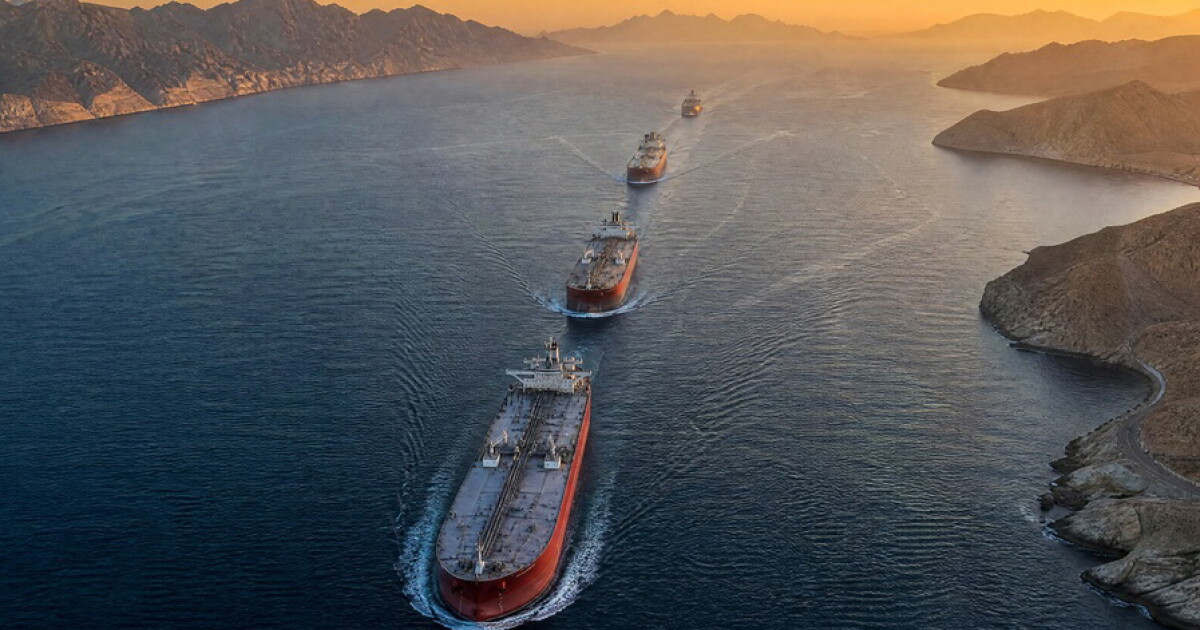
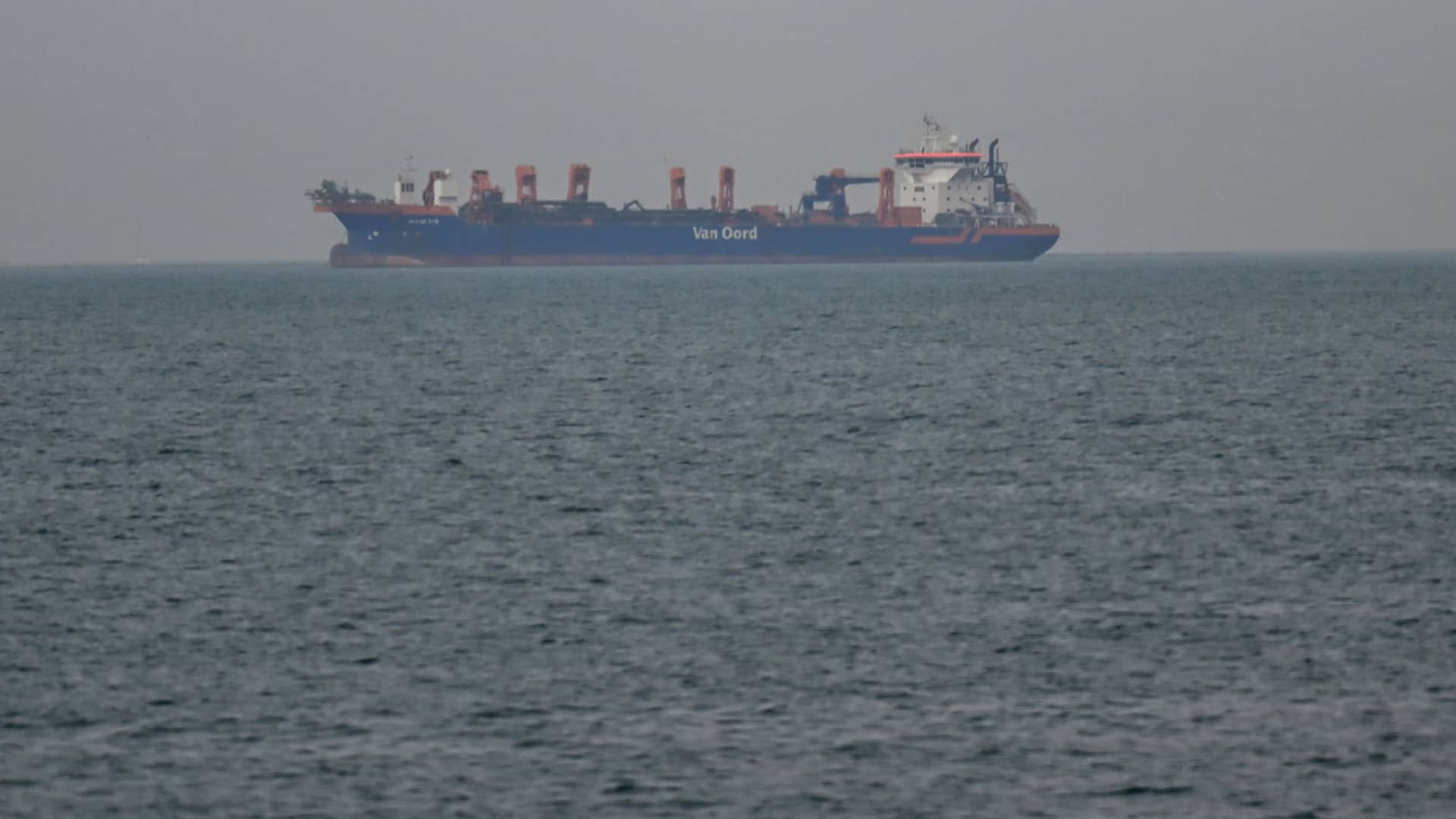
The Strait of Hormuz, a strategic chokepoint through which roughly 20% of global seaborne crude oil passes, has effectively entered a state of disruption, rattling energy markets and financial investors.
However, Japan's Sankei Shimbun reported Tuesday that a sustained closure would impose excessive costs on all parties involved.
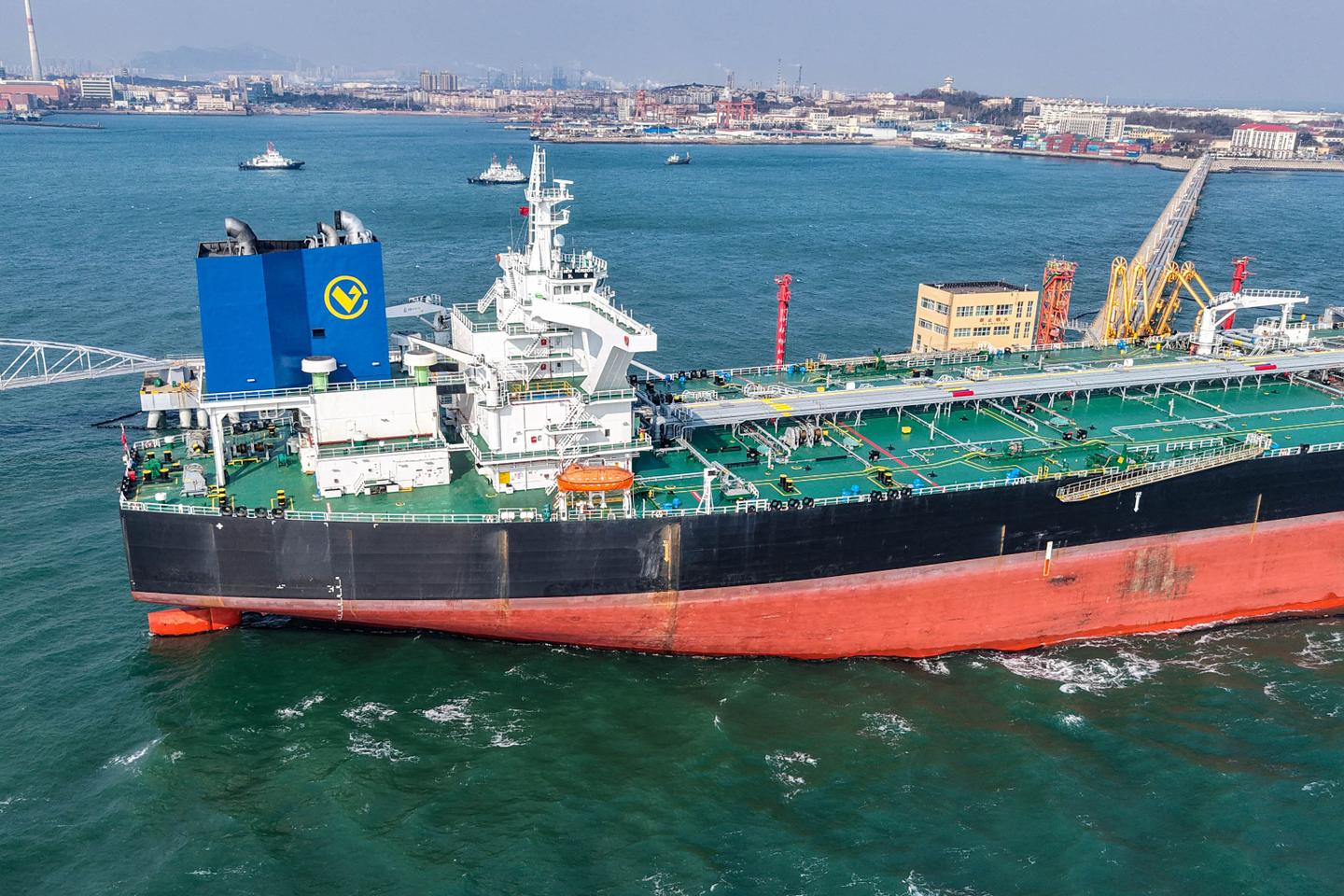
The first factor is China. According to data from the U.S. Energy Information Administration, China accounts for the largest share of crude oil imports transiting the strait, about 30%. An estimated 40% to 50% of China's total crude oil imports pass through Hormuz.
Related