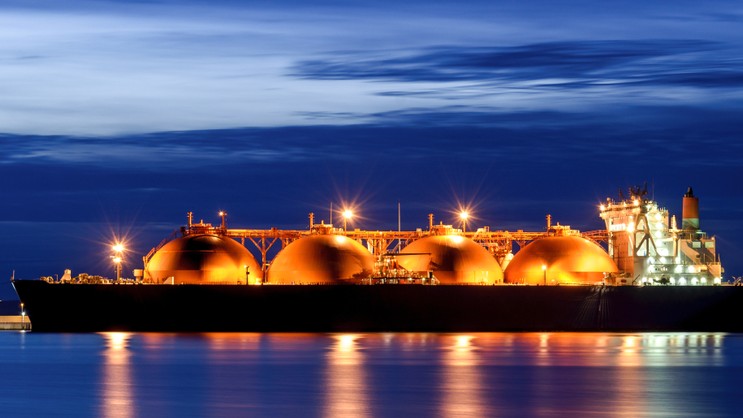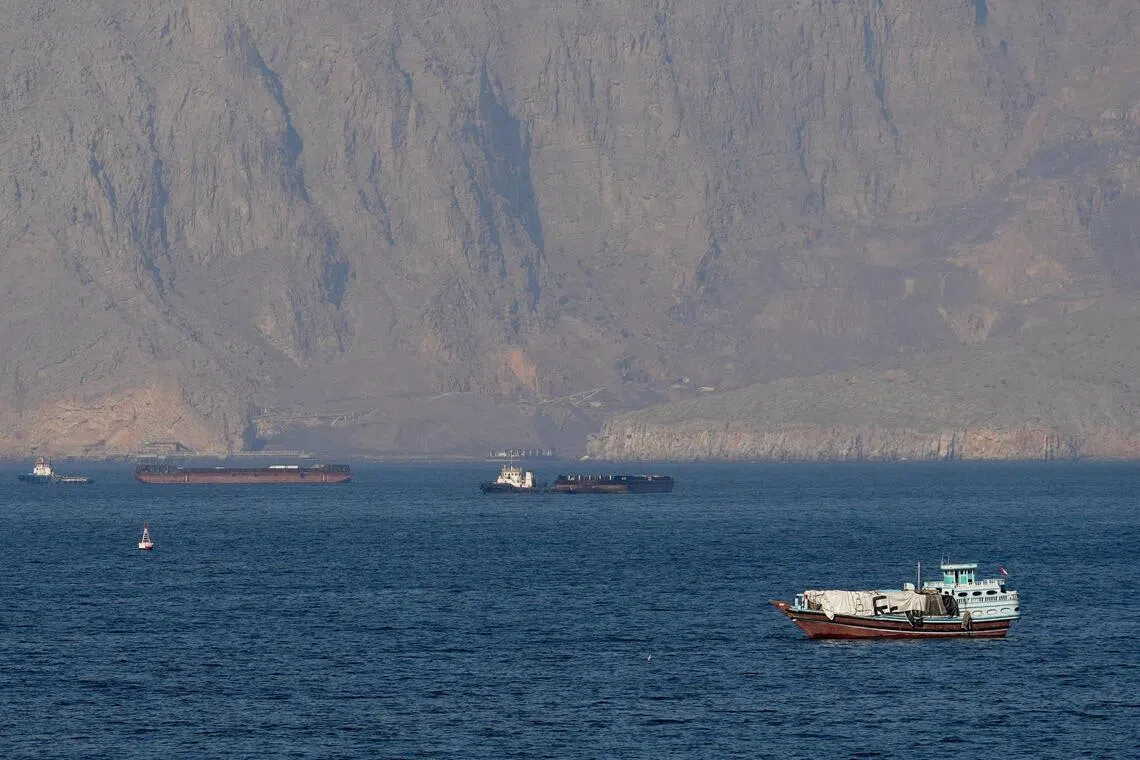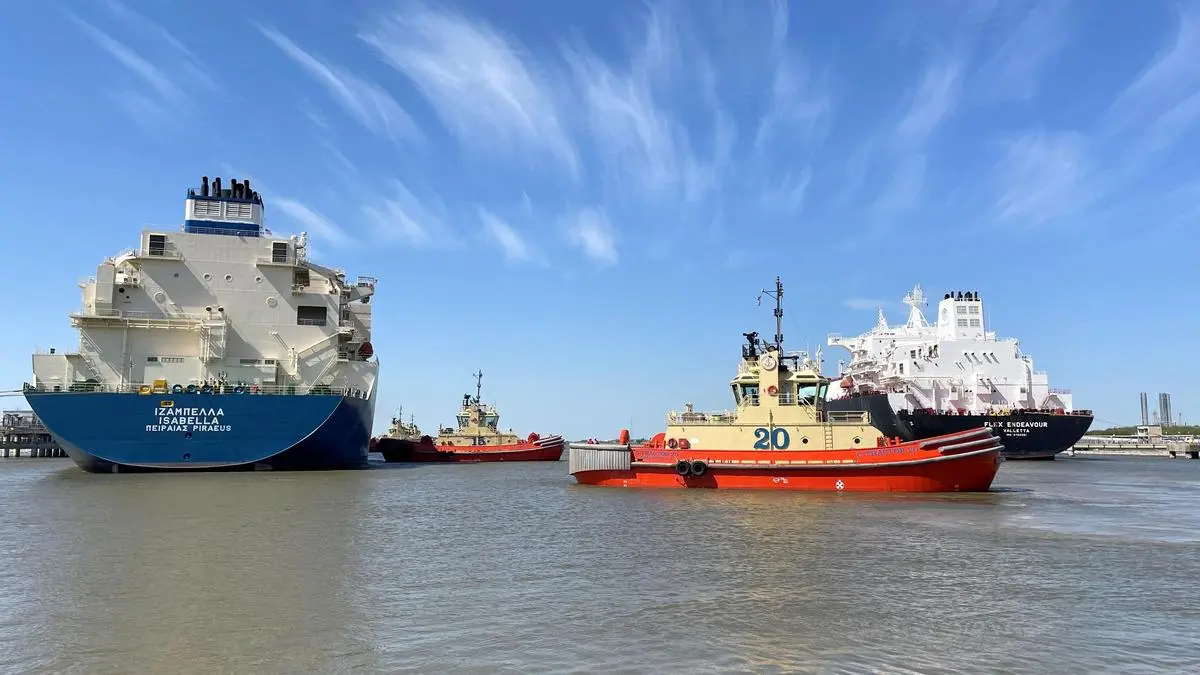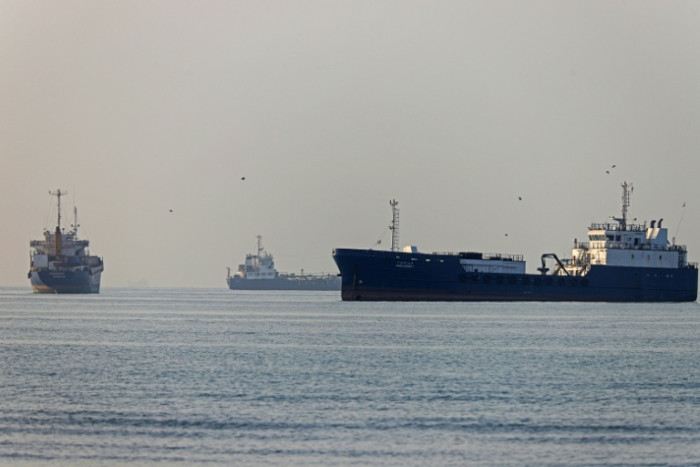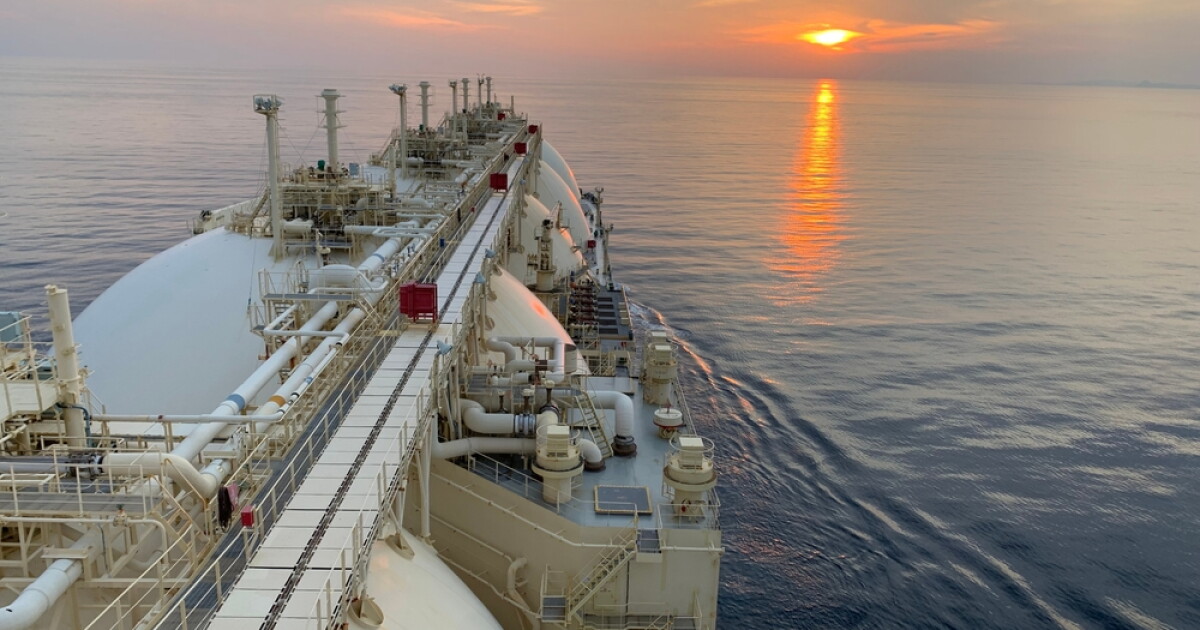
With the Mideast war now in its third month and still very little movement through the Strait of Hormuz, the LNG industry is starting to prepare for what looks to be several more months of restricted flows. News this week that the US and Iran were nearing an agreement that would allow more transit through the strait raised hopes of a resolution, but what such an agreement would mean in practice remains unclear. For the LNG market, the current status quo — where Iran retains tight control of the strait but an uneasy ceasefire holds — is still seen as the most likely scenario. The conflict has removed some 7 million tons per month of LNG supply from Qatar and the UAE. While some LNG tankers have braved the strait, most remain stranded. As a result, Qatar-dependent buyers, mostly in Asia, have been switching to alternative fuels, curtailing power and industrial consumption, and seeking replacement LNG cargoes from the global market. Europe, meanwhile, continues to slowly inject gas into its storage facilities, anticipating a potential bidding war with Asia during the crucial summer months when restocking becomes critical ahead of the winter. But even if there is a diplomatic solution in the near term, the lag between now and a full resumption of LNG flows from the Gulf will likely require buyers to pivot from relying on their limited inventories, increasing competition for Atlantic and US cargoes.
LNG Market Braces for Prolonged Hormuz Blockage
With the current status quo being the most likely scenario going forward, market watchers are forced to consider how continued Hormuz restrictions will play out.
237 words~1 min read