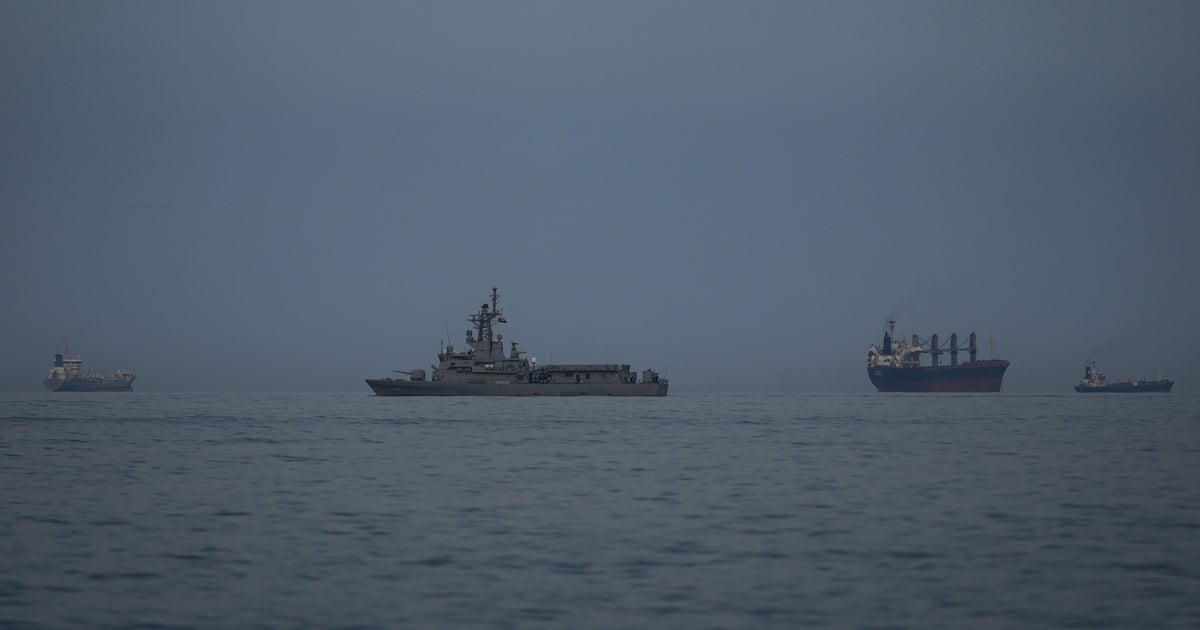
SINGAPORE, April 8 (Reuters) - Shippers looking to revive the passage of tankers through the Strait of Hormuz were seeking clarity on the logistics, while refiners inquired about new crude loadings on Wednesday, in response to a ceasefire deal between the U.S. and Iran.
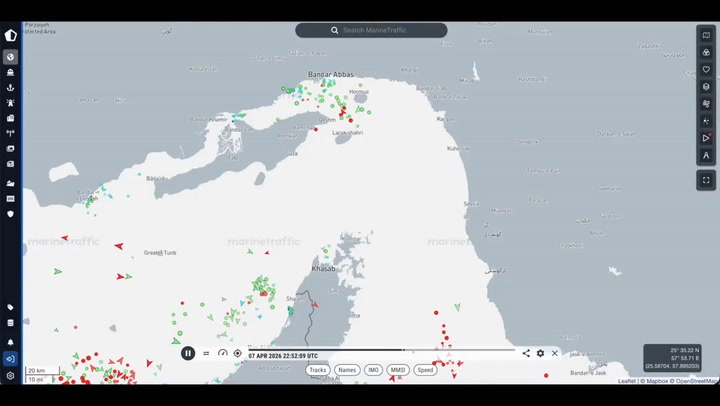
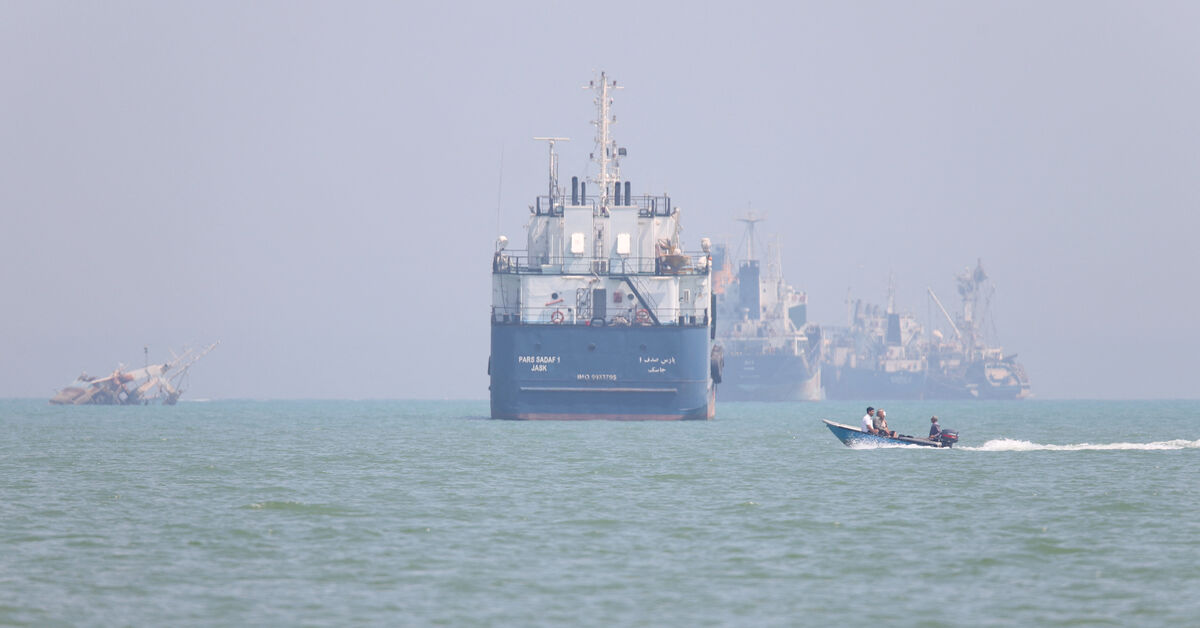
Most stranded oil and gas tankers remained inside the Gulf, LSEG shipping data showed, hours after President Donald Trump announced the two-week ceasefire and said the U.S. would help with the traffic build-up.
Iran’s foreign minister, Abbas Araqchi, said that if attacks against it stop, Tehran would cease counter-attacks and provide safe passage in coordination with its armed forces “and with due consideration of technical limitations.”
Ship tracker Kpler said some 187 laden tankers carrying 172 million barrels of crude oil and refined products were afloat inside the strait as of Tuesday.
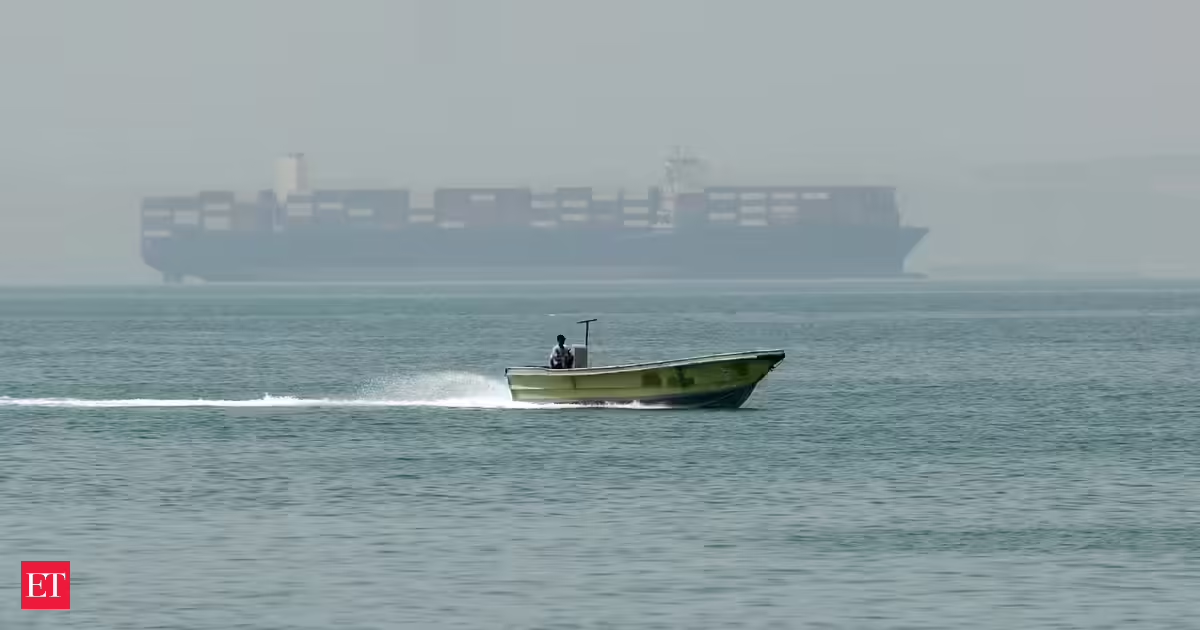
With more than 1,000 ocean-going vessels trapped within the gulf, it would likely take more than two weeks to clear the backlog even under normal conditions, said Daejin Lee, global head of research at Fertmax FZCO.