LONDON: Asian governments and refiners rushed to assess oil stockpiles as well as alternative shipping routes and supplies as the Iran conflict disrupted shipping in the crucial Strait of Hormuz, with oil prices expected to rise when trading resumes on March 2.
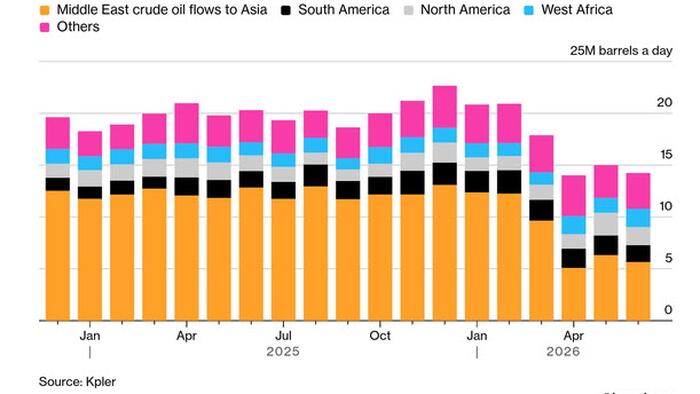
Asia will feel the biggest impact from any disruption in Middle East oil supply as it buys two-thirds of its crude from the Gulf, with half of the top global importer China’s supply and 90 percent of Japan’s coming from the region.
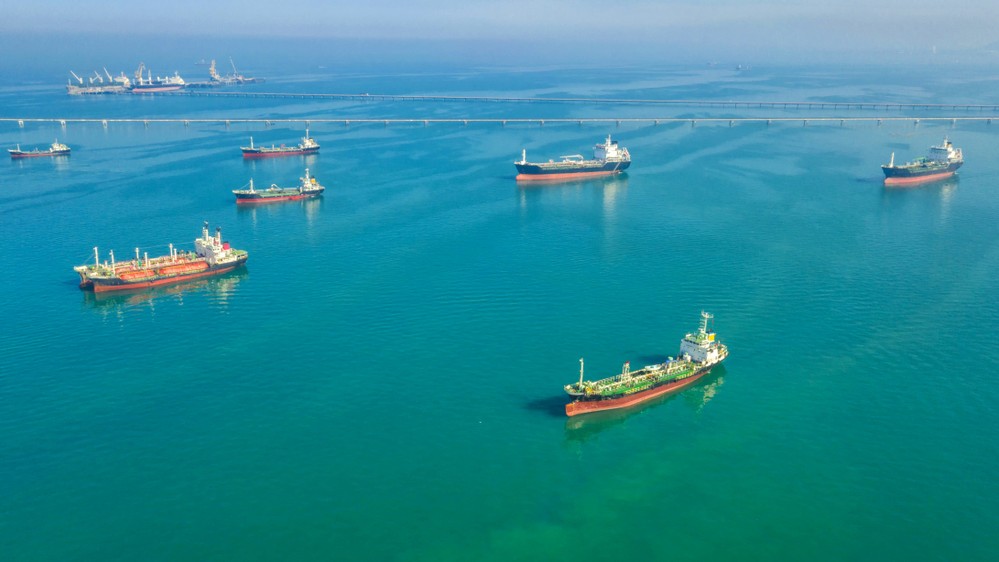
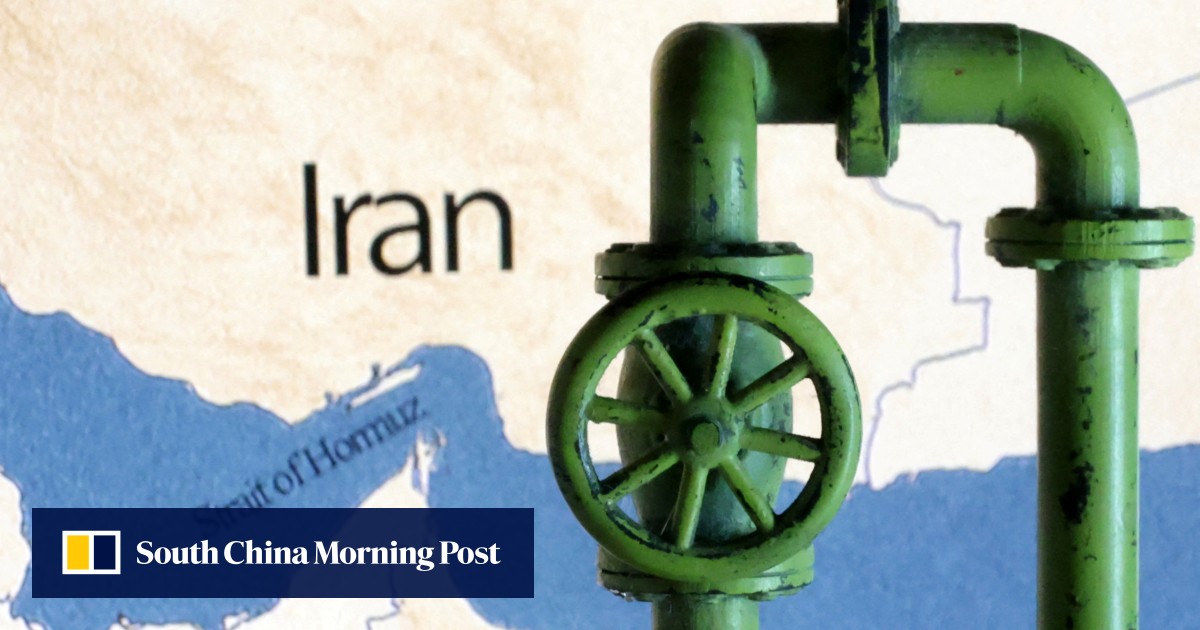
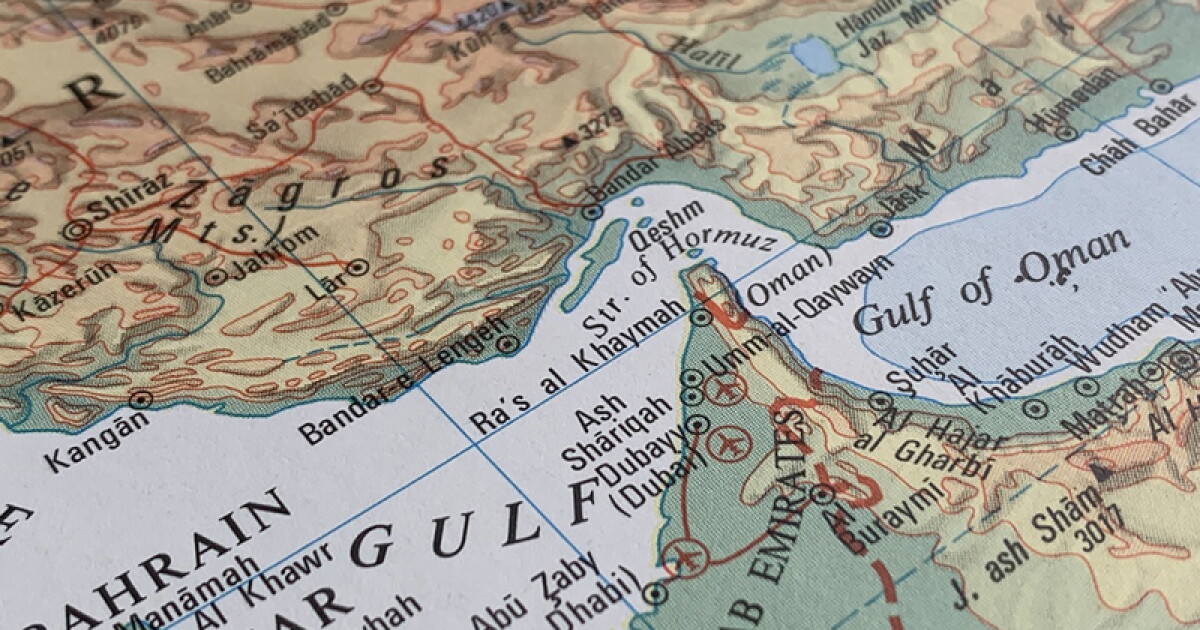
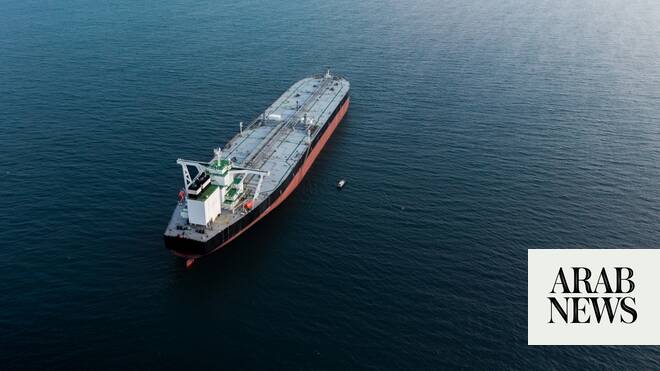
The Strait of Hormuz is the narrow waterway between Iran and Oman, connecting the Gulf to the Arabian Sea, and on a typical day, tankers carrying the equivalent of 20 percent of global oil consumption pass through it with cargoes from producers such as Saudi Arabia, Iraq, and Iran, as well as the UAE, Kuwait, and Qatar.
Japanese shipping firms said they are halting operations around the Strait of Hormuz, although Chief Cabinet Secretary Minoru Kihara said Tokyo had not received any reports of an immediate impact on supply for Japan.
However, Indian state refiners have already started scouting for alternative supplies, two refining officials said, declining to be identified. India, the world’s No.2 oil importer, has been increasing imports from the Middle East to replace Russian crude.