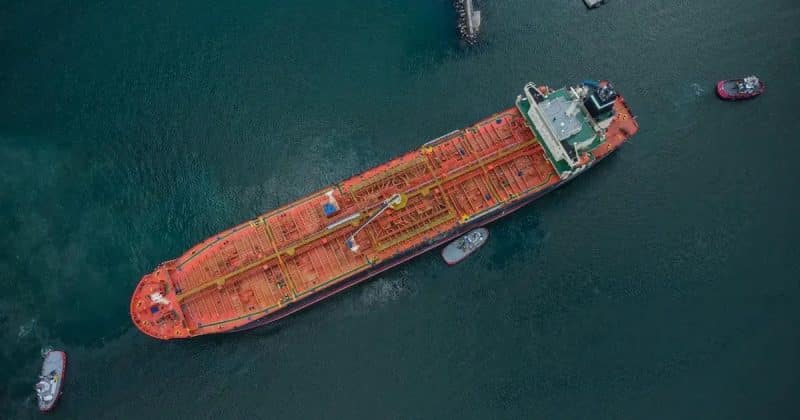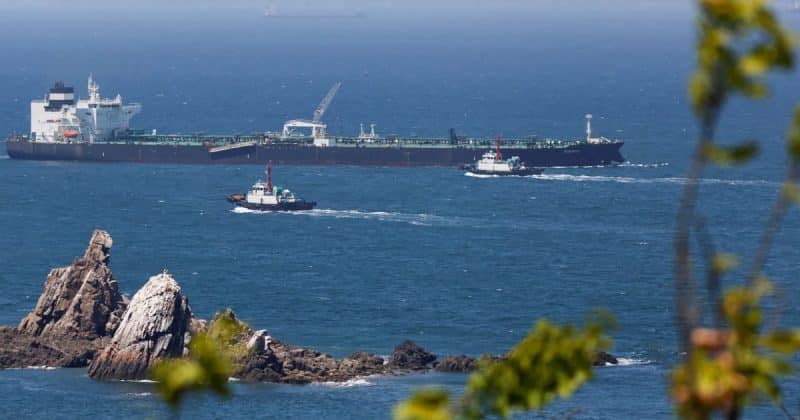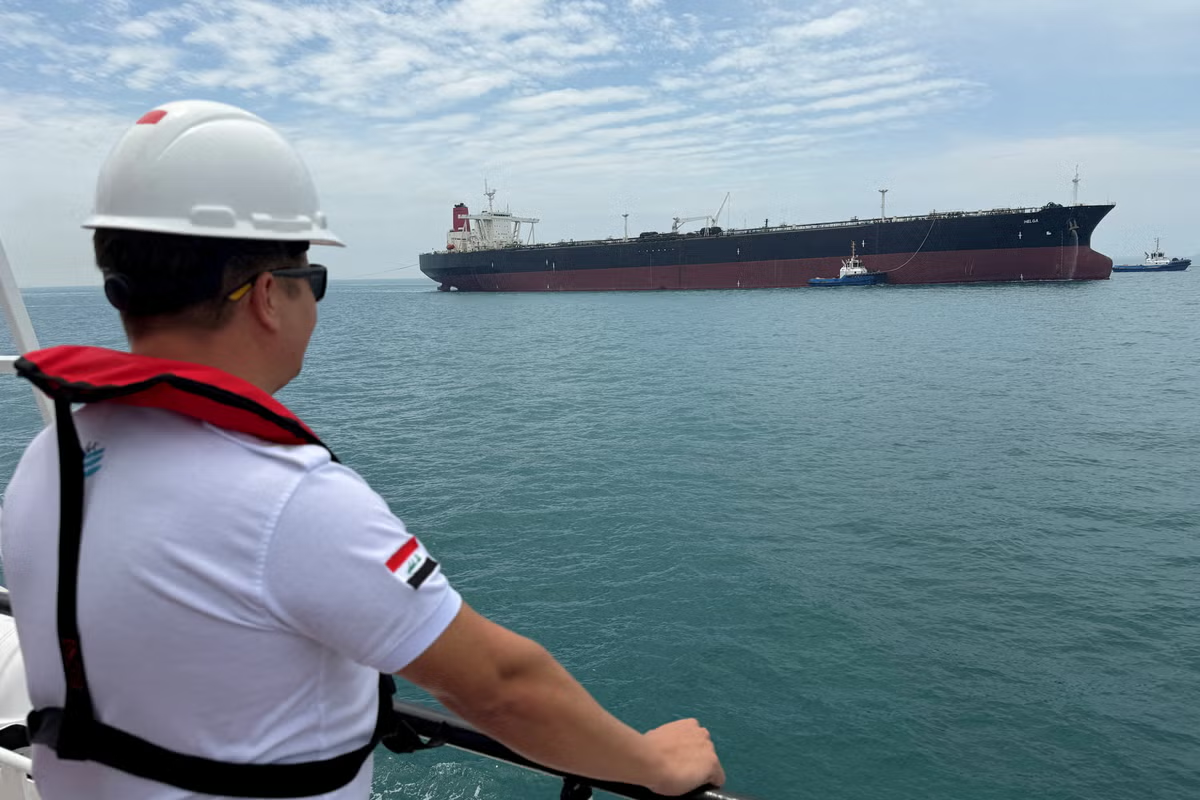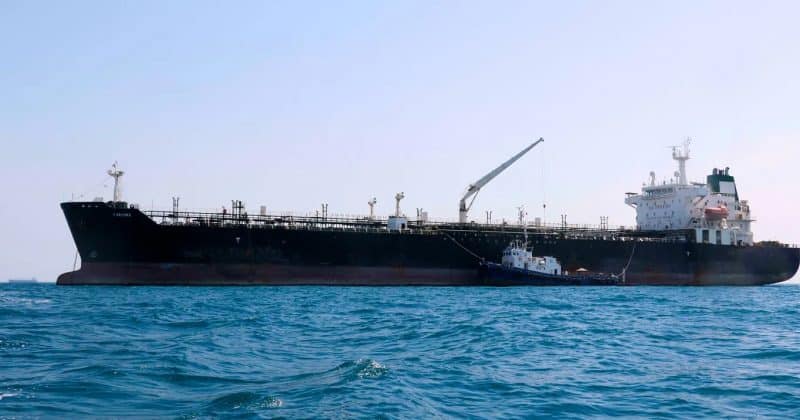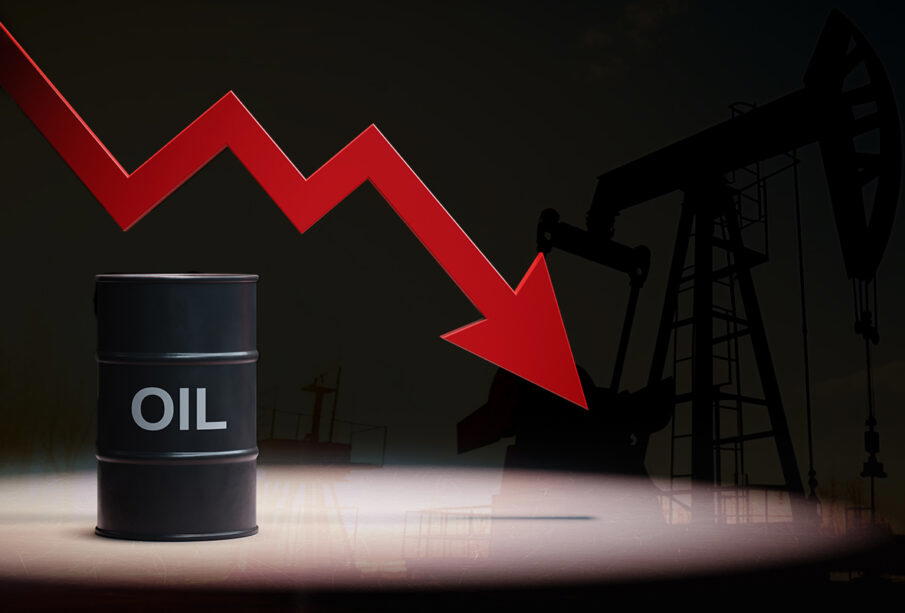
The US-Iran framework deal announced around June 14-15 did exactly what oil bears had been waiting for. Brent crude dropped more than 5% to roughly $82.84 per barrel, WTI slid toward $80, and spot oil premiums across Asia, Europe, and Africa fell back to pre-war levels for the first time since the Strait of Hormuz conflict erupted in late February.
What the deal actually changes
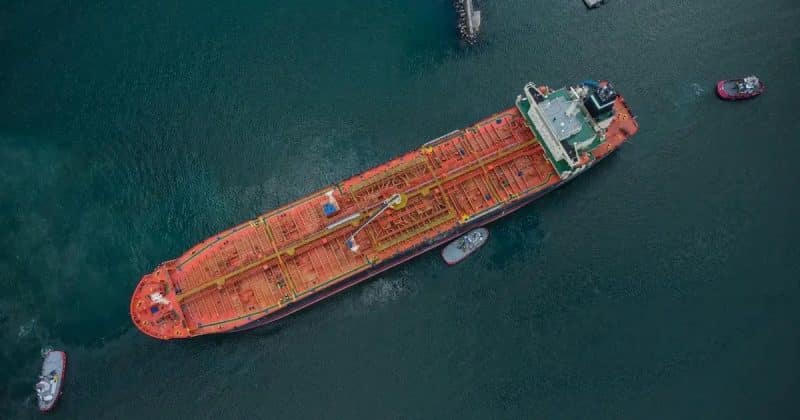
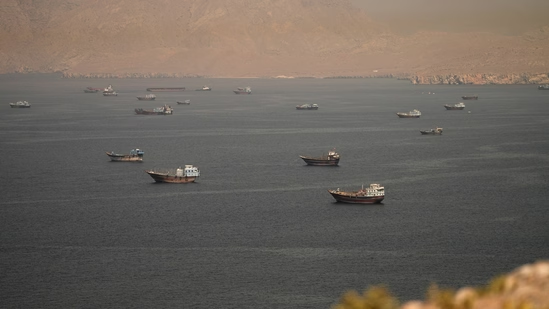
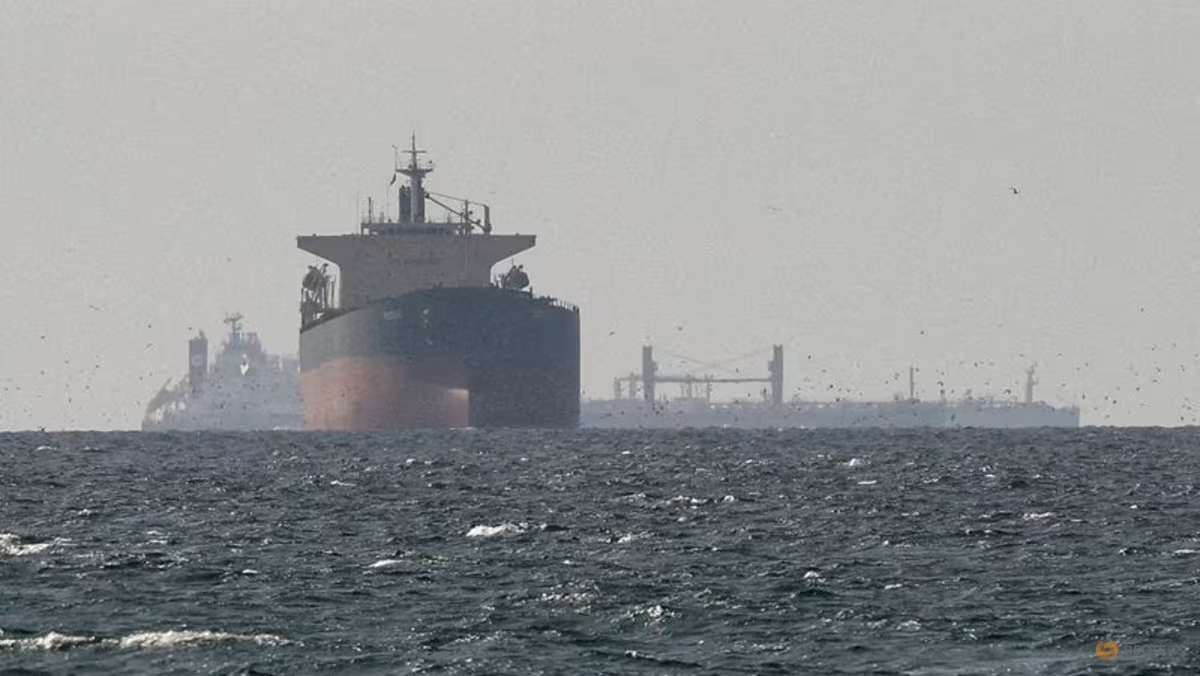
The Strait of Hormuz is, in practical terms, the world’s most important bottleneck for oil. Roughly a fifth of global petroleum consumption passes through it on any given day. When that chokepoint became a conflict zone in late February 2026, the consequences rippled through every energy market on the planet.
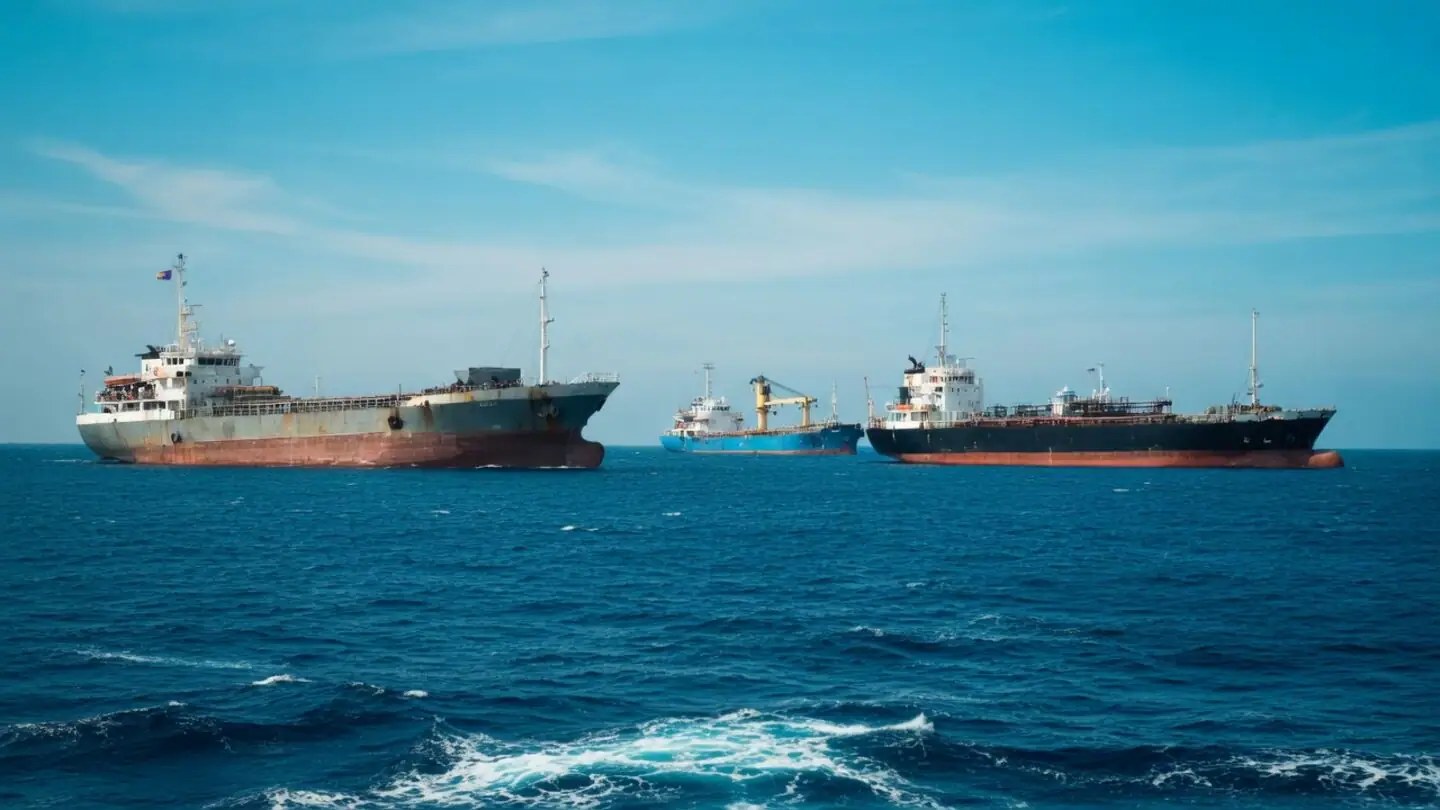
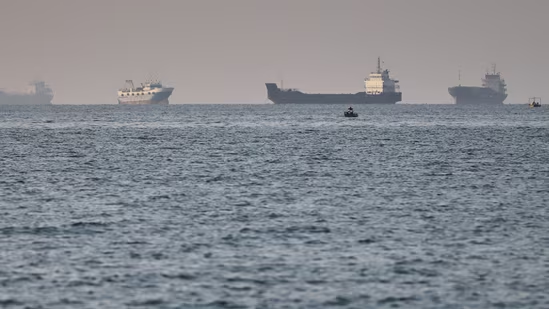
Spot premiums spiked as traders scrambled to secure cargoes that might not arrive. Insurance premiums for tankers ballooned. Oil prices themselves climbed sharply, with earlier peaks reaching around $120 per barrel before the deal brought relief.
The framework agreement between Washington and Tehran aims to end the hostilities and reopen the strait. President Donald Trump has offered assurances about a toll-free reopening, which, if implemented, would remove one of the biggest supply-side risk factors the oil market has faced in years.