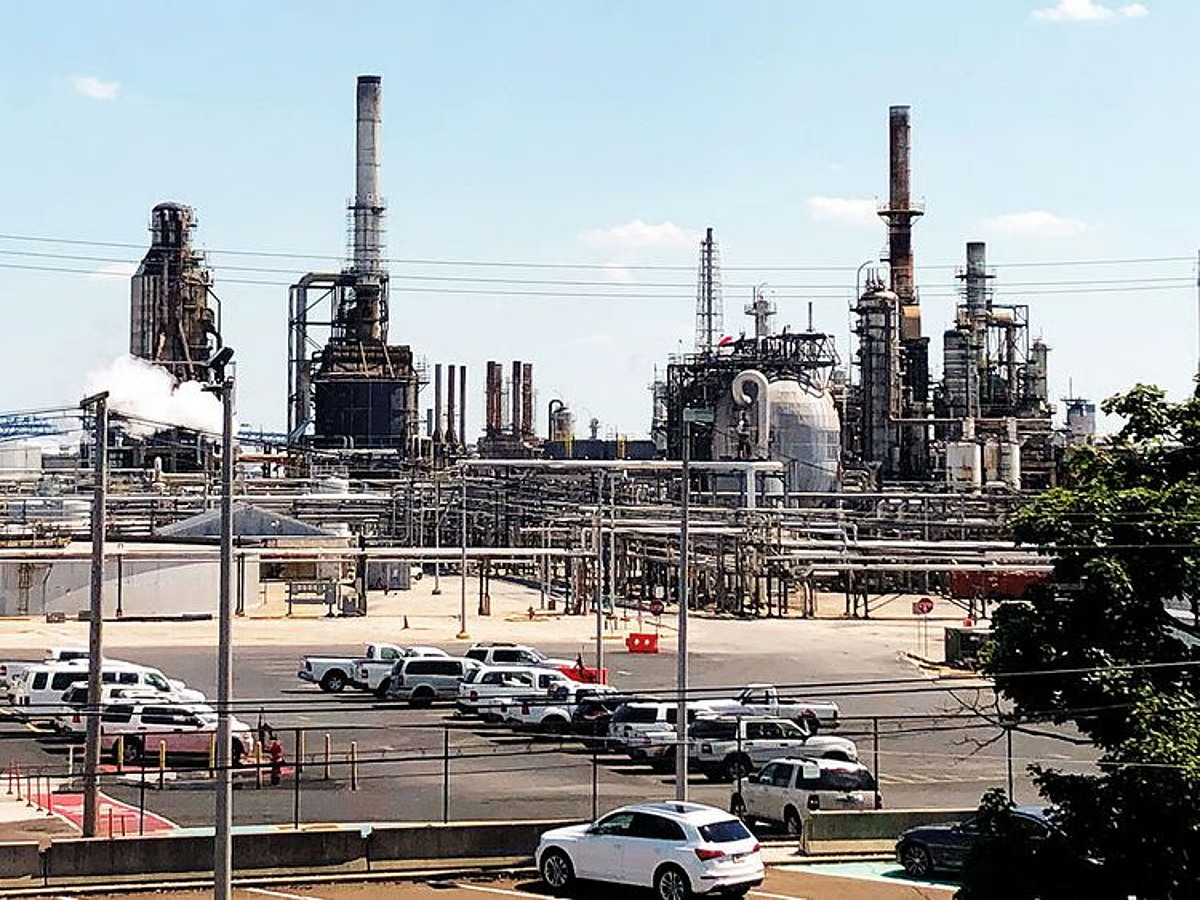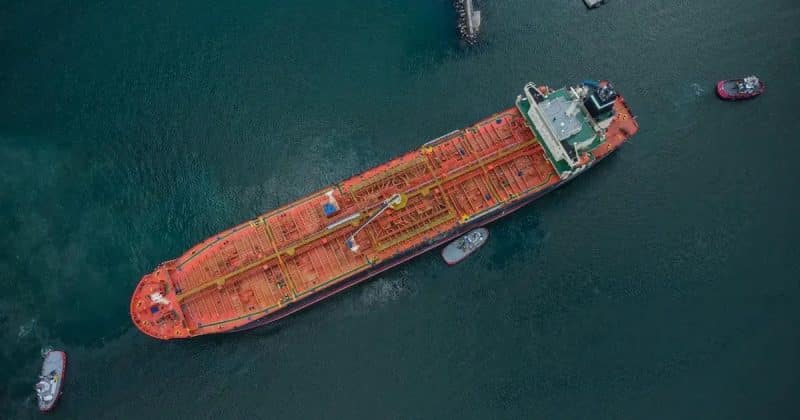
The premium on Dubai crude, one of the Middle East’s most closely watched benchmarks, dropped to $2.06 per barrel on June 16. That figure matches pre-conflict valuations, effectively erasing the geopolitical risk premium that had been baked into spot oil prices since late February.
The catalyst: a framework agreement announced on June 14-15 between the US and Iran, designed to wind down a confrontation that at its peak sent oil above $120 per barrel and choked off one of the world’s most critical shipping lanes.
What the deal actually changes
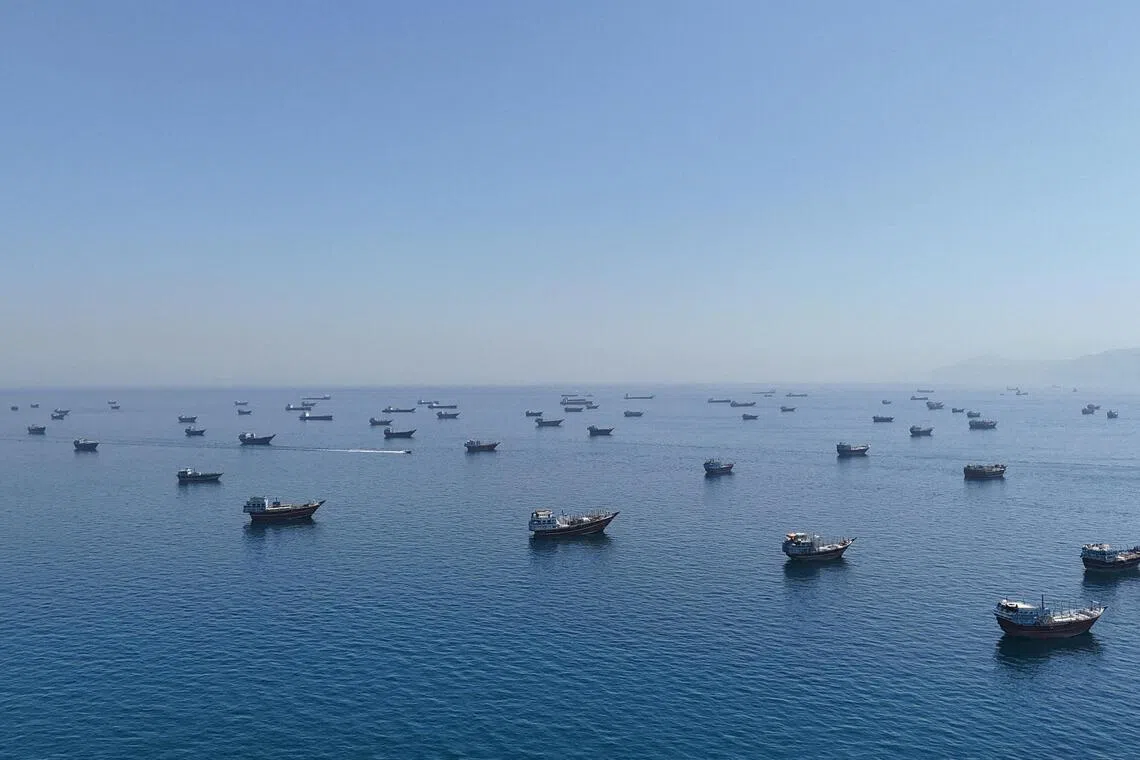
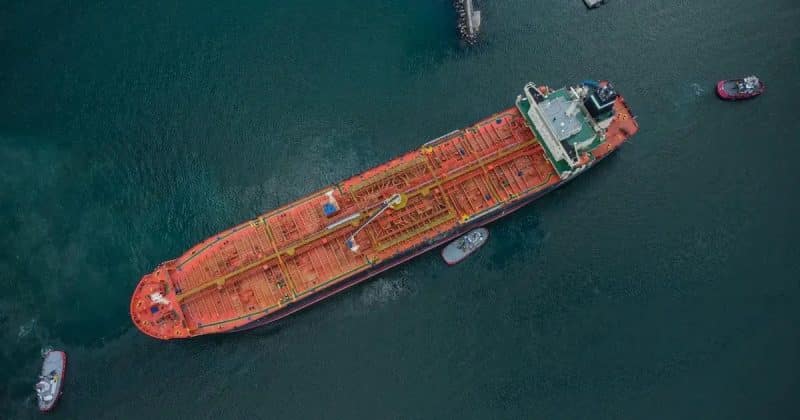
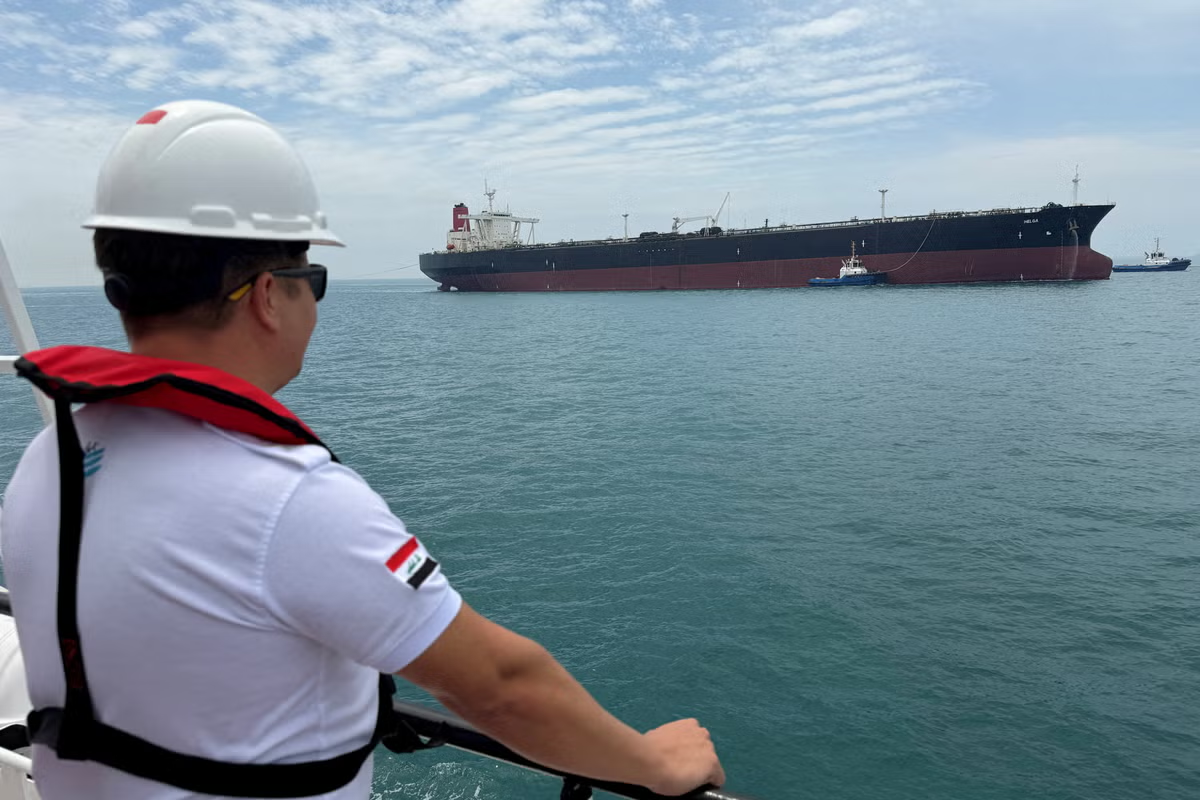
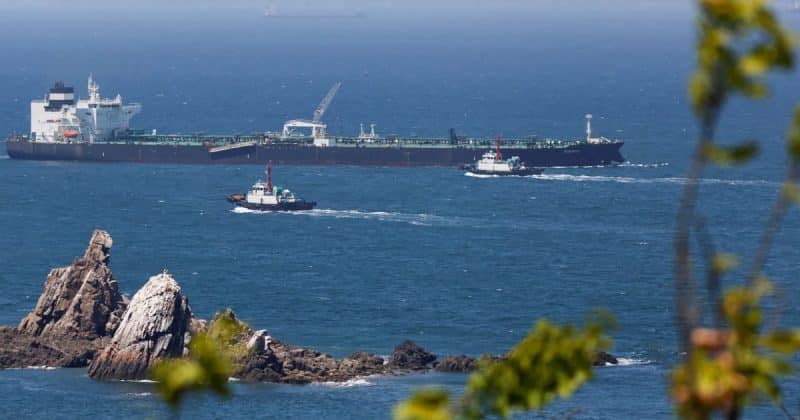
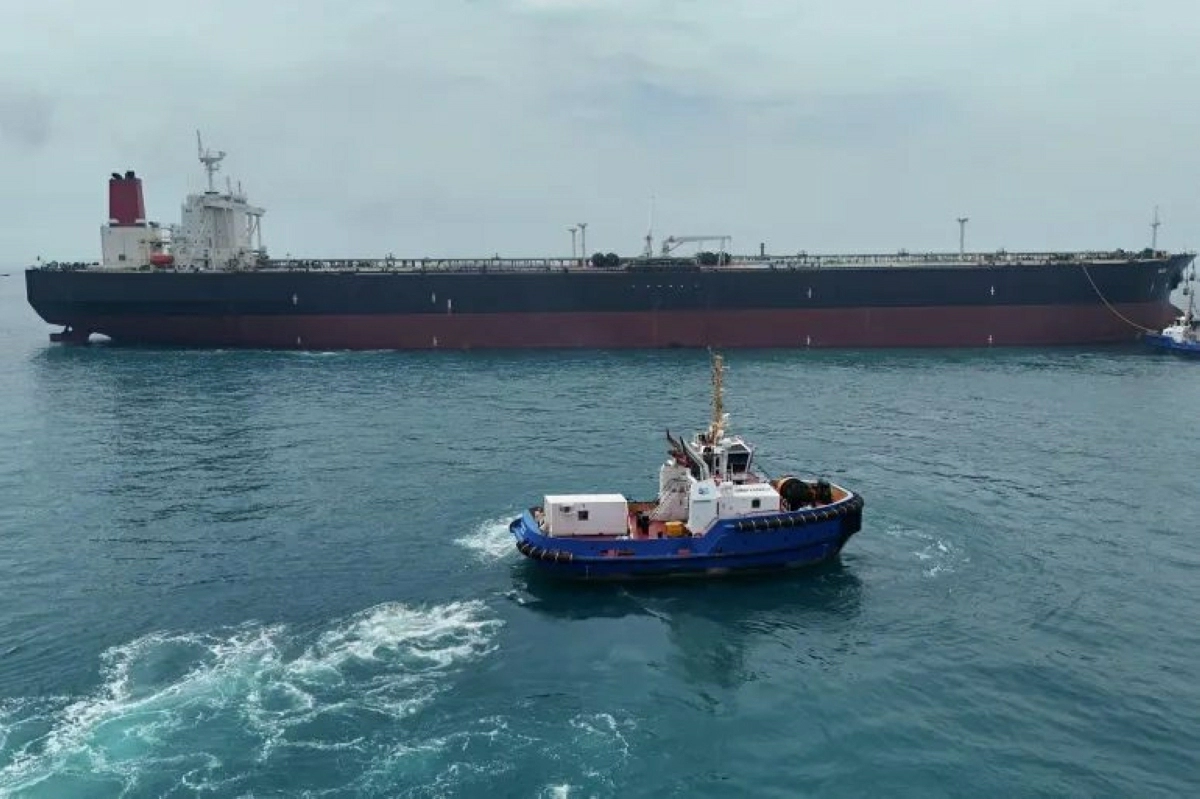
The agreement outlines plans to reopen the Strait of Hormuz and lift the US naval blockade that had throttled crude flows for months. Roughly one-fifth of the world’s oil supply passes through that 21-mile-wide chokepoint on any given day.
The conflict traces back to US-Israeli airstrikes on Iranian targets in late February, which triggered Iran’s blockade of the strait.