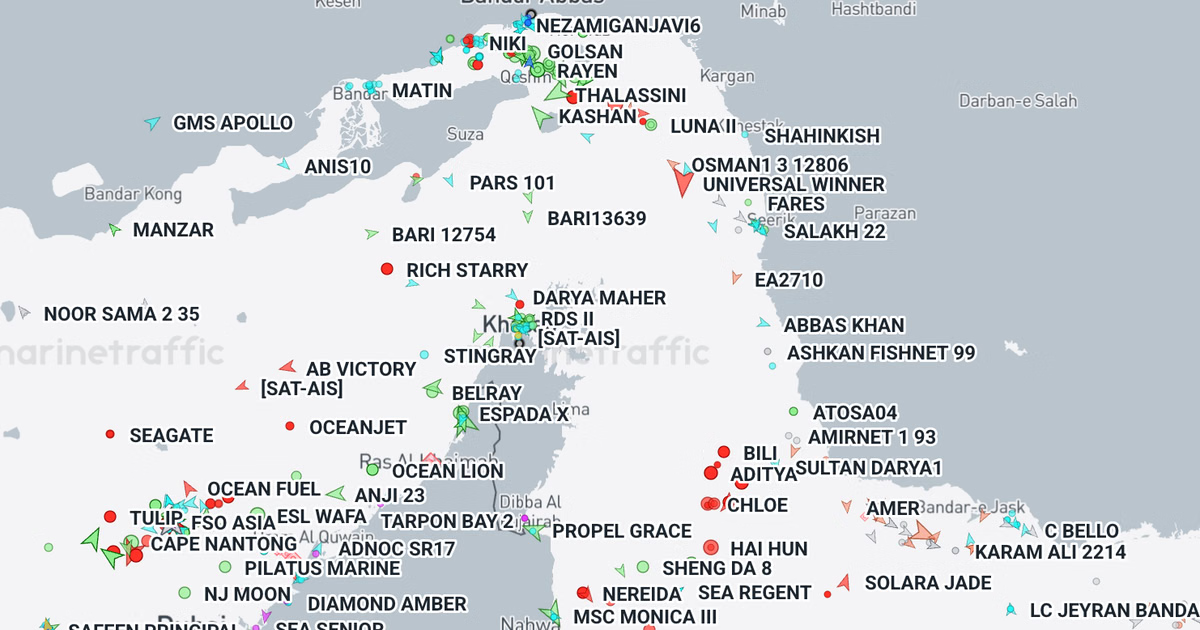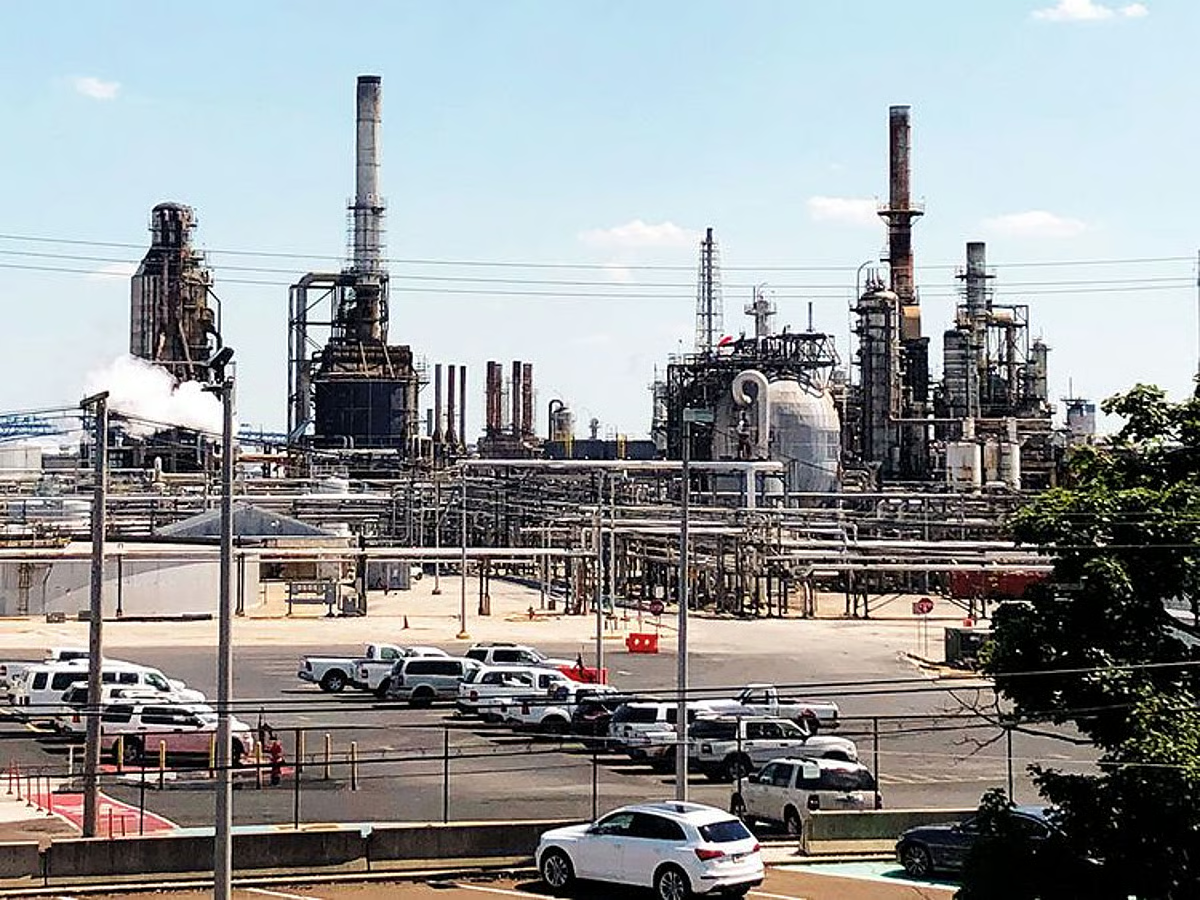
Oil prices slide as Hormuz shipping moves again, war risk premium easesLast updated: July 02, 2026 | 03:372 MIN READAn oil refinery in Philadelphia. US benchmark West Texas Intermediate and global market Brent crude slumped on Thursday as war risk largely eased following the June 17 US-Iran Memorandum of Understanding (MOU), which committed both sides to restoring commercial shipping through the Strait of Hormuz as part of broader ceasefire and de-escalation efforts.
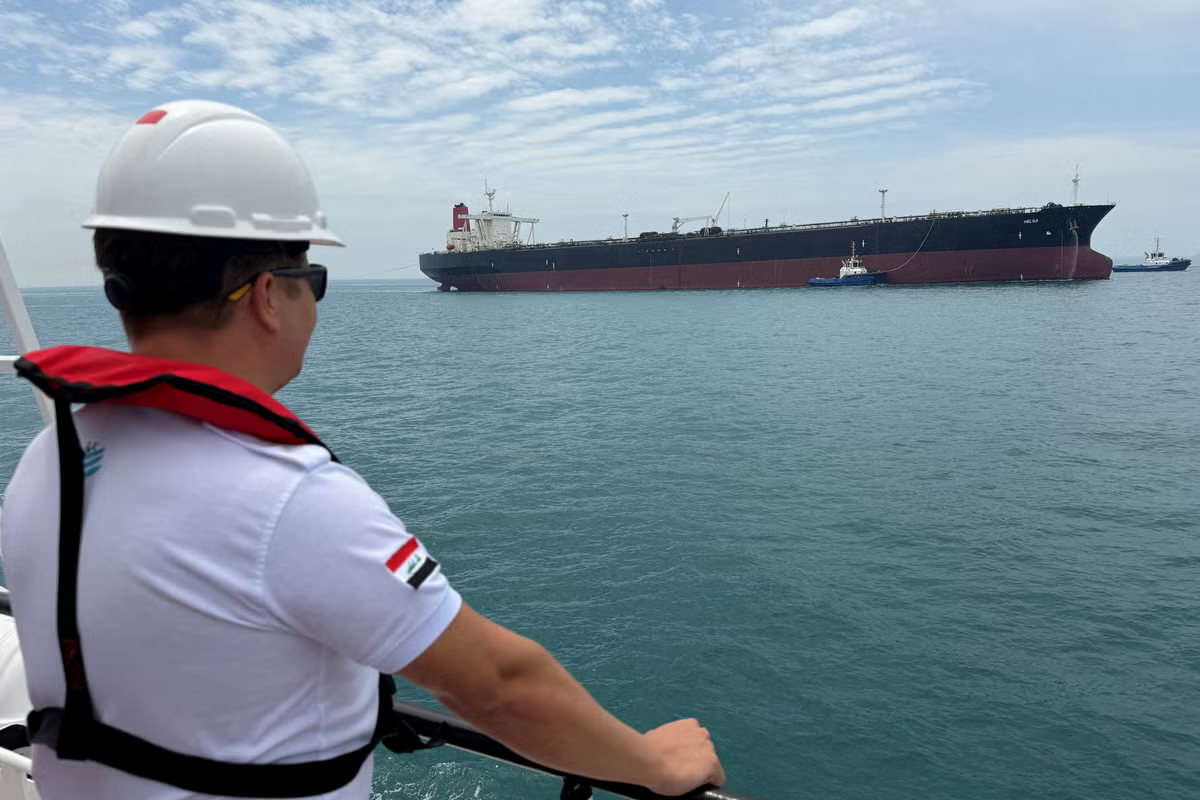
ReutersGlobal oil prices extended their decline on Thursday morning (July 2, 2026, 8:12 am Tokyo time) as easing geopolitical tensions in the Middle East and the gradual reopening of shipping through the Strait of Hormuz continued to ease concerns over supply disruptions.According to OilPrice.com, West Texas Intermediate (WTI) crude fell 58 cents, or 0.85%, to $68.00 per barrel.Murban crude, the benchmark for Middle Eastern exports, posted the steepest decline, tumbling $3.37, or 4.88%, to $65.64 per barrel.Trading Economics reported that Brent crude — the international benchmark — dropped $1.78, or 2.45%, to $71.162 per barrel as of 8.30am Tokyo.SelloffThe latest selloff comes after oil prices surged during the recent US-Iran conflict, when fears that Iran could block the Strait of Hormuz — a vital shipping lane that carries roughly one-fifth of the world's oil supply —triggered a geopolitical risk premium across energy markets.That premium has since largely eased following the June 17 US-Iran Memorandum of Understanding (MOU), which committed both sides to restoring commercial shipping through the Strait of Hormuz as part of broader ceasefire and de-escalation efforts.Hormuz traffic starts recoveryShipping traffic through the waterway has begun to recover, although vessel movements remain well below pre-conflict levels.Analysts say the decline also reflects growing expectations that physical oil supplies will remain largely uninterrupted, while major producers continue pumping at elevated levels. Investors are now shifting their focus from geopolitical risk to underlying market fundamentals, including global demand, inventories, OPEC+ production policy and US output.The sharp fall in Murban crude, widely used as a pricing benchmark for Asian refiners, also signals improving confidence that Gulf-based exports will continue flowing despite lingering regional tensions. If shipping through the Strait of Hormuz continues to normalise, traders say crude prices could remain under pressure unless a fresh supply disruption or stronger-than-expected global demand emerges.Also In This PackageGet Updates on Topics You Choose