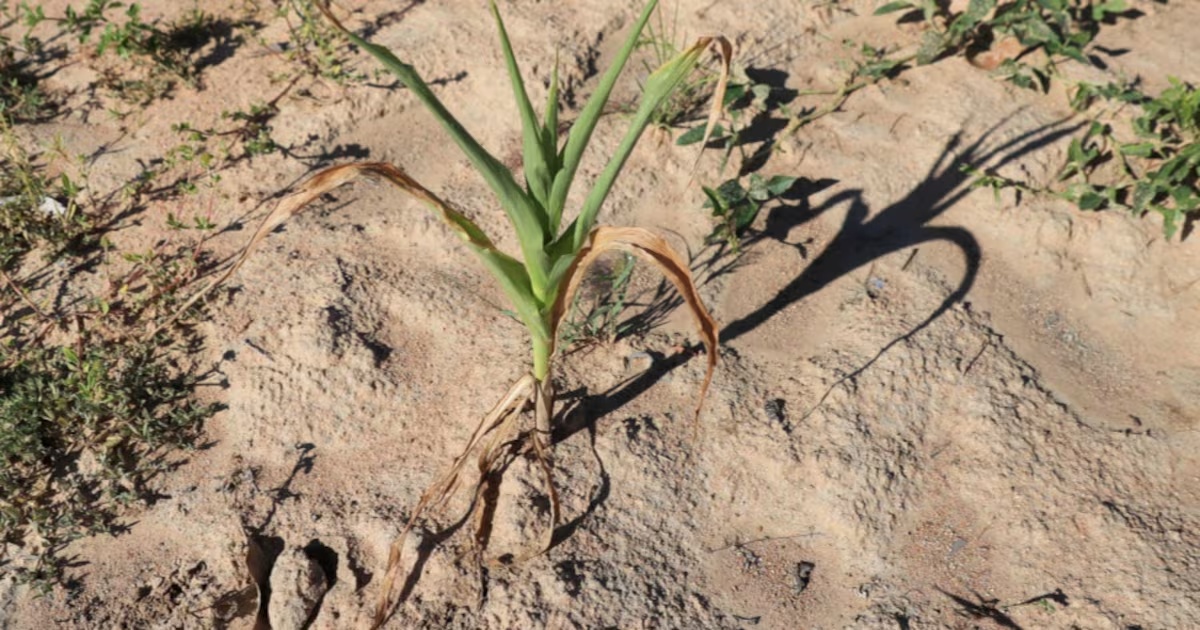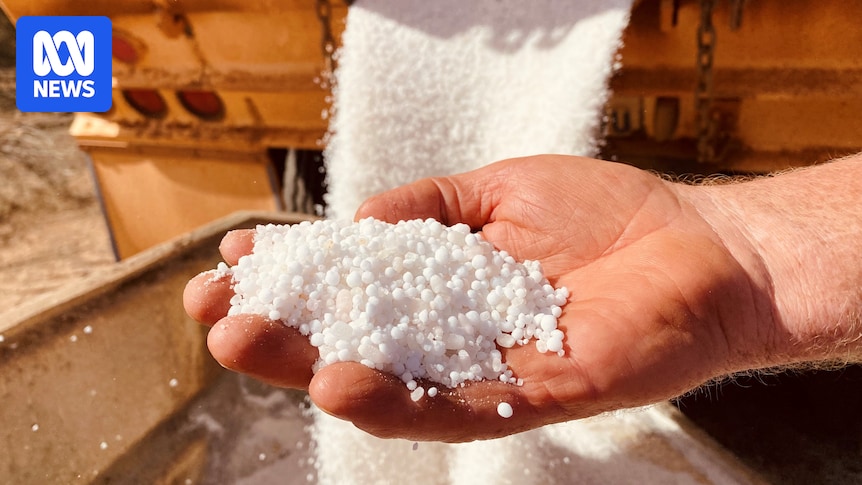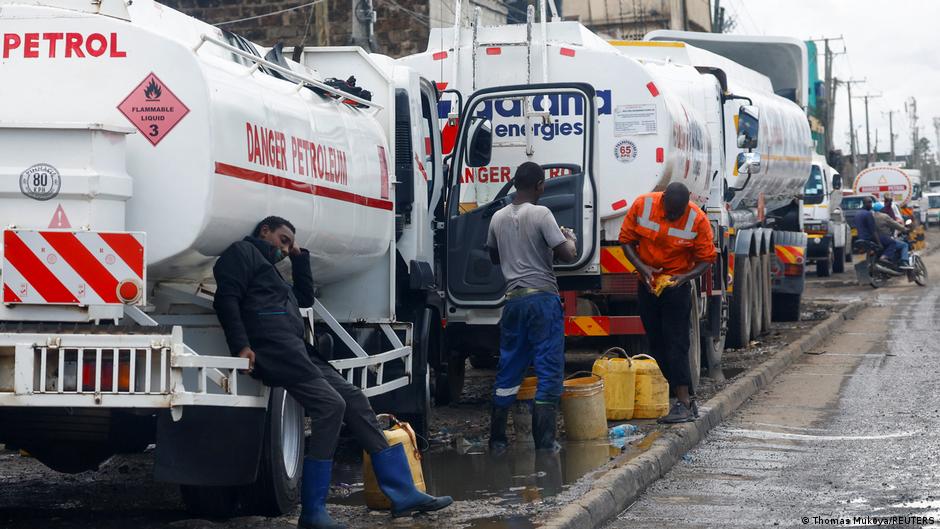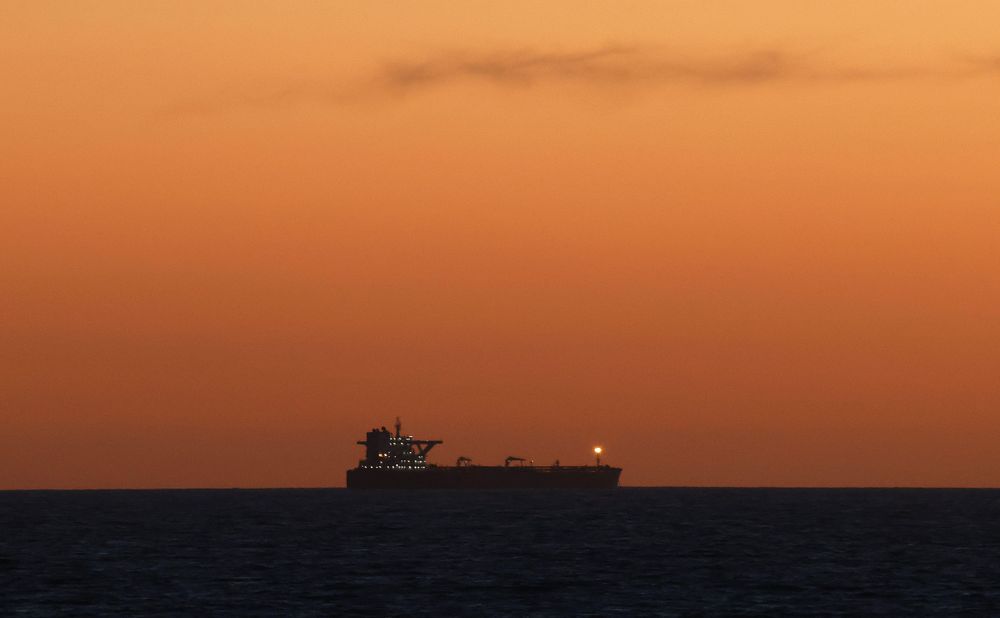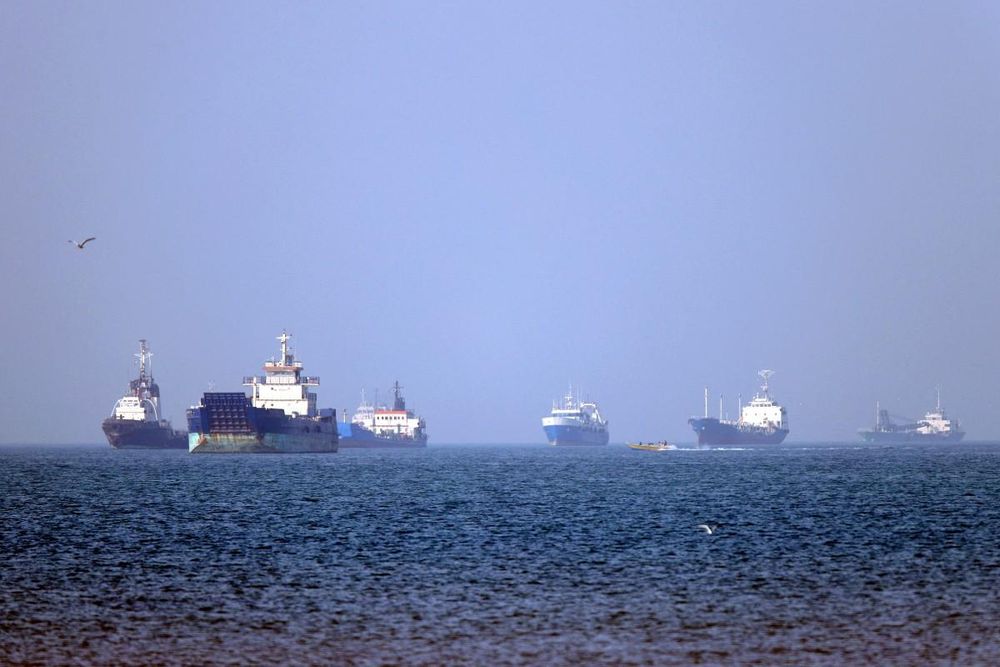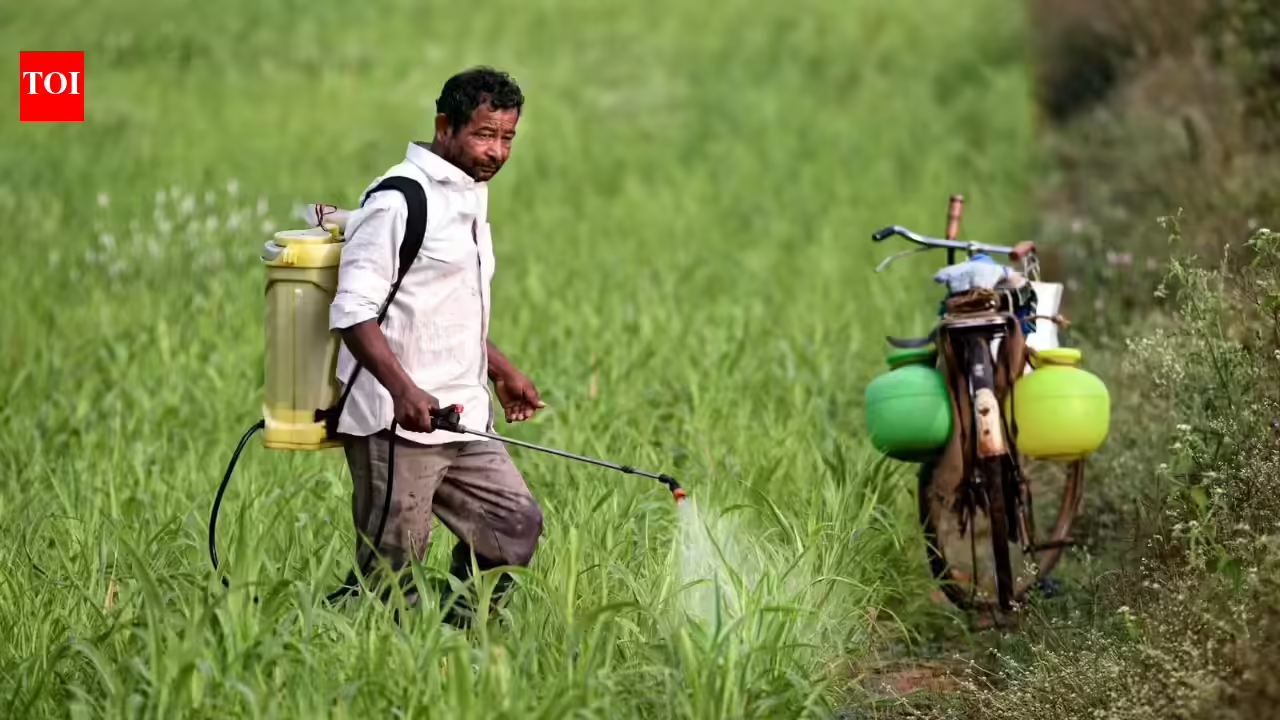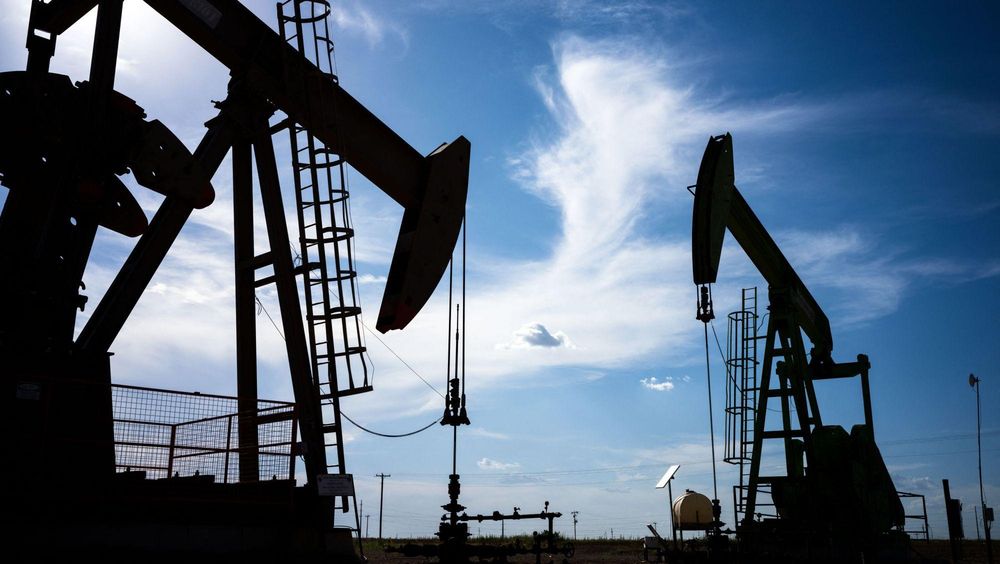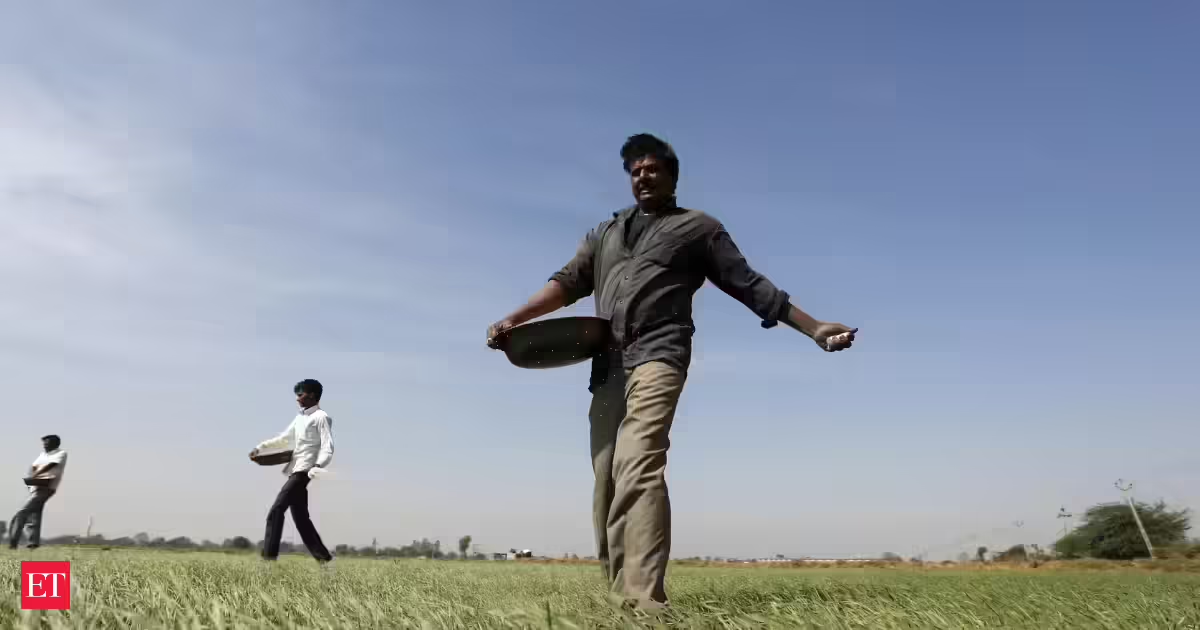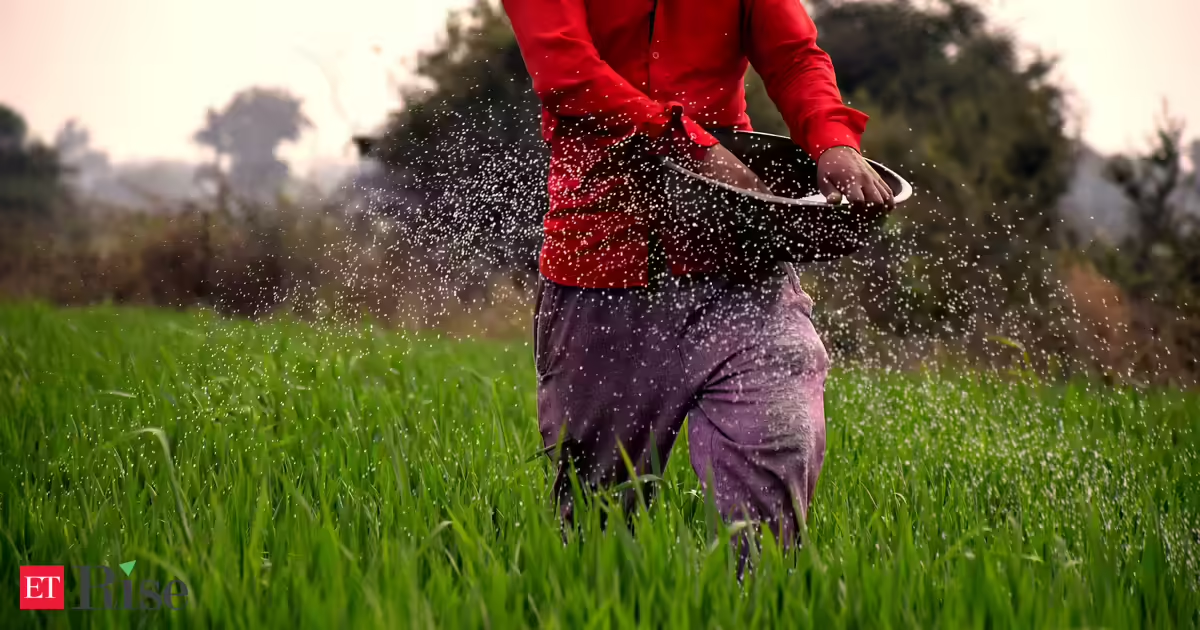
News of a deal between the US and Iran to open the Strait of Hormuz has raised hopes for the easing of fertiliser prices and other inputs for the agriculture sector.This is according to Wandile Sihlobo, chief economist at the Agriculture Business Chamber (Agbiz). On Monday, he said that South Africa will start the next summer crop season from mid-October.Since the beginning of the Iran war at the end of February, the closure of the Strait of Hormuz has triggered a spike in the price of Brent crude oil and fertiliser, putting pressure on the agriculture sector, which has been performing despite multiple headwinds.“One of our major concerns in the past few weeks has been the higher fuel and fertiliser prices ahead of the start of the 2026/27 season. Roughly, fertiliser prices are up by 50% from a year ago, primarily due to the war in the Middle East,” Sihlobo said.For South African agriculture, the Middle East accounted for an average of 8% of agricultural exports by value over the past five years. The exports were a record $15.1bn in 2025, up 10% from a year earlier. The UAE, Saudi Arabia, Iraq, Kuwait, Jordan, and Qatar are regional agricultural export markets.Sihlobo said a potential decline in fertiliser prices as a result of the ceasefire being extended and possibly trade resuming would be a much-welcome development for the South African farming sector.“With news that the US and Iran reached a deal to open the Strait of Hormuz, we are hopeful for some easing in the fertiliser prices, assuming everything holds. Fertiliser accounts for a notable share of input costs in grains, oilseeds and sugarcane — roughly between 20%-35%, depending on the crop.”He said fuel accounts for about 10%-15% of farmers’ input costs and some easing of fuel prices would help immensely ahead of the planting period.“Again, there remains some uncertainty on these issues but so far the formal communication from the American and Iranian authorities is reassuring that the Strait of Hormuz will be reopened.”A recently released AgriSA report said geopolitical tension and foot-and-mouth disease (FMD) continue to constrain livestock exports, with beef declining 56.6% and Middle East destination channels falling 65%-95% year on year.“The annual revenue loss exceeds $81m and the risk of permanent market loss increases with each quarter’s delayed restoration of zone status. Second, the US, historically a high-value, high-margin market, recorded a 39.9% export decline, the single largest destination contraction in the first quarter of 2026.”Mineral & petroleum resources minister Gwede Mantashe, responding in writing to questions from MK party MP Musawenkosi Gasa, said petroleum pricing globally has been affected negatively because of the conflict, and markets, including Africa, are vulnerable to price volatility.“Crude oil is a globally traded commodity whose pricing is based on global benchmarks such as Brent and West Texas Intermediate. South Africa’s oil and gas upstream potential needs to be unlocked. This is one of the best ways of insulating the country against oil shocks.”
Relief for agriculture as Strait of Hormuz reopening set to cut fertiliser prices
Wandile Sihlobo says SA farming sector will welcome drop in fertiliser and fuel price
492 words~2 min read