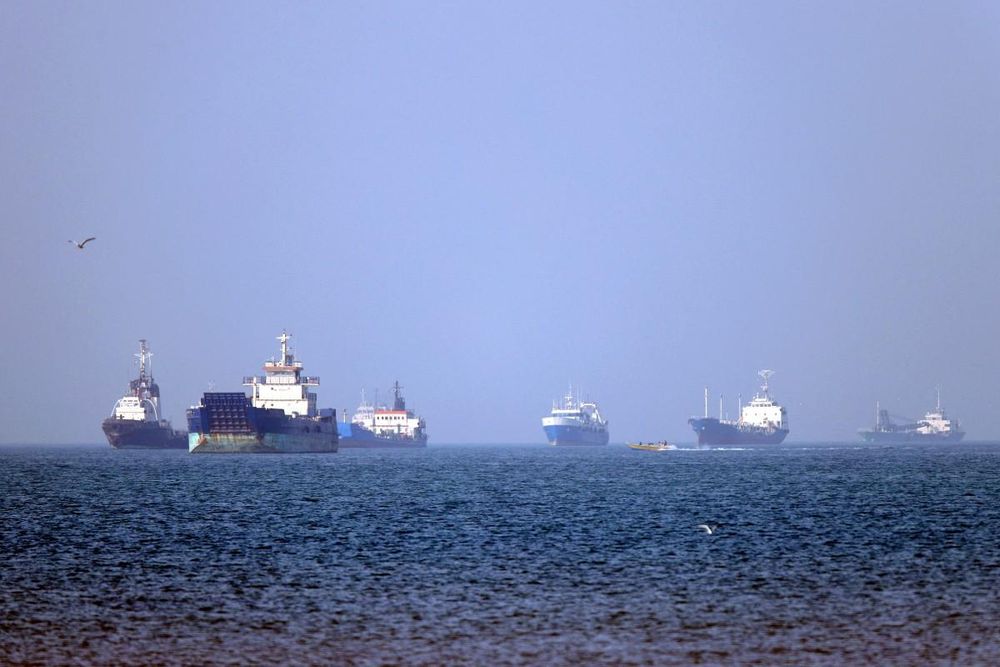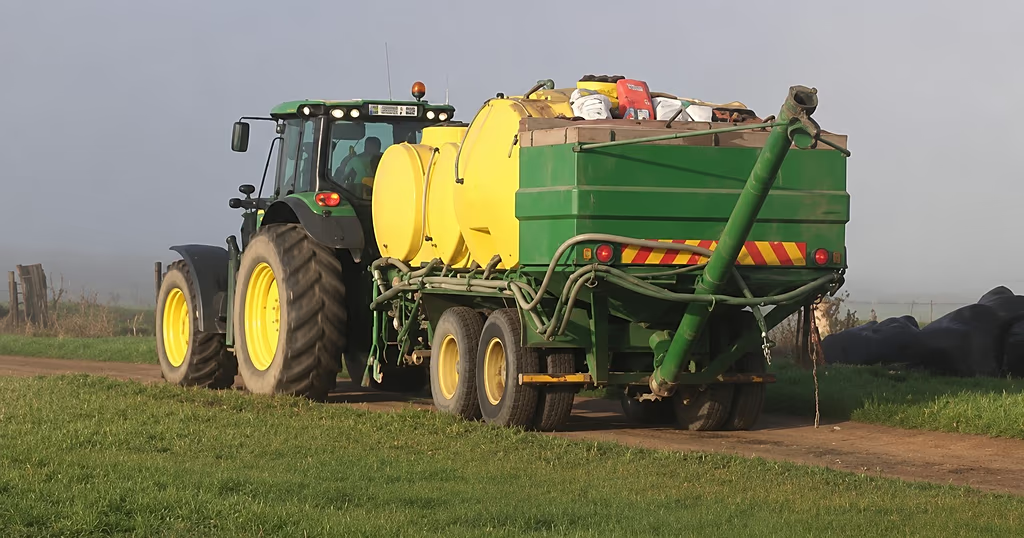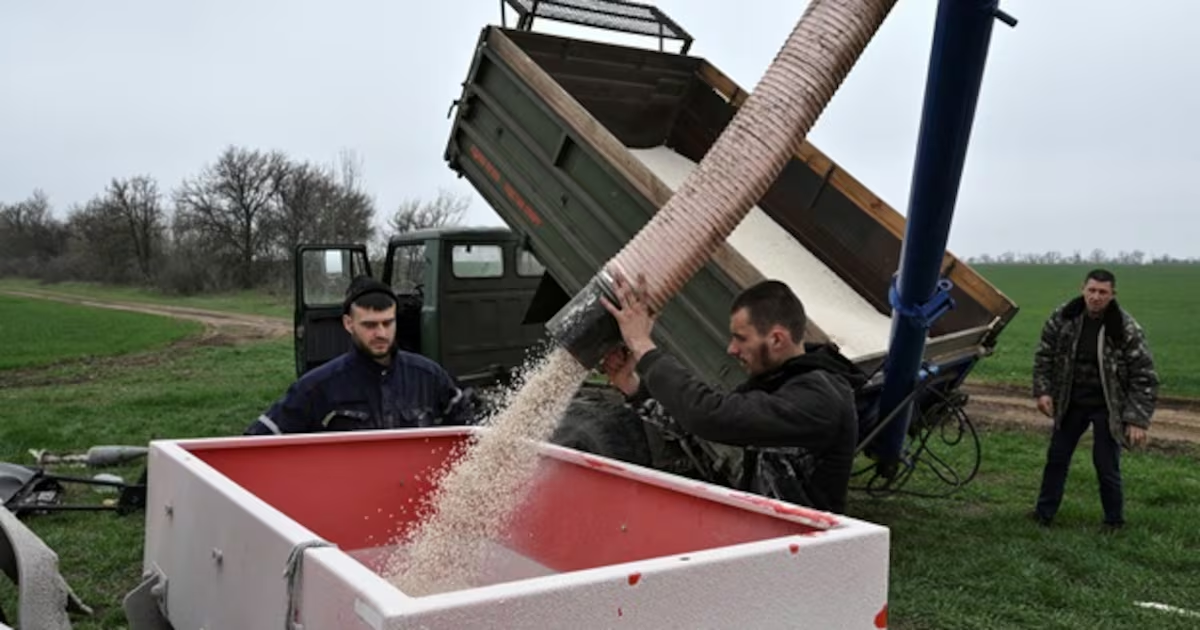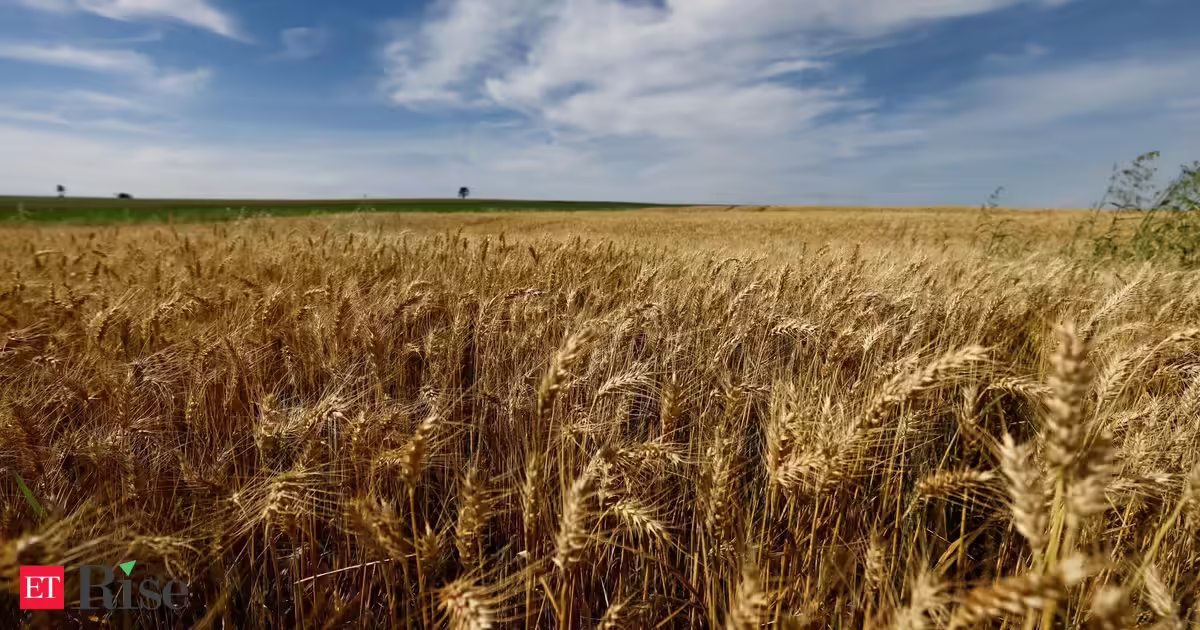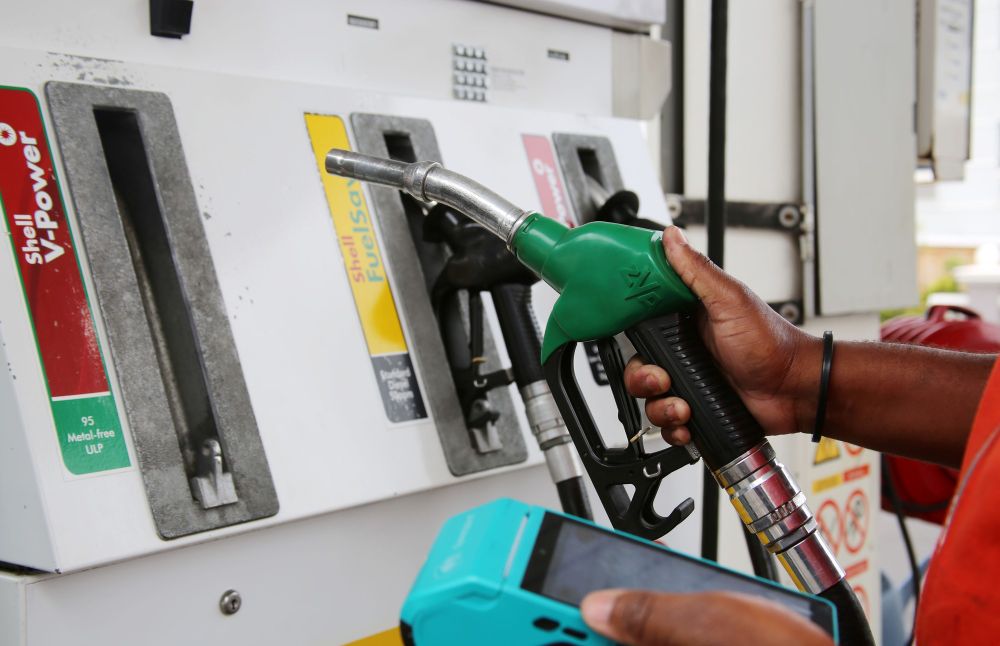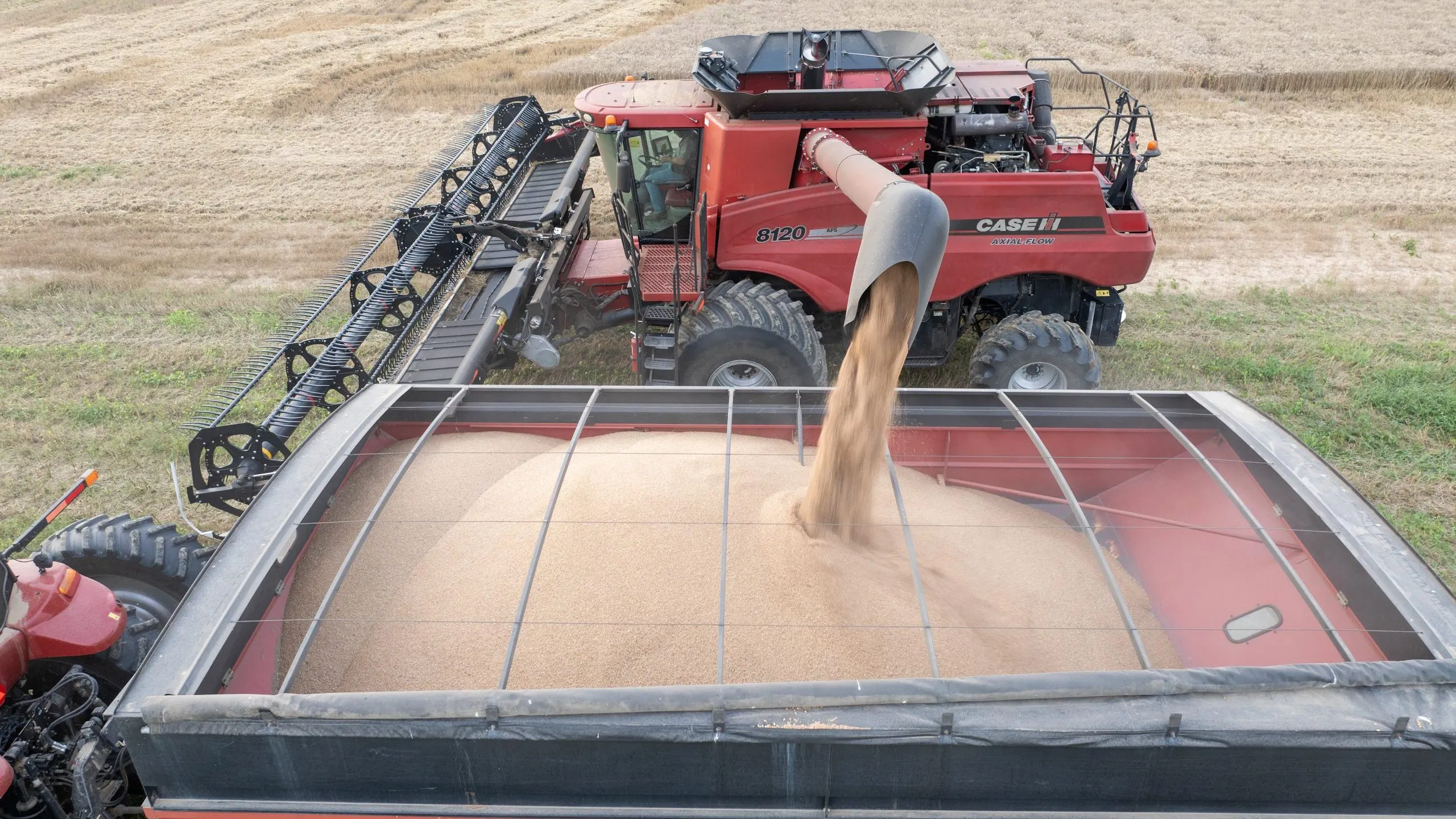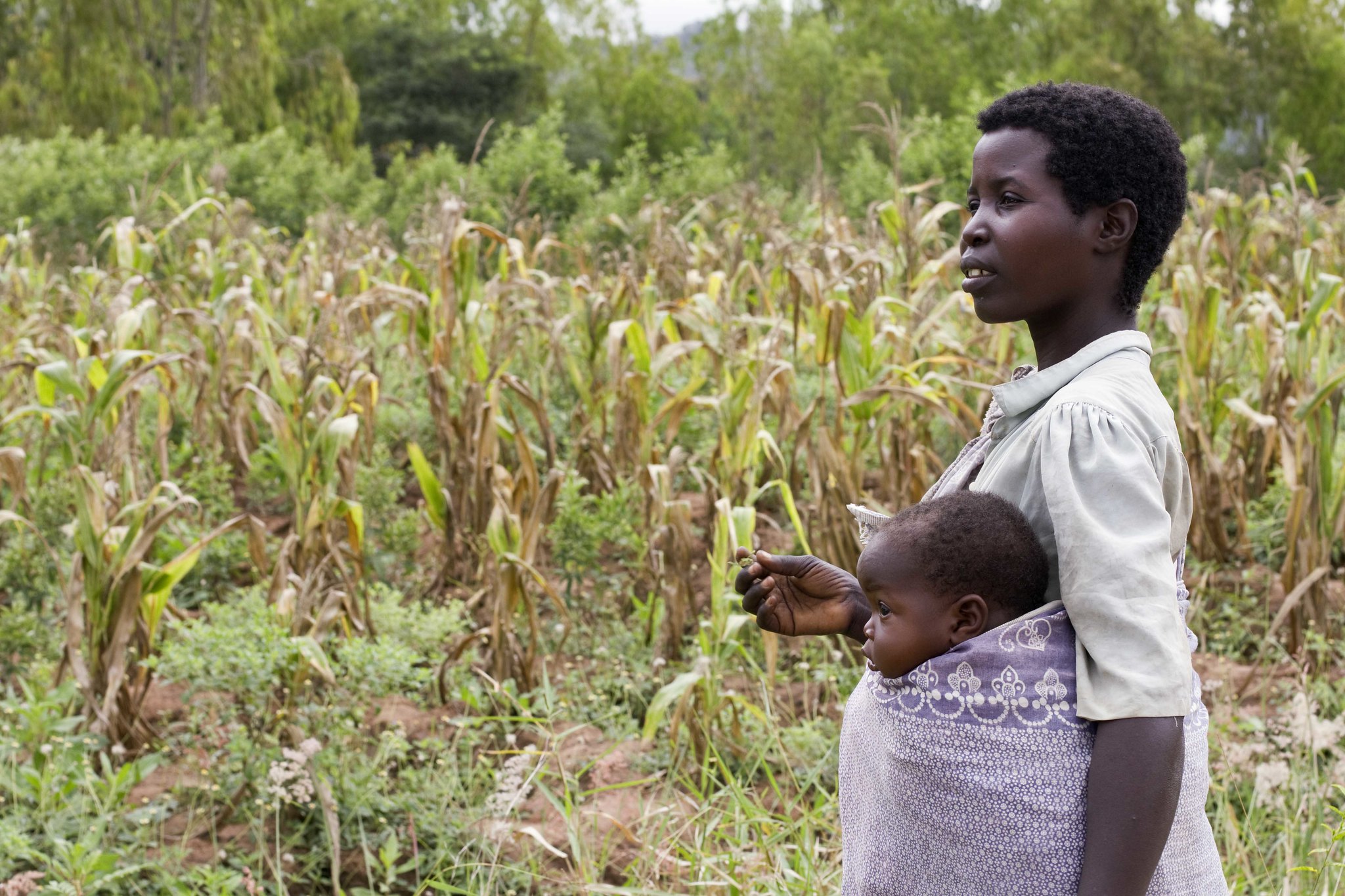
We are beginning to see the benefits of the likely peace deal between Iran and the US on agricultural input prices. Fertiliser and fuel prices have declined notably from the levels we saw as recently as May. Uncertainty remains as the peace talks are under way, but the resumption of ship movements in the Strait of Hormuz has brought some relief to fertiliser and fuel prices.All these developments happen at an opportune time for the South African farming sector, as we are still months away from the start of the 2026/27 summer crop season in mid-October. Some farmers typically place input orders well before the start of the season. Still, given that the current 2025/26 summer crop season is more than a month late and the maize harvest is still under way, the placement of input orders for the next season may also be slightly delayed. This will not be an issue and will benefit farmers if prices continue to soften and there is constructive progress in the peace talks. Before this period there were concerns about the heavy financial burden farmers would have to shoulder ahead of the 2026/27 season. The combined cost of fuel and fertiliser typically accounts for about half of the input costs in field crops. Having such a substantial share of input costs rising into double digits at a time when commodity prices were falling meant that some farmers would be in a tough corner. The possibility of financial pressures led some people to question whether South African farmers would leave some land fallow for a season. Admittedly, it remains too early to assess whether the plantings will be reduced. Still, judging by history, South African farmers have consistently maintained roughly the same area under cultivation, even in challenging seasons. If anything, there is typically a switch among various summer crops depending on profitability. But farmers rarely substantially reduce the area planted. Thus, we expressed doubts about such possibilities when others raised the point. Also worth noting is that while fertiliser and fuel prices have come down from the recent surge, they remain at relatively high levels compared with a year ago. Therefore, the cost pressures on farmers remain, though not as severe as we feared. Moreover, South Africa’s record summer grain and oilseed harvest in the 2025/26 season at about 21.49-million tonnes, up 5% year on year, also meant prices would be under pressure for some time, weighing on some farmers’ financial conditions. For example, at the beginning of July, maize prices were down by about 10% from a year ago. Oilseed prices were also mildly lower than a year ago.These developments in farm input costs and profitability challenges occur amid uncertainty about the impact of the forecast El Niño on agricultural production in South Africa. It is understandable that others are worried about the upcoming season and the impact of these factors on food prices. Still, we believe that the weather challenge may not be as harsh as some fear. Better soil moisture across the country after a longer rainy season and higher dam water levels will support agricultural activity and grazing pastures. In addition, the ample grain supplies from the 2025/26 season will help supplement supplies if the 2026/27 harvest is lower. These grain supplies will also help in the Southern Africa region, where we fear the effect of El Niño may be much harsher than in South Africa. Overall, the realisation of a peace deal in the Iran-US war remains fundamental to the agricultural input cost path, and for now, things look promising for South African farmers. • Sihlobo is presidential envoy on agriculture and land, chief economist at the Agricultural Business Chamber of South Africa and a senior fellow in Stellenbosch University’s department of agricultural economics.
WANDILE SIHLOBO | Falling fuel and fertiliser prices offer relief for South African farmers
Easing Middle East tensions lift outlook for agriculture sector ahead of 2026/27 planting season
626 words~3 min read