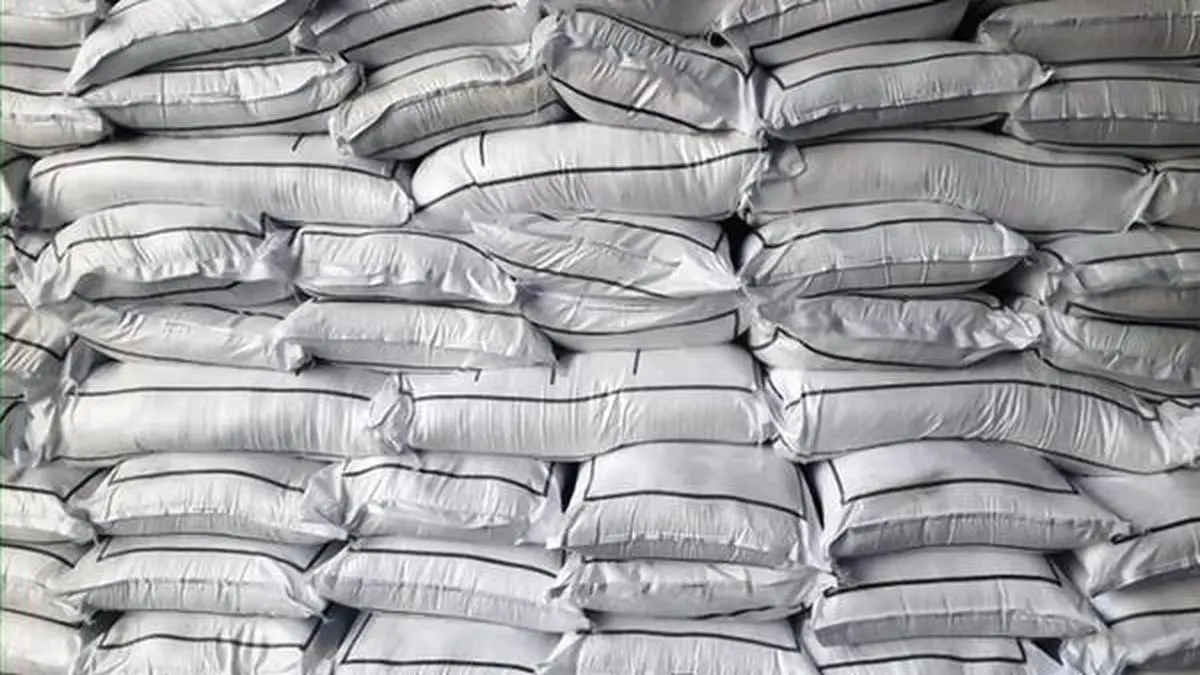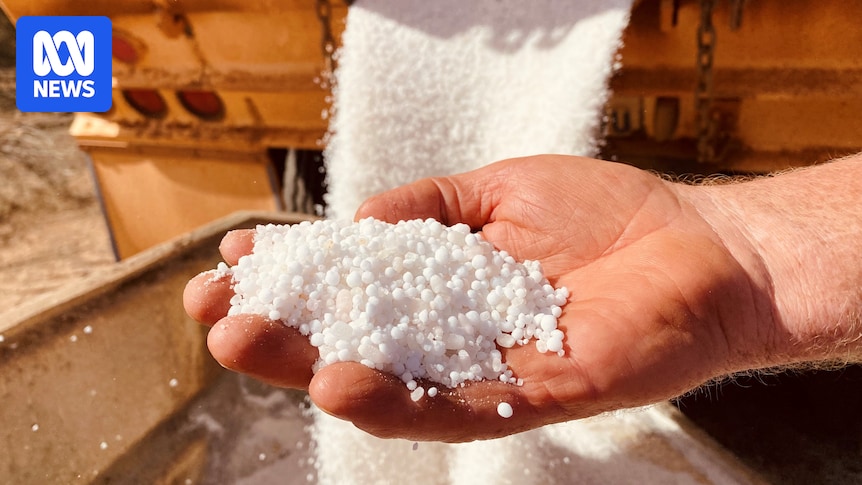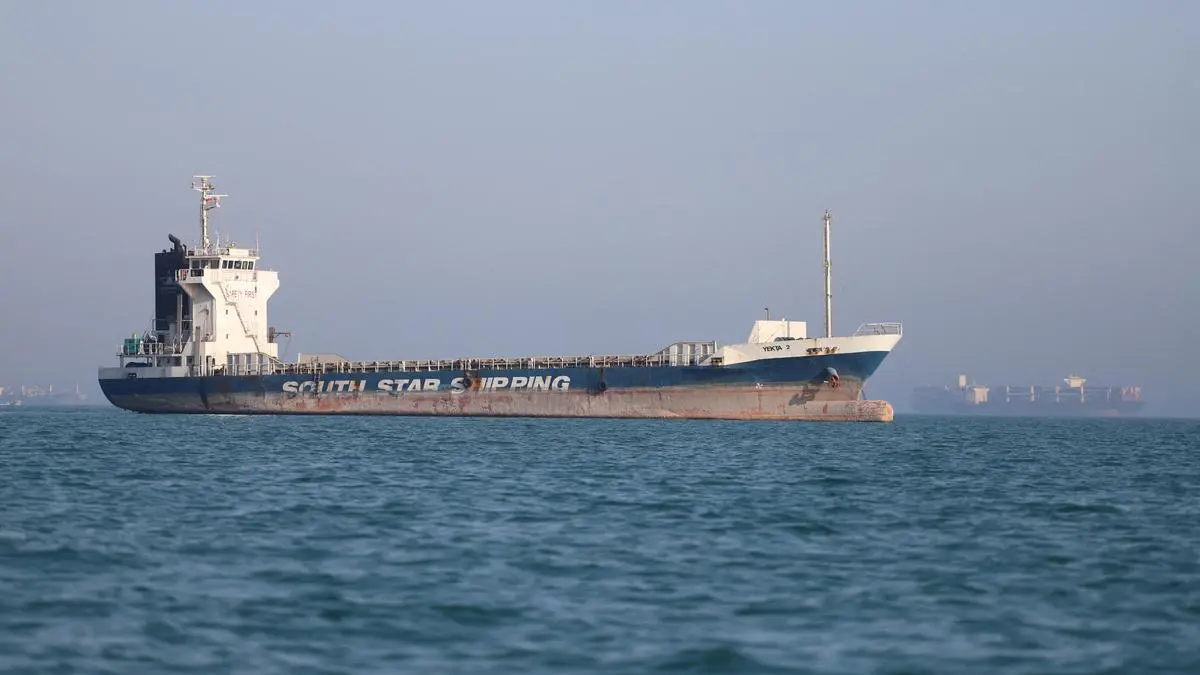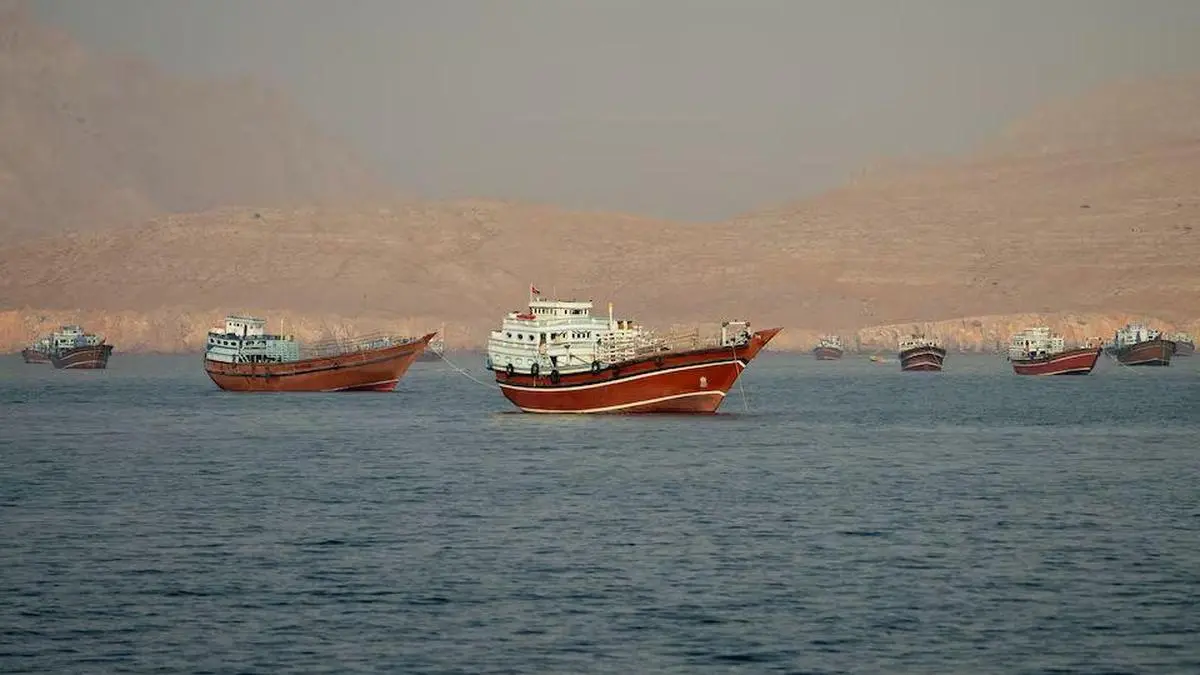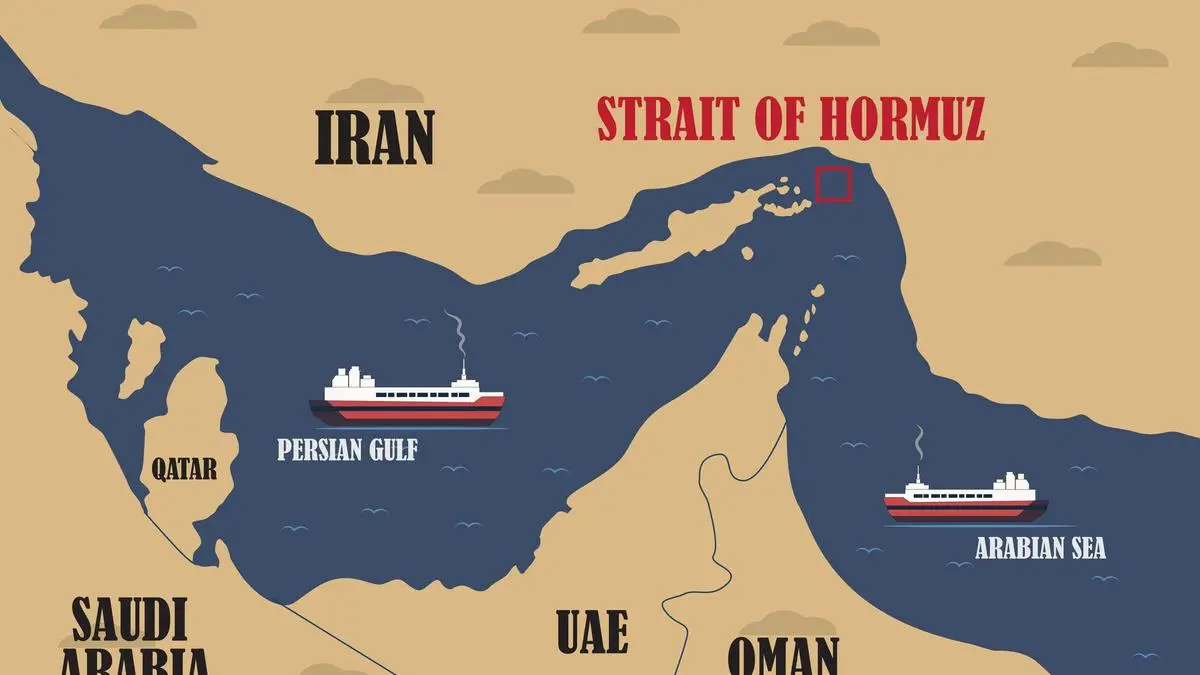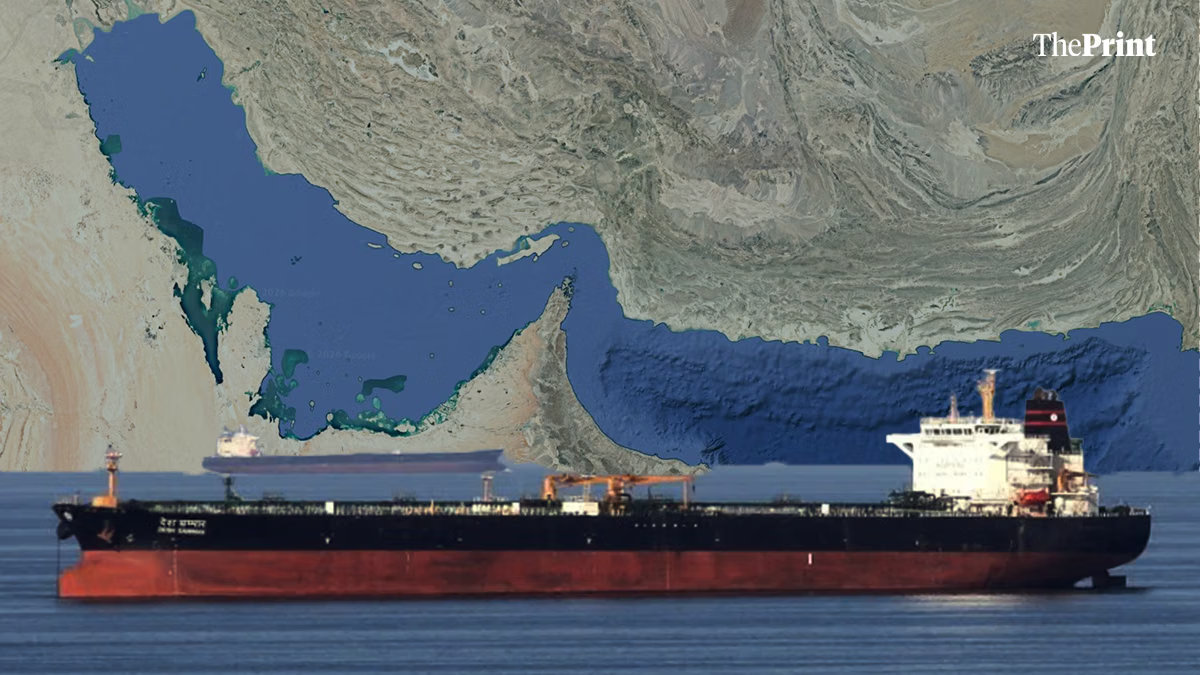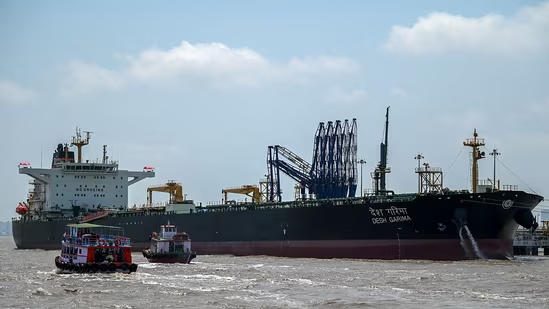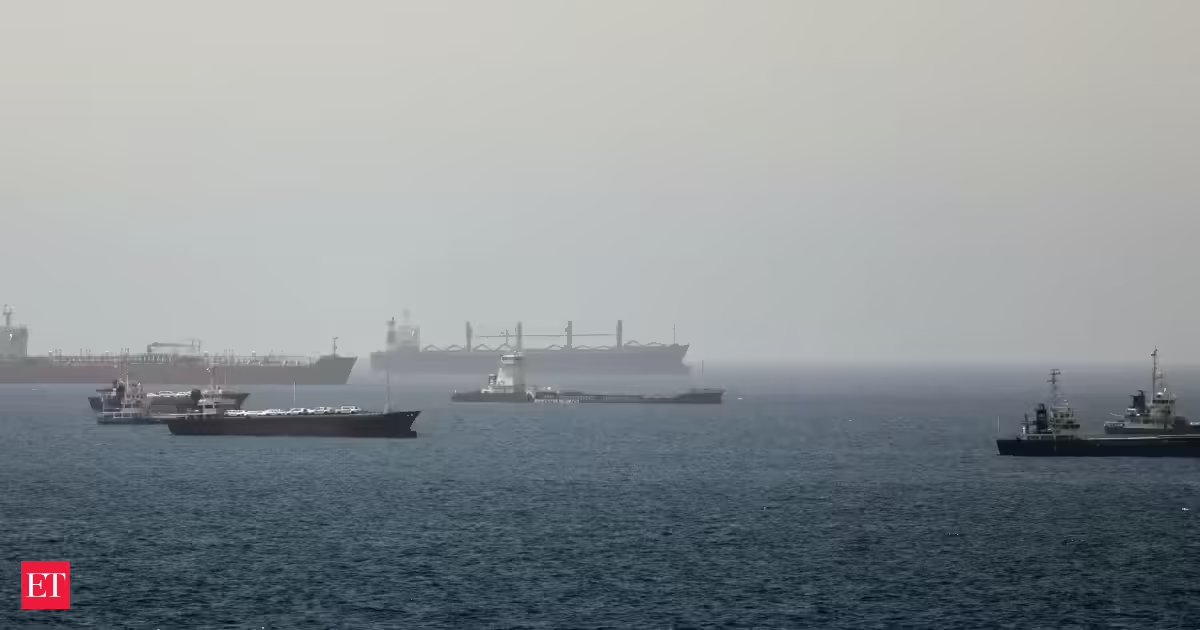
New Delhi: Fertiliser availability and prices may take another three to four months to normalise despite an initial agreement between the US and Iran to end the conflict in West Asia and pave the way for the reopening of the Strait of Hormuz, industry executives said.The first relief is expected to come from the restoration of natural gas supplies."It takes time to restart plants and bring production back to normal levels," a senior fertiliser company executive said.Also Read: 16 India-bound fertiliser ships stranded in Strait of Hormuz: GovtSeveral raw materials used in fertiliser production are petroleum derivatives and supplies will normalise only after oil refineries return to full operations, the executive added.Sulphur shortages, shipping disruptions to weigh on DAP until year-endAmmonia prices, critical to di-ammonium phosphate (DAP) production, are expected to stabilise within one to two months after gas plants in Qatar resume normal operations, executives said. Imported ammonia is also available in the domestic market.Sulphur prices, however, may take longer to ease, according to another senior executive at a large fertiliser company. Sulphur, a key raw material for DAP and a by-product of petroleum refining, has surged to record highs because of supply disruptions in West Asia and strong industrial demand. Wholesale sulphur prices are currently between $815 and $1,200 per metric tonne, executives said.Also Read: Two urea plants with 25.4 LT annual capacity to start production soonIndia has adequate urea stocks for the kharif season, but DAP supplies remain under pressure because of the global sulphur shortage. West Asia accounts for a significant share of global sulphur supplies, much of it recovered from oil refining and gas-processing operations.Executives said sulphur prices could rise further before easing by December.Disruptions to shipments through the Strait of Hormuz have affected imports and domestic production ahead of the peak sowing season. Refineries and gas-processing units require safety checks, feedstock availability, staff mobilisation, maintenance inspections, and stable power and logistics before operations can be scaled up. Plants that were idled or operating below capacity are typically restarted in phases to avoid accidents and equipment damage.Shipping companies are also expected to remain cautious before fully resuming operations through the Strait of Hormuz."Reopening a shipping lane does not instantly clear stranded cargo. There will be a queue of vessels, port congestion, delayed berthing, inspection delays and insurance approvals," a third executive said.Several vessels carrying urea and DAP to India have been stranded in the Strait during the crisis.
Hormuz may reopen, but fertiliser relief is still months away for India
Fertiliser supplies and prices will take months to return to normal. Natural gas and petroleum derivative supplies need to resume. Ammonia prices may stabilize soon. Sulphur prices could remain high longer. Disruptions to shipping lanes have impacted imports. Restarting plants and clearing stranded cargo will take time. India has enough urea for the kharif season but faces DAP pressure.
403 words~2 min read