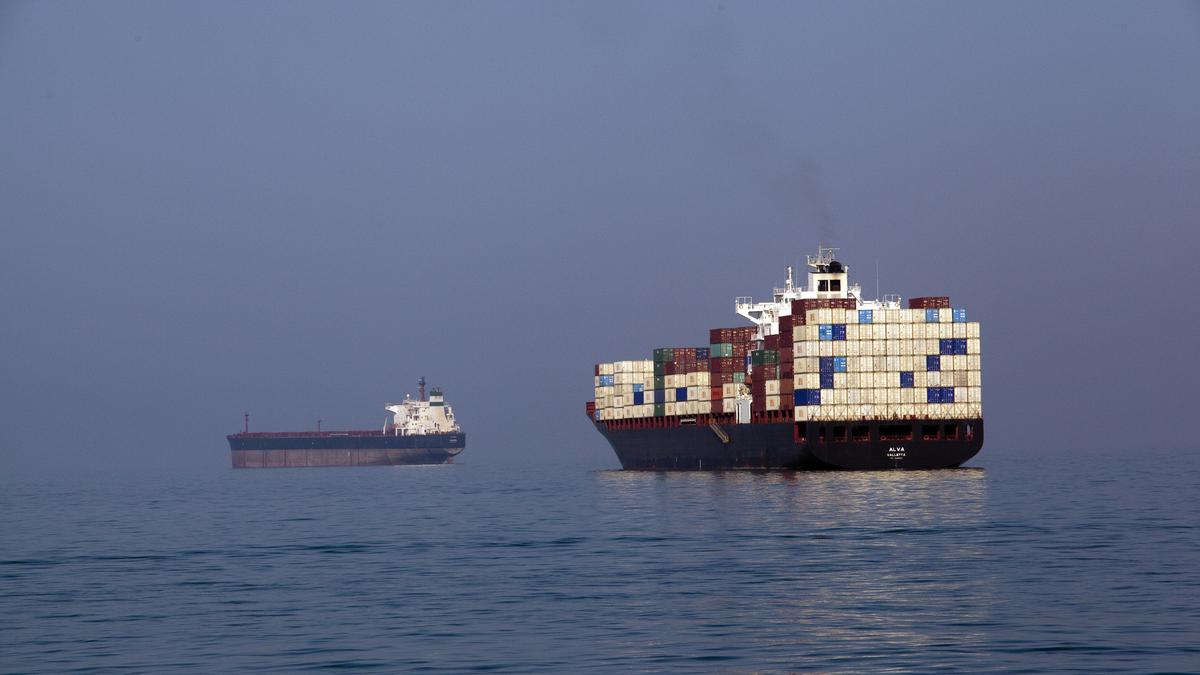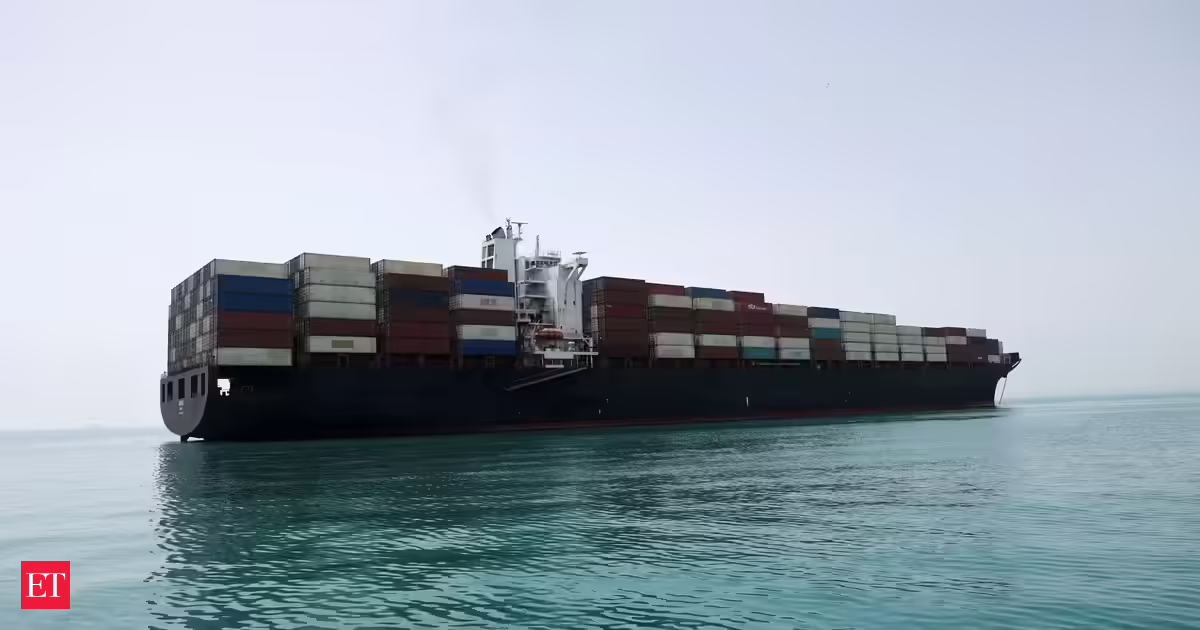
The reopening of the Strait of Hormuz is expected to begin in phases from July, with LPG supplies likely to recover first due to India’s heavy dependence on West Asian imports
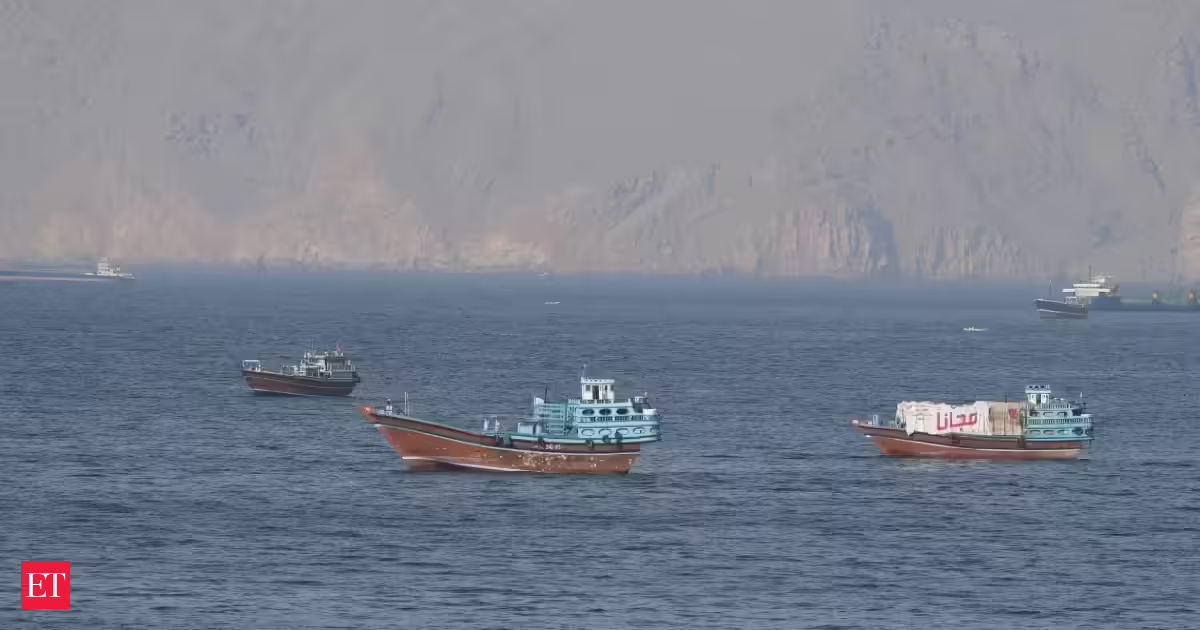
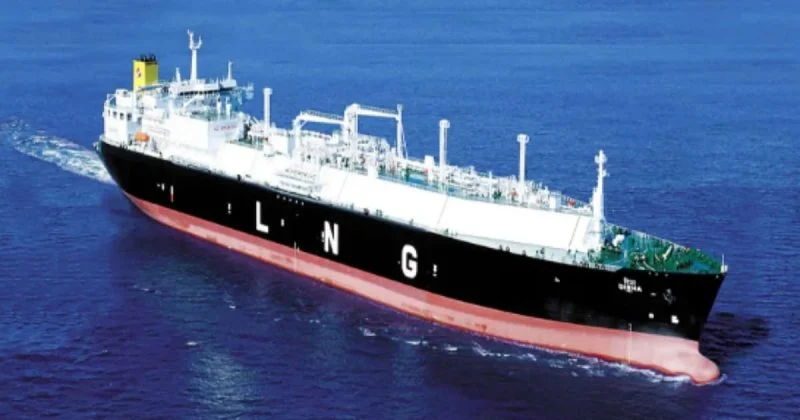
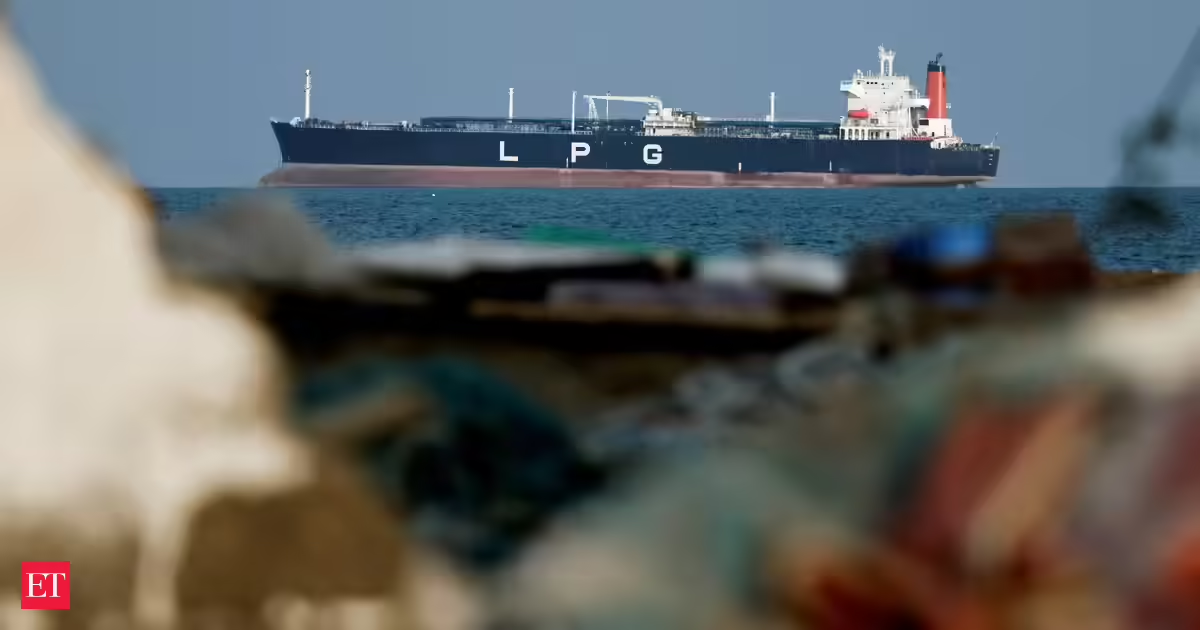
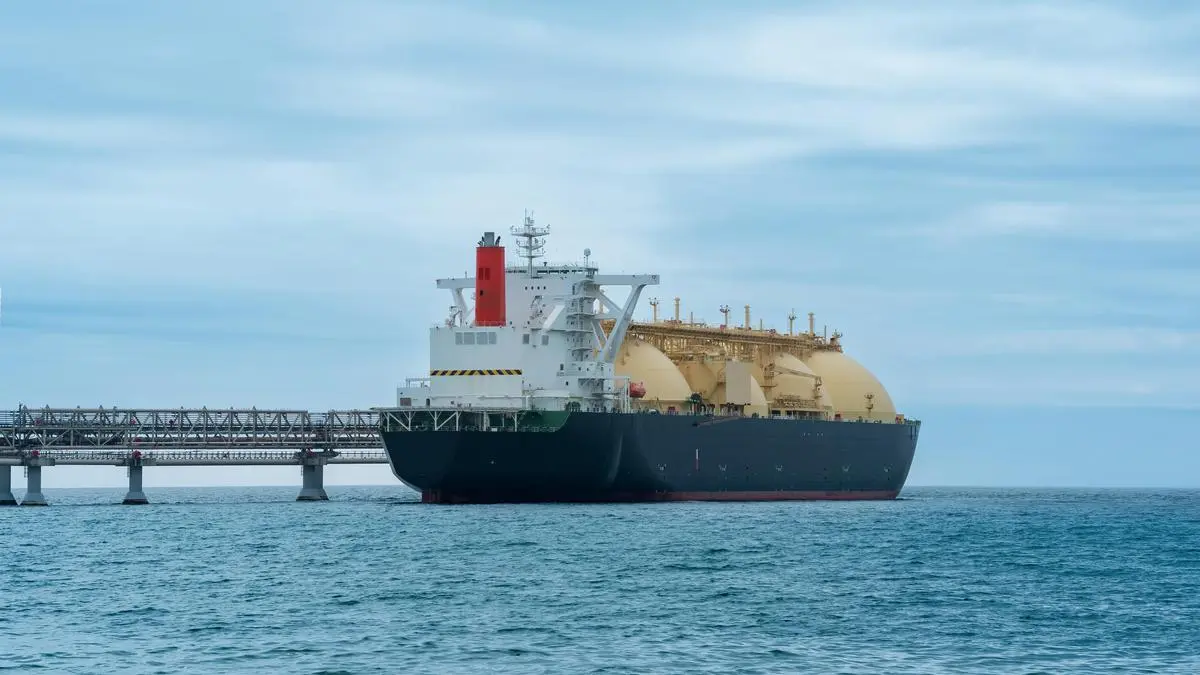
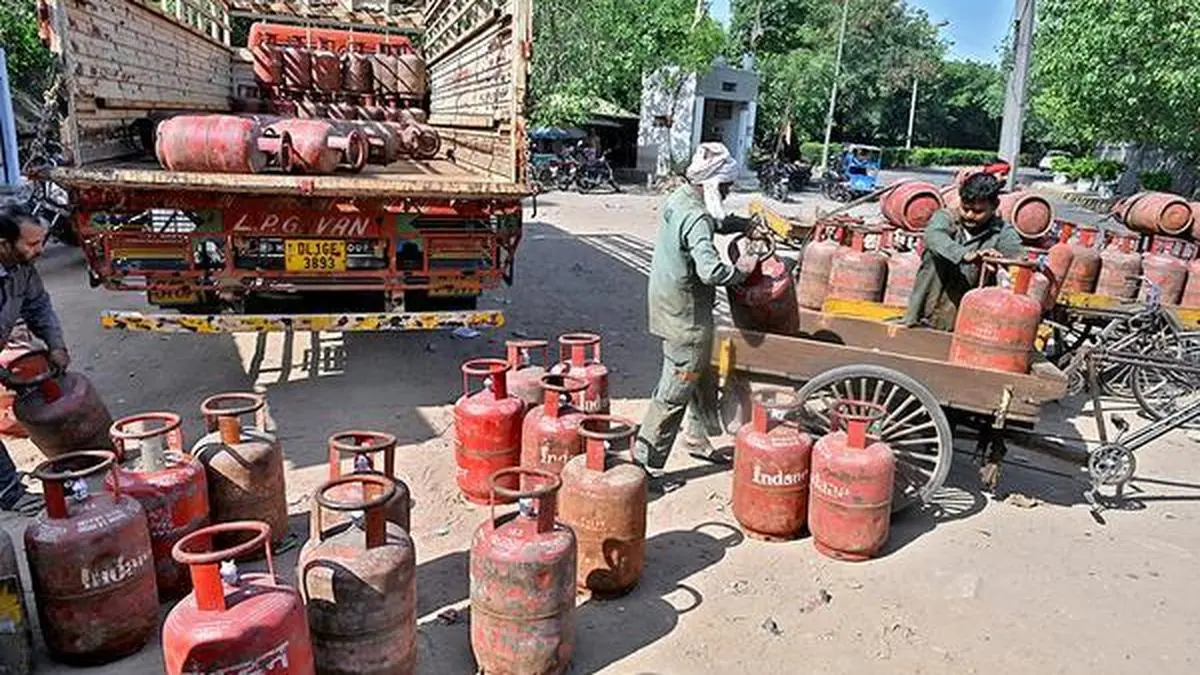
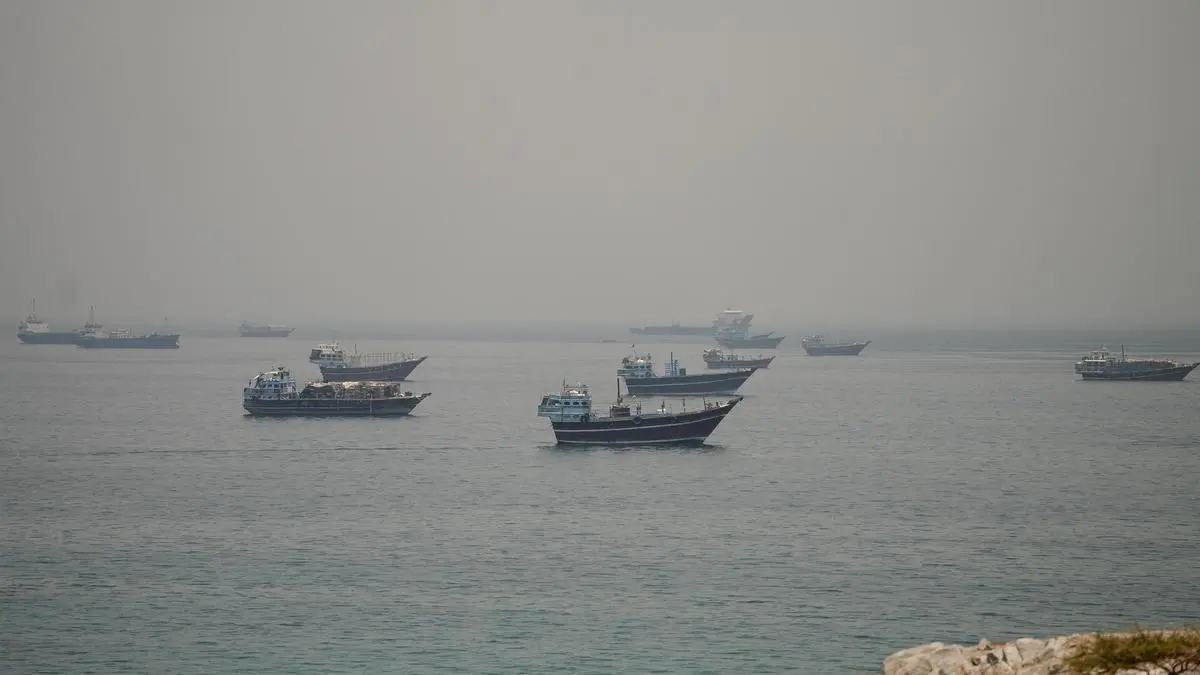
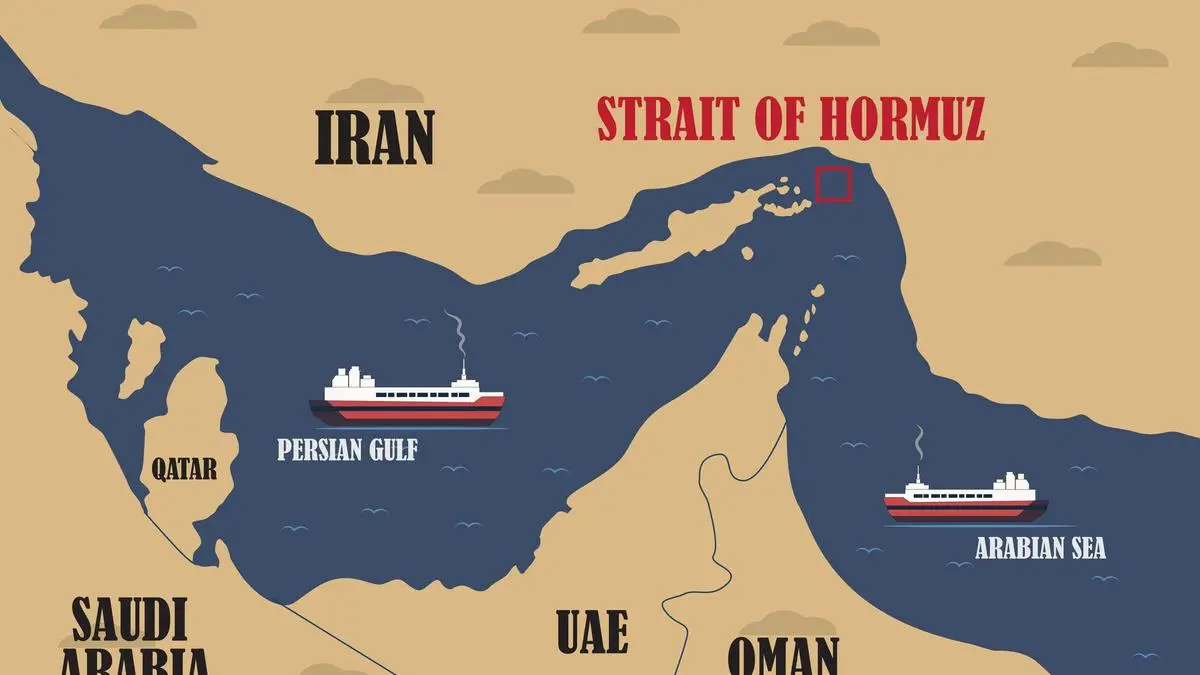
The reopening of the Strait of Hormuz (SoH) is expected to commence in phases, starting in July, with priority given to liquefied petroleum gas (LPG), given India’s dependence on West Asia for the commodity—used as cooking fuel by more than 33.50 crore households.Besides LPG, the other pain point is liquefied natural gas (LNG), which is expected to follow as Gulf loading schedules and vessel availability improve, while crude oil remains a later-stage normalisation story given the resilience of import flows throughout the disruption.SoH is India’s most critical energy supply route, with the Middle East Gulf (MEG) region accounting for around 42 per cent of crude imports, 91 per cent of LPG imports, and around 60 per cent of LNG imports in 2025, Kpler said.The global real-time data and analytics provider opined that the reopening of the world’s most critical energy choke point would represent a major milestone for global energy markets, but the impact on India is likely to vary significantly across commodities.Sumit Ritolia, Kpler’s Lead Research Analyst for Refining & Modelling, told businessline “Our base case assumes a gradual reopening beginning in early July. The recovery is expected to occur in phases rather than through an immediate normalisation of trade flows.”More importantly, he emphasised that the recovery in imports is likely to be sequential rather than simultaneous, reflecting the varying degree of disruption across commodities.“LPG has been the most severely affected, with imports falling to around 51 per cent of pre-war levels, creating the strongest replenishment requirement. LNG is expected to follow as Gulf loading schedules and vessel availability improve, while crude remains a later-stage normalisation story given the resilience of import flows throughout the disruption,” Ritolia added.Phases-wise recoveryRitolia explained that in the first phase (Weeks 0-4), with initial vessel movements, focus on evacuating stranded and delayed cargoes already within the Gulf. Priority is given to laden vessels carrying crude, products, LPG, chemicals, and LNG. Opportunistic purchases of LPG and crude may emerge, subject to vessel availability, particularly for ships already positioned inside the Gulf.In the second phase (Weeks 3-10), he said that as confidence in the reopening strengthens, ballast (empty) vessels will gradually return to Gulf loading ports.“LPG imports are likely to receive priority given India’s heavy dependence on Middle Eastern supplies, inventory drawdowns during the disruption, and strong restocking demand. LNG and crude flows are expected to follow as vessel availability improves and loading schedules stabilise,” Ritolia anticipated.Finally, in the third phase (Week 4 onwards), as the two-way shipping flows are restored in the SoH and storage pressures ease, Gulf producers can sustainably increase exports. Crude imports via MEG will begin to normalise, while refiners will gradually increase runs and product exports will recover, he added.Crude dynamicsRitolia pointed out that crude oil imports remained relatively resilient throughout the disruption, supported by the continued availability of Gulf barrels via bypass export routes such as Saudi Arabia’s Yanbu and the UAE’s Fujairah/Habshan pipeline, alongside cargoes that were still able to transit the SoH.Besides, strong inflows of Russian crude and rising Venezuelan volumes have further cushioned the impact on India’s crude supply, he noted.“As a result, a Hormuz reopening is unlikely to materially alter India’s crude import requirements in the near term. However, it could gradually reshape sourcing patterns, allowing Gulf producers to regain market share as logistics normalise and supply chains become more efficient,” he said.Given that a large portion of India’s July 2026/ August-arrival crude purchases have already been secured, the scope for an immediate increase in Middle Eastern crude imports remains limited.“Instead, we expect a gradual recovery in Gulf crude demand, potentially supporting an additional 400,000–600,000 barrels per day (b/d) of Middle Eastern imports through August as refiners rebalance their crude slate,” Ritolia anticipated.However, a key upside risk is the potential non-renewal of Russian crude-related waivers that end on June 17th. In such a scenario, Gulf producers could regain market share more quickly, accelerating the recovery in Middle Eastern crude flows to India once Hormuz reopens, he said.The primary benefits are therefore expected to come from improved logistics, greater supply flexibility, and lower freight/Insurance-related risks, rather than a sudden surge in crude arrivals.Published on June 19, 2026