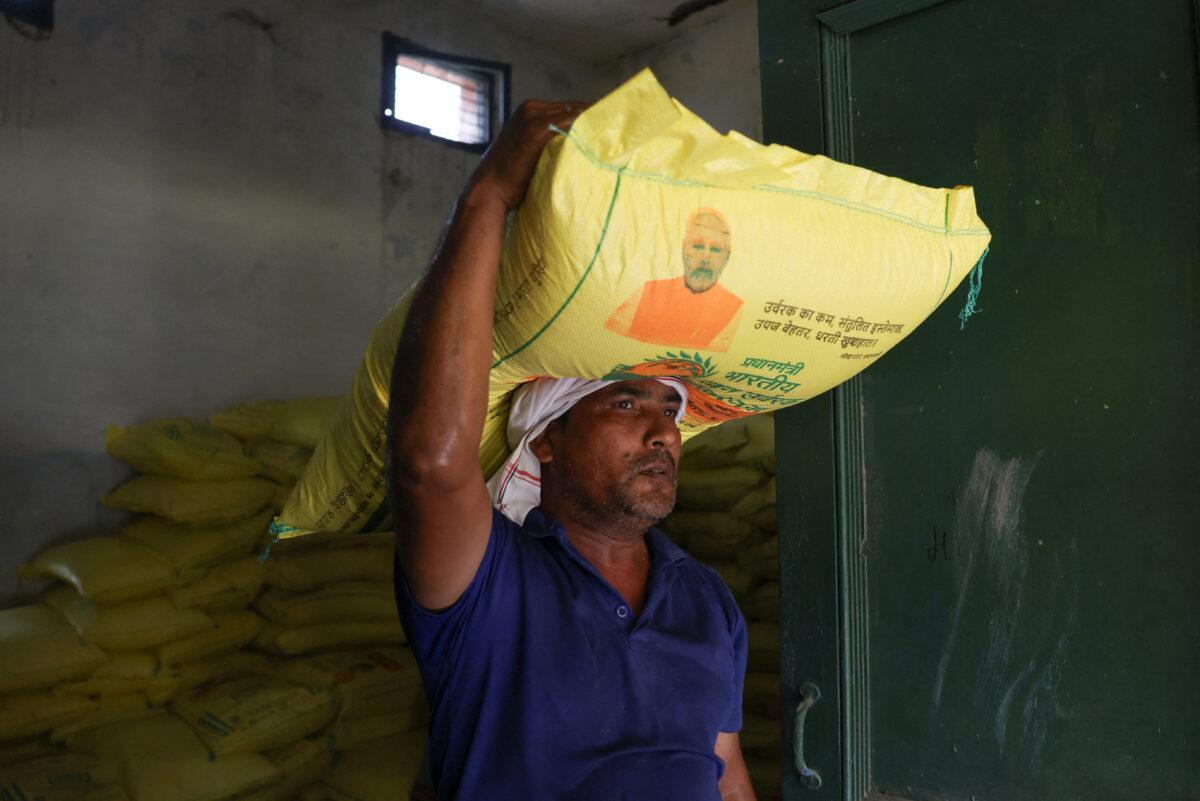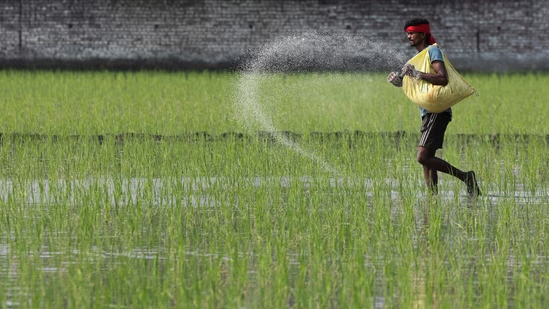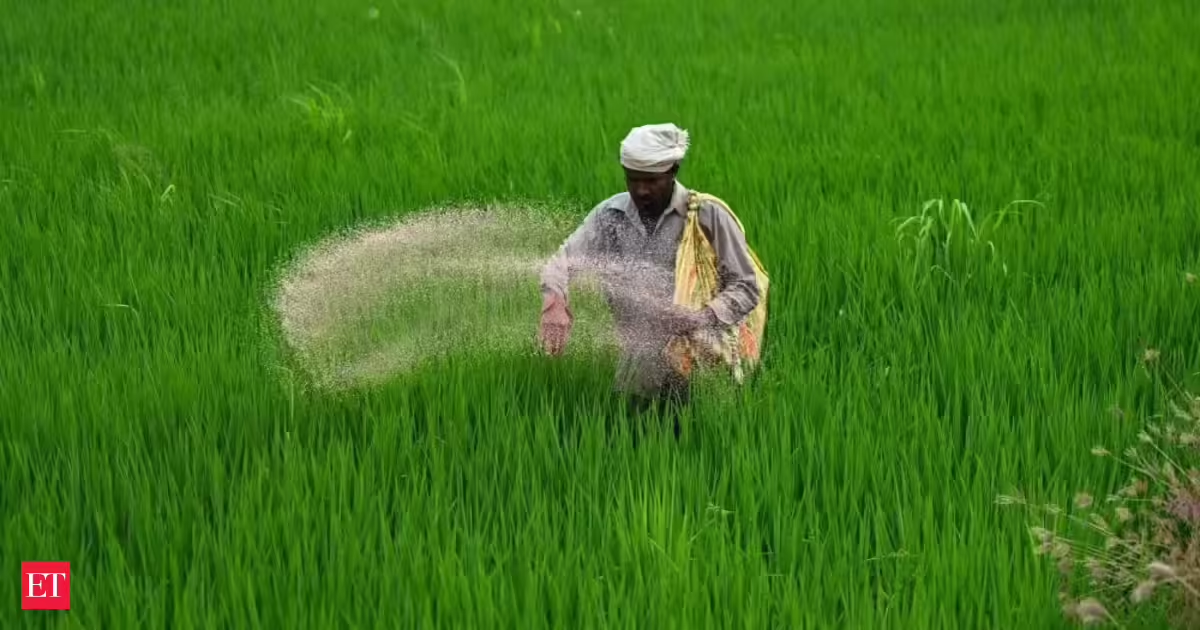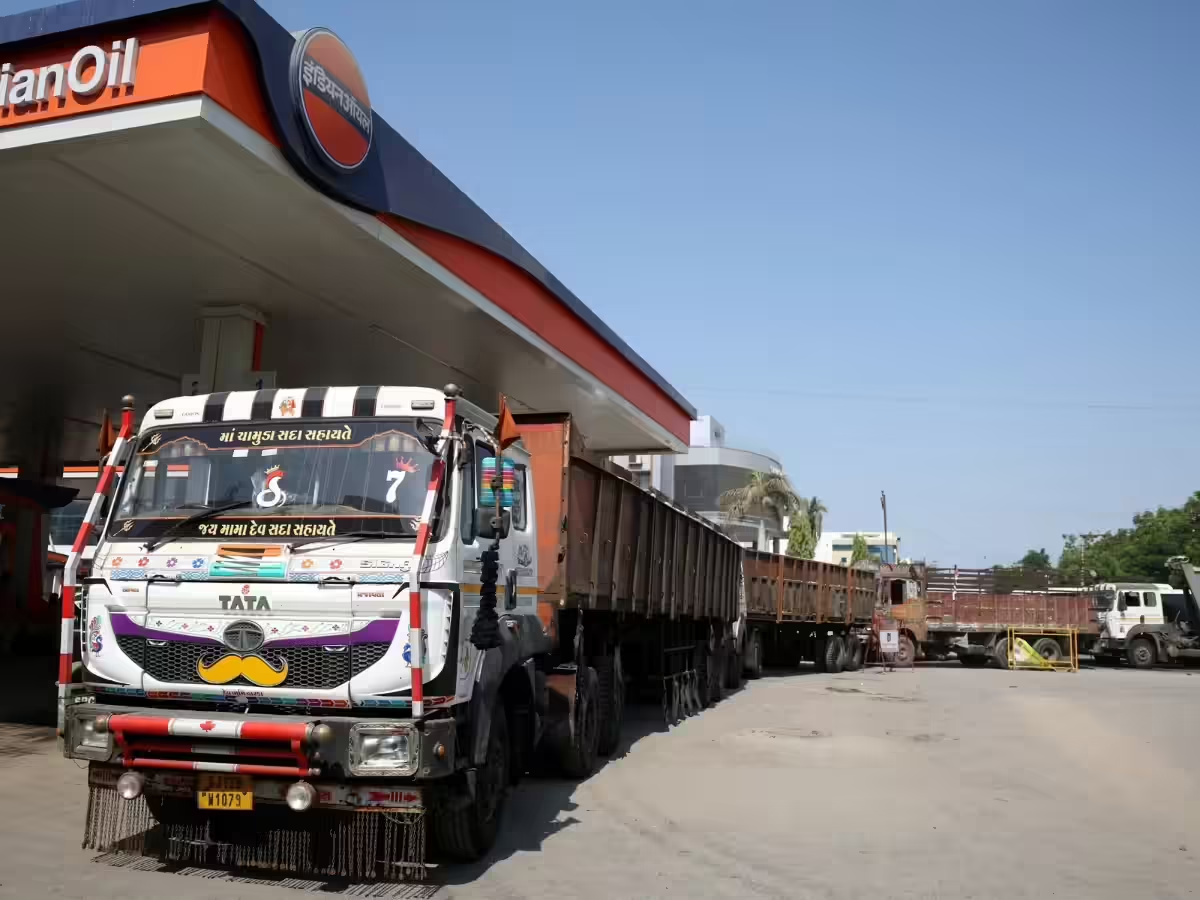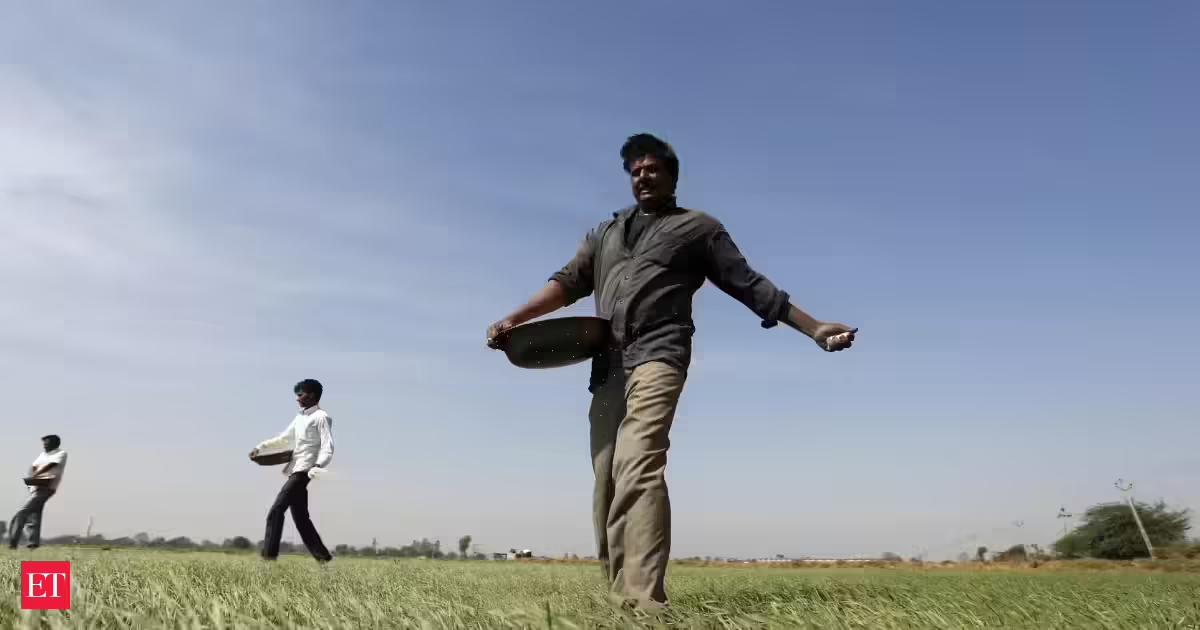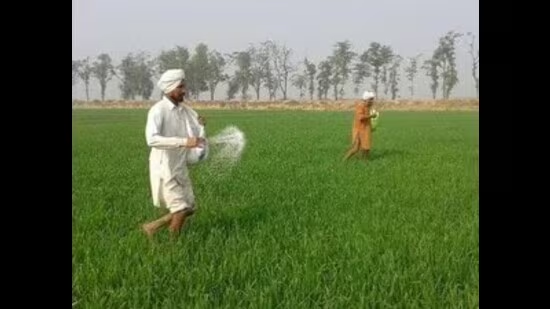
The West Asia turmoil has delivered a sobering reminder of India’s vulnerability to global energy shocks. When crude prices spiked close to $120 a barrel amid disruptions near the Strait of Hormuz, the ripple effects were felt across the economy, stoking inflation and straining the current account. The government responded with commendable agility, rolling out fresh incentives for electric vehicles, battery manufacturing, and renewable energy. Now that the Hormuz blockade has eased and oil prices have moderated below $80, a critical question arises: Will we treat this as a passing inconvenience, or seize it as a catalyst for structural reform?Food security cannot be compromised, yet continuing down the path of fertiliser import dependence is neither fiscally sustainable nor strategically prudent. (Representational photo)In these volatile, uncertain, complex, and ambiguous (VUCA) times, India must apply that same urgency to another critical area: Imported fertilisers.For years, India has imported a significant share of its urea and diammonium phosphate (DAP) requirements, much of it from West Asian countries. This reliance drains foreign exchange and exposes the nation to geopolitical risks and price volatility. The massive fertiliser subsidy burden, which frequently overshoots budgetary allocations, strains public finances while trying to safeguard the interests of farmers, who constitute nearly half the country’s population. Food security cannot be compromised, yet continuing down the path of heavy import dependence is neither fiscally sustainable nor strategically prudent.Reviving soil, traditionThe time has come to promote a more balanced and self-reliant approach to nutrient management. Some practices that are already known but under-utilised such as, green manuring, gypsum application, in-situ crop residue management and village-level biochar production, can meaningfully reduce the use of petroleum-based imported fertilisers without hurting crop yields. This is not a new idea but a return to the wisdom of our traditional Indian farming practices, rooted in our culture and scriptures.Green manuring, particularly with fast-growing legumes like Sesbania (dhaincha) before paddy transplantation, offers an exceptional natural source of nitrogen. In rice-wheat systems of Punjab and Haryana, it can help reduce chemical nitrogen application by 25-50% over time while improving soil organic matter and microbial health. Agriculture universities must provide precise, region-specific recommendations on the ideal quantity and timing so that farmers can adopt it with confidence.Gypsum holds special promise in the alkaline and sodic soils common in northwest India. By supplying calcium and sulphur, it corrects soil imbalances, enhances phosphorus availability and allows a reduction in DAP usage. When combined with organic practices, its benefits multiply.Integrated farm cycleEqually important is in-situ management of crop residues. Burning paddy stubble remains a serious environmental hazard, while transporting bales to distant power plants or diverting wheat straw for paper-making and biomass plants should not be allowed. Good quality wheat straw must primarily be reserved as fodder for our dairy animals. Cows are central to the Indian agricultural ecosystem, as emphasised in our ancient traditions. They not only provide milk but also generate dung that is converted into rich farm yard manure, a time-tested, balanced organic fertiliser. This aligns with the holistic view in our scriptures and Vedic practices, where the cow is revered as a symbol of sustenance, and the farm is viewed as an integrated cycle binding soil, crop, animal and human.Incorporating paddy residues back into the soil, with the help of decomposer microbes, recycles essential N, P, and K nutrients, gradually substituting a significant portion of chemical alternatives. This practice also builds long-term soil fertility and sequesters carbon.Biochar produced at the farm or village level from crop residues is another powerful tool. It improves water retention, nutrient-holding capacity and soil biology. Simple, low-cost kiln methods can be popularised so that farmers convert waste into a valuable soil amendment rather than letting it go up in smoke or be transported away.From lab to fieldTo bridge the gap between laboratory knowledge and field practice, agricultural universities and institutions under the Indian Council of Agricultural Research (ICAR) must step forward with quantified, actionable guidance. Farmers require straightforward answers:How much green manure or residue incorporation can reduce urea and DAP application per hectare in specific cropping systems?What are the optimal integrated nutrient schedules for paddy and wheat in different soil types?Such actionable research, disseminated through on-farm demonstrations, will bridge the gap between knowledge and practice.State agriculture departments play a pivotal role here. Through Krishi Vigyan Kendras (KVKs), extension workers and training programmes, they must intensify knowledge dissemination. Subsidies for gypsum, decomposers and simple biochar units, coupled with awareness campaigns, can accelerate adoption. The focus must shift from merely distributing subsidised fertilisers to empowering farmers with sustainable alternatives.Every natural resource must be harnessed efficiently. Incorporating conservation or minimum tillage, for instance, can cut fossil fuel consumption in farm machinery, mitigate soil erosion, and conserve moisture—vital micro-steps toward macro-efficiency in VUCA times.Parallel pushJust as the government is rightly incentivising flexi-fuels for automobiles, a parallel, aggressive push is required in agriculture. We need robust incentives for organic inputs, residue management machinery, and on-farm processing units. The goal is not an abrupt, disruptive elimination of chemical fertilisers, but the institutionalisation of Integrated Nutrient Management (INM). This approach optimises chemical use while progressively substituting 25-50% through natural means as demonstrated in long-term trials and rooted in our ancestral wisdom.The Hormuz crisis exposed the structural risks of external dependency; we must not squander this wake-up call. By equipping farmers to embrace green manuring, gypsum, residue recycling, and biochar, we can fortify food security, alleviate the subsidy burden, restore soil health, and build a resilient agrarian economy.In a volatile world, every crisis must be converted into an opportunity. Punjab and Haryana, which have led India’s Green Revolution, now have the chance to lead the next one—a sustainable, self-reliant revolution inspired by our traditional practices. The farmers are ready; our institutions must show the way. letterschd@hindustantimes.comThe writer is an agri entrepreneur, environmental activist and petitioner in key water rights cases in Punjab and Rajasthan. Views expressed are personal.
Guest Column| Hormuz wake-up call: Don’t miss opportunity to cut fertiliser imports
The easing of the West Asian energy crisis offers a critical window to tackle our next great vulnerability, chemical import dependence, by reviving sustainable, indigenous soil management.
TL;DRAI
India imports over 50% of fertilizers (urea, DAP) from Middle East; subsidies regularly exceed budget, straining fiscal resources. The Hormuz crisis exposes this geopolitical vulnerability; shift to green manuring and biochar indicates structural economic pressure reshaping India's agricultural and investment landscape.
977 words~4 min read