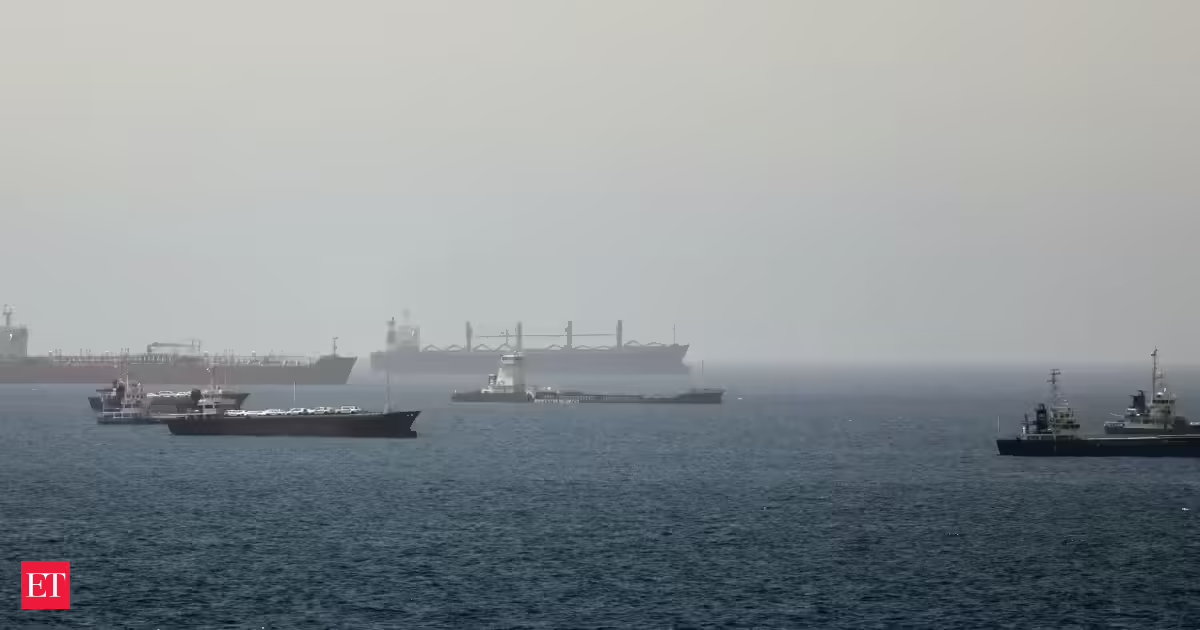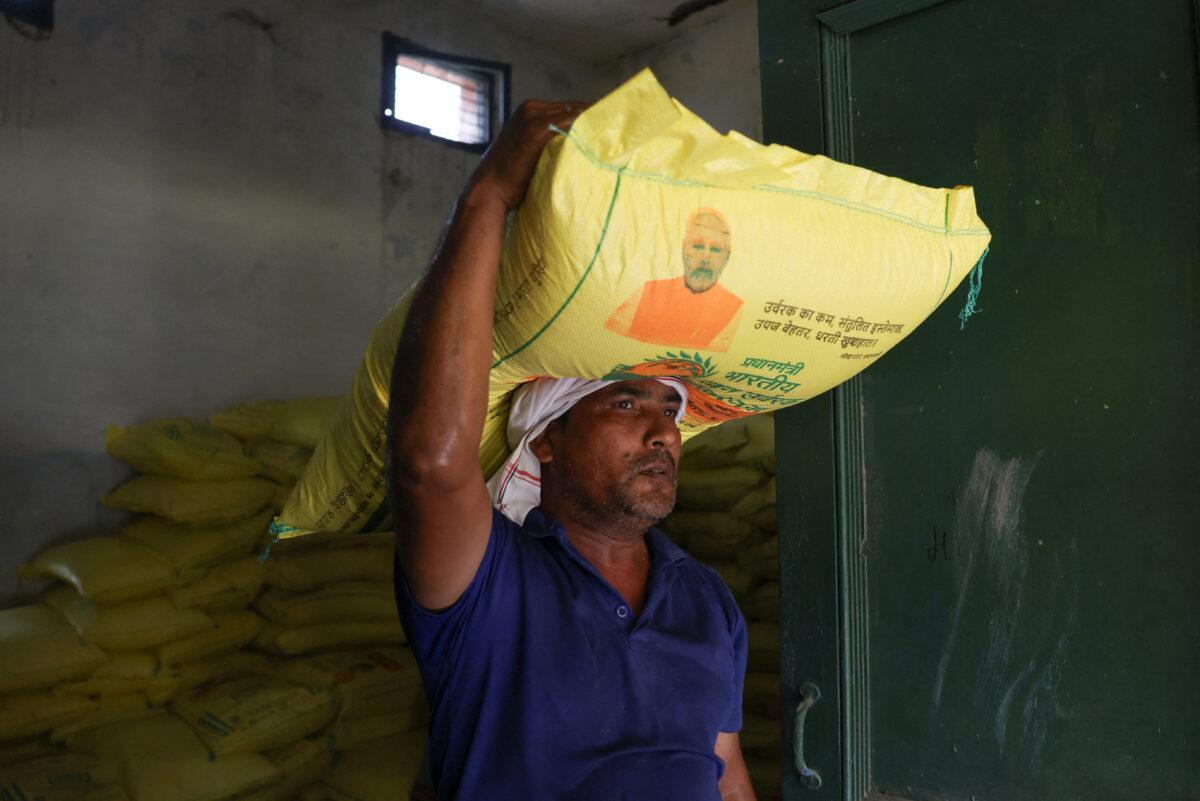
The war in the Middle East and Iran’s blockade of the Strait of Hormuz have adversely affected India’s fertiliser economy, adding considerable hardship to the already stressed agricultural sector. Agricultural growth is projected to slow to 2.4 per cent in the 2025–26 financial year, from an above-average 4.2 per cent growth in the previous year. Disruption in fertiliser supplies could not come at a worse time.
India is the second-largest consumer and third-largest producer of fertilisers, but its position as the second-largest importer is the cause for concern. International fertiliser prices increased by 46 per cent between December 2025 and April 2026. Urea prices more than doubled in those five months. While diammonium phosphate and muriate of potash prices have not hiked as sharply, reports suggest that Indian firms are importing diammonium phosphate at prices 40 per cent above prewar levels.
Though it is among the largest producers of agricultural commodities, India has long depended on fertiliser imports, which have increased during this decade. Except in 2024, India’s share in global fertiliser imports has consistently been around 15 per cent. Over the past five years, imports have been between 31 and 37 per cent of total consumption but this is expected to rise to over 41 per cent in the 2025–26 fiscal year. The rise is largely driven by imports of urea — the most popular fertiliser — which have increased by 65 per cent. The rise in overall fertiliser imports would have been even larger had imports of potassic fertilisers not declined.