By Tsvetana Paraskova - Jun 16, 2026, 12:00 PM CDT
India’s trade deficit narrowed slightly to $28.21 billion in May, but petroleum imports surged to $22.7 billion from $14 billion a year earlier.
Lower crude prices and the reopening of Hormuz could substantially reduce India’s import bill and ease pressure on economic growth, inflation, and the rupee.
Indian refiners have been diversifying supply sources through increased purchases from Russia and interest in crude from Venezuela and Brazil.
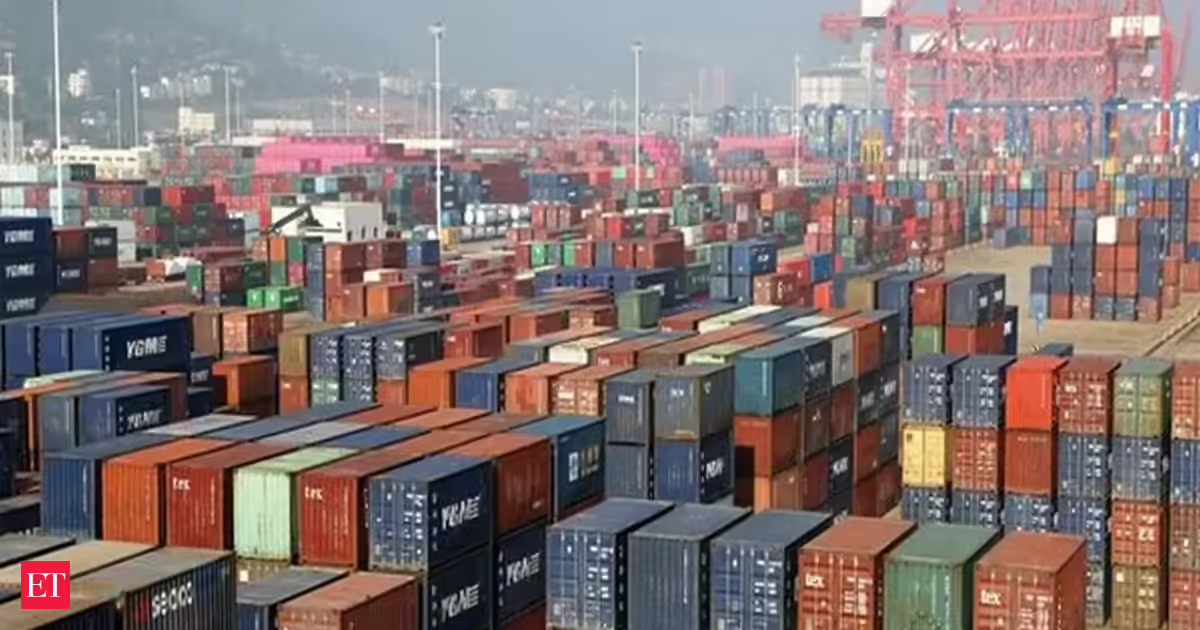
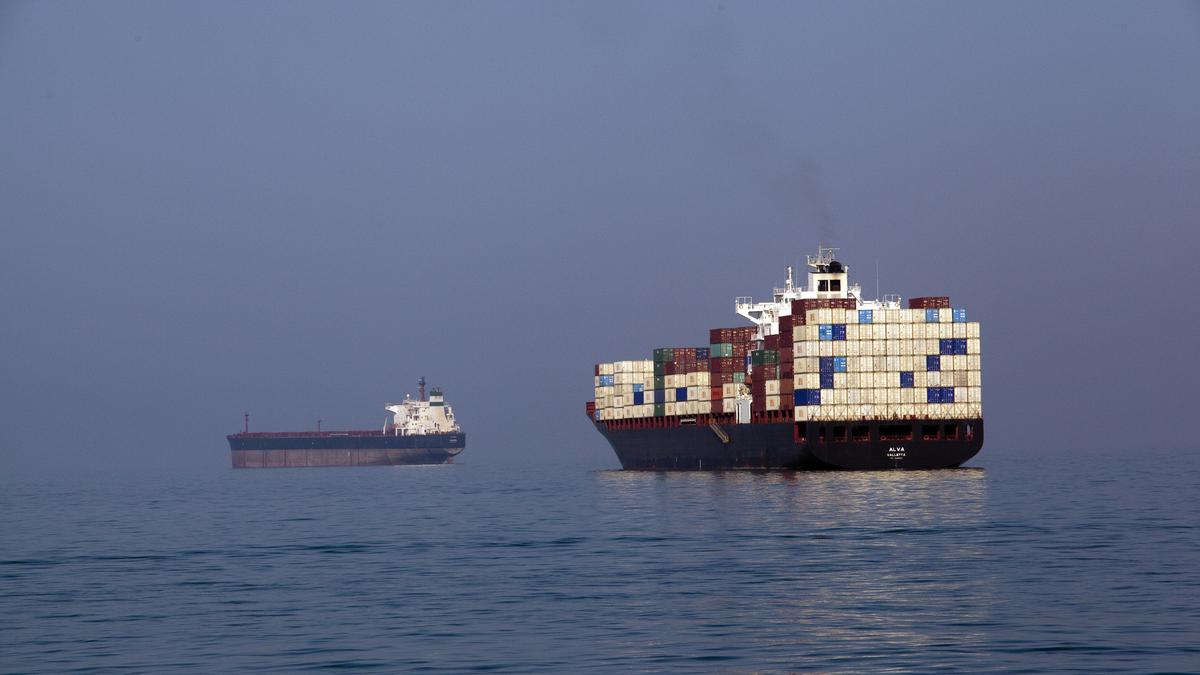
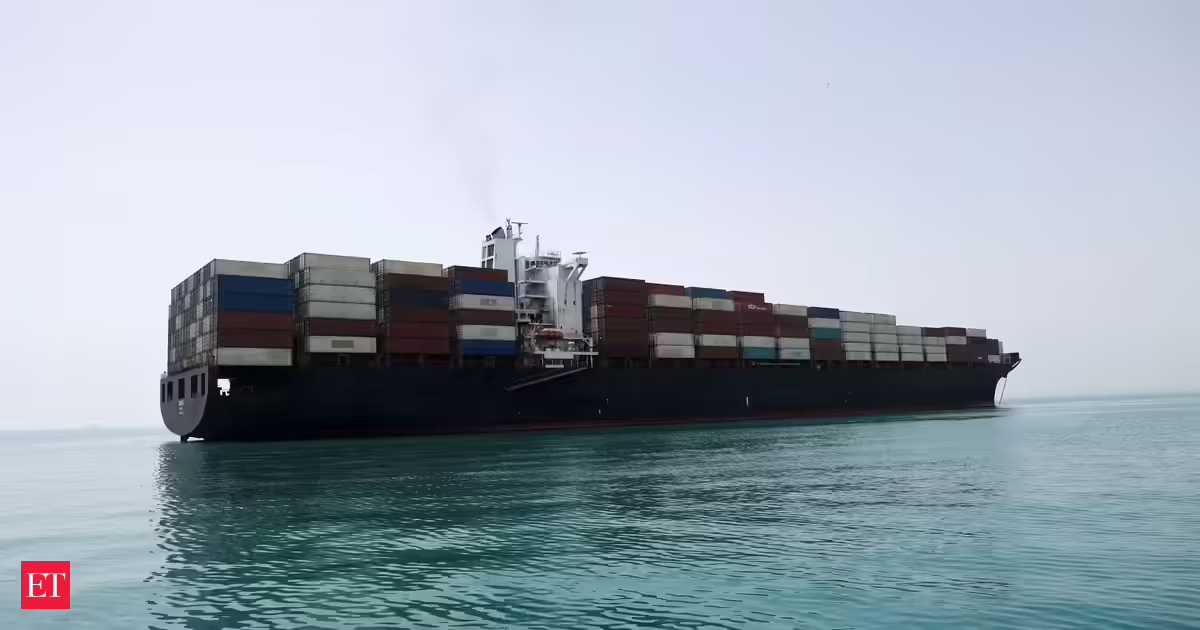
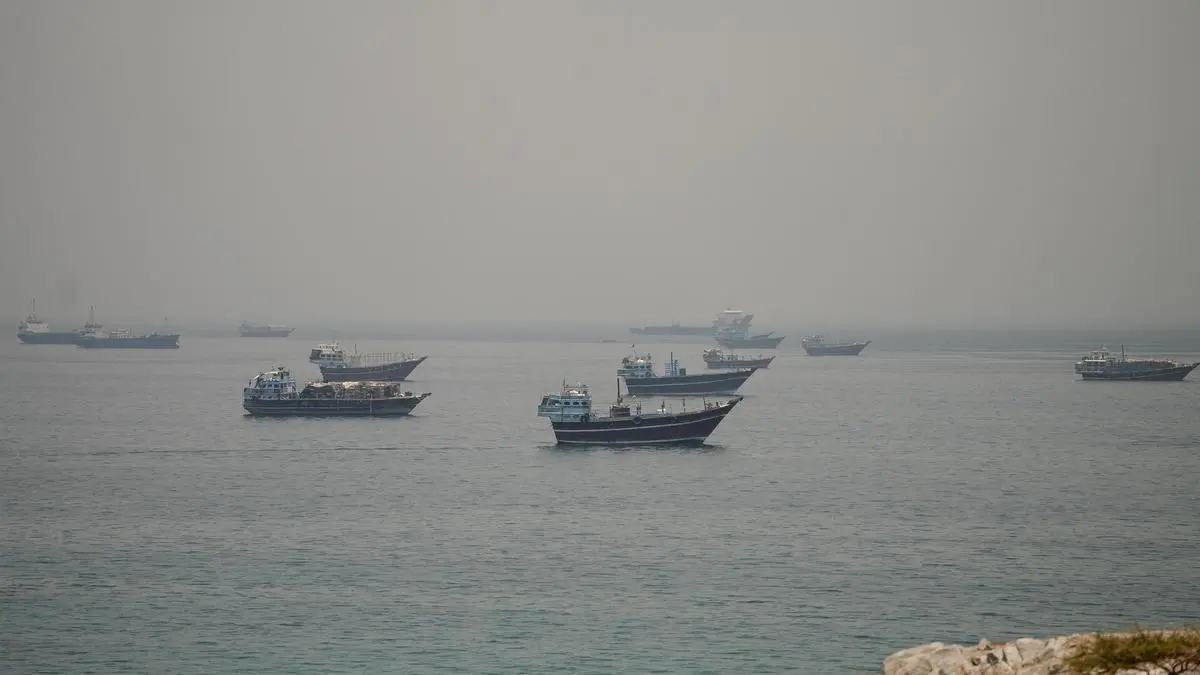
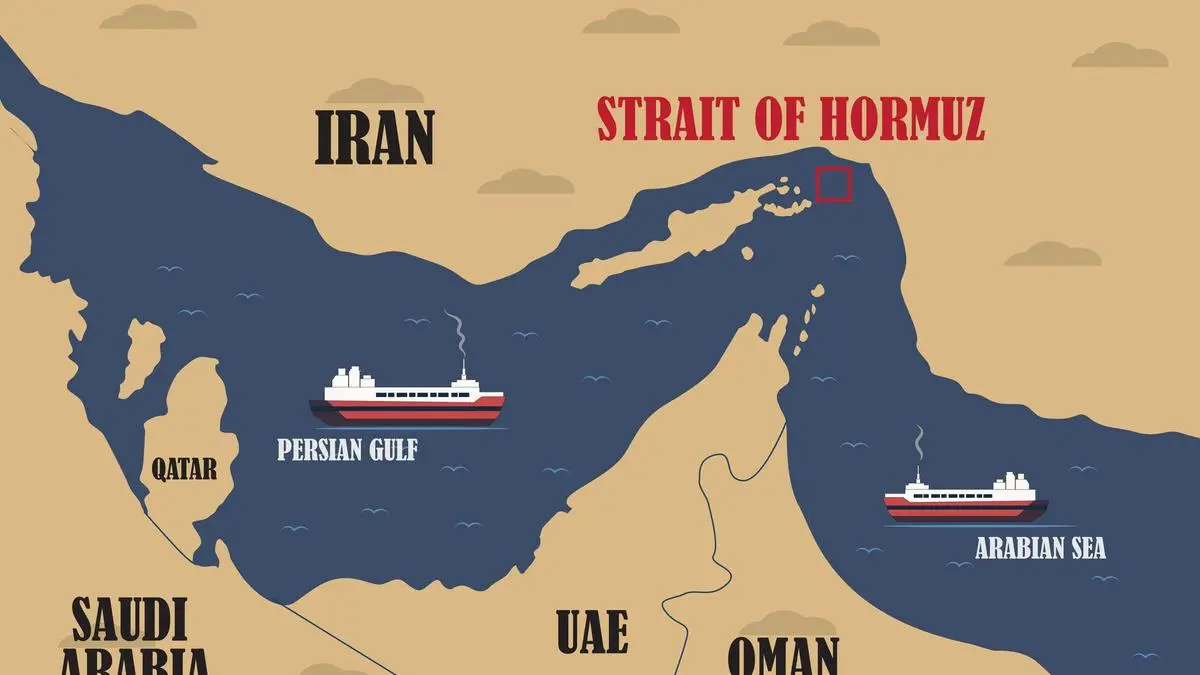
The tentative U.S.-Iran deal and the expected drop in oil prices amid increasing flows from the Middle East are set to help narrow India’s trade deficit, which held at relatively high levels in April and May due to the crude price shock.Higher refined petroleum products helped India’s trade deficit narrow slightly to $28.21 billion in May from $28.38 billion in April, but the crude import bill nearly doubled compared to the same month last year. India’s petroleum imports jumped to $22.7 billion last month, up from $14 billion in the same month of 2025, per a report by Dolat Capital cited by Indian news outlet ANI.Going forward, a reopening of the Strait of Hormuz and softer oil prices would benefit India’s trade balances by slashing its crude import bill.“Softer crude prices amid easing geopolitical tensions in West Asia could lower the oil import bill and help narrow the trade deficit,” Dolat Capital analysts wrote in the report.Due to the U.S.-Iran deal, “many of our problems will go away,” India’s Commerce Secretary Rajesh Agrawal said this week, as carried by Bloomberg.According to Global Trade Research Initiative (GTRI) founder Ajay Srivastava, “The agreement brings immediate economic relief as the conflict has exposed India's dependence on West Asia,” the expert told the Economic Times.India hopes the deal will hold and the Strait of Hormuz will reopen to alleviate the recent pressures on the economy of the world’s third-largest crude oil importer.Through the Middle East crisis, India has been scrambling to contain the economic and financial impact as high oil prices weighed on the Indian currency, economic growth, and public finances.India, which imports more than 85% of the oil it consumes, received about half of all its imports from the Middle East before the war. Now, state-owned and private refiners are looking to diversify imports, including by taking in record volumes of Russian oil, and turning to Venezuela and Brazil for additional crude to offset the lost Middle Eastern supply.By Tsvetana Paraskova for Oilprice.comMore Top Reads From Oilprice.comConocoPhillips Set to Become First U.S. Major to Sign Post-War Syria Gas DealOil Prices Plunge as U.S. and Iran Reach Deal to Reopen Strait of HormuzRussian Governors Rush to Deny Fuel Crisis as Rationing Spreads