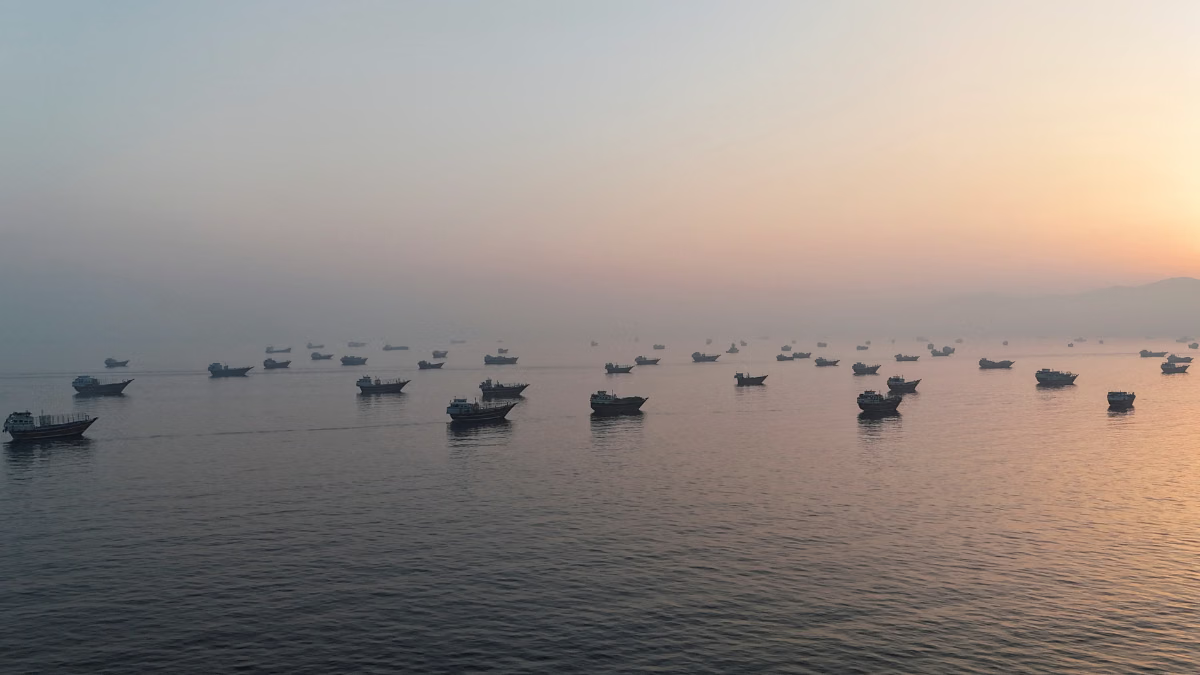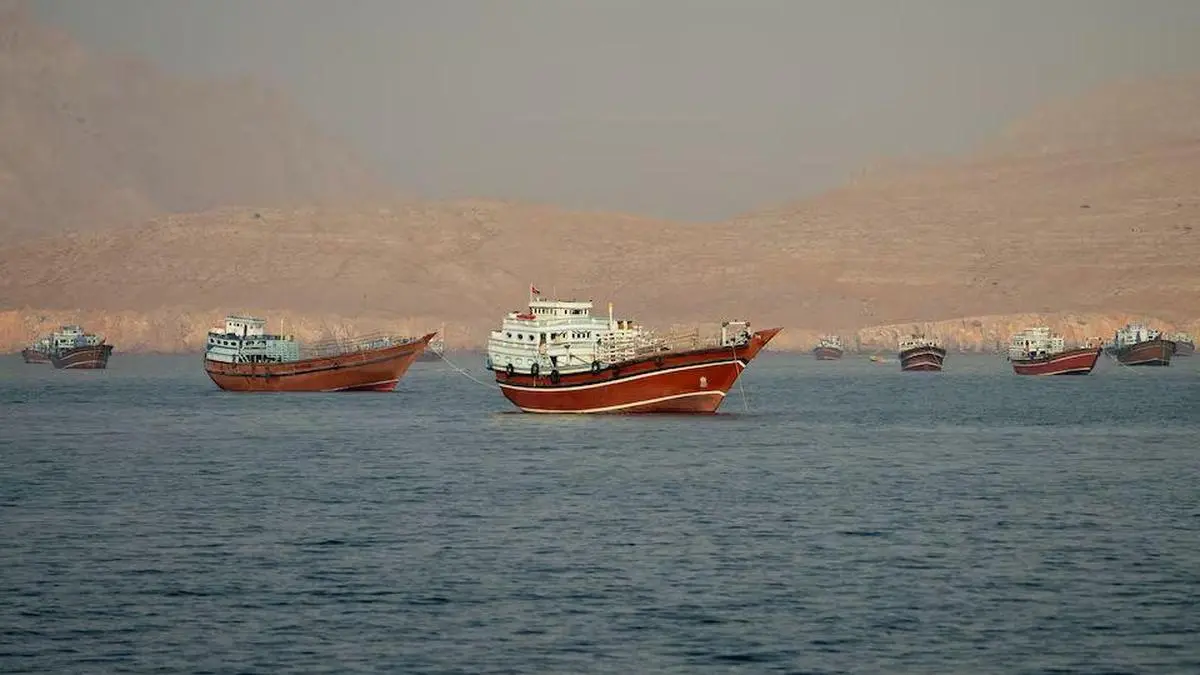
New Delhi: The government is likely to review and gradually roll back emergency energy-security measures introduced in response to heightened tensions in West Asia once the global situation stabilises, a government official said on Thursday.The precautionary measures, which include enhanced monitoring of LPG supplies, reprioritisation of domestic natural gas allocations and tighter controls to prevent fuel hoarding, were introduced to safeguard domestic energy availability amid concerns over potential disruptions to global oil and gas supply chains.The US and Iran released the text of an interim agreement their presidents have signed to end their 111-day war. The pact could potentially reopen or normalise shipping through the Strait of Hormuz, providing significant relief for India, one of the world's largest crude importers."We have been reviewing the evolving situation. The measures which we took will be reviewed and eased once we get the confidence that situation globally has normalised," the official said.The emergency measures were preventive in nature and intended to ensure uninterrupted supplies of essential fuels during a period of heightened geopolitical uncertainty. "As the international situation normalises and supply risks recede, the government will review these restrictions and consider their phased withdrawal."The narrow waterway between Iran and Oman handles roughly a fifth of global oil consumption and serves as the primary export route for major Gulf producers, including Saudi Arabia, Iraq, Kuwait, the United Arab Emirates and Qatar - all key energy suppliers to India.Supply of crude oil - the raw material for making fuels like petrol and diesel - and natural gas - the feedstock used to generate electricity, produce fertiliser, turned into CNG to run automobiles and piped to household kitchens for cooking - through the Strait was disrupted since the start of the Iran war in end-February. This triggered sharp increases in crude oil prices, shipping insurance premiums and freight rates.Sources said the reopening and reduction in tensions would likely help stabilize global energy markets and improve the outlook for energy-importing nations such as India.India, the world's third-largest oil importer and consumer, had rolled out a series of contingency measures to safeguard domestic fuel supplies following the escalation of hostilities in West Asia, a region that accounts for a substantial share of the country's crude oil and LPG imports.The government invoked the LPG (Supply and Distribution Regulation) Order, empowering authorities to closely monitor inventories, prevent diversion of domestic cylinders and crack down on hoarding or black-market sales. State governments and oil marketing companies were directed to maintain heightened surveillance over LPG distribution networks and ensure uninterrupted supplies to households and essential services.Refiners were asked to maximise LPG production by diverting streams previously used for petrochemical production. Usage at the consumer end was also sought to be regulated by increasing the period of refill booking as well as cutting supplies to commercial users such as hotels and restaurants.In parallel, the Ministry of Petroleum and Natural Gas initiated a reprioritisation framework for domestic natural gas supplies, placing city gas distribution networks serving households and transport, as well as the fertiliser sector, ahead of less critical industrial consumers in the event of supply disruptions. Public-sector fuel retailers were also instructed to strengthen inventory management and discourage panic buying.Measures included enforcing minimum intervals between LPG cylinder bookings to prevent stockpiling, restricting unusually large purchases of petrol and diesel by non-contract customers, and monitoring retail outlets for abnormal demand patterns.The official said the steps were designed as precautionary safeguards to preserve strategic fuel stocks, maintain market stability and ensure that essential consumers continue to receive uninterrupted energy supplies should geopolitical tensions affect global energy trade flows.Oil prices have, over the past couple of days, fallen to a three-month low, but retail petrol and diesel prices are still lower than their international benchmarks, the official said.Global oil prices had risen to as high as USD 119 per barrel at the peak of war-related disruption, from USD 70-72 a barrel in February. This increased the cost of producing petrol and diesel, but the government held on to the retail rate revision till mid-May. The government on March 27 slashed excise duty on petrol and diesel by Rs 10 per litre each in a bid to avoid a retail price increase just when five critical states, including West Bengal, went to polls.Post assembly elections, retail petrol and diesel prices were raised by about Rs 7.50 per litre each, while CNG rates were up by Rs 6 per kg. LPG prices too were increased by Rs 89 per 14.2-kg cylinder - used in households for cooking - in two instalments.Notwithstanding the price increase, state-owned oil companies continue to lose about Rs 550 crore per day as retail rates lag cost.International prices were hovering around USD 78 per barrel on Thursday.
Government may lift fuel-supply safeguards once West Asia crisis abates: Official
India plans to ease emergency energy measures as global tensions subside. These steps were taken to ensure fuel availability amid West Asia conflicts. An interim agreement between the US and Iran could normalize shipping through the Strait of Hormuz. This will significantly benefit India, a major energy importer. The government will review and withdraw restrictions as supply risks decrease.
783 words~4 min read