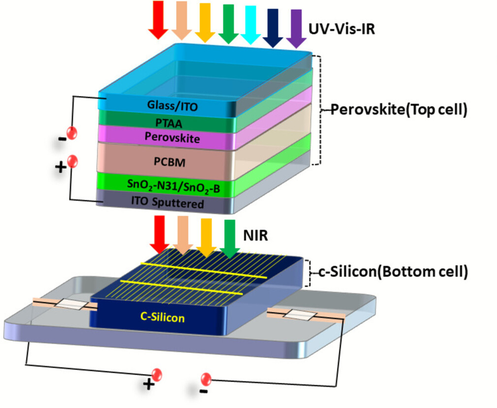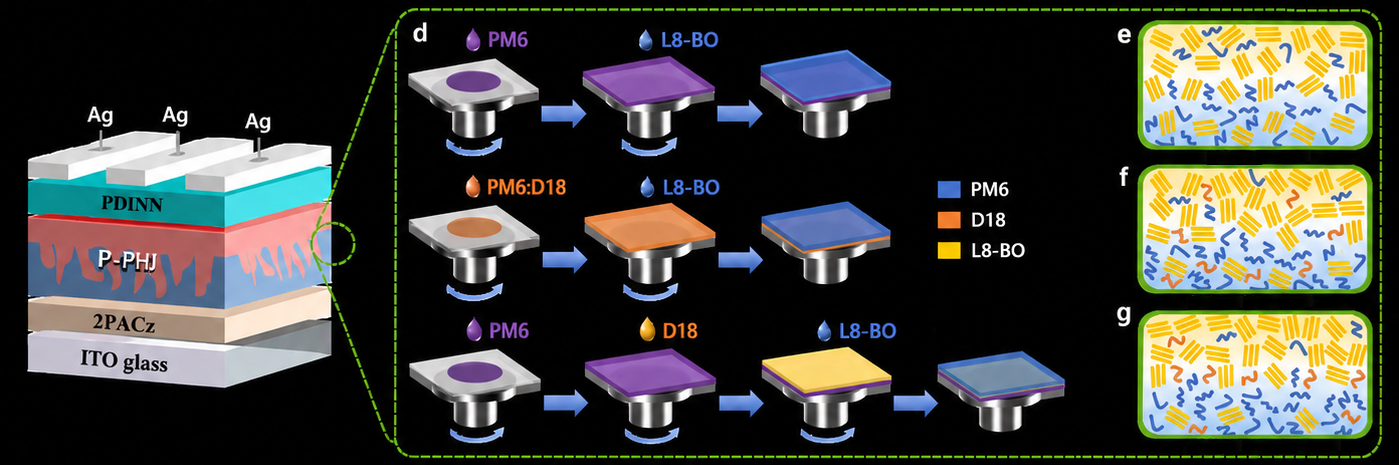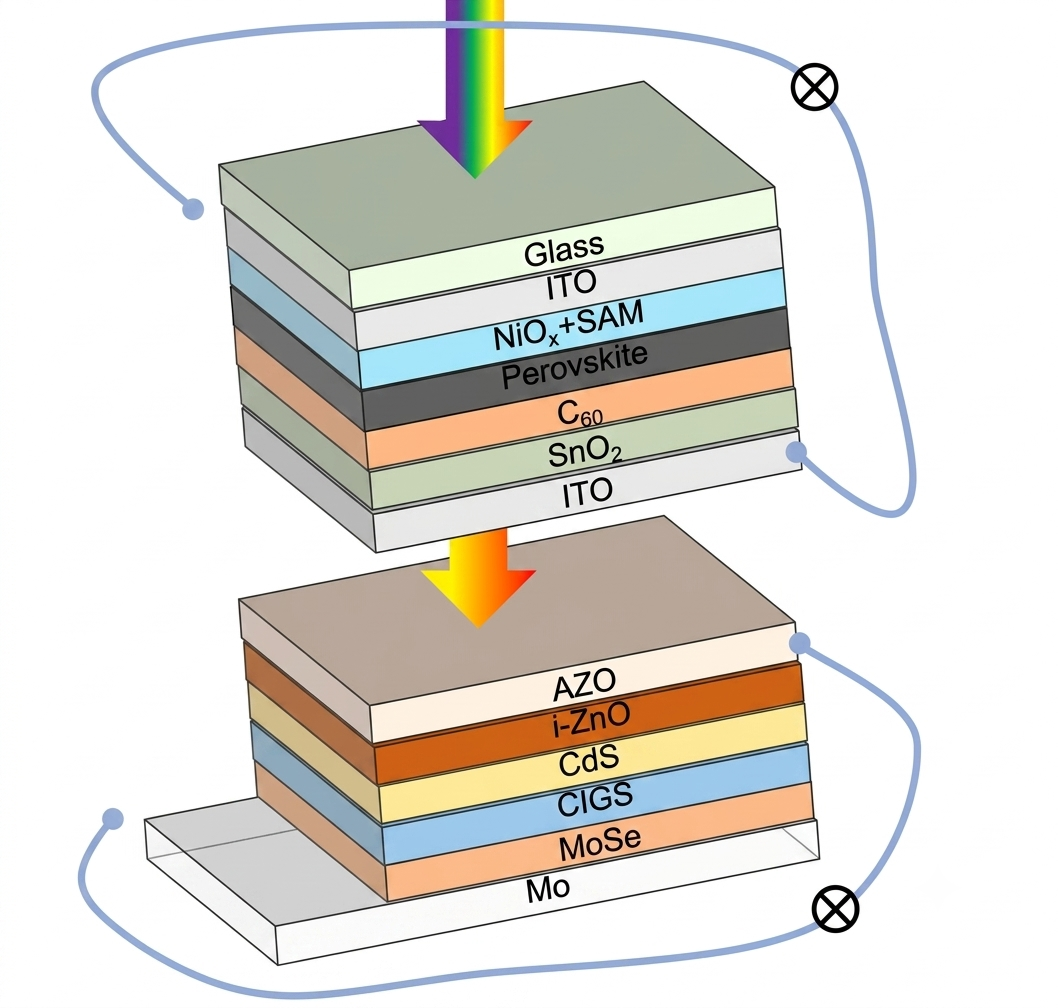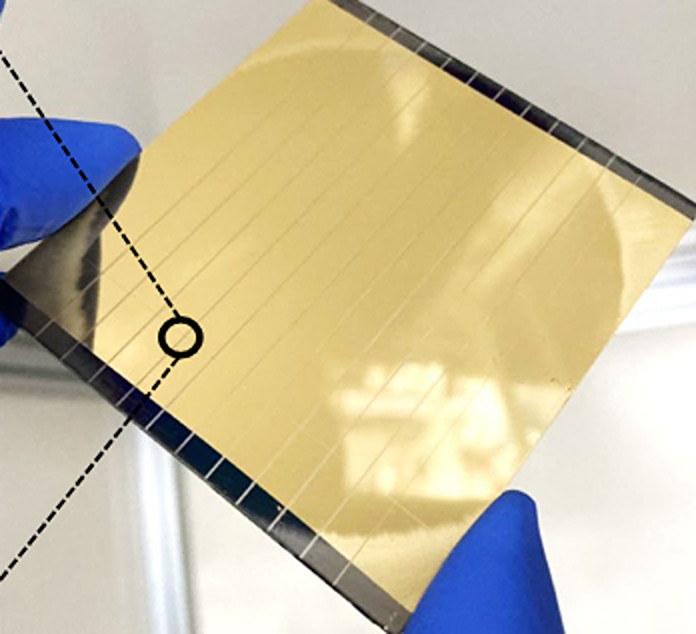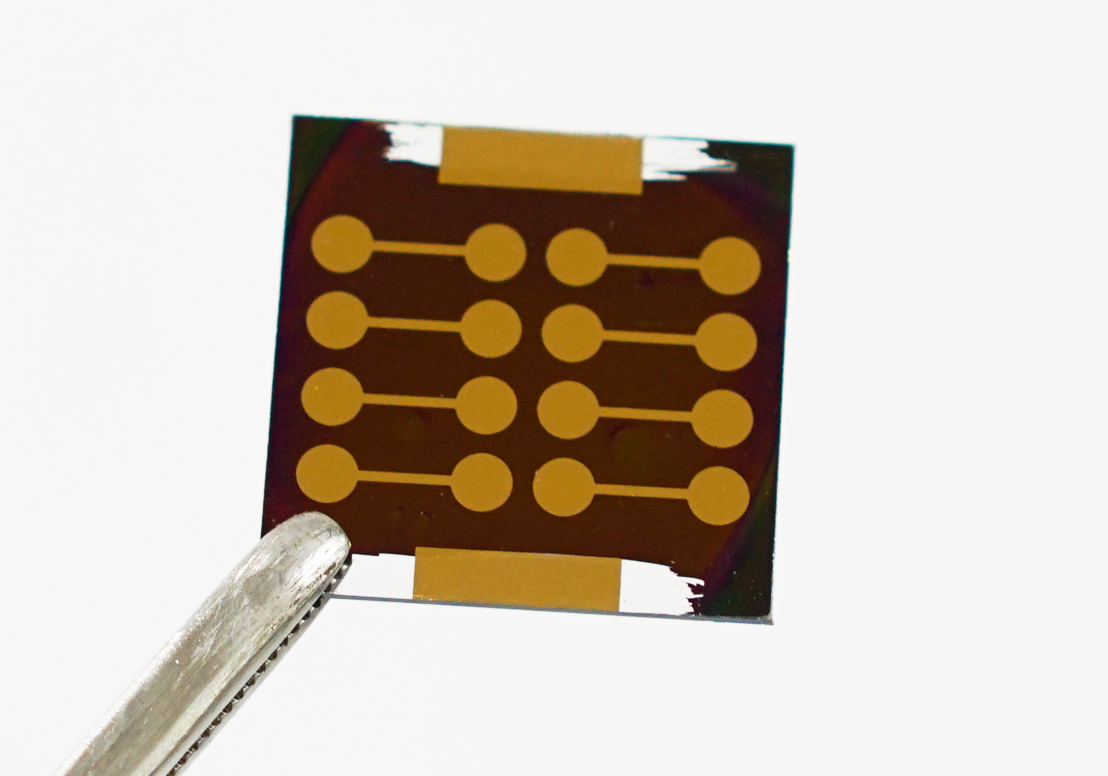
PEDOT:PSS is commonly used as a hole transport layer in perovskite solar cells because it combines high transparency, good conductivity, and suitable energy-level alignment, but its moisture sensitivity and acidity can damage perovskite layers and limit long-term stability. In contrast, replacing it with a phenothiazine-based self-assembled monolayer allows better interfacial control during crystallization, lowers defect densities, and enables highly efficient all-perovskite tandem devices with a reported efficiency of 29.1%.
PEDOT:PSS is a conductive polymer blend widely used as a hole transport and electrode interlayer in solar cells. It is attractive because it is highly transparent, allowing efficient light to reach the active layer, and it has good hole conductivity along with a suitable work function that enables efficient charge extraction at the electrode interface. In addition, it can be processed from solution to form smooth, uniform films, which improves device quality and reproducibility.
However, in tandem solar cells it can become problematic because its acidic and hygroscopic nature can degrade sensitive layers such as perovskites. It can also contribute to interfacial instability and parasitic losses, which ultimately reduce long-term efficiency and operational stability.