Tehran may be losing the export battle but its capacity to hamstring the global economy remains unchecked
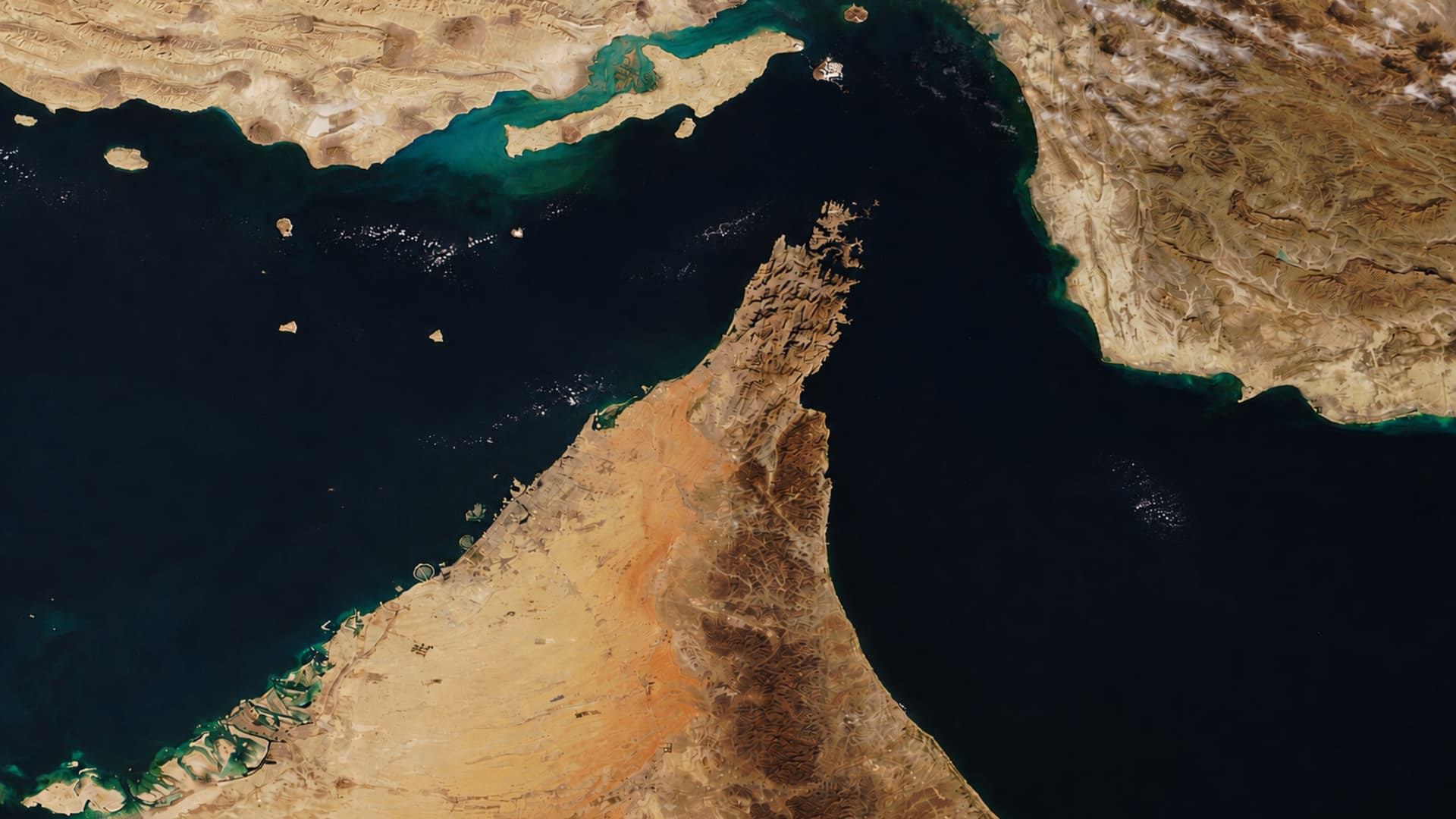
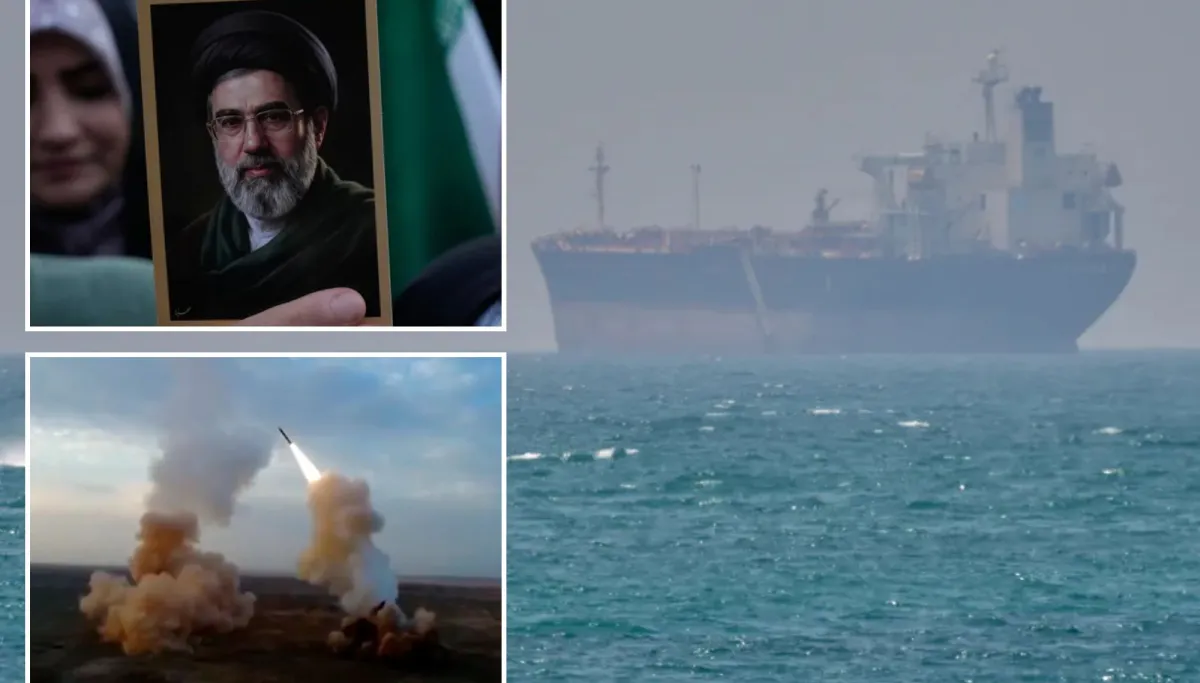
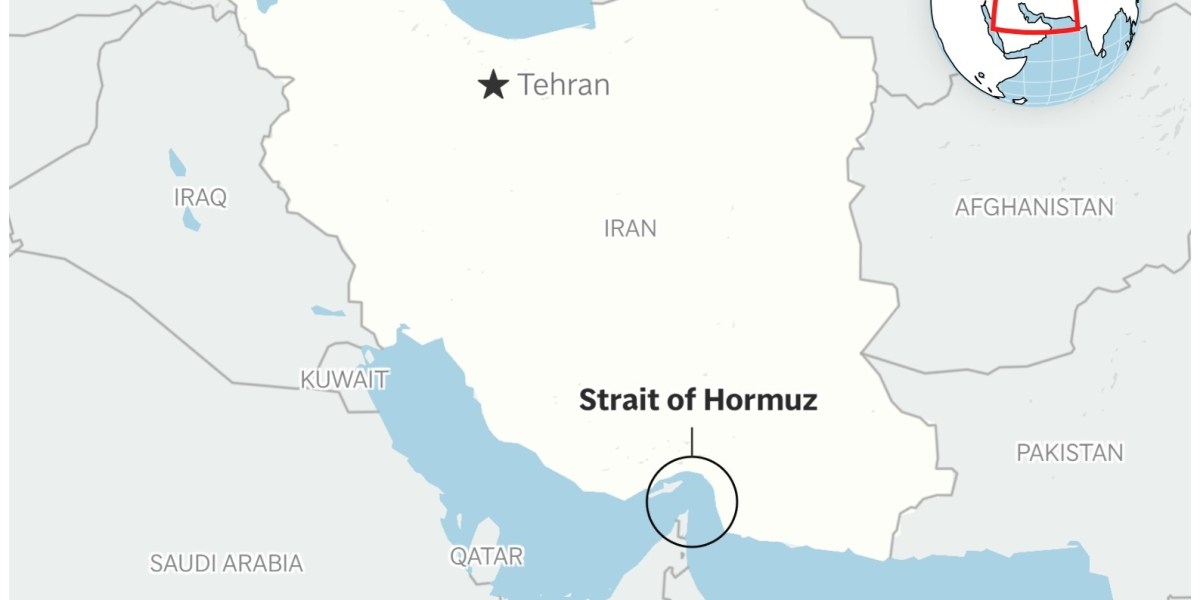
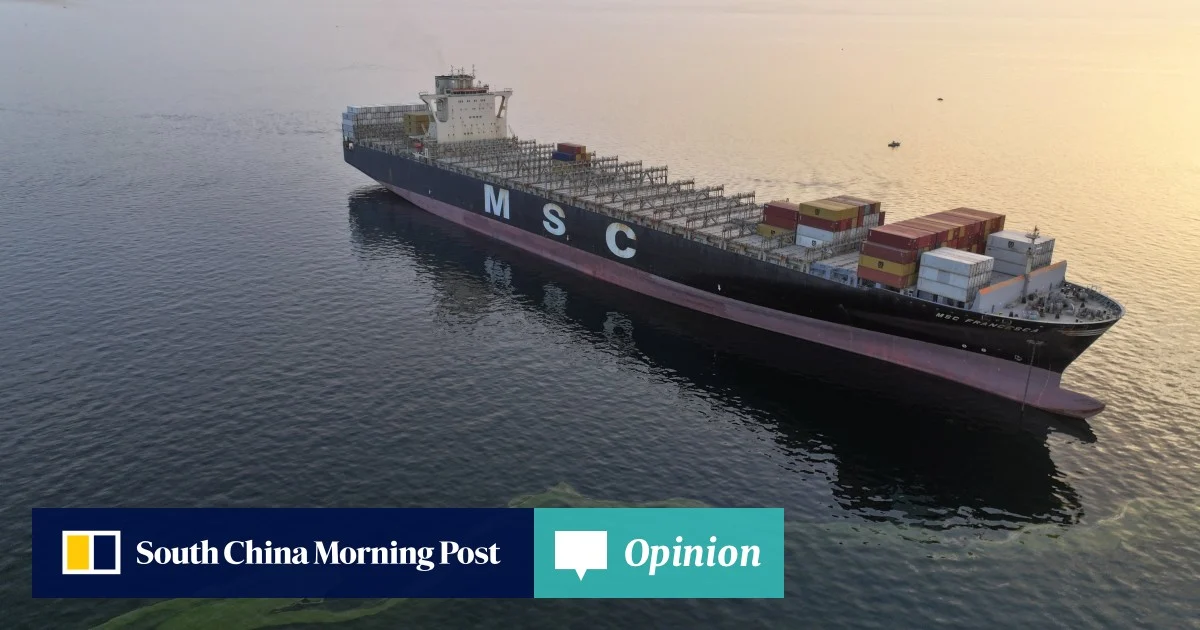
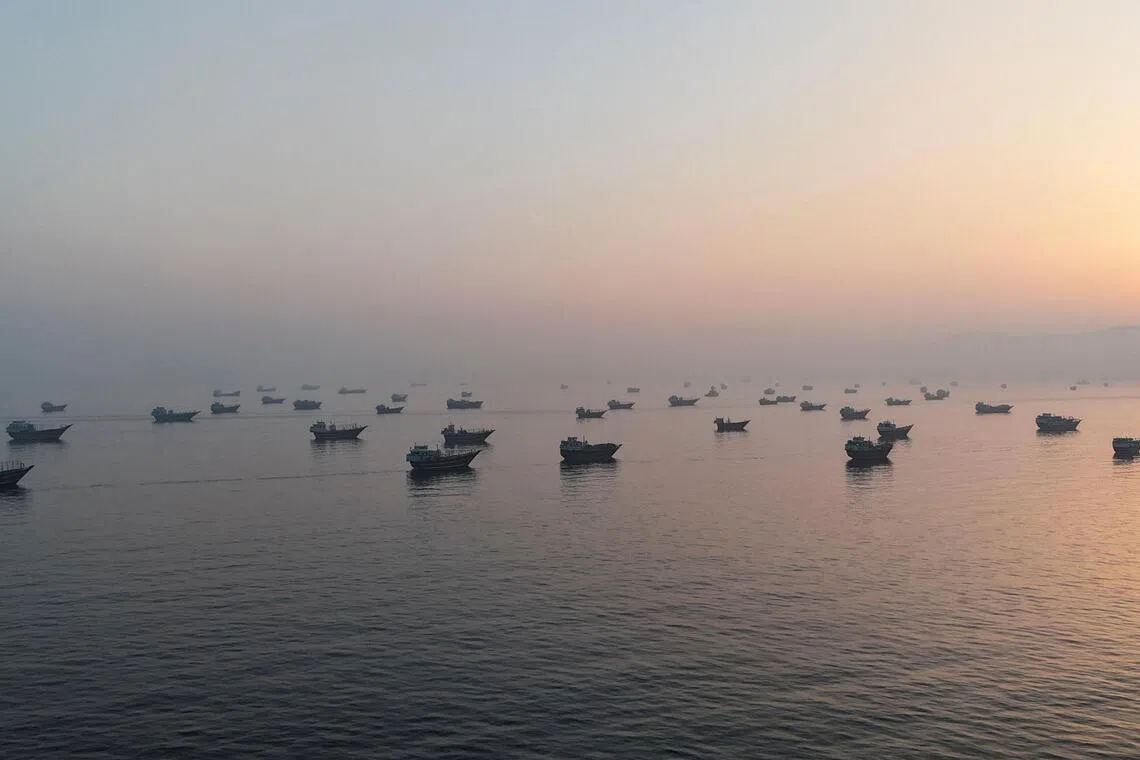
The Strait of Hormuz crisis is offering new lessons about how power works in the 21st century; Europe should take heed. According to Lloyd’s List data from the first days of June, Iranian crude exports have collapsed by 84% in a single month, falling 87% below the average of the previous year. Production has been cut by 800,000 barrels per day and the shadow fleet that Iran spent years assembling is being squeezed out.
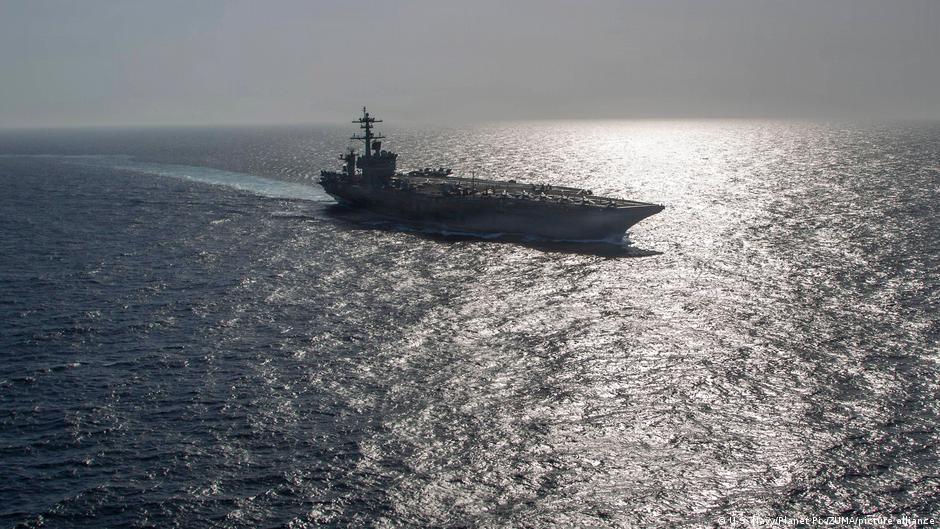
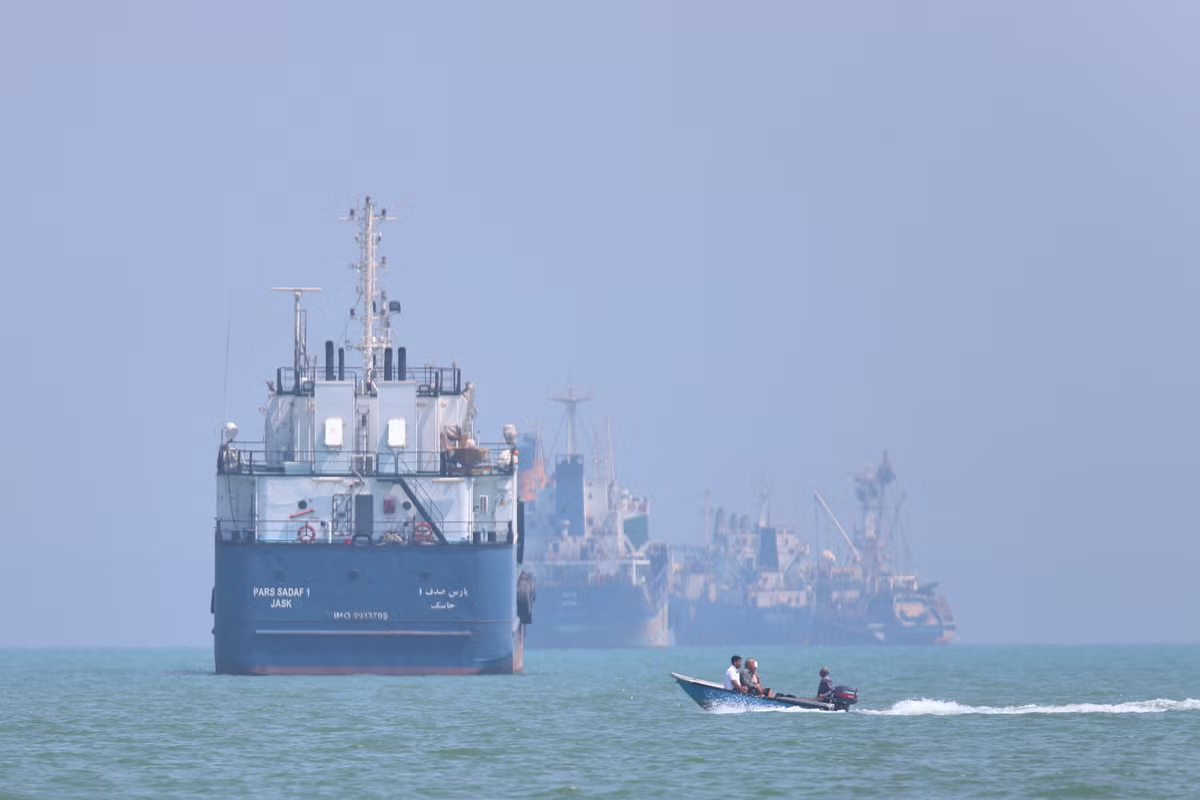
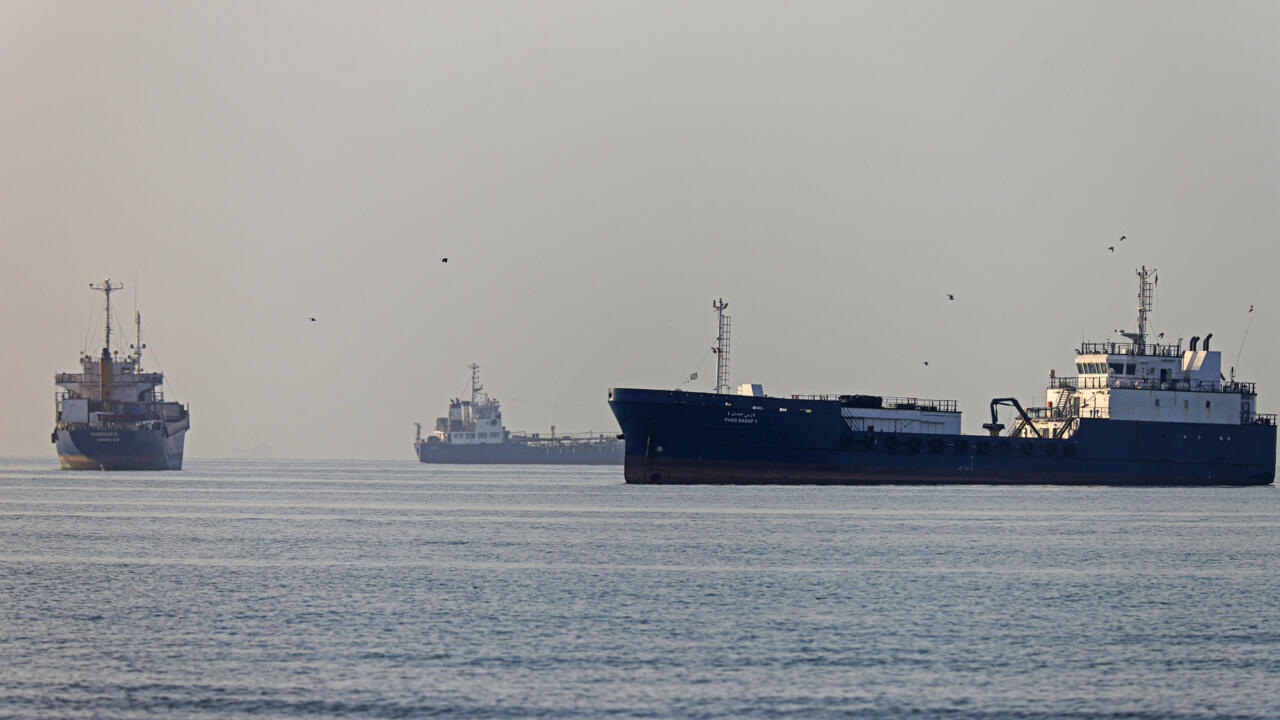
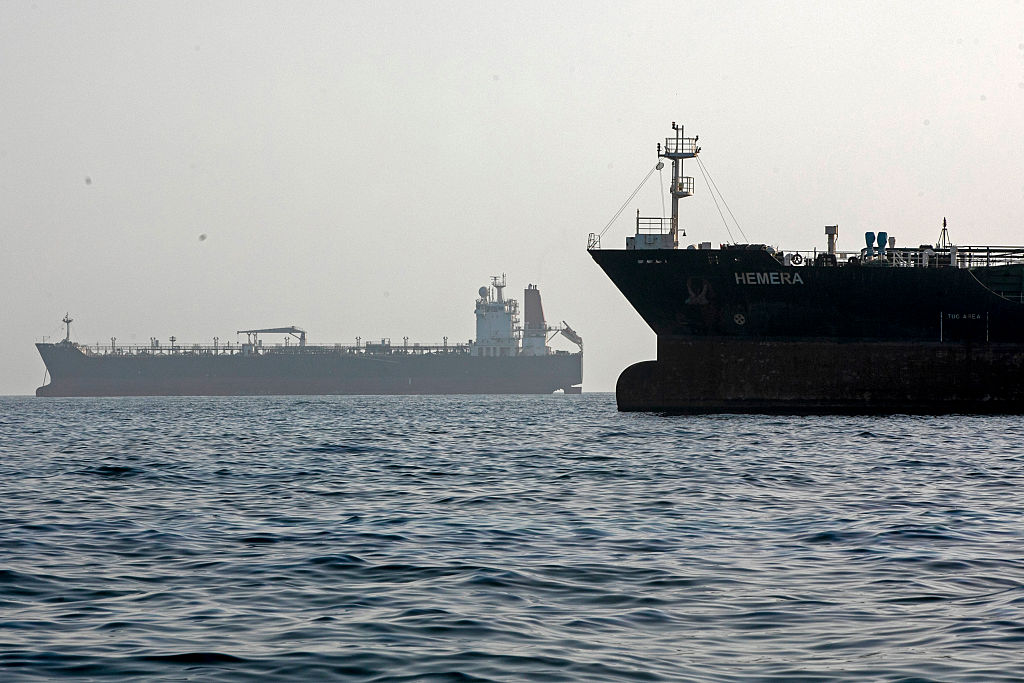
June 2026 data shows how financial pressure, physical interdiction, and chokepoint control combine to produce effects greater than any single instrument could achieve alone. The US has not only been sanctioning Iranian oil but also deployed warships to deter very large crude carrier movements, making the insurance and compliance cost of shadow fleet participation increasingly prohibitive. This has forced Tehran into smaller, slower, more expensive tanker classes that reduce export capacity even when individual shipments do get through.
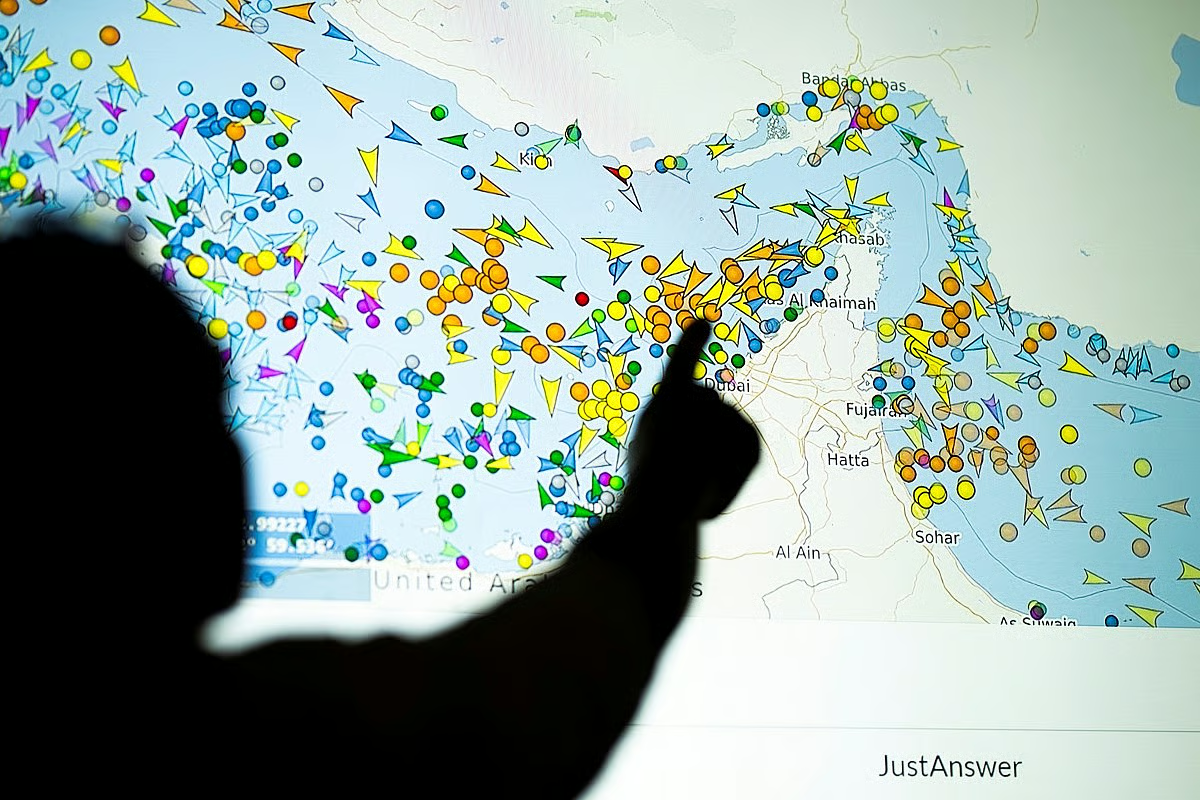
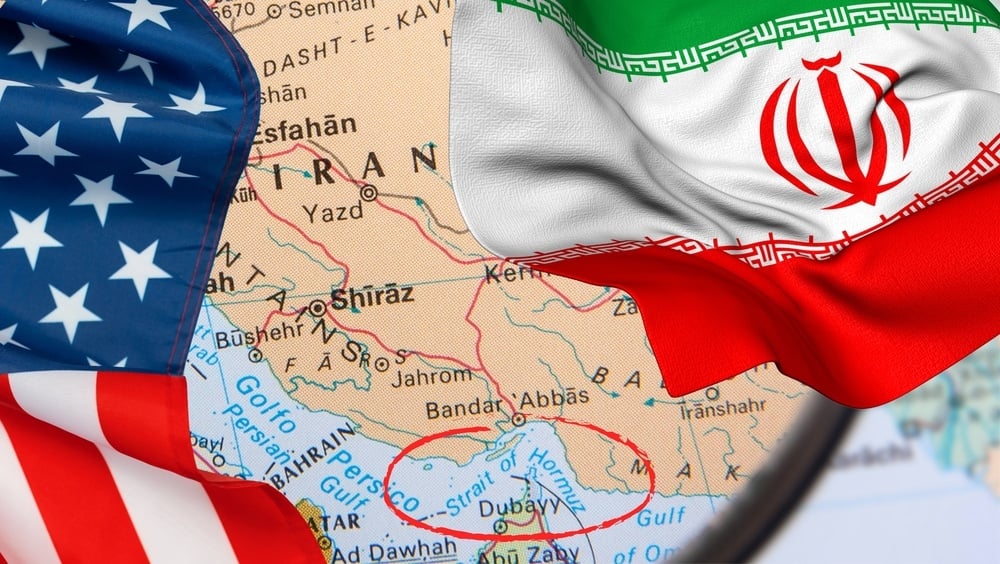
This is the same waterway as the Tanker War of 1984–1988, but the dynamic is more complex than a simple role reversal. During the Iran-Iraq War, the US intervened to protect commercial traffic through the Strait of Hormuz. Today, Washington is selectively suppressing Iranian oil traffic while Iran is simultaneously blocking other vessels, including many commercial crude carriers. It is two actors using one chokepoint as a weapon simultaneously.