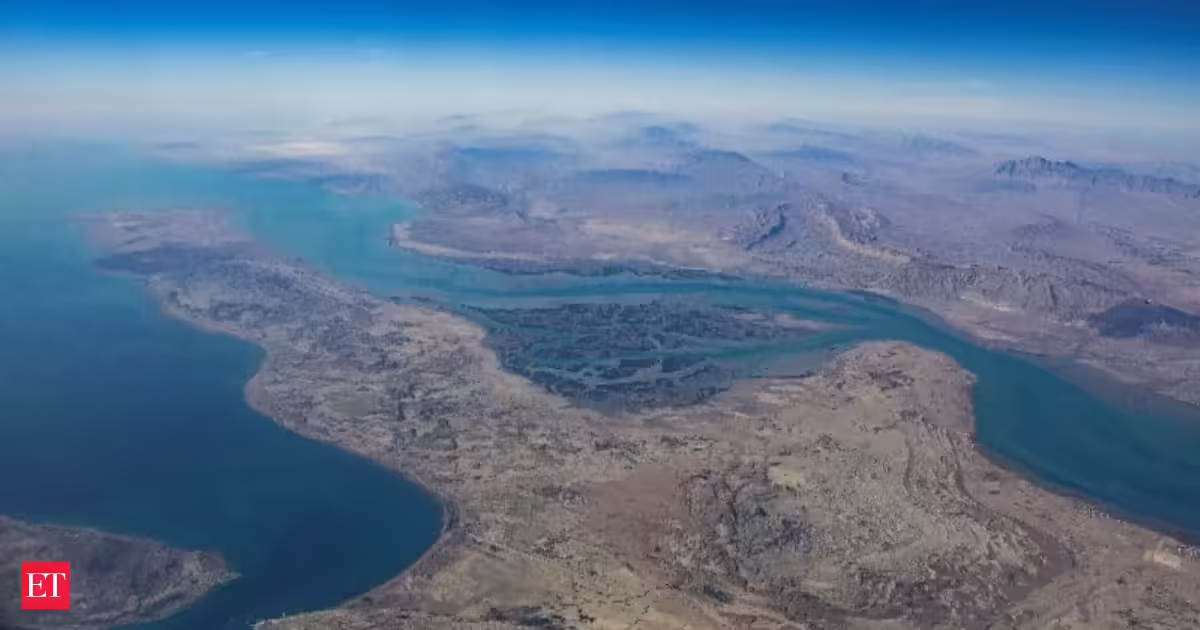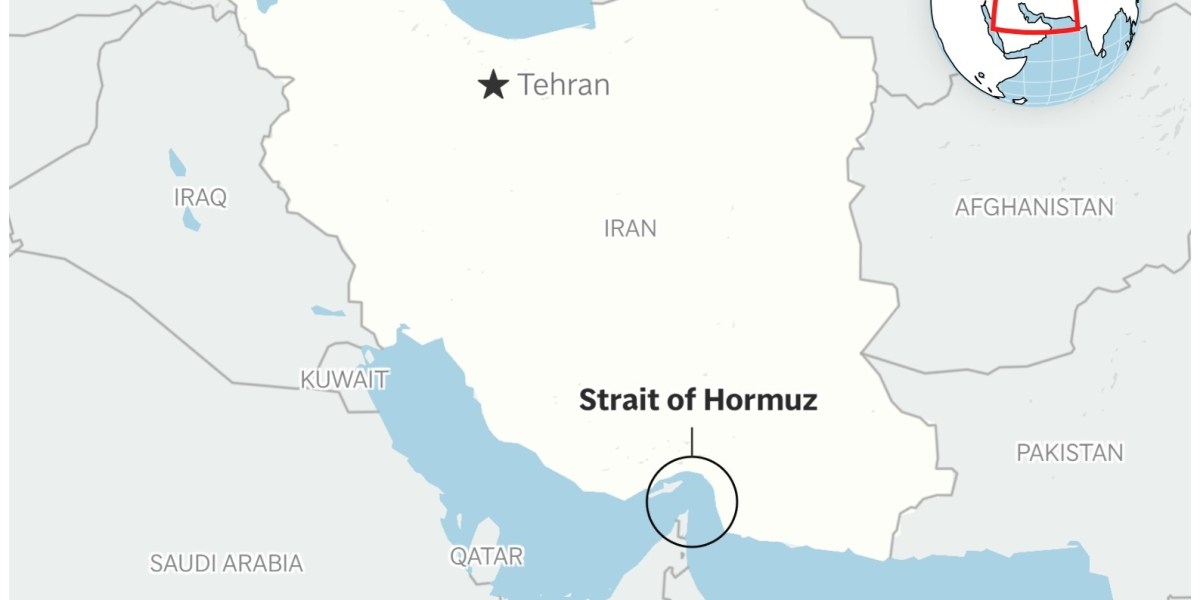
The United States says it has destroyed more than a dozen mine-laying Iranian vessels to prevent any attempt to close the Strait of Hormuz, highlighting the important role the narrow passageway plays in global energy supply.
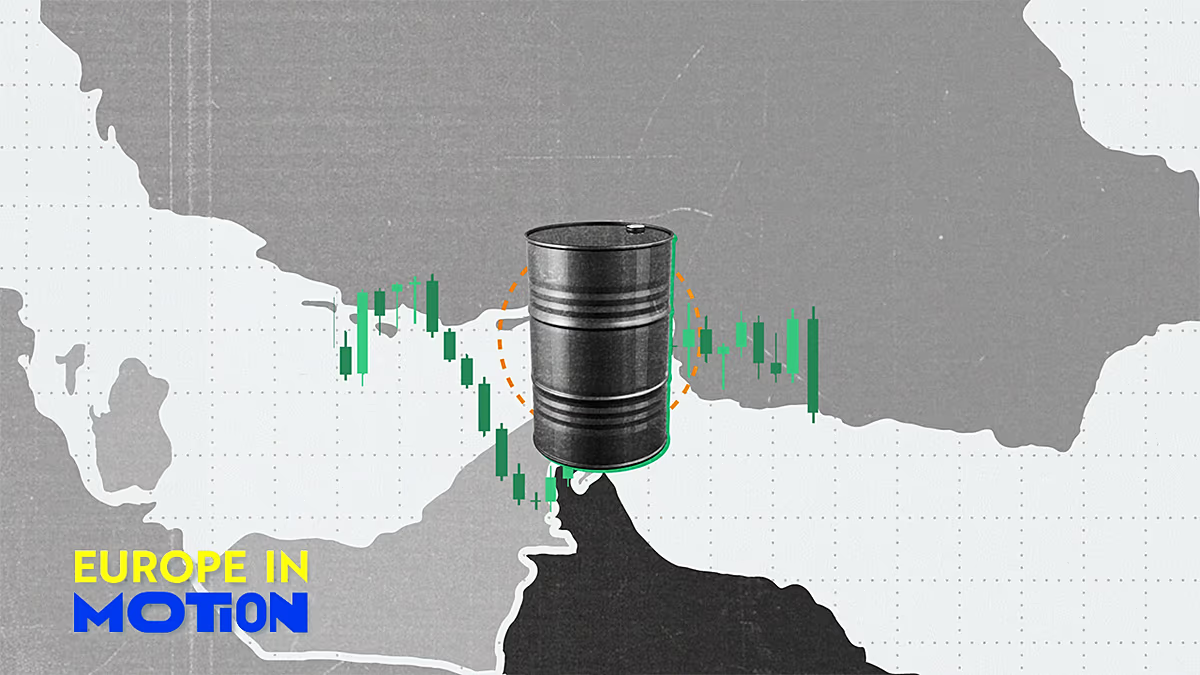
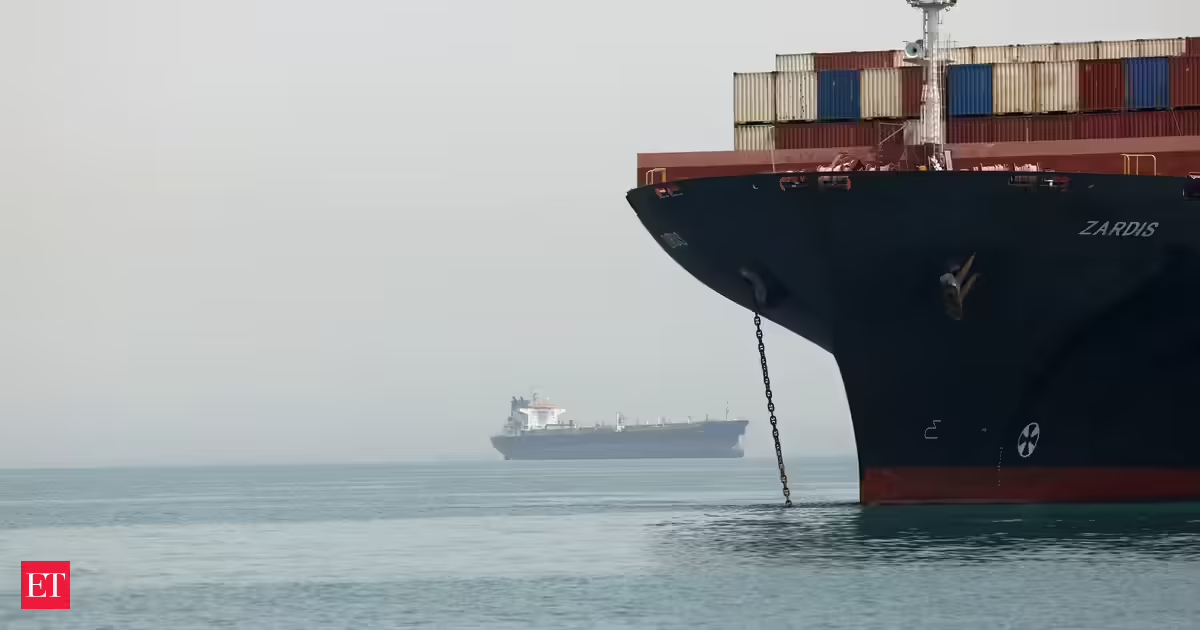
The war in Iran has ground tanker traffic through the Strait of Hormuz to a halt and oil prices have been swinging sharply, highlighting the important role the narrow passageway plays in global energy supply as the Islamic Republic vowed to block the region’s oil exports, saying it would not allow “even a single liter” to be shipped to its enemies.
President Donald Trump also said in social media posts that there were no reports of Iran planting mines in the Strait of Hormuz, the mouth of the Persian Gulf through which 20% of the world’s oil and natural gas is shipped.
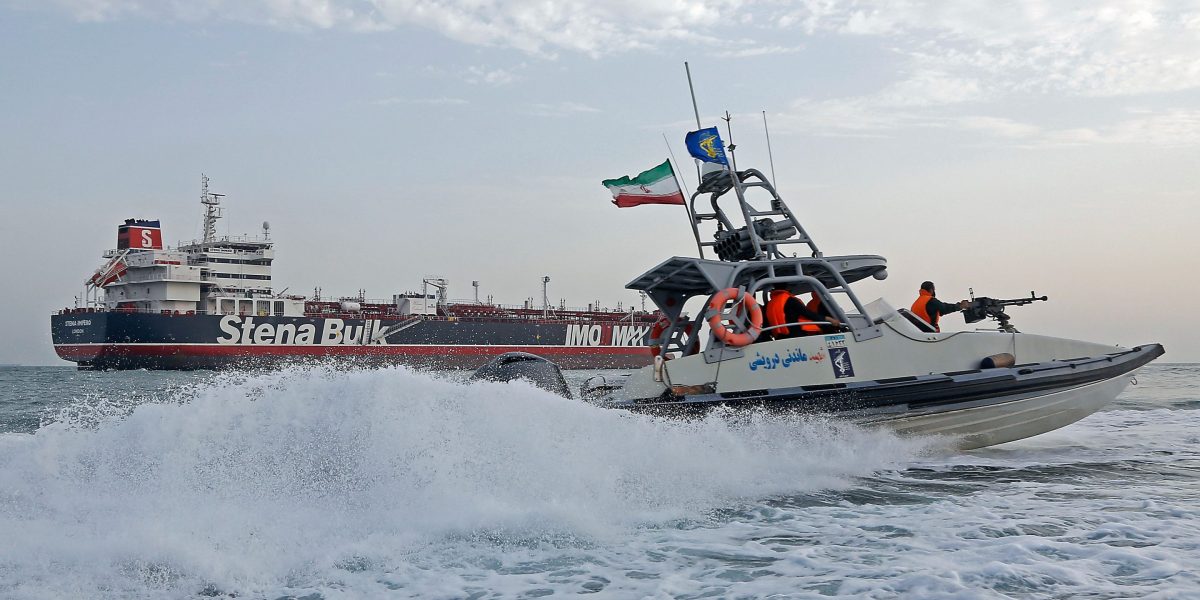
Any disruption to traffic through the Strait of Hormuz affects the oil trade — and several ships in and around it have come under attack from Iran during the war. Fears about the strait caused oil to spike Monday, only for it to swiftly fall back after Trump suggested the war could be near an end.
“The scale of what is at stake cannot be overstated,” said Hakan Kaya, senior portfolio manager at investment management firm Neuberger Berman. He said a partial slowdown lasting a week or two could be absorbed by oil companies. But a full or near full closure lasting a month or more would push crude oil prices “well into triple digits” and European natural gas prices “toward or above the crisis levels seen in 2022.”