HomeAI · summaries
Storia in 9 fonti
Hormuz and the new era of economic warfare | Euractiv
Tehran may be losing the export battle but its capacity to hamstring the global economy remains unchecked
Confronto fonti
6 prospettive sulla stessa storiaTimeline cronologica
- ·
washingtonexaminer.com
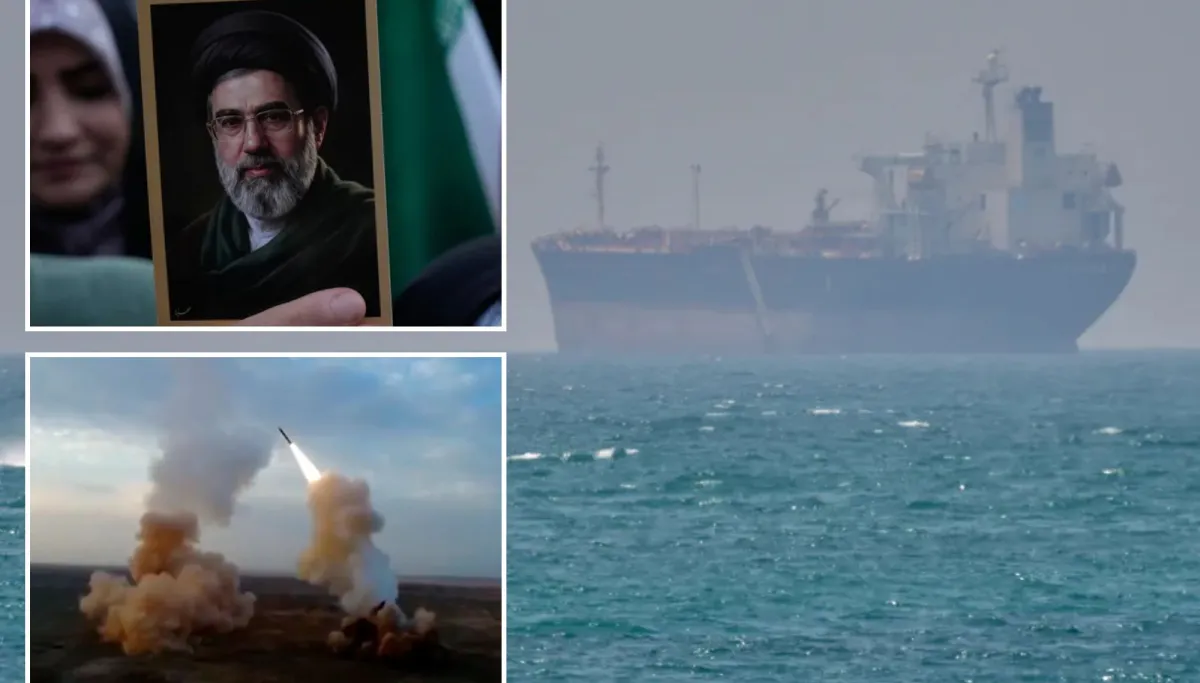
The Strait is open. The threat remains
The possibility of disruption in Hormuz can move oil prices, increase shipping costs, raise insurance premiums, and influence political decision-making.
- ·
fortune.com
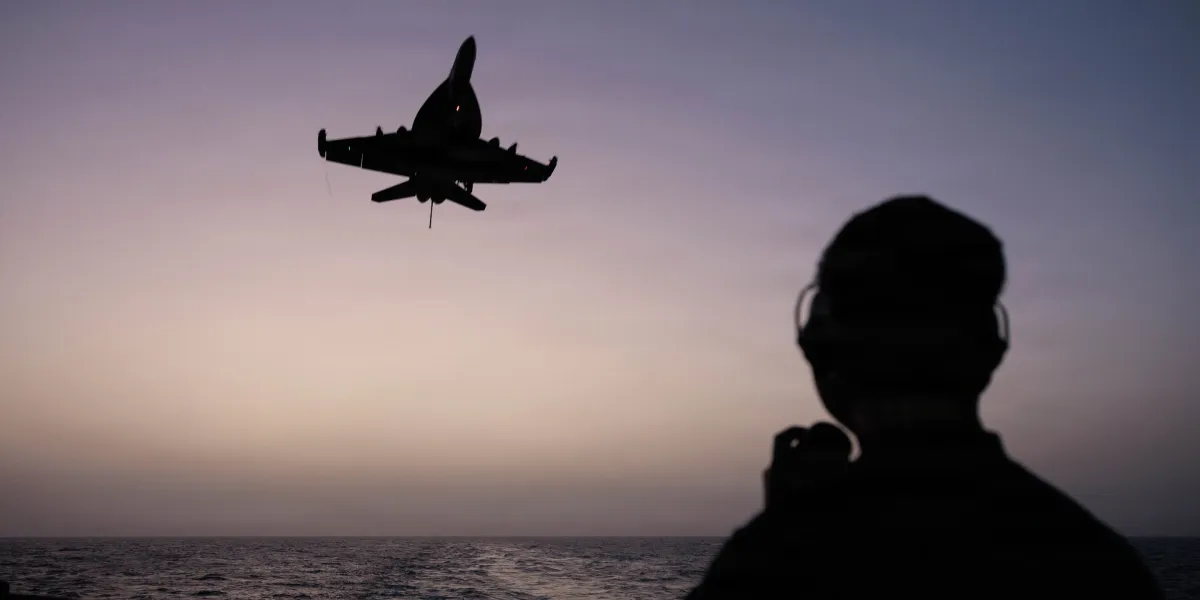
Iran proved it can close the Strait of Hormuz, but the U.S. is advertising very loudly that the world's top superpower can at least punch…
Hegseth said the U.S. naval blockage in Iran is "impenetrable" and 125 million barrels of oil have now exited the Gulf, "showing that we control the strait."
- ·
straitstimes.com

Hormuz reopening will offer relief for Asia, but economic scars will remain
Elevated inflation and supply-chain strains are likely to linger through the end of 2026. Read more at straitstimes.com. Read more at straitstimes.com.
- ·
euractiv.com
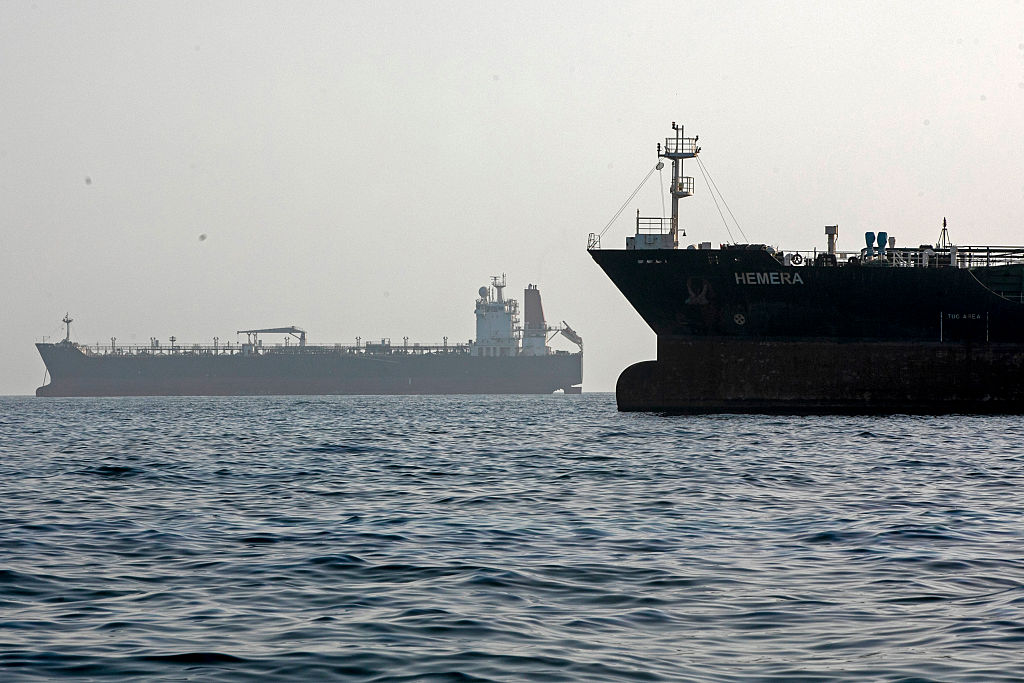
Hormuz and the new era of economic warfare | Euractiv
Tehran may be losing the export battle but its capacity to hamstring the global economy remains unchecked
- ·
dailysabah.com

Hormuz reopens, but the energy shock remains | Opinion
Uncertainty of peace keeps energy markets tense as traders wait for real stability before prices normalize
- ·
france24.com
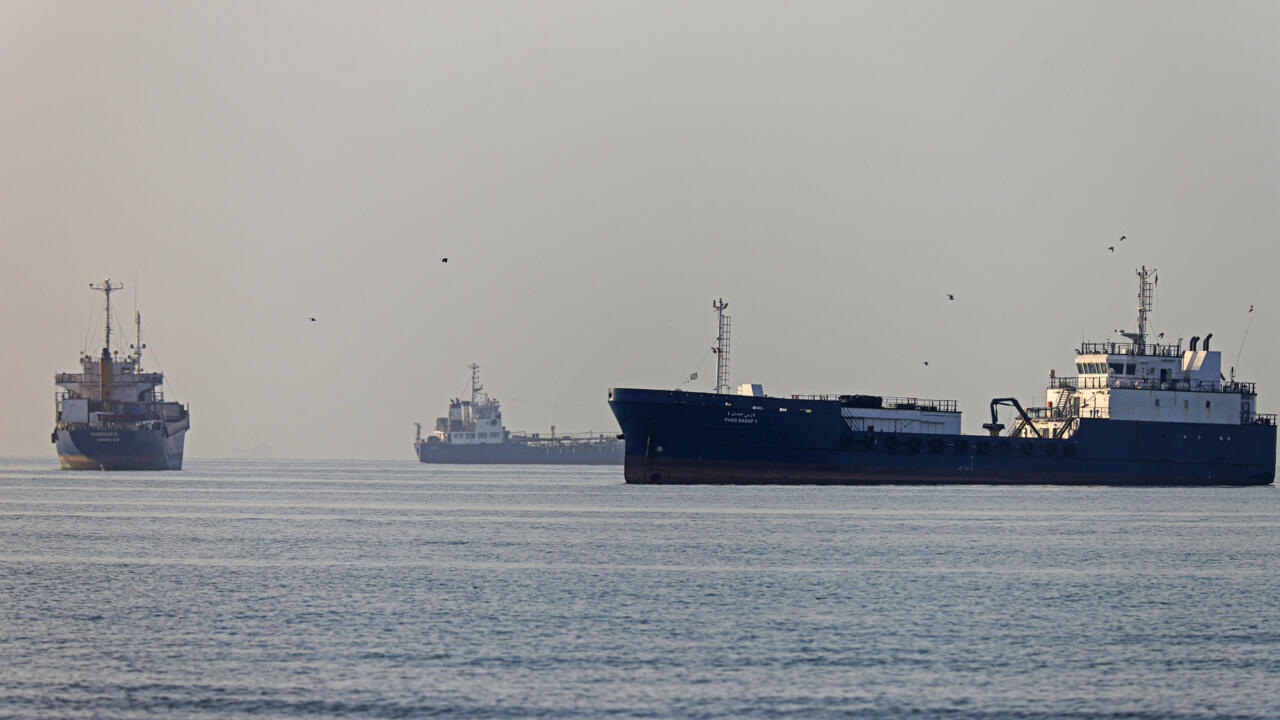
Energy firms brace for 'new era' despite Hormuz deal
Oil and gas majors have high hopes for a quick reopening of the Strait of Hormuz, but they have few illusions about a return to normal for the Gulf energy industry after more than…
- ·
gulfnews.com
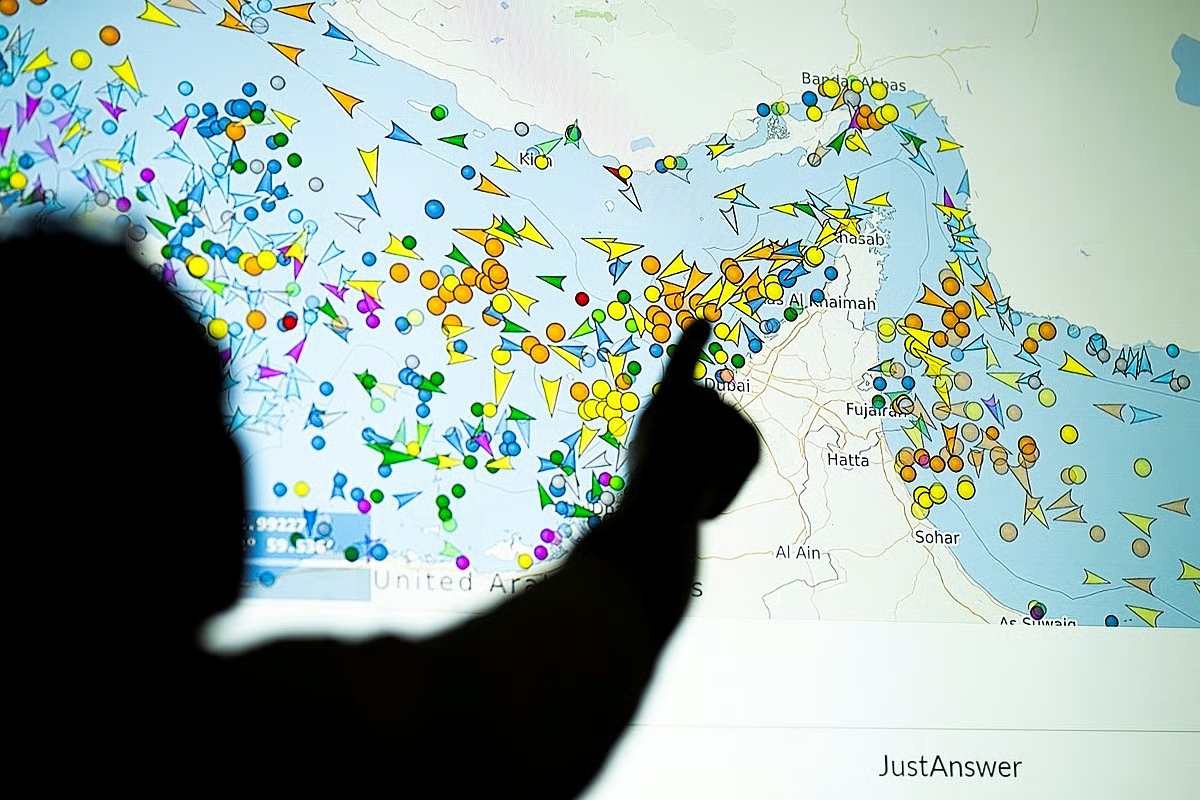
War has changed the Gulf: Iran can shut Hormuz ‘at will,’ US assessments say
After the War, Iran emerges with new control over the world’s most critical oil chokepoint
- ·
economictimes.indiatimes.com
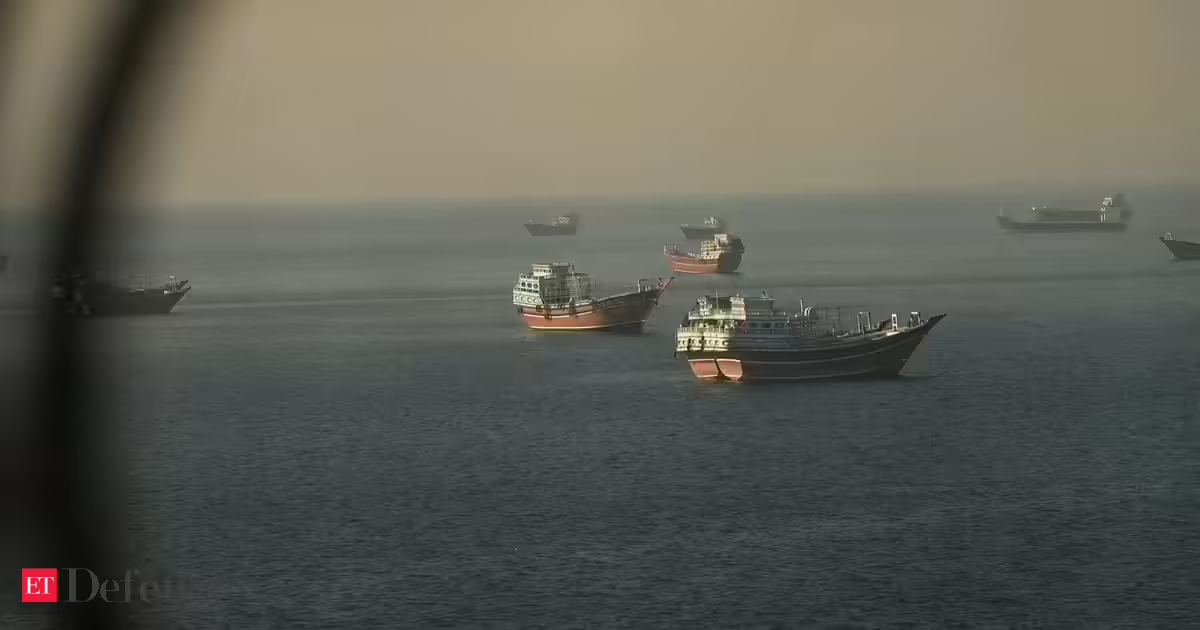
Iran now has powers to shut Strait of Hormuz at will, US Intel report says
Iran can now control the Strait of Hormuz, a critical global waterway. This ability poses a significant threat to global economies. US intelligence agencies have revealed this…
- ·
benzinga.com
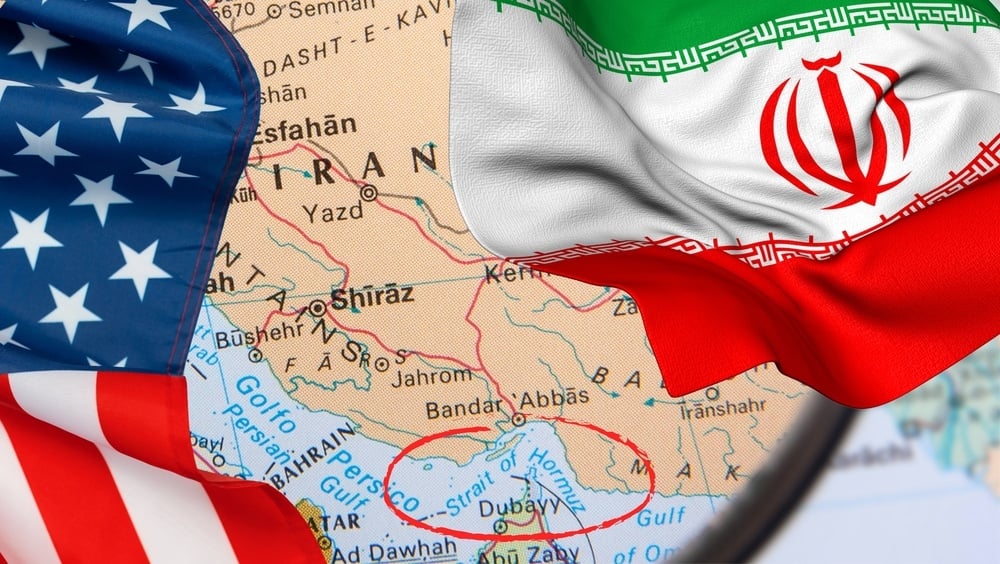
Iran's New Trump Card? The Strait of Hormuz Could Be Shut 'At Will' Despite US Deal
US intelligence warns Iran can shut the Strait of Hormuz at will as three Iranian oil tankers reportedly bypass a US blockade.