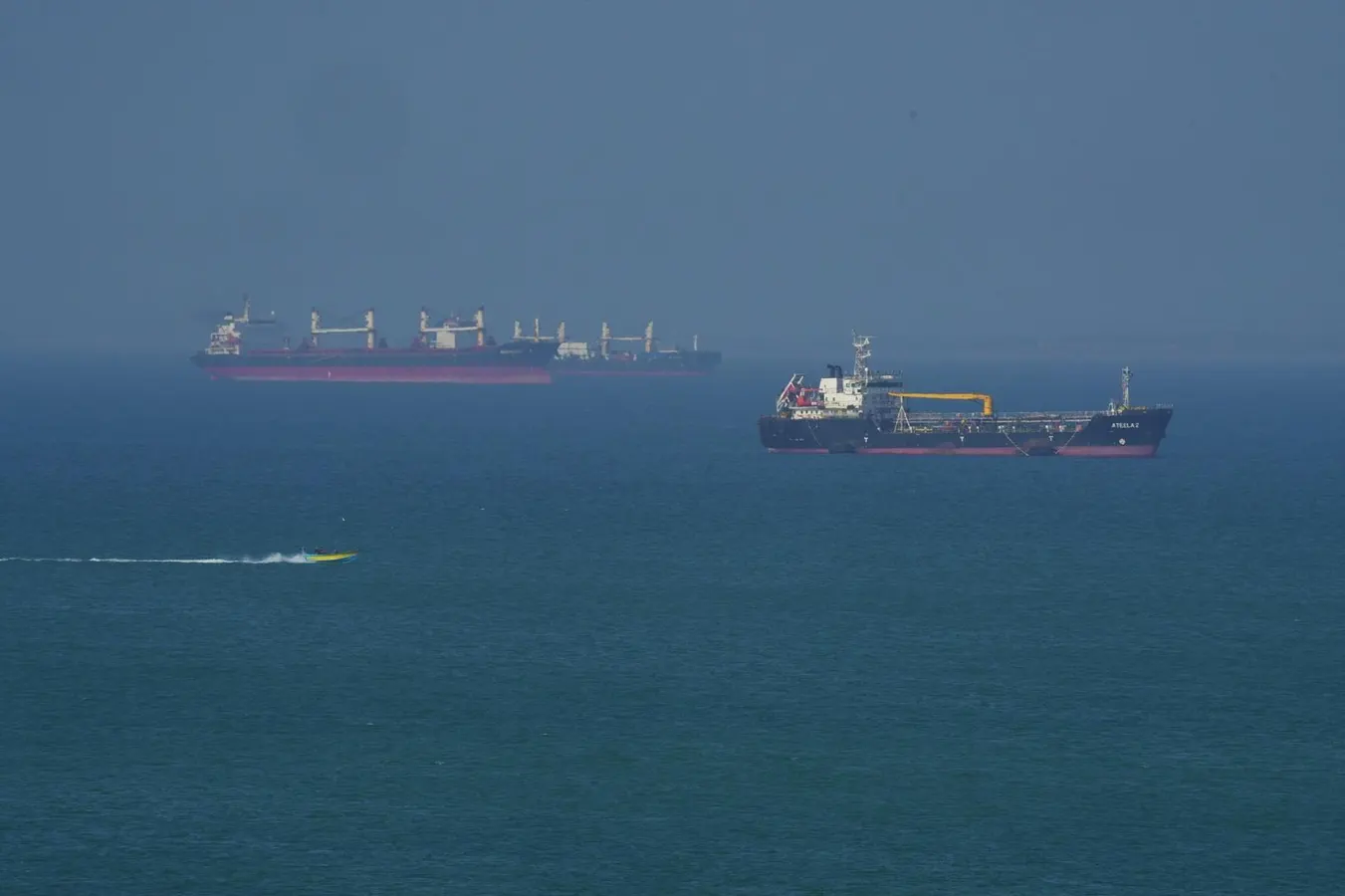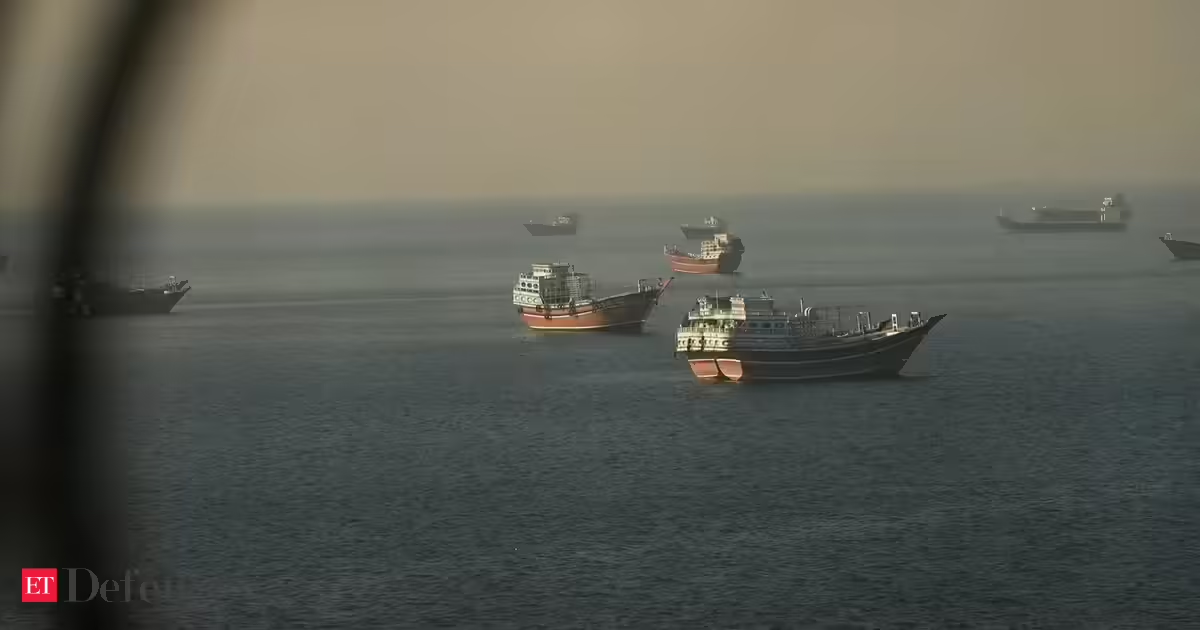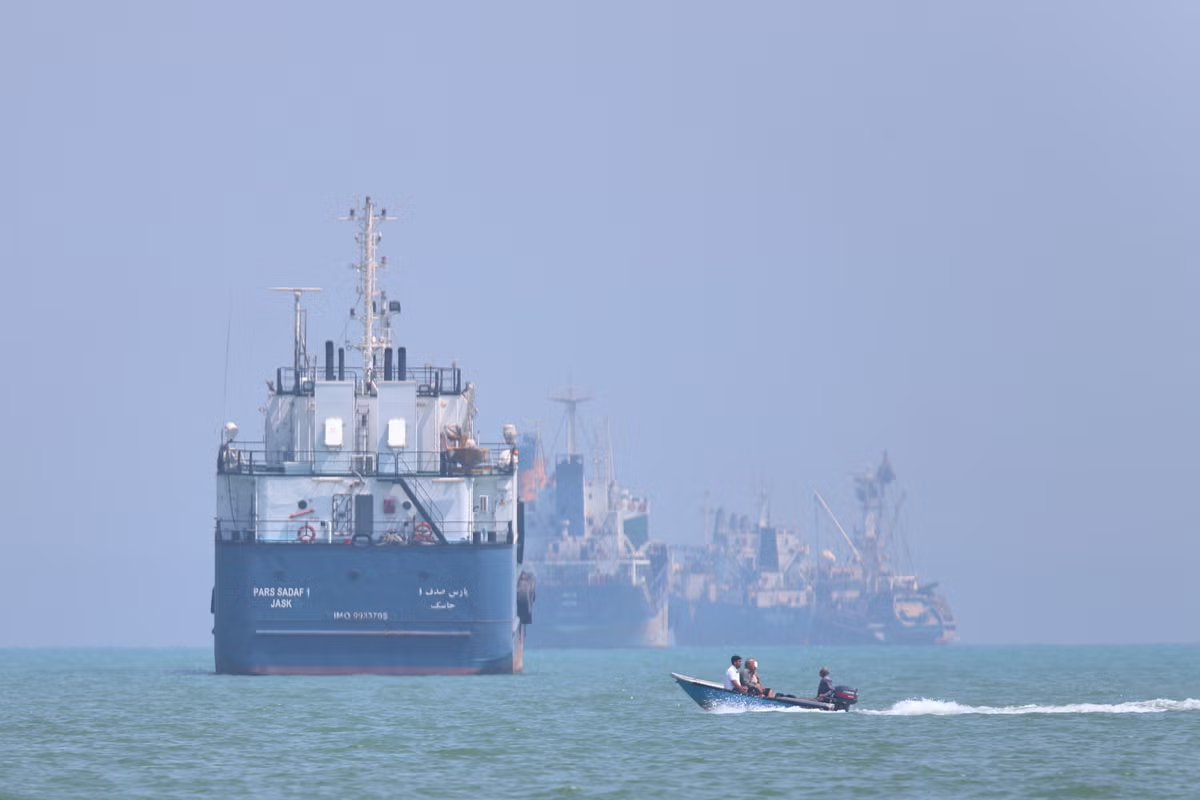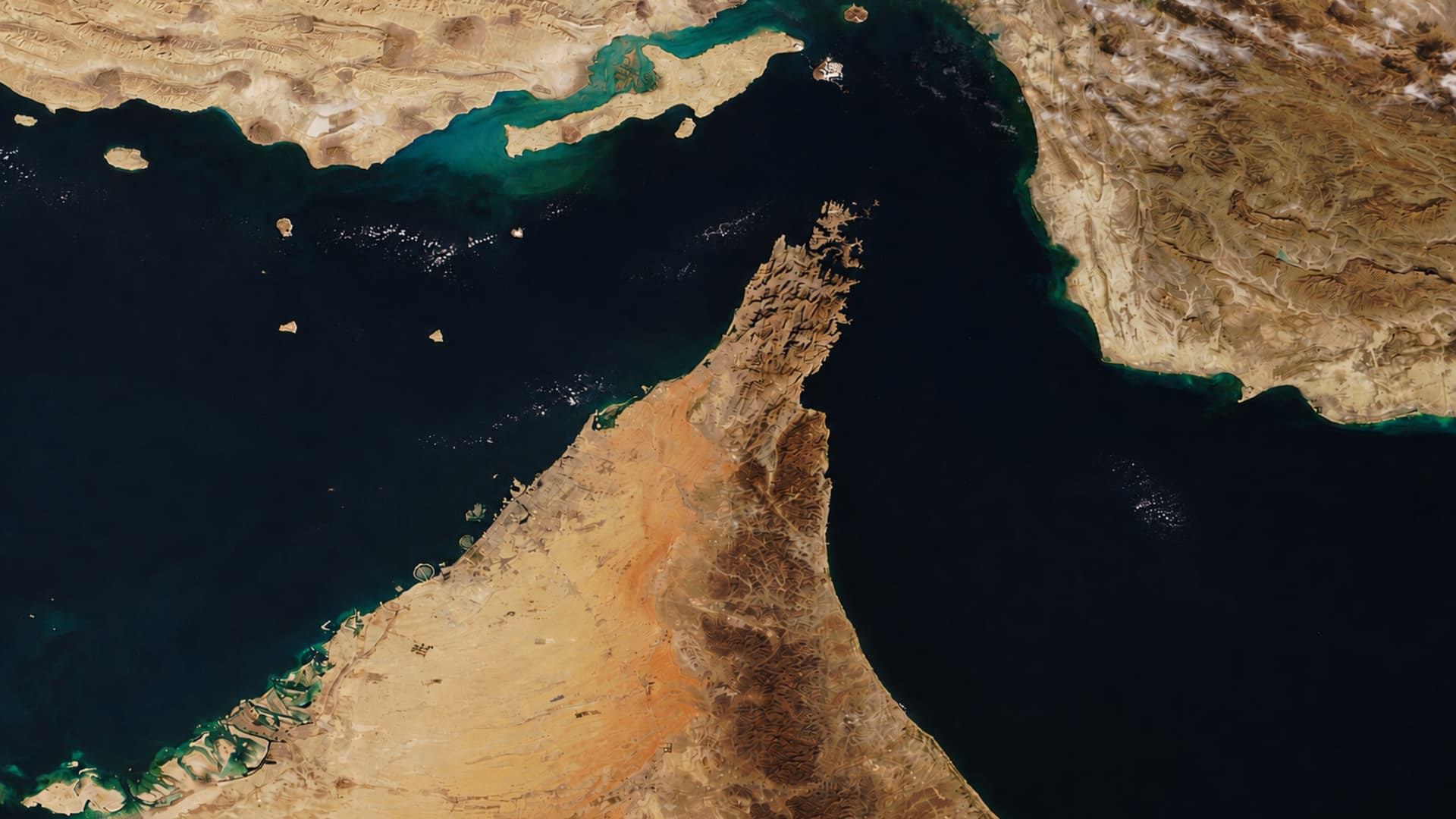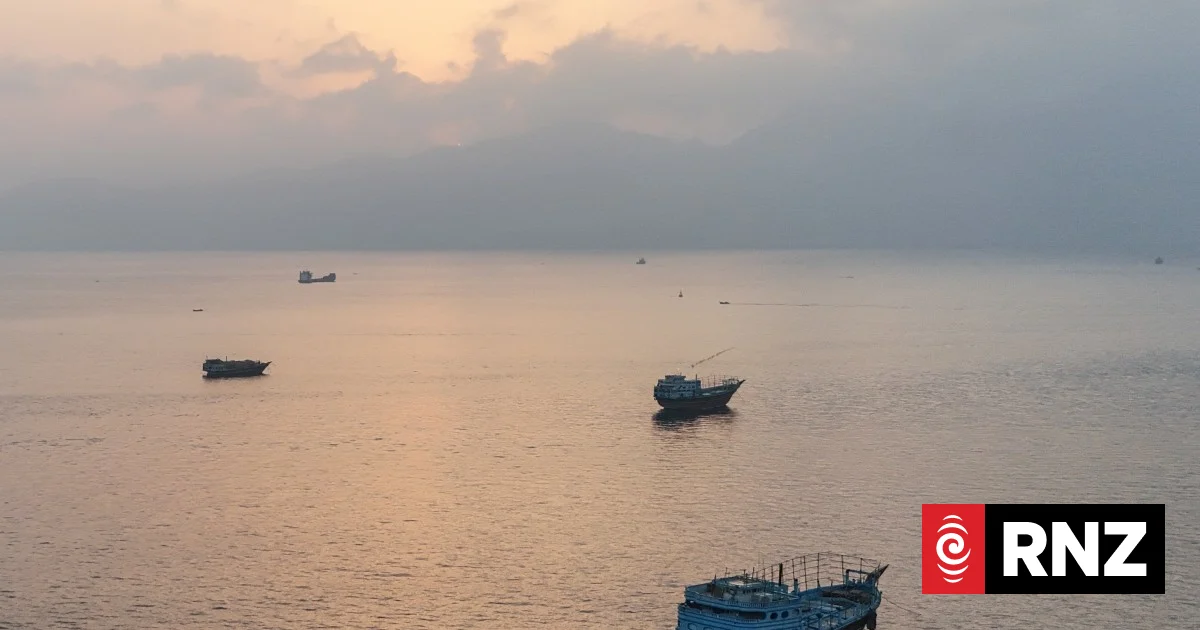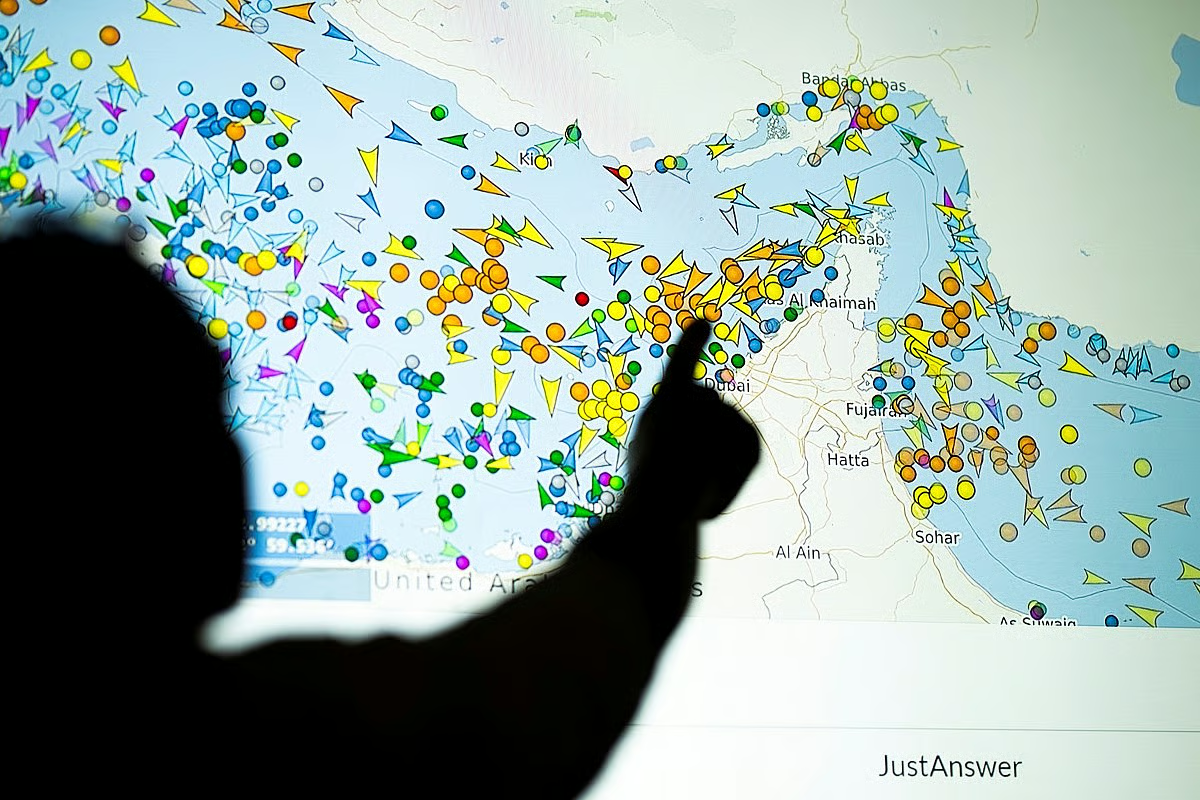
After the War, Iran emerges with new control over the world’s most critical oil chokepointLast updated: June 17, 2026 | 02:464 MIN READA photo illustration taken in Nicosia on May 4, 2026, shows a person in front of a large screen displaying vessel movements in the Strait of Hormuz on a ship-tracking website.AFPThe US-Israel war with Iran may have fundamentally altered the power calculus in the Gulf, with US intelligence assessments concluding that Tehran now possesses the capability to effectively close the Strait of Hormuz whenever it chooses.This gives Tehran a powerful new tool to disrupt the global economy following months of conflict in the Gulf, according to three people familiar with the assessments. CNN first reported the findings.Restricting maritime trafficThe assessments suggest that, regardless of a framework agreement expected to be formally signed on Friday to reopen the strategic waterway and pave the way for renewed nuclear negotiations, Iran has demonstrated during the conflict that it can severely restrict maritime traffic through the strait and potentially do so again in the future."We have now handed Iran de facto control over the strait — a weapon more powerful than any nuke," one source familiar with the intelligence assessments told CNN. We have now handed Iran de facto control over the strait — a weapon more powerful than any nukeUnnamed US intelligence official to CNNStrategic valueThe source said the war had fundamentally altered Tehran's thinking about the strategic value of disrupting shipping through the narrow waterway.Another source familiar with the assessments said Iranian leaders have also concluded that targeted strikes against Gulf energy infrastructure can serve as an effective "asymmetric war" tool, after attacks during the conflict disrupted regional energy markets and heightened concerns about global oil supplies.The Strait of Hormuz, which links the Arabian Gulf with the Gulf of Oman and the Arabian Sea, is one of the world's most important energy corridors.Before the conflict, roughly one-fifth of globally traded oil and significant volumes of liquefied natural gas (LNG) passed through the waterway.The United States has engaged in intensive negotiations with Iran to secure the full reopening of the strait, underscoring Tehran's continued leverage despite the ongoing diplomatic process, according to the report.CNN said it sought comment from the White House and the Office of the Director of National Intelligence.Counterpoint to Iran's chokeholdA counterpoint emerging from military and maritime analysts is that Iran's ability to threaten shipping through the Strait of Hormuz now exists alongside a newly demonstrated American capability to impose pressure in the opposite direction.While US intelligence assessments reportedly conclude that Tehran has shown it can severely disrupt maritime traffic through Hormuz and potentially do so again in future crises, the conflict also highlighted Washington's ability to restrict access to Iranian ports through naval operations in and around the Gulf. Some observers have described the situation as a "dual blockade" dynamic, in which Iran can threaten the strait itself while the United States can constrain Iran's maritime trade and energy exports.Iran benefits — if Hormuz is kept open A senior US official told CNN that Iran would not receive any benefits from the framework agreement unless it keeps the Strait of Hormuz open and complies with other commitments outlined in the deal.The official did not specify the incentives being offered but said Washington would gradually ease its maritime blockade as Iran restores normal shipping traffic."If Iran performs, the relief follows and American leverage holds the entire way," the official told CNN.Another source familiar with the agreement acknowledged that Iran's efforts to disrupt energy flows through Hormuz strained relations with some of its key economic partners, including China and Gulf Arab states."Iran pays a price when they do this," the source told CNN, noting that any future attempt to close the strait would likely carry significant economic and diplomatic costs for Tehran itself.War outcomeThe intelligence assessment highlights one of the most consequential outcomes of the recent US-Iran conflict. While military analysts have traditionally focused on Iran's missile programme and nuclear ambitions, the war demonstrated Tehran's ability to threaten one of the world's most critical maritime chokepoints without necessarily maintaining a permanent blockade.Energy markets have remained unusually resilient despite months of disruption, aided by alternative export routes, "unsanctioning" of Russian oil, strategic stockpile releases and reduced demand from major importers. Nevertheless, analysts warn that the demonstrated ability to restrict access to Hormuz could become a recurring source of geopolitical risk, affecting oil prices, shipping costs and global economic stability long after the current conflict ends.The framework agreement is intended to restore commercial traffic through the strait and establish conditions for broader negotiations between Washington and Tehran. However, the intelligence findings suggest that future energy markets may have to price in a new reality: Iran has shown it can significantly disrupt one of the world's most important trade arteries whenever tensions escalate.Also In This PackageGet Updates on Topics You ChooseUp Next
War has changed the Gulf: Iran can shut Hormuz ‘at will,’ US assessments say
After the War, Iran emerges with new control over the world’s most critical oil chokepoint
810 words~4 min read