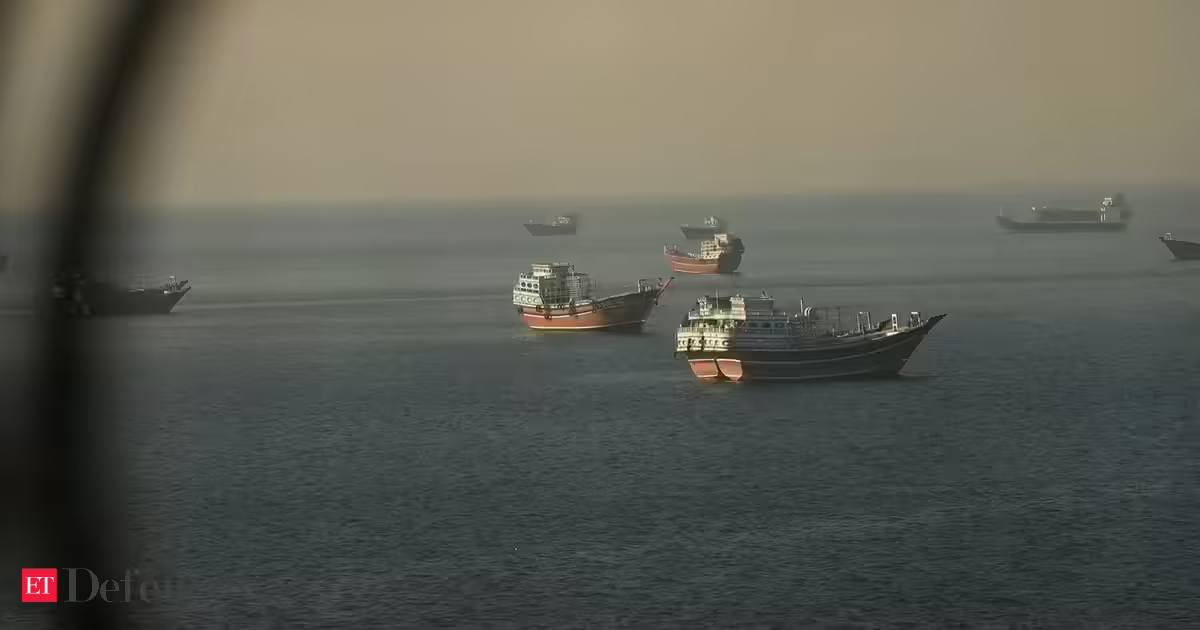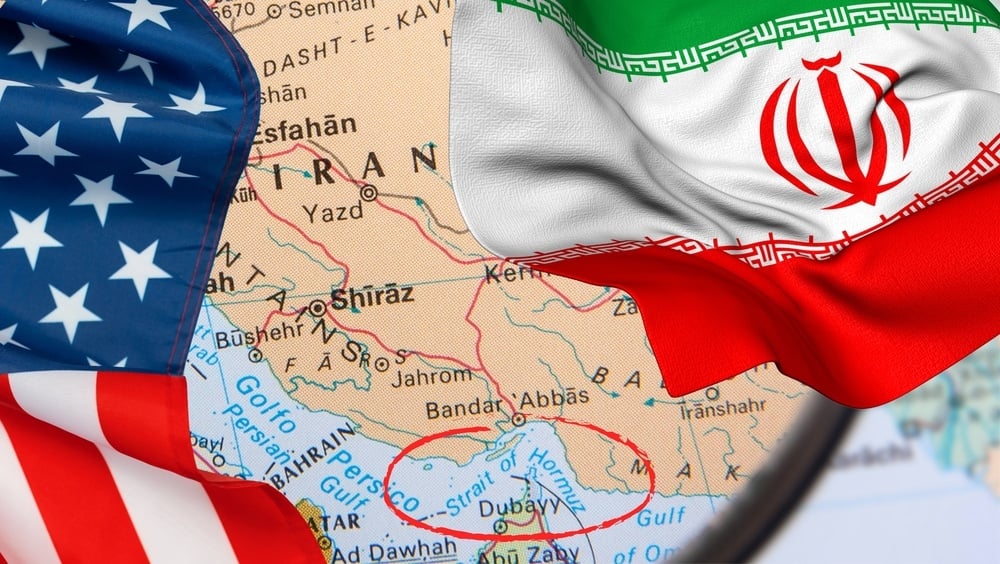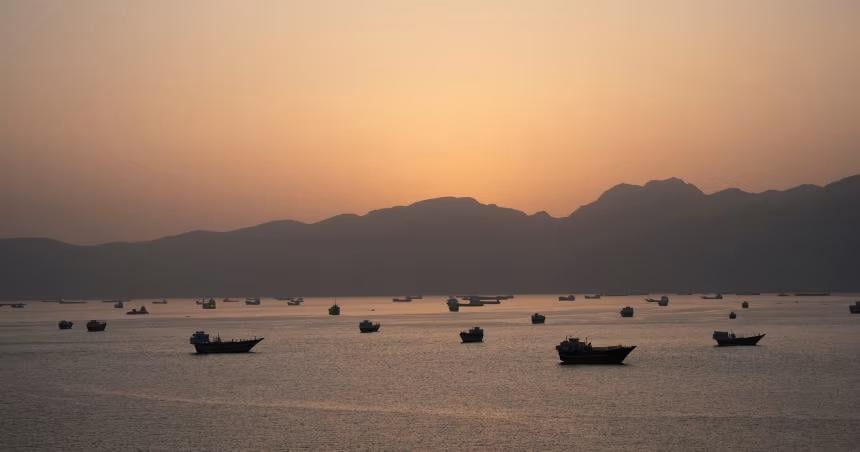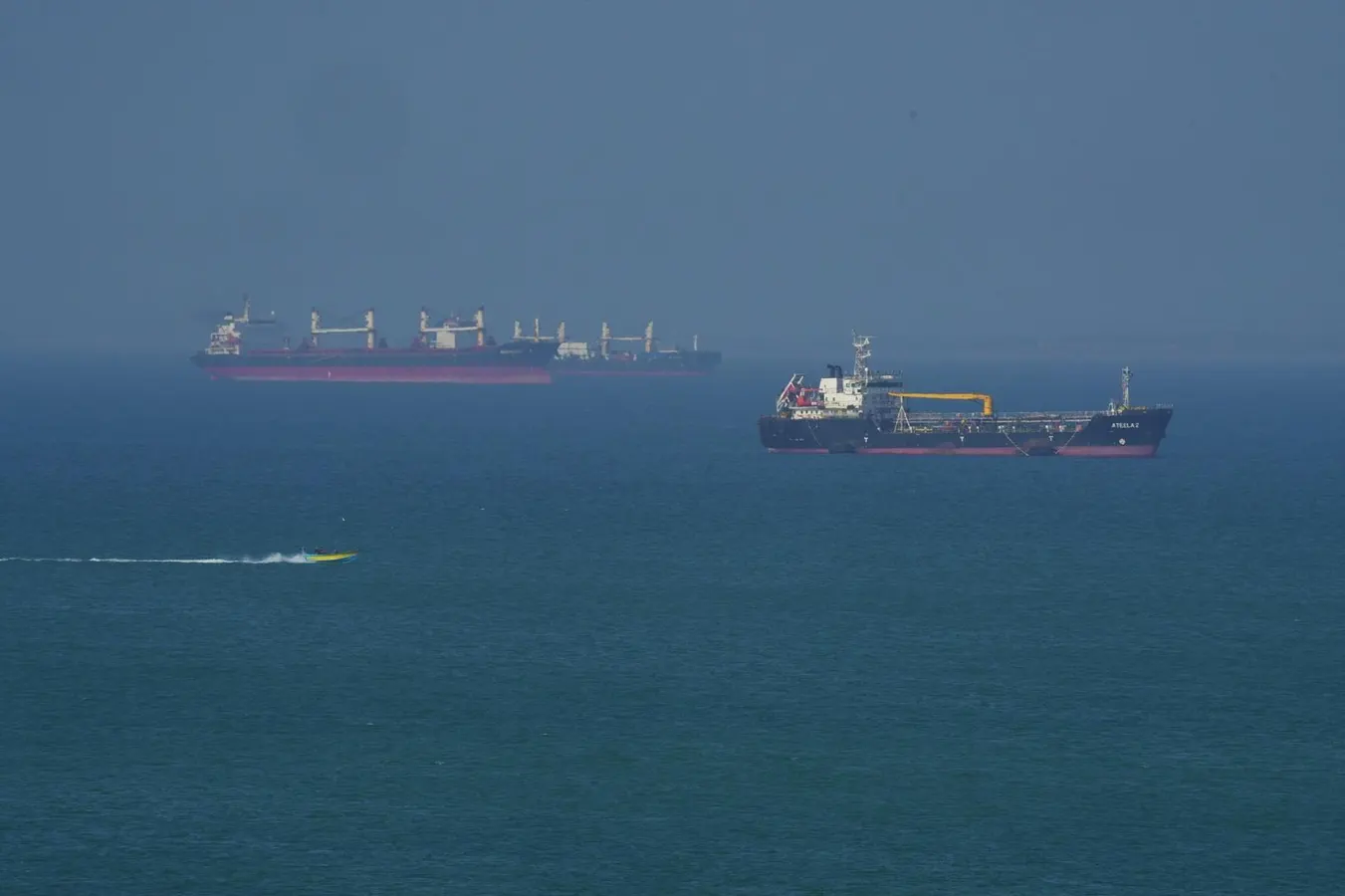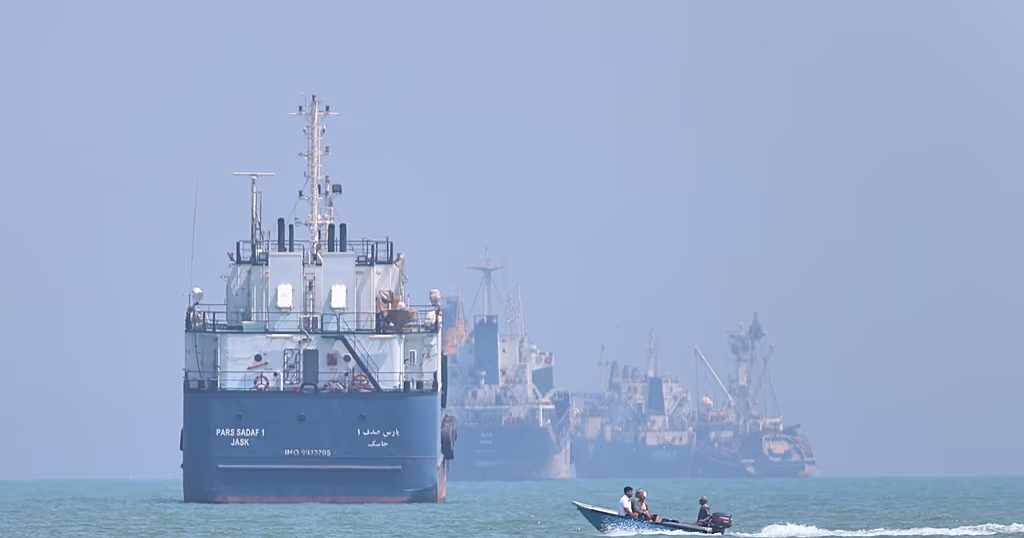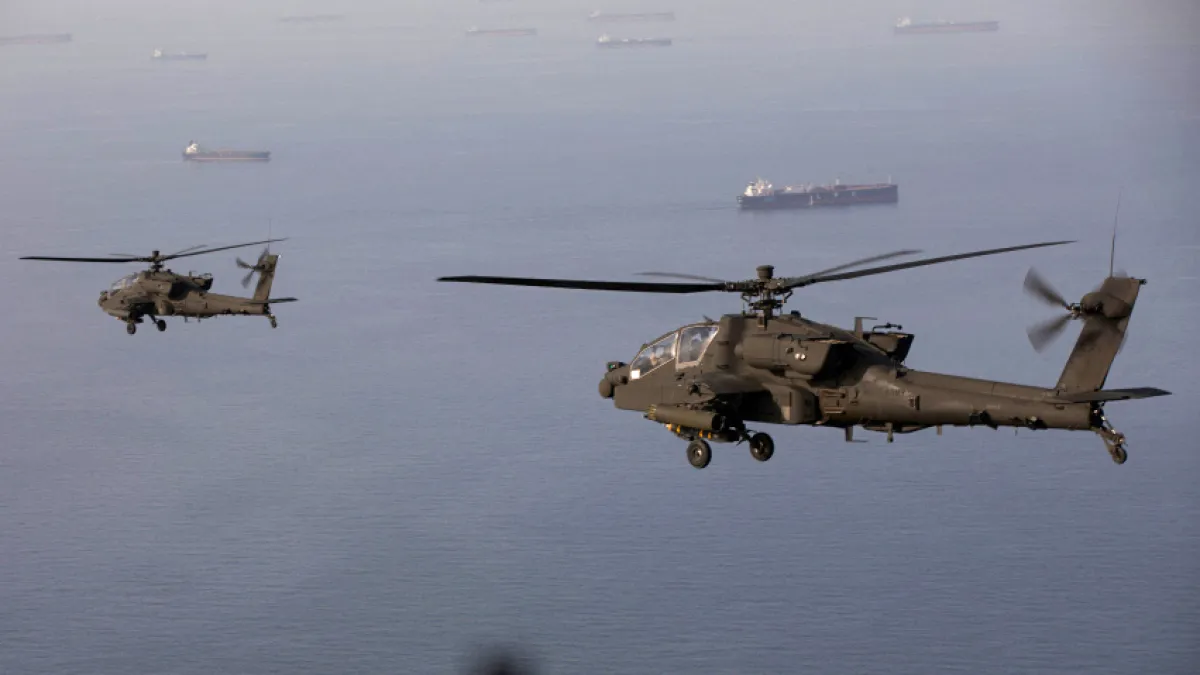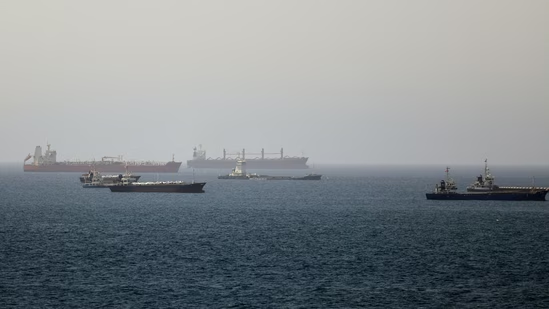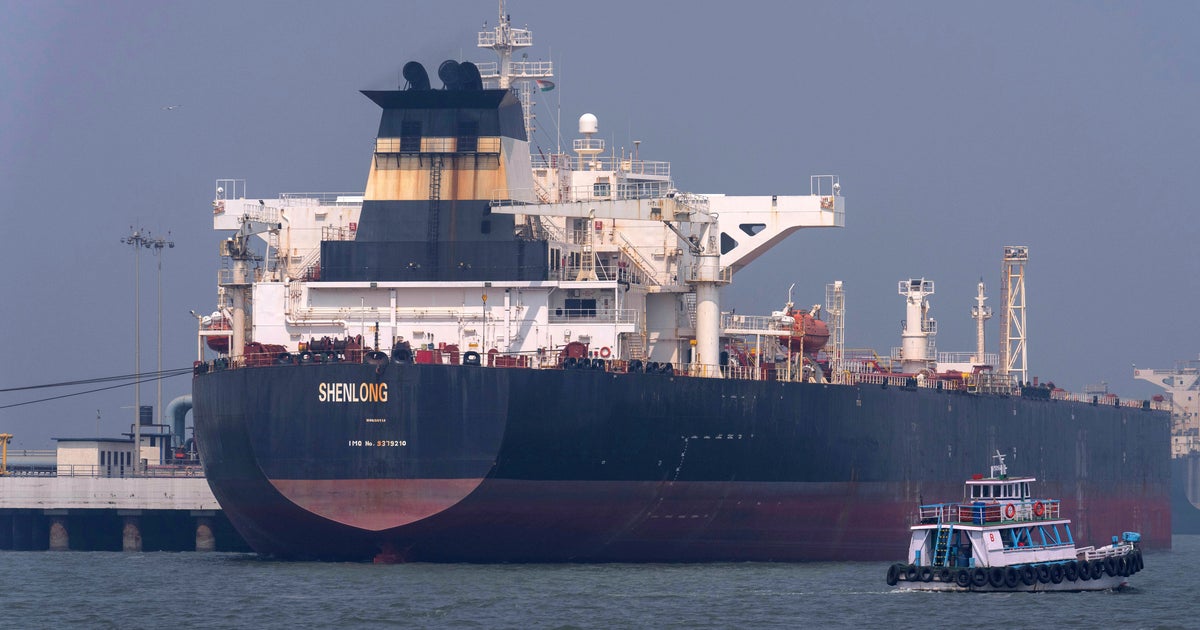
Regardless of a ceasefire deal that reopens the Strait of Hormuz, Iran’s demonstrated ability to shut it down will continue to hang over the global economy, rendering the narrow waterway a contested space.
But while the U.S. has failed to restore freedom of navigation in the strait, a steady drumbeat of messaging recently suggests an effort to dilute Tehran’s new leverage.
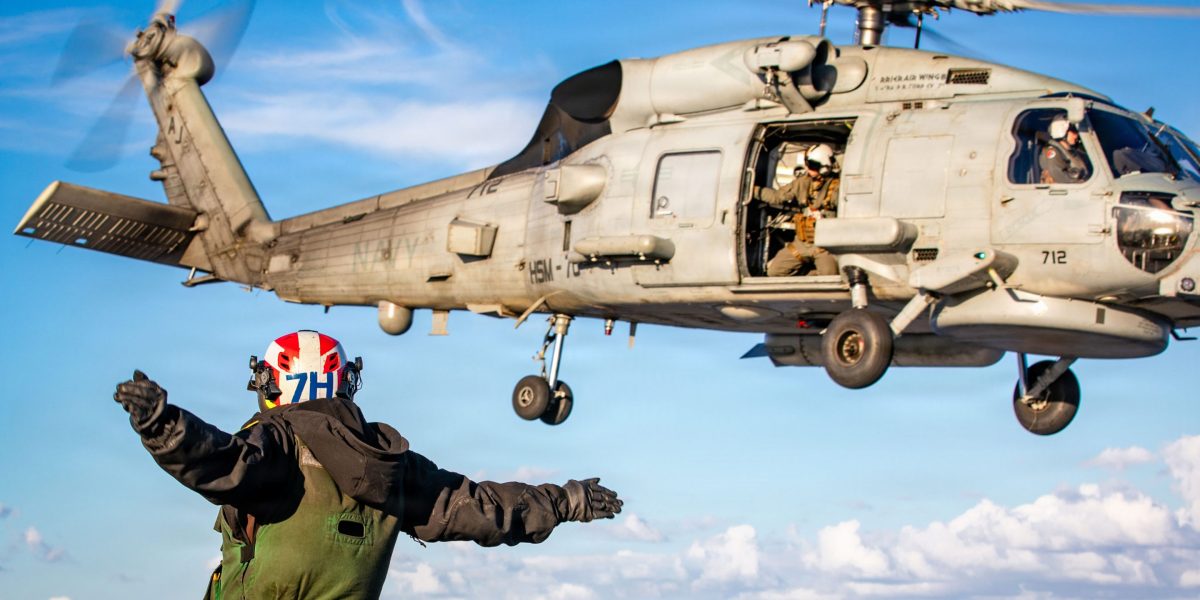
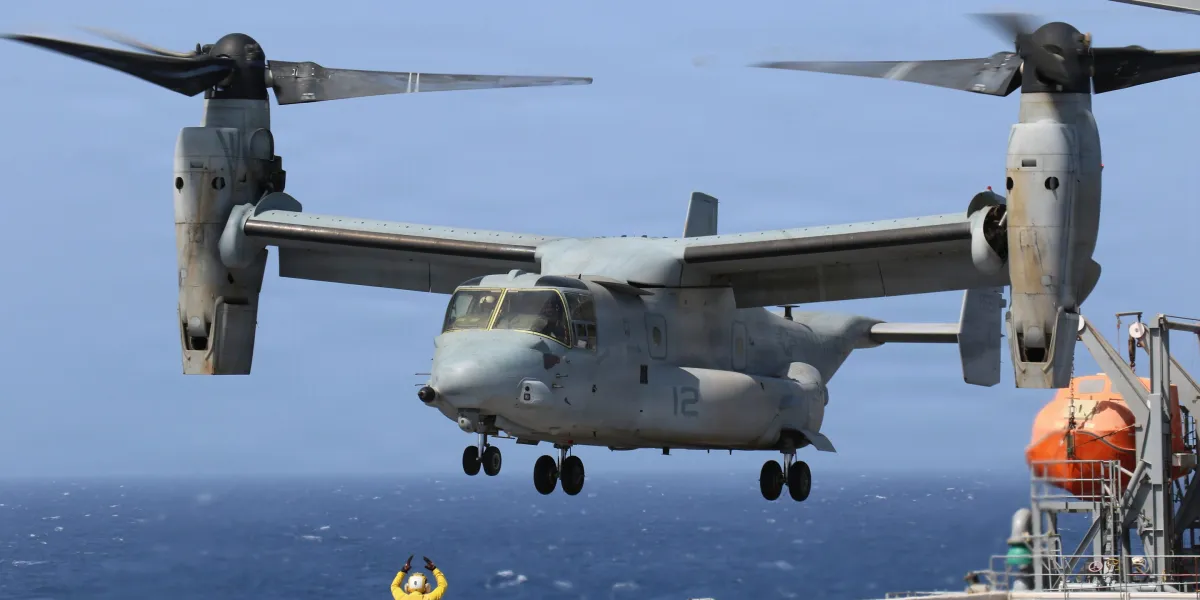
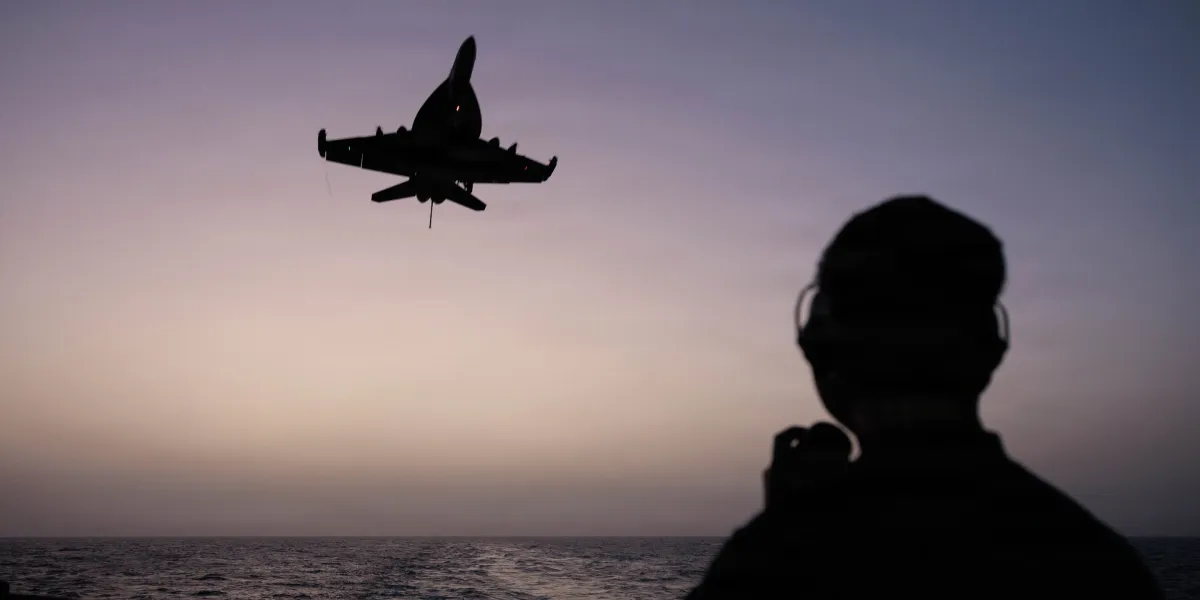
Starting late last month, U.S. officials began revealing that more ships had been quietly crossing the strait with U.S. assistance through a route along the Omani coast. Subsequent reports pointed to a more robust U.S. role as “naval overwatch” offered protection from Iranian attacks.
The traffic uptick still represented just a fraction of pre-war levels, but it gave oil markets more breathing room before inventories reach critical levels while providing the U.S. additional leeway in negotiations with Iran.
On Tuesday, Energy Secretary Chris Wright admitted in congressional testimony that traffic in the strait was rising “very meaningfully” in a military operation that wasn’t being disclosed openly.