This audio is auto-generated. Please let us know if you have feedback.
Abigail Broedlin is vice president of asset management at Nautilus Solar Energy.
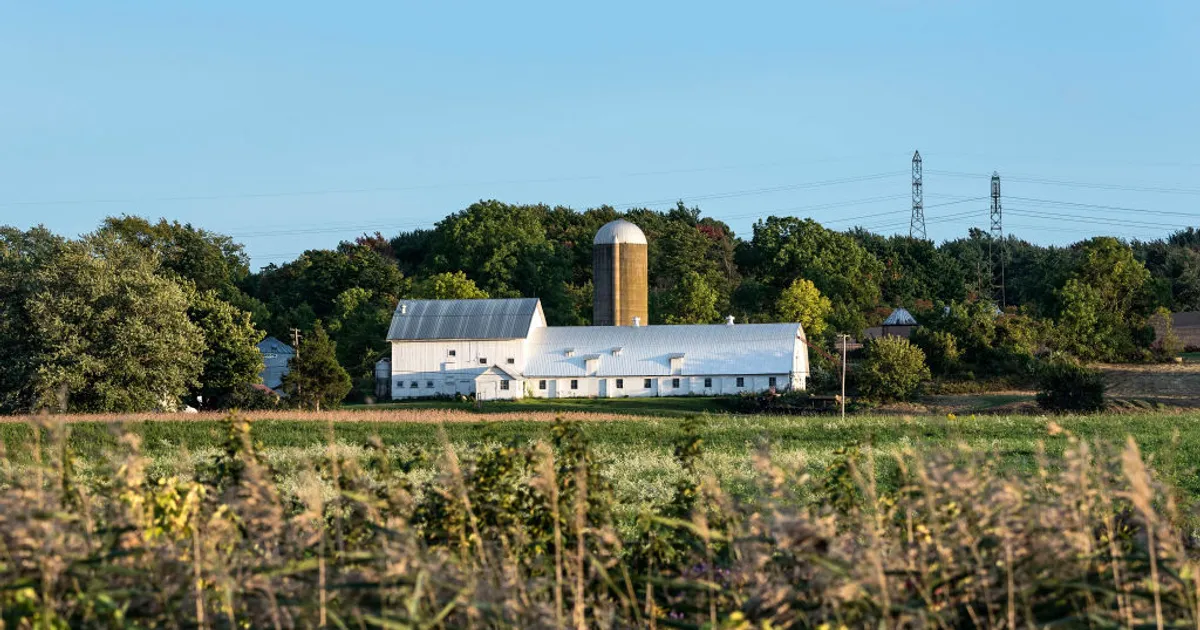
America is losing farms, and it's happening because families have run out of options. Across the country, farmers are facing a level of financial pressure that would have been hard to imagine a generation ago. Commodity prices can collapse overnight. Input costs keep climbing regardless of what the market does. And an energy supply chain entangled in global instability means a crisis halfway around the world can drive up a farmer's fertilizer bill before the planting season even begins.
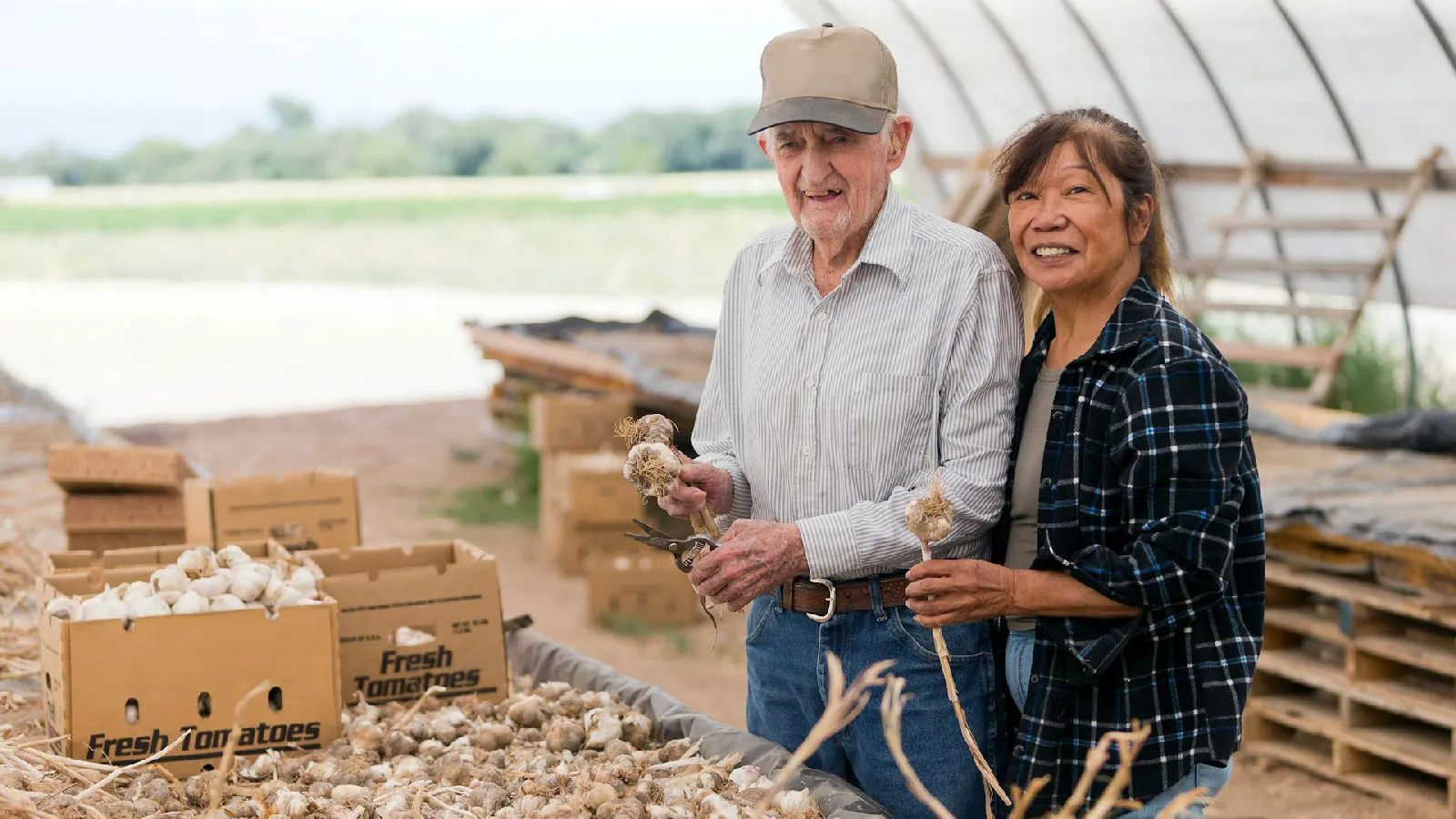
For many family farms, simply covering property taxes has become a struggle, let alone breaking even after months of hard work, investment and risk. The farms aren't disappearing because farmers want to sell. They are disappearing because the math no longer works. If we want farming to remain a viable livelihood for generations to come, we must have an honest conversation about what modern farming requires. Stability matters. But too often, our conversations about farmland are locked in outdated assumptions about how land can and should be used.
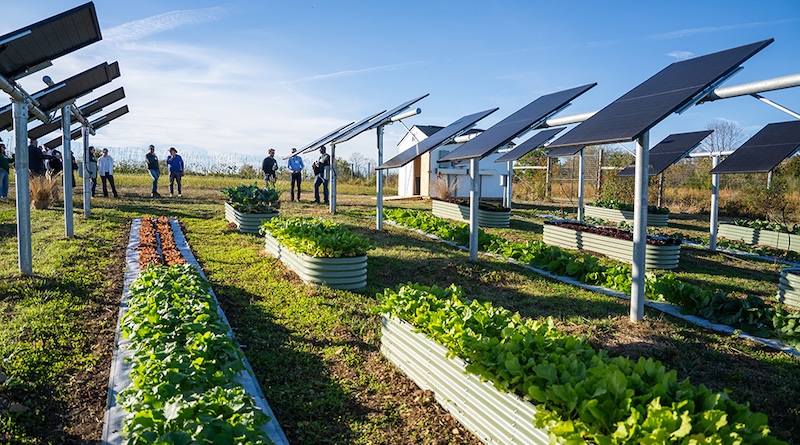
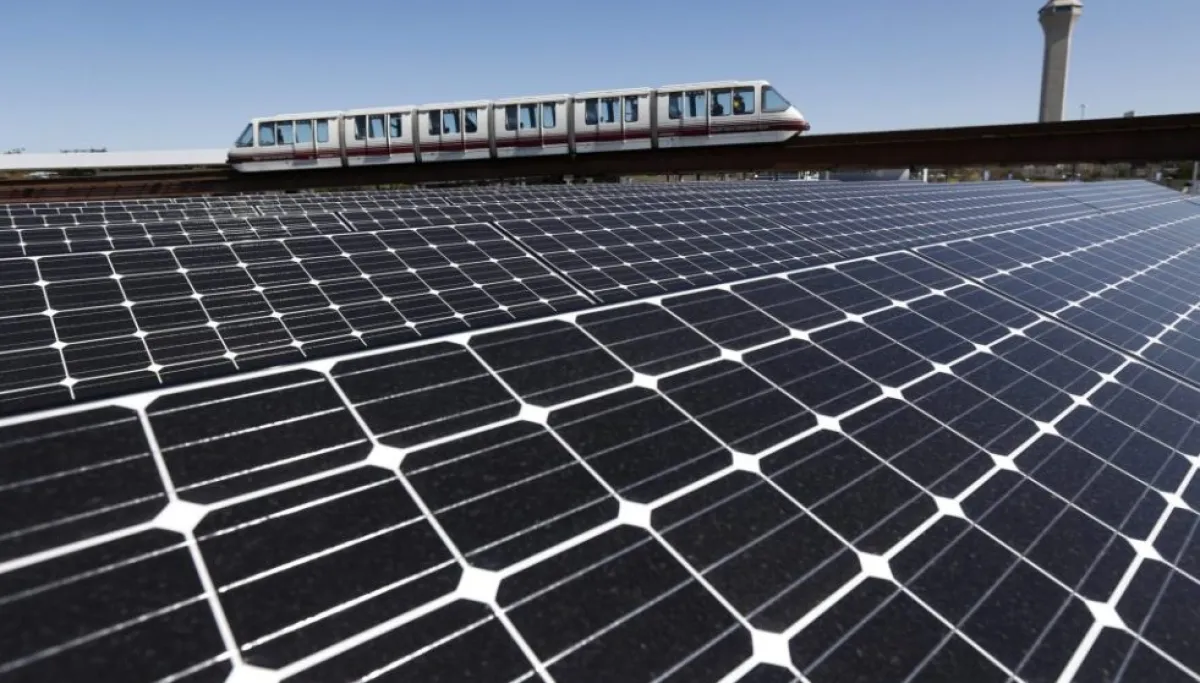
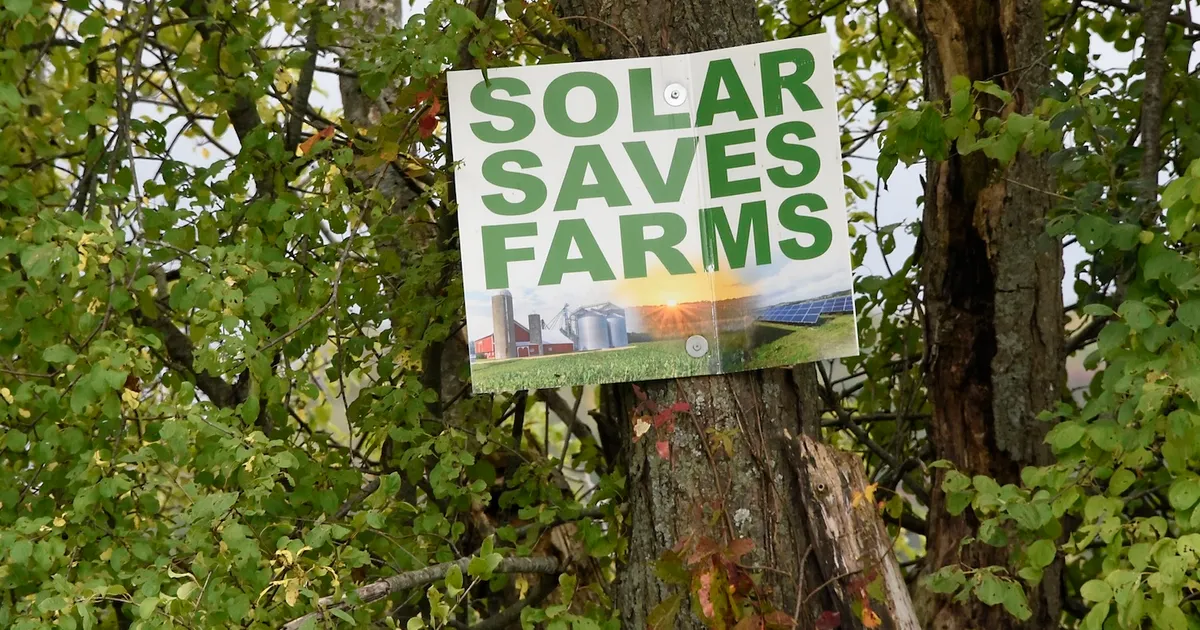
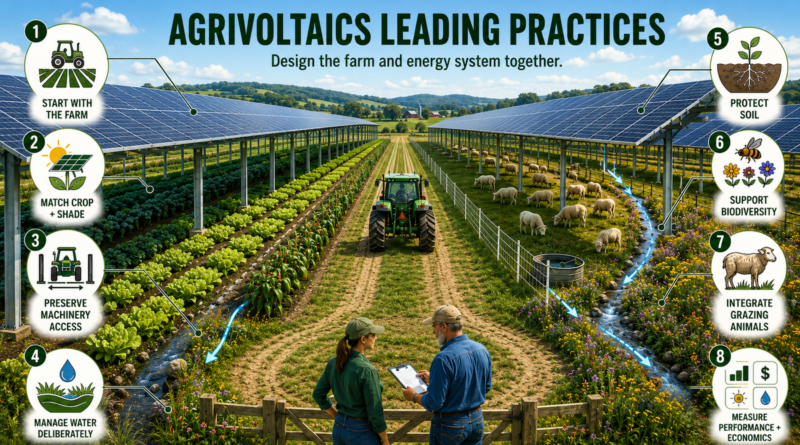
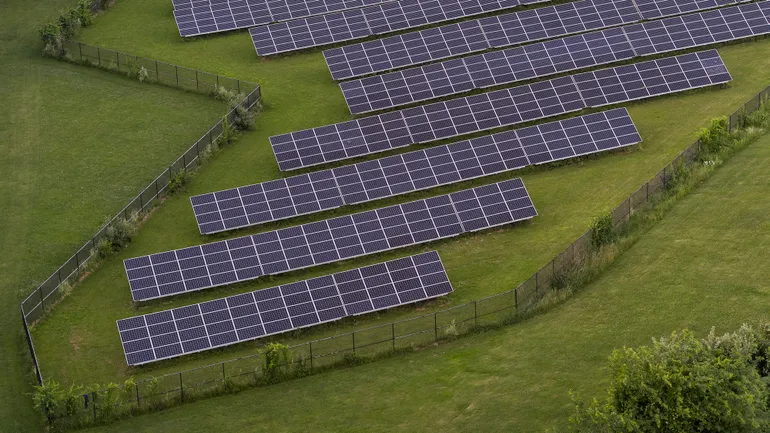
That tension is especially visible in debates around solar energy. For years, the idea of placing solar on farmland has been framed as a threat to agriculture — energy versus food, development versus tradition. But that framing overlooks a more nuanced reality emerging across rural communities. Where policy allows, community solar projects can serve as the difference between recurring stabilizing income and not having a farm at all.