When dicing vegetables, few of us pause to think about the challenges farmers had to overcome to get that food to our chopping board: drought, extreme heat, flooding, poverty and sky-high fuel costs to name just a few. If they manage to grow and harvest healthy crops, it must be kept cool if it is to reach our kitchens in the pristine condition we've come to expect.
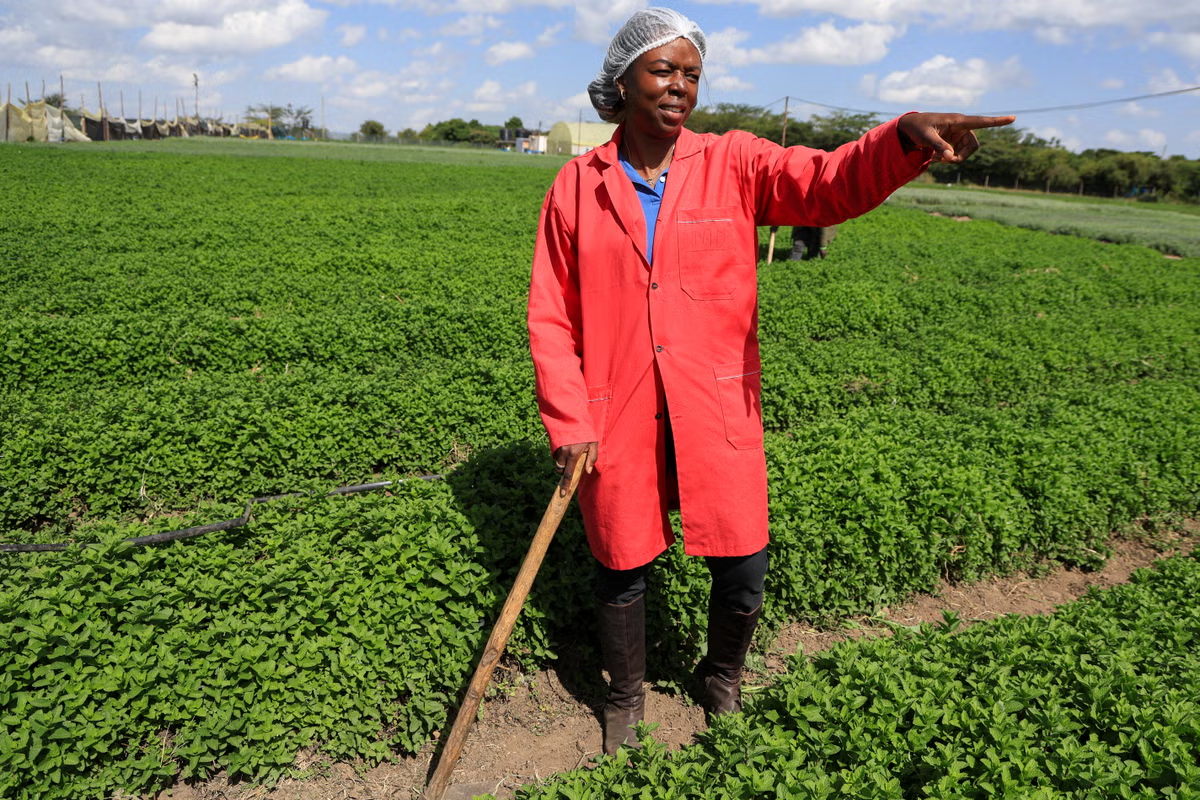
“You can do everything right on the farm, but if the produce is not stored properly, you lose both the product and income,” says Kenyan farmer Yvonne Anyonyi Mumiah as she walks between rows of rosemary, basil and other crops destined for European supermarkets.
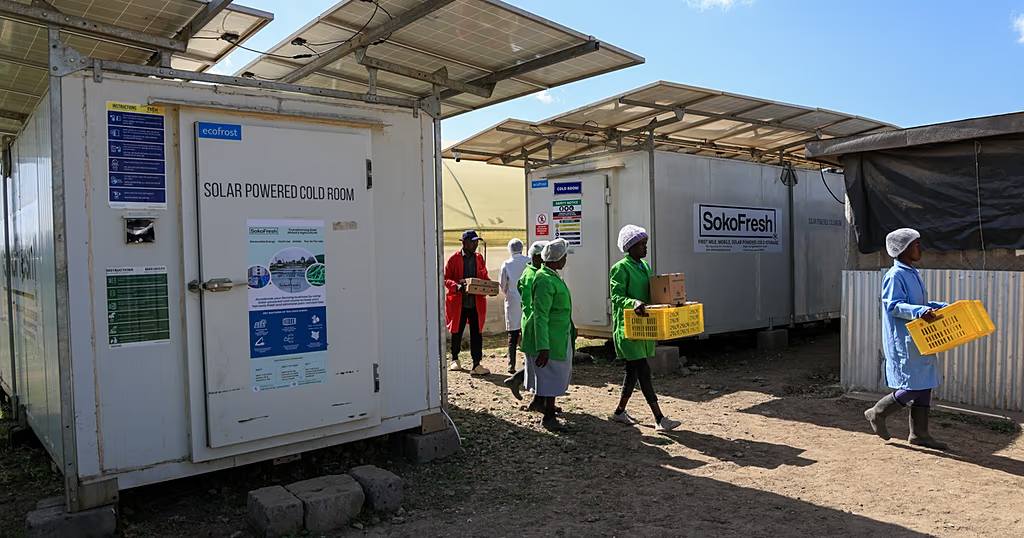
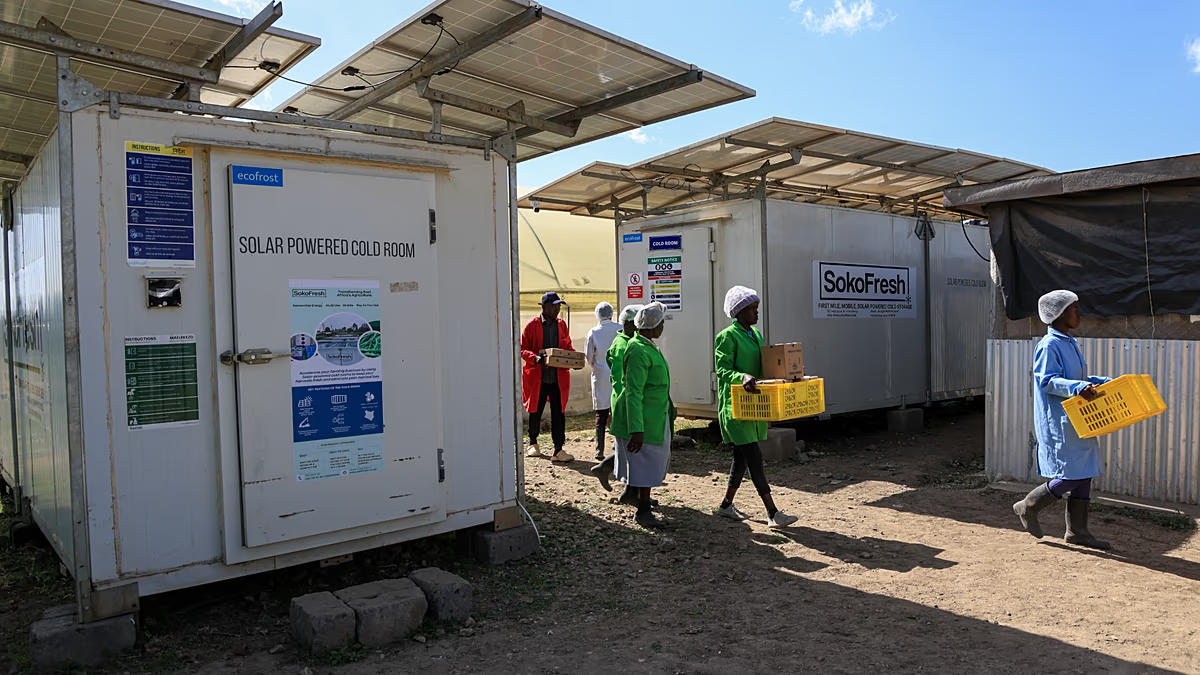
Though other threats remain, Yvonne no longer has to worry that transport delays or extreme heat will spoil her harvest - and it’s all thanks to renewable energy.
The pay-per-use model charges farmers based on kilograms stored, part of a trend in Africa toward using solar-powered cold storage to help prevent one of agriculture’s most persistent problems: food spoilage.
The Food and Agriculture Organisation estimates that up to 40 per cent of food produced in Africa is lost between harvest and market, largely due to poor storage, transport and processing infrastructure.