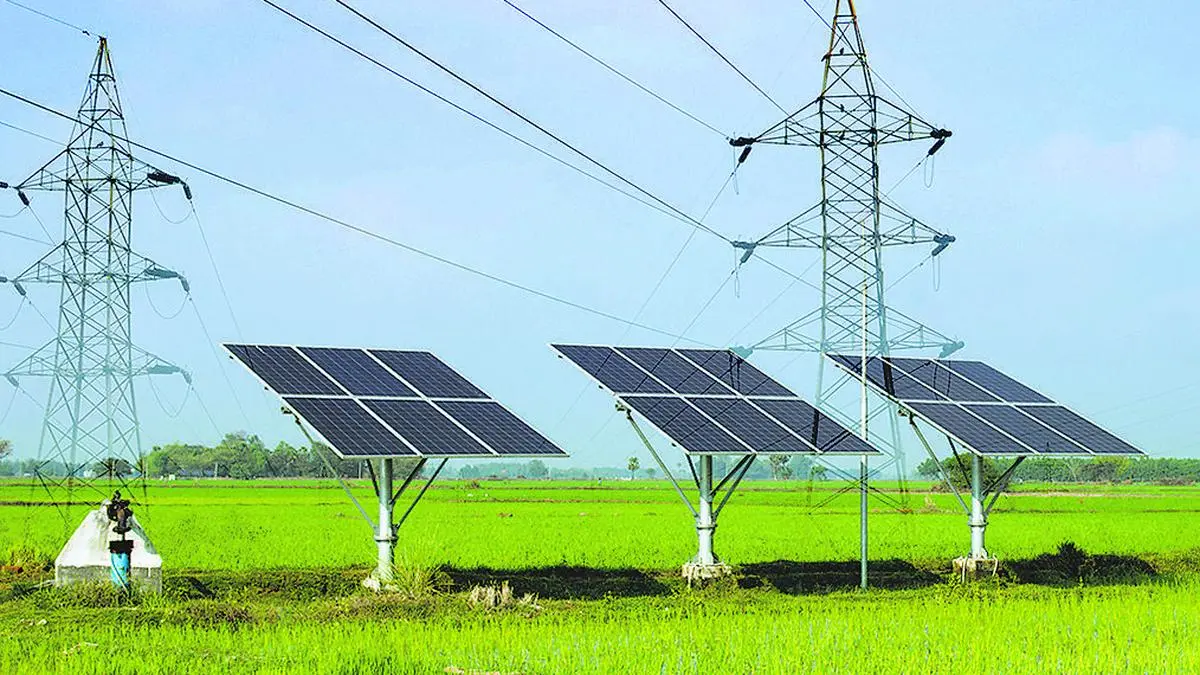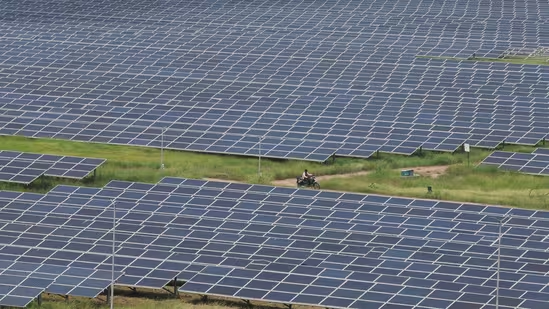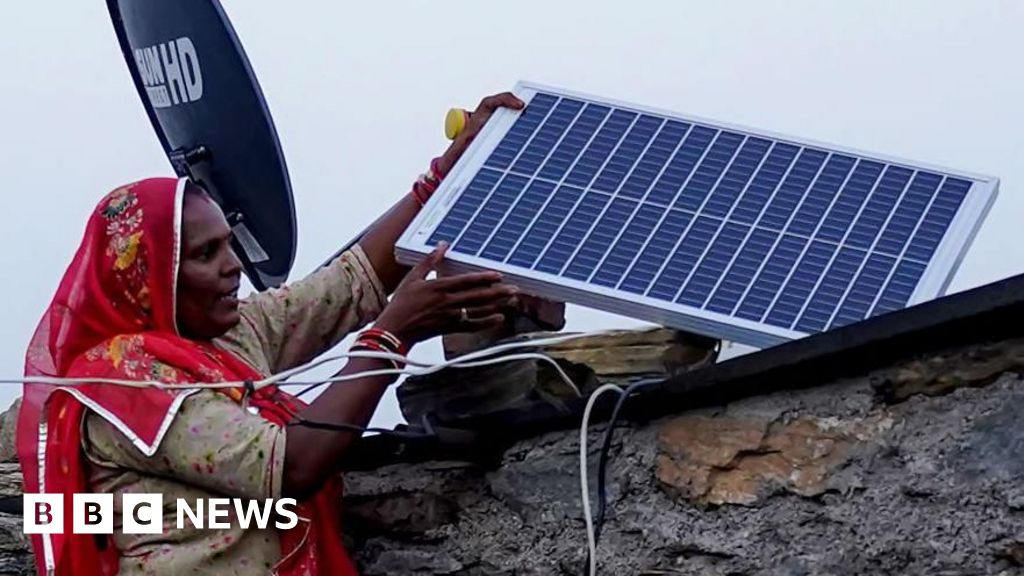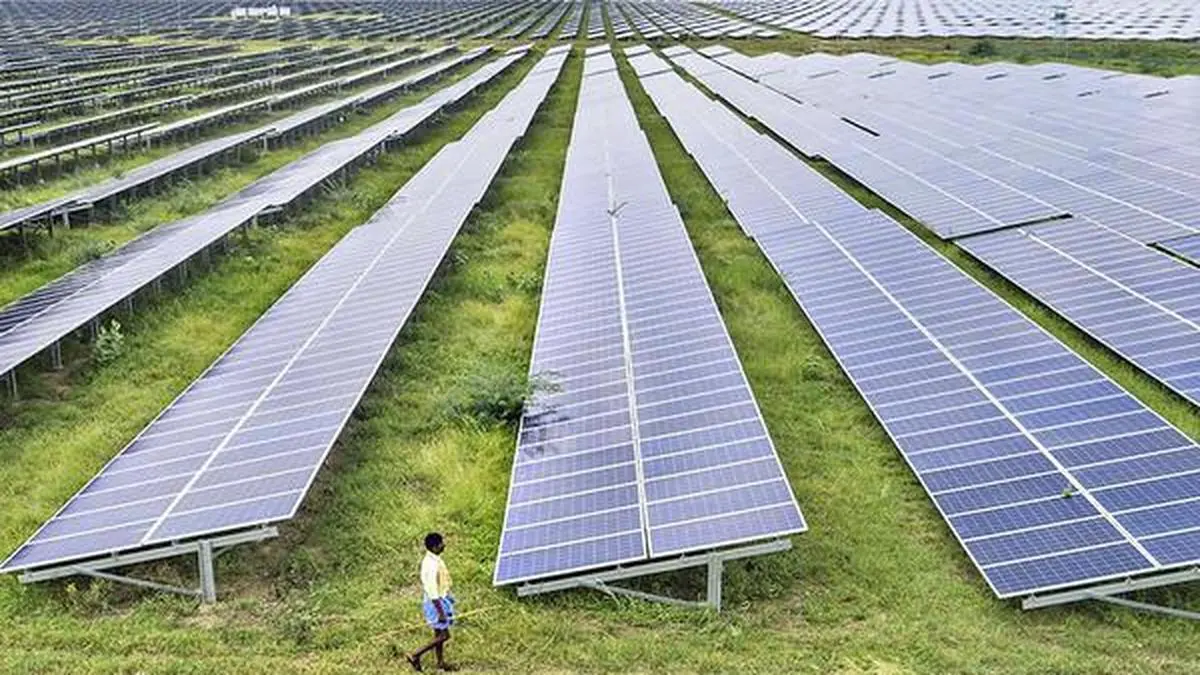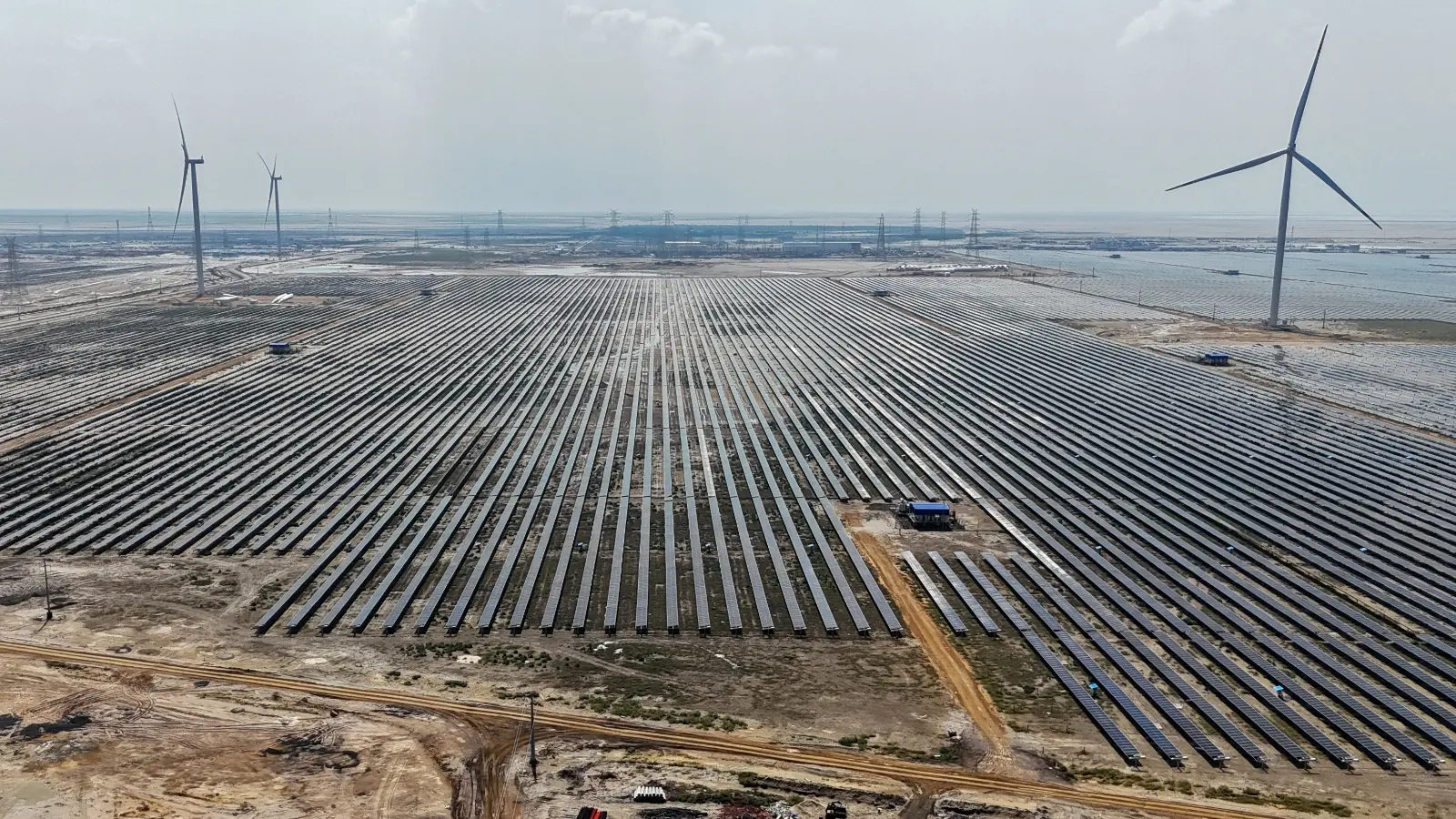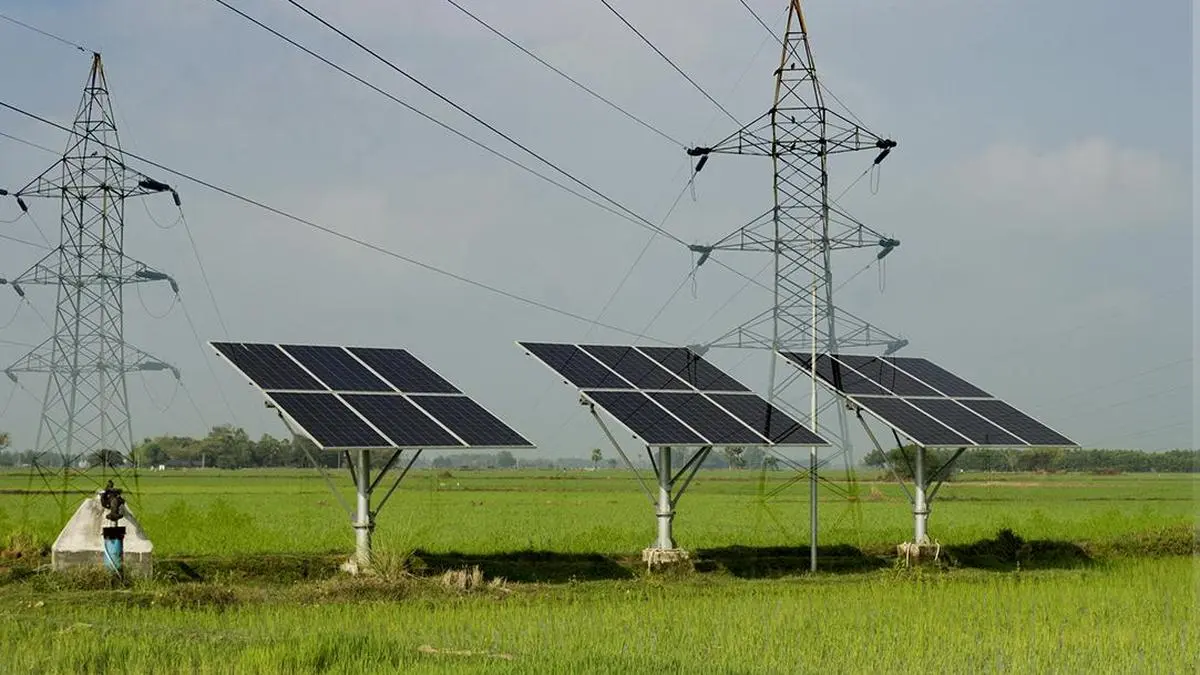
India has built 283 GW of renewable energy capacity. Solar has become the cheapest source of electricity in the country. The next frontier for this energy revolution is the farm. Agriculture uses roughly 20 per cent of India’s total electricity, and the potential to transform how that energy is sourced and paid for is enormous. A wheat farmer today spends close to ₹6,790 per acre on diesel irrigation. For cotton, it crosses ₹8,000. Solar can change those numbers fundamentally, and the tools to do it are already in place.The PM-KUSUM scheme, which ran from 2019 to March 2026, delivered real results. Over ten lakh solar water pumps replaced diesel engines across the country, adding around 10,203 MW of solar power directly to the farming sector. For farmers in regions where the scheme reached them, the financial relief was significant: irrigation costs dropped by ₹5,000 to ₹6,500 per acre every year. By generating electricity locally at just ₹3-4 per unit, this decentralised approach completely undercut the standard grid prices of ₹6 to ₹7. The economics were never in doubt.The target, however, was 34,800 MW. What was delivered fell well short of it. The execution gap in Component A, the part of the scheme that put solar plants on farmers’ land, was particularly wide. Land availability, DISCOM payment risk, slow approvals, and the absence of standardised project design left many states watching from the sidelines.Real opportunityAgrivoltaics is where the real opportunity sits, and it also explains why the ‘missing piece’ framing makes sense. The design is straightforward: panels are mounted on elevated structures above working farmland. Crops continue to grow underneath. The farmer generates electricity and farms the same land simultaneously. There is no trade-off between food and energy. Actual field reports reveal that mixing crops with solar panels can shoot a farmer’s yearly earnings up from around ₹60,000 to more than ₹1 lakh per acre.On paper, the country’s technical capacity for agrivoltaics is mind-boggling, with estimates hovering between 3,000 GW and 14,000 GW. Yet, the real-world deployment is light-years behind. As we cross the midpoint of 2026, just about 50 pilot installations are functional across the entire nation. The difference between what we could theoretically build and what actually exists right now is frankly alarming.The missing piece is not economics. A CEEW-CSTEP-IISD report from April 2026 found that solarising just 10 per cent of agricultural electricity demand could save states enormous sums over 25 years, ₹6,305 crore in Madhya Pradesh, ₹2,543 crore in Rajasthan, and ₹3,113 crore in Karnataka. The financial case for agricultural solar is stronger than almost any other application.Execution problemsWhat is missing is the execution infrastructure. There are no standardised design norms for agrivoltaic installations in India. Panel height, spacing, structural specifications, and which crops work under which panel configurations all vary by pilot and by vendor. A farmer evaluating a proposal has no reliable benchmark to judge it against. Financing is the second problem. Loan repayment structures built around quarterly or annual schedules do not match seasonal farm income. And in many States, DISCOM counterparty risk has made developers cautious about committing capital where payment timelines have been unreliable. Where states have addressed this directly, like Madhya Pradesh, which introduced guaranteed payment escrow accounts for developers, implementation moved noticeably faster.PM-KUSUM 2.0 is being designed with a ₹50,000 crore budget and a dedicated 10 GW agrivoltaics component. That is a serious signal of intent. Whether it closes the gap between potential and reality depends on whether the next phase addresses the execution problems that held Phase 1 back, not just the financial targets. India’s sustainability story will not be complete until the farmer who feeds the country is also generating the energy that powers it.(The author is CEO of Aroma Solar)Published on July 18, 2026
Solar agriculture: The missing piece in India’s sustainability journey
India’s sustainability story will not be complete until the farmer who feeds the country is also generating the energy that powers it
627 words~3 min read